Whether a Mastiff Loses Night Vision First
It’s a heartbreaking realization when you start to suspect your beloved Mastiff isn't seeing the world quite the way they used to, especially as the sun begins to set. You might notice them hesitating on familiar steps, bumping into furniture in dim light, or just generally moving with less confidence once evening rolls around. It’s natural to wonder if it's just old age, or if something more specific is happening. This guide will delve into whether Mastiffs typically lose their night vision first when dealing with conditions like Progressive Retinal Atrophy (PRA), what to look for, and how to support them through these changes.
Understanding Progressive Retinal Atrophy in Mastiffs
When we talk about vision loss in our Mastiffs, especially the kind that starts subtle and progresses over time, Progressive Retinal Atrophy (PRA) is often at the forefront of our minds. It's not a single disease, but rather a group of genetic disorders that affect the retina, the light-sensitive tissue at the back of the eye. Think of the retina as the "film" in a camera – it captures the images and sends them to the brain. When PRA strikes, these crucial cells begin to deteriorate, leading to a gradual decline in vision, and yes, it often starts with challenges in low light.
What is Progressive Retinal Atrophy PRA?
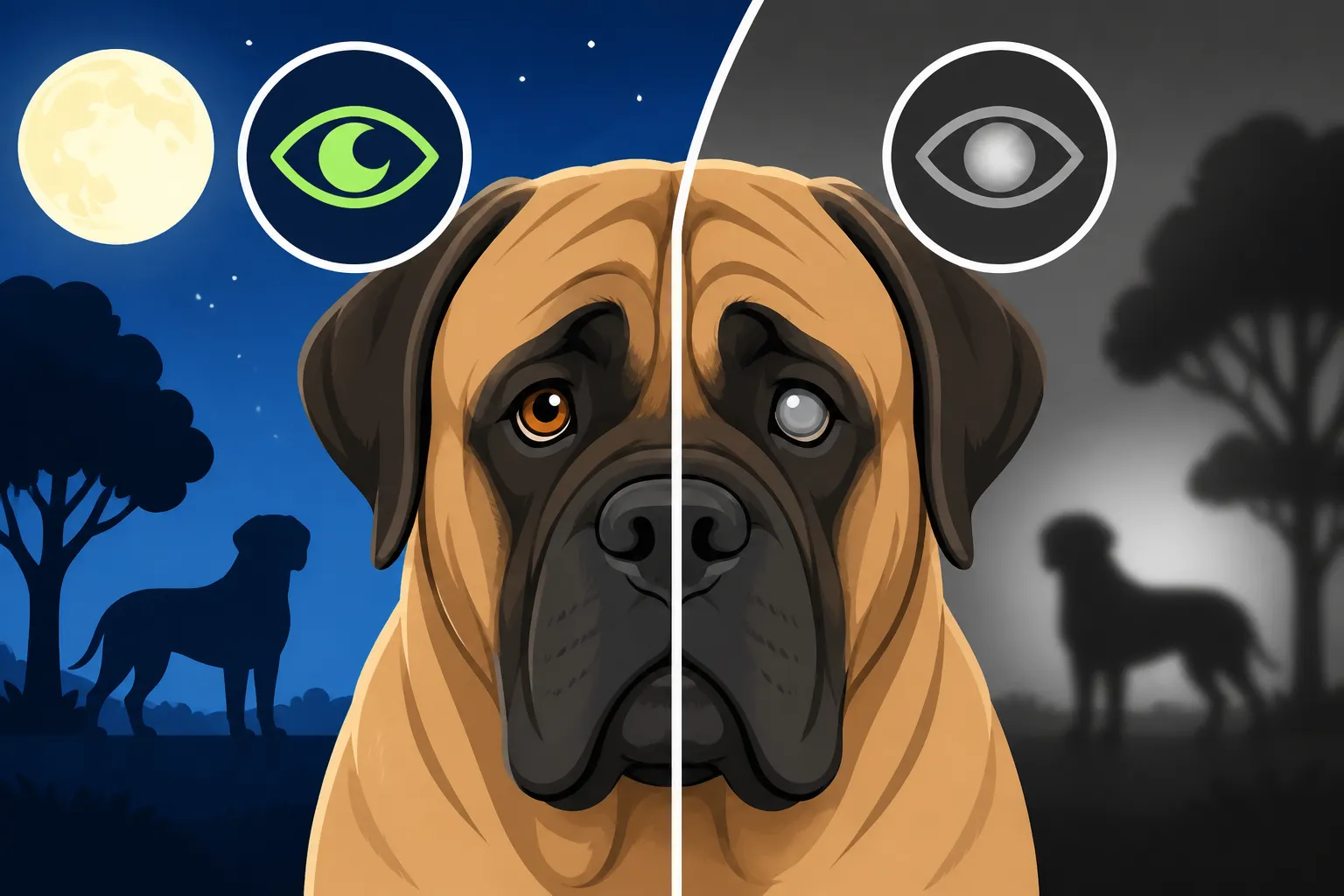
Progressive Retinal Atrophy (PRA) is essentially a slow degeneration of the photoreceptor cells in your Mastiff's eyes. These cells, known as rods and cones, are responsible for converting light into electrical signals that the brain interprets as vision. Rods handle vision in low light (night vision) and detect movement, while cones are responsible for bright light vision, color perception, and fine detail. In most forms of PRA, the rod cells are affected first, which is why owners often report their Mastiff struggling in the dark long before they show signs of daytime blindness. It's a cruel trick of nature that impacts these magnificent dogs, slowly dimming their world. For a deeper dive into the condition, you might want to read about What Canine Multifocal Retinopathy Does to a Mastiff as well, which can sometimes be mistaken for PRA.
The Genetic Basis of Mastiff PRA
The inheritance pattern of PRA can vary between breeds, and it's a critical piece of the puzzle for Mastiff owners and breeders. For Mastiffs, specifically, research has pointed to a dominant inheritance pattern for some forms of PRA. This means that unlike many recessive genetic diseases where a dog needs two copies of the faulty gene to be affected, a Mastiff might only need one copy of the gene to develop the condition. This can be a tough pill to swallow for breeders trying to eliminate the disease, as even a carrier dog (with one copy) could potentially develop the condition and pass it on. This is why understanding Why Mastiff Retinal Atrophy Needs Only One Copy of the Gene is so crucial, and it further explains How Dominant Inheritance Works in Mastiff PRA. It highlights the importance of genetic testing before breeding, regardless of whether a dog shows symptoms. Owners of Mastiffs with PRA might also wonder Whether a Mastiff Carrier of PRA Goes Blind Too, which is an important consideration given the dominant nature.
The Progression of Vision Loss in Mastiffs with PRA
The journey of vision loss in a Mastiff due to PRA is typically a slow, creeping process, not a sudden event. It's like watching a long, drawn-out sunset that never quite reaches full darkness. Owners often grapple with feelings of helplessness as they observe these changes, knowing there's no cure. But understanding the typical progression can help you anticipate challenges and provide better support.
Night Blindness: Often the First Sign
Yes, absolutely, night blindness is almost always the very first indicator that something is amiss with your Mastiff's vision, particularly with PRA. As mentioned, the rod cells, which are paramount for navigating in dim light, are usually the first to succumb to the degeneration. You might start noticing subtle changes: your typically confident Mastiff might hesitate at the top of a flight of stairs when the lights are low, or bump into a familiar piece of furniture when moving from a brightly lit room into a darker hallway at dusk. Walking them in the evening might become more of a challenge; they might trip on curbs they used to clear effortlessly, or become more easily startled by unexpected movements because they can't quite see them in their peripheral, low-light vision. This often begins around The Age a Mastiff's Vision Starts to Go, typically in middle age, but it can vary. Owners often don't immediately recognize these as signs of vision loss, sometimes attributing them to clumsiness or the onset of old age, which adds to the frustration and confusion.
Day Vision Deterioration and Adaptation
While night vision fades first, eventually, the cone cells, responsible for day vision, also begin to degenerate. This transition can be even more disheartening because it impacts their ability to see faces, toys, and navigate their world during daylight hours. However, Mastiffs are incredibly adaptable creatures. They have a phenomenal sense of smell and hearing, which they lean on heavily as their vision diminishes. They learn the layout of their homes by heart, mapping out every piece of furniture, and will often remember routes during walks. They might start relying more on your voice commands and the feel of the leash. You'll observe them moving more deliberately, sniffing the ground more, and being more attentive to sounds. It's remarkable how well they cope, often making it hard for owners to pinpoint the exact moment when day vision truly starts to decline significantly. This gradual adaptation can sometimes mask the severity of the loss until it's quite advanced.
When a Mastiff Goes Fully Blind From PRA
The good news, if there can be any, is that PRA's progression is usually so gradual that a Mastiff rarely "wakes up" completely blind. Instead, the loss of day vision slowly follows the night vision, often over a period of months or even a few years. Eventually, yes, a Mastiff with PRA will likely become fully blind. This is a tough reality for any owner. However, because the process is so slow, many Mastiffs adjust incredibly well to a sightless existence within their familiar home environments. They learn to navigate using their other senses, and with consistent routines and a stable home layout, they can continue to live fulfilling lives. It’s important to understand Whether a Mastiff Goes Fully Blind From PRA and to prepare for that eventuality by making your home a safe haven. For more on the speed of this process, you can explore How Fast a Mastiff Loses Its Sight.
Recognizing the Early Signs of Vision Changes
Catching vision changes early in a Mastiff, especially the subtle onset of night blindness, can be challenging. These dogs are stoic and, as noted, remarkably adaptable. They'll try to compensate for their changing world in ways that might not be immediately obvious. As a vigilant Mastiff owner, it's about paying close attention to their routine behaviors and noting any deviations, particularly in specific lighting conditions.
Behavioral Clues in the Home Environment
Your home, which your Mastiff knows like the back of their paw, is often where the first clues emerge. When the lights are low, or as dusk settles in, observe them closely. Do they hesitate before jumping onto their favorite orthopedic bed, even if it's been in the same spot for years? Are they bumping into the corner of the coffee table, a hazard they once avoided effortlessly? Perhaps they're misjudging the distance to their food bowl or water dish, causing them to splash or fumble. Some Mastiffs might become more reluctant to move from a well-lit room into a darker one, pausing at the threshold. They might start sticking closer to walls or furniture, using them as guides, rather than confidently striding through the middle of the room. Another subtle sign could be an increased reliance on scent – sniffing the ground more intently or having trouble locating a dropped toy visually, relying instead on its smell or sound.
Navigational Challenges Outdoors
Outdoors, the world is less predictable, making vision loss more apparent. During evening walks, your Mastiff might become more cautious, walking slower, or pulling back on the leash if faced with an unfamiliar shadow or uneven ground. They might trip over small roots or cracks in the pavement that they once navigated with ease. If you frequently walk in an area with varying light conditions, like passing from a brightly lit street into a dimly lit park, you might see them falter at these transitions. They might become more anxious in new environments or at night, looking to you for more guidance than usual. This isn't stubbornness or a lack of attention; it's a genuine struggle to process visual information. When observing these challenges, remember to consider the breed's natural pace; a Mastiff is often quite deliberate anyway.
The Importance of Regular Eye Exams
Even if you only suspect subtle changes, don't wait until it's obvious to seek veterinary help. Regular check-ups are paramount for Mastiffs, especially as they age. A routine veterinary examination can sometimes spot early signs of eye issues, but for a suspected condition like PRA, a referral to a veterinary ophthalmologist is highly recommended. These specialists have advanced equipment to examine the retina, measure eye pressure, and perform electroretinography (ERG) tests, which measure the electrical responses of the cells in the retina. An ERG can detect retinal degeneration long before a Mastiff shows any clinical signs of blindness. Early diagnosis means you can start preparing and making accommodations sooner, improving your Mastiff's quality of life as their vision declines. It’s a good idea to consider Whether a Mastiff Should Have a Yearly Eye Exam as part of their comprehensive health plan, particularly as you approach their senior years. This is also where pet insurance like Healthy Paws can really make a difference, covering specialist consultations and diagnostic tests that can quickly become quite costly.
Managing Vision Loss and Supporting Your Mastiff
Discovering your Mastiff is losing their sight can feel overwhelming, but it doesn't mean their quality of life has to diminish. With thoughtful adjustments and a proactive approach, you can help your Mastiff navigate their world with confidence, even as their vision fades. It requires patience, consistency, and a deep understanding of your dog's needs.
Creating a Safe and Predictable Environment
The most crucial step in supporting a visually impaired Mastiff is ensuring their environment is safe and consistent. Remember that Mastiffs are creatures of habit and thrive on predictability.
- Maintain a Consistent Layout: Avoid rearranging furniture. If you must move something, do it slowly and allow your Mastiff to explore the new arrangement with you guiding them. Their mental map of the house is their lifeline.
- Clear Pathways: Keep floors clear of clutter. A dropped shoe or a misplaced toy can become a serious tripping hazard for a dog who can't see it.
- Establish Scent Markers: Use different scented essential oils (dog-safe, diluted, and applied to discrete, low-lying objects) or texture mats at important points like the top and bottom of stairs, doorways, or near their food and water bowls. This gives them additional sensory cues.
- Boundary Indicators: For stairs, consider adding a small, sturdy barrier when you're not supervising, preventing accidental falls. You could also use different textured runners on stair treads to signal the change in elevation.
- Safe Outdoor Space: If your Mastiff has yard access, ensure fences are secure and there are no new hazards. Block off any steep drops or potential dangers.
- Night Lights: Install motion-sensor night lights, especially in areas they frequent after dark, such as pathways to their water bowl or the potty door. While their night vision is gone, some ambient light can sometimes help them perceive shadows or shapes.
Remember, the goal is to reduce anxiety and prevent injuries. A Mastiff who feels secure in their environment is a happier Mastiff.
Training and Communication Adaptations
Your communication with your Mastiff will evolve as their vision changes. They'll start to rely more on your voice and touch.
- Verbal Cues are King: Reinforce verbal commands. Use clear, consistent words for everything: "step up," "step down," "wait," "danger," "find your bed." When approaching them, always speak first so they know you're there and aren't startled.
- Touch Signals: Consider incorporating gentle touch signals alongside verbal cues. For example, a light tap on their shoulder to indicate a turn, or a brief hand on their back to signal "stay."
- Consistent Routines: Stick to a predictable daily schedule for feeding, walks, and potty breaks. This predictability reduces stress and helps them anticipate what comes next.
- Leash Work: Keep them on a leash in unfamiliar outdoor areas, even if they've always been off-leash reliable. A sturdy harness (not just a collar) can give you better control and prevent injury if they stumble. When walking, use verbal cues to warn them of upcoming obstacles: "curb up," "curb down," "tree."
- Auditory Cues for Play: Use toys that make noise – squeaky balls or crinkle toys – to keep them engaged in play. You can also drag a favored toy along the floor to help them locate it by sound and scent.
- Socialization: Continue to socialize your Mastiff, but do so carefully. Let other people know your dog is visually impaired before they approach, so they can offer a gentle, verbal greeting rather than an abrupt touch that might startle them.
Your Mastiff is looking to you for guidance and reassurance. Your calm, consistent communication will be their lighthouse in a darkening world.
The Role of Veterinary Care and Ongoing Monitoring
Even after a diagnosis, continuous veterinary oversight is essential. PRA has no cure, but regular check-ups ensure your Mastiff's overall health is maintained, and any secondary issues are caught early.
- Routine Check-ups: Continue with their regular veterinary visits. Your vet can monitor for other age-related issues common in Mastiffs and ensure their general well-being. This is especially critical since Six to Ten Years Is What a Mastiff Gets, making every year precious.
- Addressing Other Eye Issues: Even with PRA, Mastiffs can still develop other eye conditions like cataracts or glaucoma. Your vet can monitor for these, and an ophthalmologist can differentiate them from PRA progression. You can learn more about Eye and Eyelid Disease in a Mastiff for a broader understanding.
- Pain Management: As Mastiffs age, they often develop joint issues. Vision loss can exacerbate mobility problems, as they're less able to anticipate uneven ground. Discuss pain management options with your vet to keep them comfortable and mobile for as long as possible.
- Nutritional Support: While no diet can reverse PRA, ensuring your Mastiff receives a balanced diet rich in antioxidants and omega-3 fatty acids can support overall eye health and general well-being. Discuss specific supplements with your vet.
- Quality of Life Discussions: Be open with your vet about your Mastiff’s quality of life. They can offer invaluable guidance as you navigate the challenges of advanced vision loss, helping you make informed decisions about their care, particularly when considering Caring for a Mastiff Past Five. This is another area where a comprehensive pet insurance plan from providers like Healthy Paws can alleviate financial stress, allowing you to pursue specialist care, regular vet visits, and necessary medications without undue burden.
| Stage of Vision Loss in Mastiffs with PRA | Key Observations (Often First Noticed) | Impact on Daily Life | Owner Response & Support |
|---|---|---|---|
| Early Stage (Night Blindness) | Hesitation in dim light/dusk, bumping into familiar objects at night, increased cautiousness in low-light outdoor areas. | Minimal impact on daytime routine, but evening walks and nighttime navigation become challenging. | Install night lights, keep consistent home layout, use verbal cues in the dark. |
| Mid Stage (Progressive Day Vision Loss) | More frequent bumps, misjudging distances in daylight, difficulty locating dropped toys, increased reliance on smell/hearing. | Navigational challenges throughout the day, decreased confidence in new or slightly altered environments. | Speak before approaching, maintain strict routines, use auditory toys, gentle leash guidance, avoid rearranging furniture. |
| Late Stage (Severe/Total Blindness) | Complete disorientation in unfamiliar places, bumping into large objects, startled by sudden touch/sound, relying entirely on other senses. | Requires full reliance on owner and other senses; daily life depends on environmental consistency and verbal guidance. | Maximize safety features (clear paths, barriers), consistent verbal commands, maintain routines, continuous vet monitoring. |
Ultimately, living with a visually impaired Mastiff means being their eyes, their guide, and their protector. It’s a profound act of love, and with the right support, your Mastiff can continue to bring immense joy and companionship to your life.
Disclaimer
This article is intended for informational purposes only and does not constitute veterinary advice. Always consult with a qualified veterinarian or veterinary ophthalmologist for any health concerns or before making any decisions about your Mastiff's medical care.