Whether a Mastiff Goes Fully Blind From PRA
It’s a truly frightening thought for any Mastiff owner: watching your majestic companion’s world slowly fade to darkness. Progressive Retinal Atrophy (PRA) is a condition that casts a long shadow, and the question of whether a Mastiff goes fully blind from it is a deeply unsettling one. This guide will walk you through what PRA means for your big dog, how it progresses, and how you can support them every step of the way.
Understanding Progressive Retinal Atrophy in Mastiffs
Progressive Retinal Atrophy (PRA) isn't just one single disease, but rather a group of genetic conditions that all lead to the degeneration of the retina in dogs. For a Mastiff, this means the specialized cells at the back of their eye, responsible for detecting light and sending visual information to the brain, slowly break down. It's a progressive, inherited disease, meaning it gets worse over time and is passed down through generations.
What is PRA and How it Impacts Vision
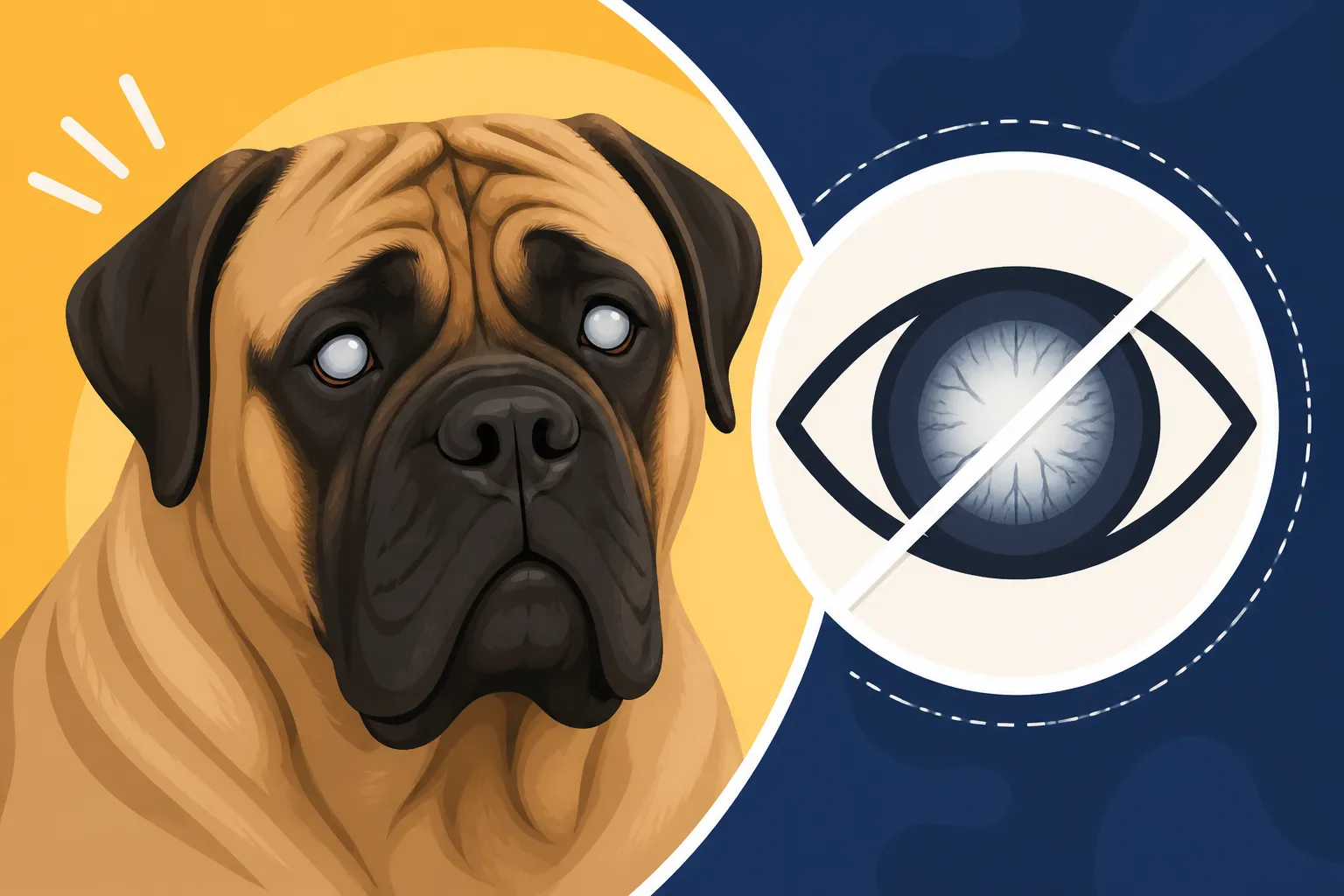
Imagine the retina as the film in an old camera – it captures the image. In a dog with PRA, this "film" is defective and slowly deteriorates. Initially, the rod cells, which are responsible for vision in low light, are affected. This is why the earliest symptom is often night blindness. As the disease advances, the cone cells, which handle bright light and color perception, also begin to fail. This leads to a gradual, irreversible loss of vision in both eyes. The specific type of PRA common in Mastiffs is often a late-onset form, meaning symptoms might not appear until the dog is a few years old, sometimes even middle-aged, making it particularly heartbreaking because you've already had years of bonding with your visually healthy pet. For more details on the prevalence, you might be interested in reading about How Common Progressive Retinal Atrophy Is in Mastiffs.
Different Forms and Their Characteristics in Mastiffs
While there are many forms of PRA across different breeds, the one primarily affecting Mastiffs is generally an autosomal recessive form, meaning a dog must inherit two copies of the defective gene (one from each parent) to be affected. Dogs that inherit only one copy are considered carriers. A carrier Mastiff will not typically develop the disease themselves, which leads to the crucial question: Whether a Mastiff Carrier of PRA Goes Blind Too. The progression and severity can vary slightly depending on the exact genetic mutation and individual dog, but the end result, unfortunately, is always vision loss. There are also rarer forms like Canine Multifocal Retinopathy (CMR1), which can cause retinal folds or lesions, but it's important to understand Whether CMR1 and PRA Are the Same in a Mastiff – they are distinct conditions, though both impact vision.
Genetic Inheritance and the Role of Breeders
Understanding the genetics is paramount for responsible breeding. Since PRA in Mastiffs is generally inherited in a recessive pattern, both parents must be carriers or affected to produce affected puppies. This highlights why good breeders are diligent about health testing. If a Mastiff is a carrier, they won't show symptoms, but they can pass the gene on. Two carriers bred together have a 25% chance of producing affected puppies, a 50% chance of producing carriers, and a 25% chance of producing clear puppies. This is why genetic testing is so vital; it prevents unknowingly perpetuating the disease in the breed. Sometimes, people wonder Whether Mastiff PRA Skips a Generation, but with recessive inheritance, it doesn't "skip" in the sense of disappearing; it just means a generation might be carriers without showing symptoms.
The Journey of Vision Loss: From Night Blindness to Full Blindness
Witnessing your Mastiff's vision decline is an emotional journey, but understanding the stages can help you prepare and adapt. It's not usually a sudden event; instead, it’s a slow, progressive decline that allows both you and your dog time to adjust.
Early Signs: Night Blindness and Subtle Changes
The very first noticeable sign of PRA in a Mastiff is typically night blindness, or nyctalopia. This means your dog will have difficulty seeing in dim light or at dusk. You might notice them bumping into furniture in a dimly lit room, hesitating to go outside after dark, or generally seeming more anxious in low-light conditions. Their pupils may also appear more dilated than usual, even in normal light, as their eyes try to gather more light to compensate. Owners often describe a "shiny" or "reflective" appearance to their dog's eyes when light catches them, due to changes in the tapetum lucidum – a reflective layer behind the retina. These early signs often emerge when The Age a Mastiff's Vision Starts to Go is typically between three and five years old, but it can vary. Observing these subtle behavioral shifts is key to early detection.
Progressive Decline: Navigating Daily Life
As PRA progresses, your Mastiff's vision will continue to deteriorate, extending beyond just night blindness to impact their daytime sight. They might start bumping into familiar objects even in well-lit environments, become hesitant to go to new places, or show increased reliance on their other senses – hearing and smell. You might notice their gait becoming more cautious, or they might start startling more easily if approached unexpectedly. Cataracts, a clouding of the lens, can sometimes develop as a secondary condition to PRA, further impeding vision. Understanding How Fast a Mastiff Loses Its Sight is crucial; it's generally a slow process, sometimes taking years, which offers a window for adaptation. Keeping your Mastiff's environment consistent and safe becomes incredibly important during this phase.
Coping with Complete Blindness
Eventually, if the disease runs its full course, a Mastiff will likely experience complete blindness. This means their world becomes entirely dependent on sound, smell, and touch. While this sounds devastating, it’s important to remember that dogs are incredibly resilient and adapt far better than humans often expect. Their other senses become heightened, allowing them to navigate their familiar surroundings with surprising ease. They might still enjoy walks on a leash, especially if the route is consistent and you provide verbal cues. Verbal reassurance, a consistent routine, and a safe, unchanged home environment are paramount. Many owners find their blind Mastiffs continue to lead happy, fulfilling lives. It’s truly amazing Whether a Blind Mastiff Copes at Home, and many do so with remarkable grace and independence, especially with dedicated owner support.
Caring for a Mastiff with Progressive Vision Loss
Living with a Mastiff that is losing its sight, or has already gone blind, requires empathy, patience, and some practical adjustments. Your big dog relies on you more than ever to be their eyes and ensure their safety and comfort.
Home Modifications and Safety
Making your home a safe haven is the first step. Keep furniture in consistent locations to prevent bumps and disorientation. Block off stairs or dangerous areas with baby gates. Consider using different textures of mats or rugs to indicate changes in areas, like approaching a doorway or moving from one room to another. For dogs struggling with night vision, installing night lights, especially along pathways or near their bed, can make a huge difference, particularly as Whether a Mastiff Loses Night Vision First is usually the case. It’s also wise to put soft padding on sharp furniture corners. If you have multiple pets, consider attaching a bell to their collars so your blind Mastiff can hear them approaching. Outdoors, ensure your yard is securely fenced, and always supervise them. A sturdy harness (not just a collar) can give you better control and guidance during walks, especially with a dog the size of a Mastiff.
Maintaining Routine and Enrichment
Consistency is king for a visually impaired Mastiff. Stick to a predictable daily schedule for feeding, potty breaks, and playtime. This reduces anxiety and helps them build a mental map of their day. While their vision may be gone, their minds are still active! Engage their other senses with scent games, puzzle toys that dispense treats, and textured chew toys. Regular, gentle walks in familiar, safe areas are still important for exercise and mental stimulation. Talk to your Mastiff often, using clear verbal cues ("step up," "slow down," "wait," "left," "right"). Touch is also crucial; gentle pets and reassuring strokes can communicate comfort and love. As your Mastiff ages, regardless of vision, continued care for their overall health becomes paramount, as outlined in articles like Caring for a Mastiff Past Five. This holistic approach ensures their well-being throughout their lifespan.
Veterinary Support and Regular Check-ups
Even with vision loss, regular veterinary check-ups are essential to monitor your Mastiff’s overall health and manage any secondary conditions. Your vet can provide guidance on managing PRA, discuss pain management if arthritis or other age-related issues arise, and offer support for maintaining your Mastiff's quality of life. They might also suggest specific supplements or medications to support general eye health, though these cannot reverse PRA. Getting a comprehensive eye exam annually is always a good idea for early detection of any issues, so make sure to ask Whether a Mastiff Should Have a Yearly Eye Exam. If you’re concerned about the costs of ongoing care for a blind Mastiff, especially potential specialist visits or medications, investing in pet insurance from providers like Healthy Paws can be a lifesaver. Policies from Healthy Paws can help cover a significant portion of unexpected vet bills, allowing you to focus on your Mastiff's health without financial stress. They understand the challenges of caring for pets with chronic conditions.
Breeding Considerations and Prevention
The best way to prevent the heartache of PRA in future generations of Mastiffs is through responsible and ethical breeding practices, rooted in genetic understanding and testing.
The Importance of DNA Testing
DNA testing is the most powerful tool we have against inherited diseases like PRA. A simple cheek swab or blood test can determine if a Mastiff is clear, a carrier, or affected by the PRA gene mutation. For a Mastiff, this test is relatively straightforward and provides definitive answers about an individual dog's genetic status. This information allows breeders to make informed decisions about breeding pairs, ensuring they do not inadvertently produce affected puppies. If you're considering getting a Mastiff puppy, always ask the breeder about the health testing, including PRA, performed on both parents. You can even find out What the Mastiff PRA Test Costs and expect a reputable breeder to have these results readily available. Reliable testing, such as through OptiGen, provides clear results for breeders and prospective owners.
Understanding Carrier Status and Its Implications
As mentioned, a Mastiff who is a carrier has one copy of the PRA gene but will not develop the disease themselves. However, they can pass that gene on to their offspring. This is where responsible breeding comes in. A carrier can be safely bred to a Mastiff that is "clear" (meaning they have two normal copies of the gene), because none of the puppies will be affected by PRA, though about half will be carriers. It’s important to understand the nuances of Why Mastiff Retinal Atrophy Needs Only One Copy of the Gene for recessive inheritance and to choose breeding partners wisely. The goal is to gradually reduce the frequency of the gene in the breed without losing valuable genetic diversity from otherwise healthy dogs.
Ethical Breeding Practices
Ethical Mastiff breeders prioritize the health and longevity of the breed. This means not only performing DNA tests for PRA but also screening for other common Mastiff health issues such as hip and elbow dysplasia, cardiac health, and eye conditions beyond PRA, often adhering to The Four CHIC Tests a Mastiff Breeder Must Clear before breeding. They use these results to select breeding pairs that will produce the healthiest puppies possible. A breeder should never breed two carriers together, nor should they breed an affected dog, even if it has outstanding show qualities, because of the high risk of producing affected puppies. While it's a difficult decision for a breeder, sometimes Whether a Mastiff With PRA Should Be Bred is a clear 'no' for the betterment of the breed. Open communication, transparency about health testing, and a willingness to educate prospective buyers are hallmarks of a truly responsible Mastiff breeder. Even if a Mastiff has a shorter lifespan than smaller breeds, typically Six to Ten Years Is What a Mastiff Gets, ensuring those years are as healthy and comfortable as possible is the primary goal.
| Stage of PRA | Key Characteristics | What You Might Observe | Owner Adaptation Tips |
|---|---|---|---|
| Early Onset | Loss of night vision (nyctalopia) | Hesitation in dim light, bumping into objects at night, dilated pupils. | Add night lights, keep furniture consistent, supervise outdoor time after dusk. |
| Mid-Stage | Progressive loss of day vision | Bumping into objects in familiar surroundings, increased caution, startling easily. | Maintain consistent home layout, use verbal cues, secure yard. |
| Late-Stage | Complete blindness | Full reliance on other senses (hearing, smell, touch). | Continue consistency, engage with scent/puzzle toys, provide verbal reassurance. |
Disclaimer
The information provided in this article is for general educational purposes only and is not a substitute for professional veterinary advice. Always consult with a qualified veterinarian or veterinary ophthalmologist for any health concerns or before making any decisions related to your Mastiff's care, diet, or treatment.