What Canine Multifocal Retinopathy Does to a Mastiff
Discovering that your beloved Mastiff might have an eye condition can be incredibly stressful, especially when terms like "retinopathy" start flying around. It’s natural to feel overwhelmed and worried about what this could mean for your giant companion's vision and overall quality of life. This comprehensive guide is here to shed light on Canine Multifocal Retinopathy (CMR) in Mastiffs, breaking down what it is, how it affects them, and what you can do to ensure your gentle giant continues to see the world clearly and happily.
Understanding Canine Multifocal Retinopathy (CMR)
When we talk about vision issues in our Mastiffs, it's easy for every little abnormality to feel like a major catastrophe. Canine Multifocal Retinopathy, often abbreviated as CMR, is one of those terms that can spark immediate concern. But before you dive into a panic, it’s important to understand precisely what CMR means and how it typically impacts our big-hearted dogs. Unlike some more aggressive retinal diseases, CMR often has a much milder prognosis, which is a huge relief for many Mastiff owners.
What is CMR and How Does It Manifest?
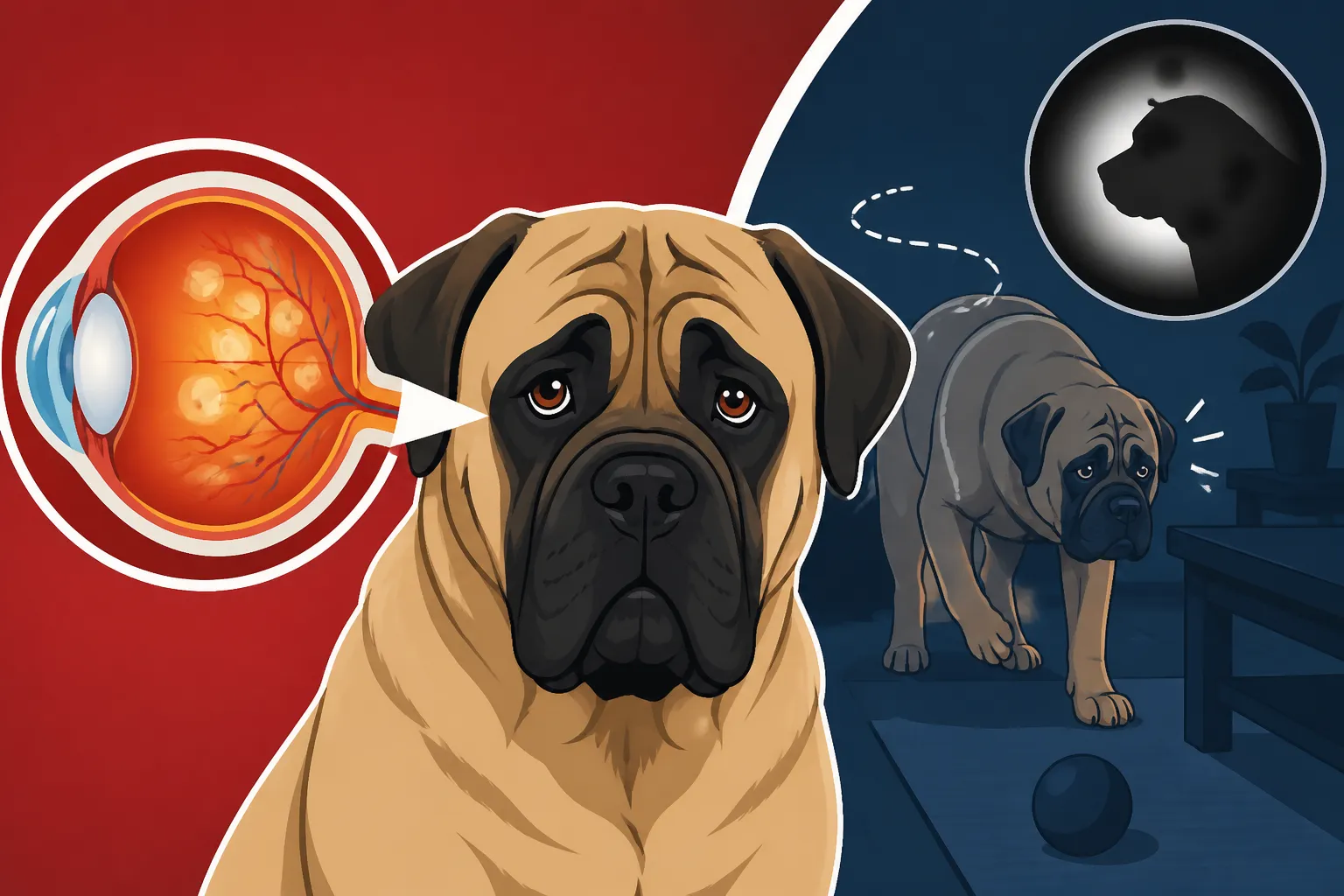
Canine Multifocal Retinopathy is a genetic eye disorder characterized by the development of multiple, distinct lesions or folds on the retina. Think of the retina as the "film" at the back of the eye that captures images and sends them to the brain. When these lesions form, they can slightly disrupt the retina's normal function. These specific lesions, also sometimes referred to as 'blisters' or 'elevations', are usually caused by an abnormality in the retinal pigment epithelium, which is a layer of cells that supports the photoreceptor cells responsible for vision.
In most cases, these retinal changes manifest as small, somewhat irregular patches that veterinarians can observe during an ophthalmic examination. They often appear as areas of grey, tan, or orange-pink discoloration on the retina. What's particularly noteworthy about CMR in Mastiffs is that these lesions frequently appear and then either stabilize or, in some fortunate instances, even partially regress. This means that while they are present, they don't always relentlessly progress to severe vision loss, which is a significant distinction from other, more devastating retinal diseases. The impact on vision for affected dogs is usually quite minimal, with many dogs never showing any noticeable signs of visual impairment in their daily lives.
The Genetics Behind CMR in Mastiffs
The root cause of Canine Multifocal Retinopathy in Mastiffs, like many specific conditions in purebred dogs, lies in their genetics. CMR is inherited in an autosomal recessive pattern. This means that a Mastiff must inherit two copies of the specific gene mutation—one from each parent—to be affected by the condition. Dogs that inherit only one copy of the mutated gene are considered carriers. They won't display any symptoms of CMR themselves, but they can pass the mutated gene on to their offspring.
This genetic understanding is incredibly important for responsible breeders, as it allows them to make informed decisions to prevent passing the condition to future generations. Without proper genetic testing, a carrier parent, seemingly healthy, could unknowingly contribute to affected puppies in a litter if bred with another carrier. The gene responsible for CMR1, the form often found in Mastiffs, is BEST1. Knowing this allows for targeted DNA testing to identify carriers and affected dogs.
The Visible Signs and Symptoms of CMR
When you have a dog as large and stoic as a Mastiff, sometimes it feels like they could be hiding a whole host of problems without you ever realizing it. Thankfully, with CMR, the visible signs are often quite subtle, if present at all, and rarely as dramatic as some other eye conditions. It’s important to know what to look for, but equally important not to jump to conclusions, as many things can affect a Mastiff's eyes.
Early Indicators and How They Progress
For many Mastiffs with CMR, the most frustrating aspect for owners is that there are often no obvious behavioral or functional signs of vision problems. You might not notice your dog bumping into furniture, hesitating in new environments, or struggling to catch a toy. The lesions are typically small and located in areas of the retina that don't significantly impair central vision. When signs are observed, they are usually detected during routine veterinary eye examinations, particularly when puppies are still quite young, often between 8 to 16 weeks of age.
In some cases, the lesions might cause very mild, localized retinal detachment, which can be seen by a veterinary ophthalmologist. The good news is that these lesions tend to develop early and then either stabilize, meaning they don't get worse, or even spontaneously regress over time. This regression can lead to the lesions becoming less apparent or even disappearing entirely, further minimizing any potential impact on vision. Owners might never even be aware their Mastiff has CMR without a specialized eye exam or genetic testing.
How CMR Differs from Other Eye Conditions
It’s crucial to distinguish CMR from other, often more severe, eye conditions that can affect Mastiffs. For instance, Progressive Retinal Atrophy (PRA) is a much more devastating condition that leads to progressive degeneration of the photoreceptor cells, eventually resulting in complete blindness. When considering Whether a Mastiff goes fully blind from PRA, the answer is often a resounding yes, making it a stark contrast to CMR. CMR, with its generally mild, non-progressive nature, rarely leads to significant vision loss.
Another condition sometimes confused with CMR is simple retinal folds. Retinal folds are often incidental findings, usually congenital, and rarely cause any visual impairment. They are structural anomalies rather than a degenerative disease process. While CMR involves folds or blister-like lesions, their specific etiology and potential, albeit mild, impact on the retinal layers differentiate them. Whether a Mastiff's retinal folds cause blindness can typically be answered with a reassuring "no," and this often applies to CMR as well. Cataracts, which involve clouding of the lens, are also entirely different from retinal disorders and present with a distinct cloudy appearance in the eye. Understanding these distinctions helps manage expectations and reduces unnecessary anxiety when dealing with a diagnosis of CMR. For any concerning eye issues, it's vital to get a precise diagnosis from a board-certified veterinary ophthalmologist.
Diagnosing CMR in Your Mastiff
Getting to the bottom of any potential health issue with your Mastiff can feel like a daunting task, and eye conditions are no exception. The good news about Canine Multifocal Retinopathy is that its diagnosis is straightforward, largely thanks to advancements in genetic science. Knowing how to confirm the presence of CMR is essential for both individual dog owners and for breeders committed to the long-term health of the Mastiff breed.
The Role of Ophthalmic Exams and Genetic Testing
The first step in diagnosing any eye condition, including CMR, is a thorough ophthalmic examination by a skilled veterinary ophthalmologist. These specialists have the equipment and expertise to visualize the retina at the back of your Mastiff’s eye. During a comprehensive exam, they will dilate your dog’s pupils to get a clear view, looking for the characteristic multifocal lesions or folds. These lesions, as mentioned earlier, often appear as subtle grey, tan, or pinkish areas, usually round or oval in shape, and slightly elevated. They tend to be present in puppies as young as 8-16 weeks. Why a Mastiff litter needs an eye exam becomes clear when you consider conditions like CMR that can be identified early.
However, the definitive diagnosis and, more importantly, the ability to identify carriers for breeding purposes, comes from genetic testing. There are specific DNA tests available, such as the OptiGen CMR1 test, that can identify the BEST1 gene mutation responsible for CMR. This test can be performed with a simple cheek swab or blood sample, making it non-invasive for your Mastiff. The results will tell you if your dog is "clear" (no copies of the mutation), a "carrier" (one copy), or "affected" (two copies). This provides undeniable clarity about their genetic status.
Interpreting Test Results and Breeder Responsibilities
Once you receive your Mastiff's genetic test results, it’s important to understand what they mean, especially if you are involved in breeding.
- Clear: A Mastiff with two normal copies of the gene is "clear" and will not develop CMR nor pass the mutated gene to its offspring.
- Carrier: A "carrier" Mastiff has one normal copy and one mutated copy. They will not develop the condition themselves but can pass the mutated gene to 50% of their offspring.
- Affected: An "affected" Mastiff has two copies of the mutated gene. They will develop CMR, though typically with mild symptoms, and will pass a mutated gene to all of their offspring.
For responsible breeders, these results are invaluable. Ethical breeding practices dictate that "affected" Mastiffs should not be bred. While "carriers" can still be part of a breeding program to maintain genetic diversity, they should only be bred with "clear" partners. This ensures that no puppies from that pairing will be "affected" by CMR. This careful selection helps gradually reduce the prevalence of the gene in the breed. If a breeder is transparent about their health testing, they should be able to show you results for the parents, confirming Whether a Mastiff puppy can be tested before purchase.
Living with a Mastiff Affected by CMR
Finding out your Mastiff has a genetic condition like CMR can be unsettling, but with this particular eye issue, the reality is often far less dramatic than the initial worry suggests. Most Mastiffs with CMR live perfectly normal, happy lives with little to no noticeable visual impairment. It's about understanding the condition and making minor adjustments, if any, to support your beloved companion.
Managing the Condition and Supporting Your Dog's Vision
The most reassuring aspect of Canine Multifocal Retinopathy is that, in the vast majority of cases, it requires no specific treatment or medication. The lesions associated with CMR are typically stationary or only very slowly progressive, and often, as discussed, they can even regress. This means that the impact on your Mastiff's day-to-day vision is usually minimal to non-existent. You won't typically need to administer eye drops, special diets, or undergo surgical procedures to manage CMR.
Instead, management often involves continued awareness and routine check-ups. Your veterinary ophthalmologist might recommend follow-up examinations to monitor the lesions and confirm their stability. If, in rare cases, you notice any subtle changes in your Mastiff's vision, such as bumping into things in low light or being hesitant on stairs, it's always wise to consult your vet. However, such instances are uncommon with CMR. Your primary focus remains on providing a loving, safe, and enriching environment for your Mastiff, just as you would for any healthy dog. Keep their routine consistent, maintain familiar surroundings, and ensure their general well-being, which will inherently support any subtle visual challenges they might face, though it's unlikely to be necessary for CMR.
Potential Long-Term Outlook and Quality of Life
The long-term outlook for a Mastiff diagnosed with CMR is overwhelmingly positive. Unlike conditions like How fast a Mastiff loses its sight with Progressive Retinal Atrophy, CMR does not typically lead to blindness or severe visual impairment. Many Mastiffs live their entire lives with CMR without their owners ever realizing they have it, had it not been for a genetic test or an opportunistic eye exam. Their quality of life is generally unaffected by the presence of these retinal lesions.
You can expect your Mastiff to continue enjoying their favorite activities, whether that's lounging on the sofa, gently greeting visitors, or enjoying a leisurely stroll. The minimal visual impact means they can navigate their environment, interact with family, and play with toys without significant hindrance. While it's always important to monitor a Mastiff's overall health and discuss any concerns with your veterinarian, particularly as they age and may face other health challenges like arthritis, CMR is usually not a condition that will diminish their enjoyment of life or shorten their Six to Ten Years Is What a Mastiff Gets. When considering the expenses of owning such a magnificent breed, knowing that a condition like CMR usually doesn't add significant veterinary bills can be a small comfort, though having comprehensive pet insurance, like a plan from Healthy Paws, is always a smart move for potential unforeseen issues.
Breeding Considerations and Prevention
Responsible breeding is the cornerstone of preserving the health and integrity of any purebred dog breed, and the Mastiff is certainly no exception. When it comes to genetic conditions like Canine Multifocal Retinopathy, breeders carry a significant responsibility to understand the inheritance patterns and utilize available tools to make informed decisions that prioritize the well-being of future generations.
Why Responsible Breeding Practices are Crucial
The genetic nature of CMR means that breeding choices directly impact the prevalence of the condition within the Mastiff population. A responsible breeder isn't just focused on physical appearance or temperament; they are deeply committed to the health of their lines. This commitment involves thorough health testing of all breeding stock, including specific DNA tests for conditions like CMR1. By identifying carriers and affected individuals, breeders can make strategic decisions to prevent producing puppies that will inherit two copies of the mutated gene.
Ignoring genetic testing or intentionally breeding affected dogs not only perpetuates the condition but also undermines the collective efforts of ethical breeders working to improve the breed's health. The goal isn't necessarily to eliminate every carrier from the gene pool overnight, as this can severely restrict genetic diversity, which also has negative long-term consequences. Instead, it's about making thoughtful pairings: breeding a carrier only to a "clear" mate. This ensures that while the carrier gene might still exist, no affected puppies are produced, and the goal over successive generations is to gradually reduce the frequency of the carrier gene in the population.
Genetic Counseling and Future for the Breed
For Mastiff breeders, genetic counseling involves more than just running a DNA test; it's about understanding the broader implications of their breeding decisions. It's about maintaining detailed records, being transparent with puppy buyers about genetic test results, and collaborating with other breeders and veterinary geneticists. The availability of DNA tests for conditions like CMR1 is a powerful tool for this. It allows breeders to confidently select breeding pairs, ensuring they are not unknowingly doubling up on recessive genes.
The future health of the Mastiff breed, including the reduction of genetic conditions like CMR, relies heavily on these practices. Programs like those that encourage The Four CHIC Tests a Mastiff Breeder Must Clear already highlight the importance of health screening. Beyond those, adding specific DNA panels helps paint a complete picture. Organizations like the Orthopedic Foundation for Animals (OFA) often maintain databases for genetic test results, providing transparency and aiding research. By embracing these advancements, Mastiff breeders can continue to produce healthy, long-lived, and magnificent companions, ensuring that conditions like CMR become less and less a cause for concern.
Comparing Retinal Conditions in Mastiffs: CMR vs. PRA
Understanding the nuances of different eye conditions is critical for any Mastiff owner. While all involve the retina, their implications for your dog's vision can vary wildly. Let's take a closer look at how Canine Multifocal Retinopathy (CMR) stands apart from Progressive Retinal Atrophy (PRA), a condition that often casts a much longer shadow.
| Feature | Canine Multifocal Retinopathy (CMR1) | Progressive Retinal Atrophy (PRA) |
|---|---|---|
| Genetic Inheritance | Autosomal recessive (BEST1 gene) | Autosomal recessive (various genes, e.g., PDE6A/B for Mastiff PRA) |
| Primary Ocular Change | Development of multiple, discrete retinal folds/lesions (blisters) | Degeneration of photoreceptor cells (rods and cones) |
| Age of Onset | Typically observable in puppies (8-16 weeks) | Varies by type, often later onset (e.g., 2-5 years for Mastiff PRA) |
| Progression | Usually non-progressive, stable, or can even regress | Relentlessly progressive, leading to eventual blindness |
| Impact on Vision | Minimal to none; most dogs are not visibly impaired | Severe, leading to complete blindness |
| Treatment | No specific treatment needed | No cure; management focuses on aiding a blind dog |
| Breeding Control | DNA test available to identify clear, carrier, affected | DNA test available to identify clear, carrier, affected |
This table clearly illustrates why a diagnosis of CMR is generally far less alarming than PRA. While both are genetic and affect the retina, their progression and impact on your Mastiff's life are fundamentally different. Knowing that there's a reliable The DNA Test That Finds Mastiff PRA as well as for CMR allows breeders and owners to make informed decisions for their dogs' health.
Ongoing Eye Health and Veterinary Care for Your Mastiff
Even with a relatively benign condition like Canine Multifocal Retinopathy, maintaining diligent overall eye health and regular veterinary care is paramount for your Mastiff. Their eyes, like ours, are delicate and susceptible to various issues, some breed-specific, others general. Being proactive can save your dog from discomfort and potential vision loss from other, unrelated conditions.
Routine Check-Ups and Early Detection
Regular veterinary check-ups are fundamental to your Mastiff's overall health, and this absolutely includes their eyes. While your general practitioner vet will perform a basic eye exam during annual visits, it's particularly beneficial for Mastiffs to have more specialized eye evaluations, especially during puppyhood and again as they enter their senior years. These routine check-ups are crucial for early detection of any potential issues, not just CMR. For example, conditions like entropion or ectropion, where the eyelids roll in or out, are not uncommon in Mastiffs due to their facial structure and can lead to irritation or corneal damage if left unaddressed.
An early diagnosis, whatever the condition, allows for the most effective intervention. If your vet notices anything unusual during a routine check-up, they can recommend a referral to a veterinary ophthalmologist. This specialist can perform advanced diagnostics, such as tonometry (to check eye pressure), gonioscopy (to examine the drainage angle of the eye), and a thorough fundic exam (to view the retina), ensuring that even subtle changes are caught. This proactive approach helps maintain your Mastiff's comfort and vision throughout their life. It's a key part of caring for a Mastiff that will likely face some health challenges during its lifespan.
When to Seek Specialized Ophthalmic Care
While CMR itself rarely requires urgent intervention, there are definite signs that warrant a trip to a veterinary ophthalmologist, separate from your regular check-ups. Never hesitate to seek specialized care if you observe any of the following symptoms in your Mastiff:
- Sudden or rapid onset of vision loss: This could manifest as bumping into familiar objects, hesitancy in moving around, or inability to locate dropped toys.
- Persistent squinting, rubbing, or pawing at the eyes: These are classic signs of pain or irritation.
- Redness or inflammation of the eye(s): Could indicate conjunctivitis, allergies, or a more serious underlying issue.
- Discharge from the eyes: While some clear discharge can be normal, thick, colored, or excessive discharge needs attention.
- Cloudiness or change in eye color/appearance: This could be cataracts, corneal ulcers, or other serious conditions.
- Unequal pupil sizes or abnormal pupil response to light: These neurological signs could point to underlying problems.
- Bulging or receding of the eyeball: A clear sign of a significant problem requiring immediate veterinary attention.
Remember, your Mastiff can’t tell you if their vision is blurry or if they have a headache behind their eyes. You are their advocate. Prompt attention to any concerning eye symptoms, even if unrelated to a known CMR diagnosis, is vital to preserve their comfort and vision. Always budget for potential specialist visits; a good pet insurance policy from a provider like Healthy Paws can be a real lifesaver when those unexpected specialist bills arrive.
Disclaimer
This article is intended for informational purposes only and does not constitute professional veterinary advice. Always consult with a qualified veterinary professional for any health concerns or before making any decisions related to your Mastiff's health and treatment.