Eye and Eyelid Disease in a Mastiff
It can be incredibly disheartening, and frankly, quite worrying, when you notice something isn't quite right with your majestic Mastiff's eyes. Their soulful gaze is such a central part of their gentle demeanor, and any discharge, redness, or even just a subtle squint can send an owner into a tailspin of concern. Given their unique facial structure, with those characteristic wrinkles and sometimes saggy eyelids, Mastiffs are, unfortunately, predisposed to a range of eye and eyelid issues that can be confusing and complex to navigate. This comprehensive guide aims to shed light on these conditions, helping you understand what to look for, when to seek help, and how to provide the best care for your beloved giant's precious eyesight.
Understanding the Unique Mastiff Eye Structure
The Mastiff's impressive size and distinctive facial features, while endearing, unfortunately contribute to their predisposition to certain ocular problems. Their eyes are not just windows to their soul; they're also a focal point for potential health concerns that require a keen eye from their human companions.
The Mastiff's Distinctive Eye Set and Eyelids
When you look at a Mastiff, you're often struck by their broad head, deep-set eyes, and those famously loose folds of skin that give them such a noble, somewhat worried expression. The breed standard actually calls for eyes to be set wide apart, with a moderate depth, and for the eyelids to fit fairly snugly, though a certain amount of looseness is often present and contributes to their characteristic look. However, this "looseness" is a double-edged sword. While it’s part of their charm, it also creates an environment ripe for various eyelid abnormalities.
Imagine the sheer weight and volume of skin around a Mastiff's face. Gravity, combined with the natural elasticity (or lack thereof) in some individuals, can cause eyelids to either droop excessively or roll inward. This isn't just a cosmetic issue; it creates a constant source of irritation and can lead to more severe complications. Their eyes are typically dark hazel, adding to that soft, intelligent look, but even healthy eyes can sometimes appear a bit watery due to their structure, making it harder for an owner to immediately discern a problem from normal Mastiff-isms.
Why Their Anatomy Makes Them Prone to Issues
The very anatomy that defines the Mastiff's breed type can be their downfall when it comes to eye health. The heavy brow and substantial facial folds can sometimes overhang the eyes, trapping moisture and debris, and making it harder for tears to drain properly. This constant dampness and lack of airflow create a perfect breeding ground for bacterial or yeast infections in the surrounding skin, which can then irritate the eyes themselves.
Furthermore, the genetic predisposition in some lines means that even if a Mastiff appears to have perfectly fitting eyelids as a puppy, as they grow and their facial structure settles, issues like entropion or ectropion can become apparent. It's a cruel irony that the features we admire can lead to discomfort for our dogs. Understanding this inherent vulnerability is the first step in proactive care, emphasizing the importance of regular checks and early intervention, especially for a breed like the Mastiff, where their sheer size can complicate veterinary procedures.
Common Eyelid Conditions in Mastiffs
Eyelid problems are arguably the most common eye-related ailments you'll encounter with a Mastiff. They range from mildly irritating to vision-threatening, and knowing the specifics of each can make all the difference in catching them early.
Entropion: The Inward Turning Eyelid
Entropion is a condition where a portion of the eyelid, usually the lower one, rolls inward towards the eyeball. This might not sound like much, but imagine having your eyelashes constantly rubbing against the delicate surface of your eye. For a Mastiff, this means continuous irritation from their own fur and lashes scraping against the cornea. It's incredibly uncomfortable, often painful, and if left untreated, it can lead to corneal ulcers, scarring, and even blindness.
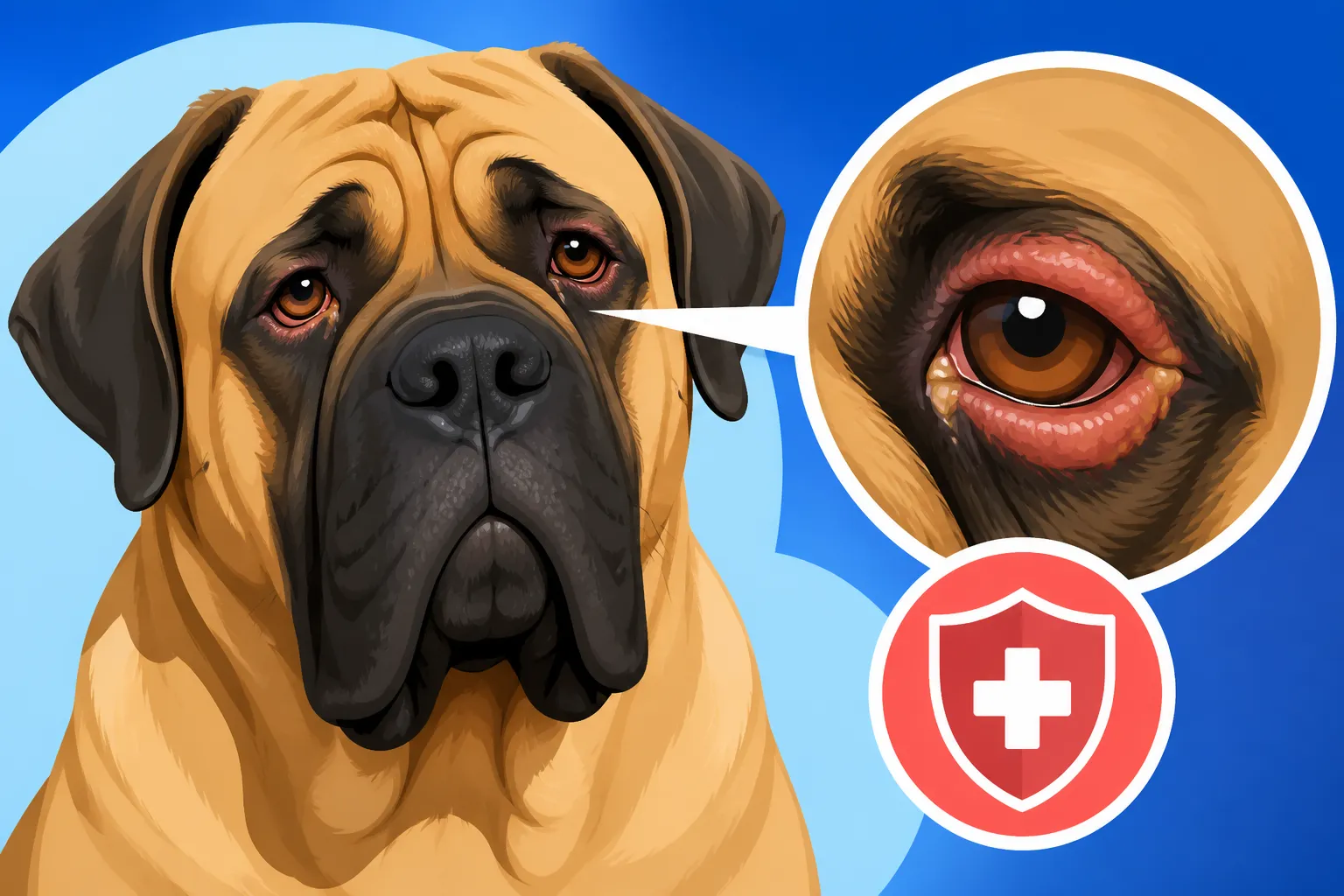
You might notice your Mastiff squinting a lot, especially in bright light, or their eyes might be constantly watery due to the irritation. There could be a thick, mucous-like discharge, and the eye itself might appear red and inflamed. Sometimes, you can actually see the eyelid margin folded in, and the hair that should be pointing outwards is pressing against the globe of the eye. This can be particularly prevalent in Mastiff puppies as their head grows, and their facial skin develops. A responsible breeder will often conduct a Why a Mastiff Litter Needs an Eye Exam early on to detect such issues.
The primary treatment for entropion is typically surgical correction, a procedure called blepharoplasty, which involves removing a small section of skin from the affected eyelid to pull it into the correct position. This might sound daunting for a Mastiff, especially considering Why Anesthesia Is Riskier in a Mastiff, but it’s often a necessary surgery to relieve chronic pain and prevent permanent damage. Temporary tacking sutures can sometimes be used in puppies to help the eyelid grow into a more natural position, but permanent surgery is often required once they reach their adult size.
Ectropion: The Outward Sagging Eyelid
On the flip side of entropion, we have ectropion, where the eyelid sags or rolls outward, exposing the delicate conjunctiva and the inner surface of the eyelid. While it might look less immediately painful than entropion, ectropion leaves the eye vulnerable. The exposed conjunctiva dries out, becomes irritated, and is far more susceptible to foreign bodies like dust, dirt, and bacteria. This can lead to chronic conjunctivitis, dry eye, and discomfort.
You'll often spot ectropion by the visible "red" of the lower eyelid, which appears droopy and saggy. Your Mastiff might have persistent discharge, but unlike entropion, it's often watery and clear, though it can become thick and infected if bacteria get in. It's like having a perpetually open window to their eye, constantly exposed to the elements. While mild ectropion might not require surgery, especially if it's not causing significant problems, severe cases will often benefit from surgical correction to tighten the eyelid and restore its protective function. This is especially important if it leads to chronic infections or damage.
For both entropion and ectropion, finding a veterinary ophthalmologist who is experienced with giant breeds like Mastiffs is crucial. Their expertise in diagnosing the specific anatomical issues and performing the delicate surgery on such a large, sensitive patient is invaluable.
Cherry Eye: Prolapsed Gland of the Third Eyelid
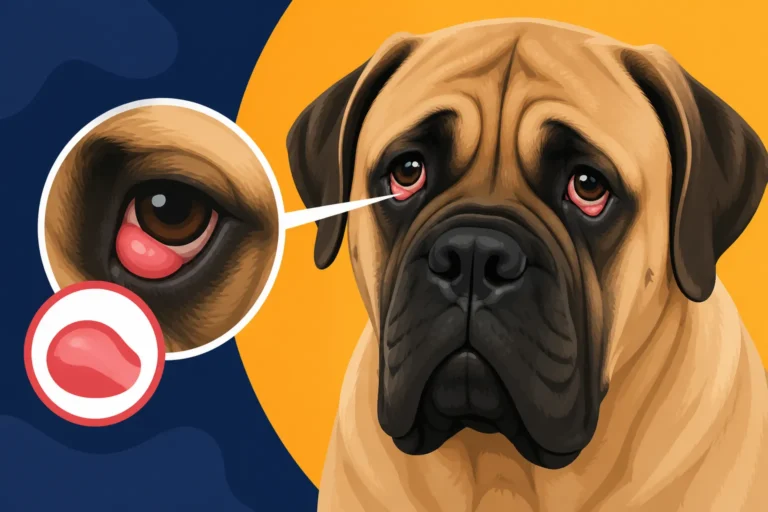
"Cherry eye" is another common, and quite alarming, eyelid condition often seen in Mastiffs. It occurs when the gland of the third eyelid (also known as the nictitating membrane), which is located in the inner corner of the eye, prolapses or "pops out," appearing as a red, swollen mass. It literally looks like a small, red cherry in the corner of your Mastiff's eye, hence the name. This gland is vital for tear production, contributing a significant portion of the eye's lubricating tears.
When this gland prolapses, it's not just unsightly; it stops functioning correctly, which can lead to dry eye over time. The exposed gland can also become inflamed, infected, and irritated. Owners often panic when they first see it, and rightly so, as it appears suddenly and can look quite painful. While it's not usually an emergency in the sense of immediate vision loss, prompt veterinary attention is important to prevent complications and restore comfort. You can find more specific details on Cherry Eye in a Mastiff.
The standard treatment for cherry eye involves surgically tucking the prolapsed gland back into its normal position within the third eyelid. It's crucial that the gland is tucked and not removed, as removing it can severely impair tear production and lead to lifelong dry eye (keratoconjunctivitis sicca), a much more challenging condition to manage. Recovery from this surgery usually involves anti-inflammatory medications and eye drops, and most Mastiffs make a full recovery, though sometimes a recurrence can happen, requiring a second procedure. Early intervention is key here to preserve the gland's function and prevent chronic issues.
Serious Ocular Diseases Affecting Mastiffs
Beyond the more common eyelid issues, Mastiffs can also be susceptible to several serious genetic and acquired ocular diseases that affect the internal structures of the eye, potentially leading to significant vision impairment or blindness.
Progressive Retinal Atrophy PRA
Progressive Retinal Atrophy, or PRA, is a devastating inherited disease that causes the gradual degeneration of the retina, leading to progressive vision loss and ultimately, blindness. In Mastiffs, there's a specific form of PRA known as Progressive Rod-Cone Degeneration (PRCD). This condition often starts with night blindness, as the rod cells (responsible for low-light vision) are affected first. Owners might notice their Mastiff bumping into furniture in dim light or being hesitant to navigate familiar spaces after dark.
As the disease progresses, daytime vision also deteriorates, and the dog eventually becomes completely blind. Unfortunately, there is no cure for PRA, and it's a condition that can manifest later in a Mastiff's life, often around 3-5 years of age or even later. This makes it particularly heartbreaking as owners might not suspect a genetic issue in an otherwise healthy, mature dog. The prevalence of this condition makes it paramount that potential Mastiff owners inquire about genetic testing. You can read more about How Common Progressive Retinal Atrophy Is in Mastiffs and The DNA Test That Finds Mastiff PRA when considering a puppy.
Responsible breeders are vigilant about screening their breeding stock for PRA using DNA tests. If a Mastiff is a carrier, or even affected, breeding decisions need to be made carefully to prevent passing the gene on. For an affected dog, management focuses on helping them adapt to their diminishing vision and eventually complete blindness, creating a safe and predictable home environment. While it's a tough diagnosis, many Mastiffs adjust remarkably well to blindness with the right support from their families.
Canine Multifocal Retinopathy CMR1
Canine Multifocal Retinopathy (CMR1) is another inherited retinal disease that affects Mastiffs. Unlike PRA, which is progressive and leads to blindness, CMR1 usually causes discrete, elevated retinal lesions that may appear as folds or bubbles in the retina. These lesions can cause some visual disturbance, but typically, CMR1 does not lead to complete blindness. The extent of vision impairment can vary, with some dogs showing minimal signs and others having more noticeable issues.
The good news is that for most Mastiffs, CMR1 is a relatively benign condition. The lesions tend to appear when the dog is young, often between 3 to 6 months of age, and their size and appearance can fluctuate over time. While the visual impact is generally mild, it's still an important condition for breeders to screen for, as it's an inherited genetic trait. Understanding What Canine Multifocal Retinopathy Does to a Mastiff is crucial for both breeders and owners to manage expectations and ensure proper care.
There's no specific treatment for CMR1 as the lesions themselves are not typically progressive or painful. The focus is usually on diagnosis and monitoring. If a Mastiff is diagnosed with CMR1, it’s important to remember that their quality of life is usually not significantly impacted, and they can live full, happy lives. However, ethical breeding practices dictate that dogs carrying the gene should be carefully considered in breeding programs to reduce its prevalence in the breed.
Cataracts and Glaucoma
Cataracts and glaucoma are two other significant ocular conditions that can affect Mastiffs, either due to genetics, age, or as a secondary complication of other eye diseases.
Cataracts involve the clouding of the eye's lens, which obstructs light from reaching the retina and causes blurry vision. They can range from small, non-vision-impairing opacities to dense clouds that lead to complete blindness. While cataracts can sometimes be an inherited condition (juvenile cataracts), they are more commonly seen as Mastiffs age, often around the time a Mastiff is reaching Caring for a Mastiff Past Five. They can also be a secondary complication of other diseases like diabetes. Symptoms include a bluish-grey haze over the pupil, and sometimes your dog might start bumping into objects. Early detection through regular Whether a Mastiff Should Have a Yearly Eye Exam is important. Surgical removal and replacement with an artificial lens is a viable option for many cataracts, restoring vision, but it's a specialized and costly procedure.
Glaucoma is a far more painful and urgent condition. It results from increased pressure within the eye, often due to improper drainage of the fluid inside the eye. This elevated pressure damages the optic nerve and retina, leading to rapid, irreversible blindness if not treated promptly. Glaucoma can be primary (inherited, more common in some breeds) or secondary to other eye conditions like inflammation or trauma. Symptoms are acute and severe: extreme pain, redness of the eye, a dilated pupil, cloudiness in the cornea (the clear front surface of the eye), and visible enlargement of the eyeball. This is an emergency, and immediate veterinary intervention is critical to try and preserve vision, though even with treatment, vision can often be lost. Mastiffs, like other large breeds, may have a predisposition to primary glaucoma, making genetic screening in some lines increasingly important.
Recognizing the Signs of Eye Trouble
As a Mastiff owner, you become accustomed to observing every nuance of your gentle giant. Being vigilant about their eye health is paramount, as early detection can often lead to more successful outcomes.
What to Look For During Daily Checks
Incorporating a quick eye check into your daily routine can make a huge difference. You don't need to be a vet, just an observant owner. Start by simply looking at their eyes. Are both eyes open equally wide? Is there any squinting, blinking excessively, or pawing at the face? Your Mastiff might use their sheer size to lean on you more often, trying to tell you something without a sound.
Next, examine the whites of their eyes (sclera). They should be white, perhaps with a few visible blood vessels, but not bright red or excessively inflamed. Look at the eyelids – do they sit flush against the eyeball, or are they rolling in (entropion) or out (ectropion)? Check the corners of the eyes for any discharge. A small amount of clear discharge, especially in the mornings, can be normal for Mastiffs due to their facial structure, but anything excessive, thick, colored (yellow, green), or crusty is a red flag. The fur around the eyes should also be dry; chronic wetness can indicate issues. Pay attention to the color and clarity of the cornea and pupils. Any cloudiness, haziness, or unusual colors could signal a problem. Also, note any changes in their behavior, like reluctance to go out in bright light or bumping into familiar objects at night, which could point to deeper retinal issues.
When to Seek Veterinary Attention
It's natural to hesitate, wondering if something is just a minor irritation that will resolve itself. However, with a Mastiff's eyes, it's almost always better to err on the side of caution. If you notice any of the following, pick up the phone and call your vet right away:
- Sudden onset of redness, pain, or squinting: This could indicate an ulcer, foreign body, or even acute glaucoma, which is a veterinary emergency.
- Thick, colored discharge: Yellow, green, or puss-like discharge often signals a bacterial infection.
- Visible changes to the eyelid structure: If an eyelid is suddenly rolling in or out more noticeably, or you see the distinct red "cherry" of a prolapsed gland, it's time for a vet visit.
- Cloudiness or haziness in the eye: This could be a cataract developing, glaucoma, or corneal damage.
- Changes in vision: Your Mastiff bumping into things, being disoriented, or suddenly hesitant to navigate stairs or new environments are serious signs. This is particularly concerning if it occurs in a mature dog; a condition like The Age a Mastiff's Vision Starts to Go should be on your radar.
- Swelling around the eye or face: This could indicate an infection, abscess, or allergic reaction.
Don't wait to see if it improves, especially with a large breed. The longer you delay, the more severe the condition can become, potentially leading to irreversible damage or unnecessary pain for your Mastiff. Your regular veterinarian is the first point of contact, and they can then refer you to a veterinary ophthalmologist if specialized care is needed. Pet insurance providers like Healthy Paws can be a lifesaver in these situations, helping to cover the costs of specialist consultations and treatments.
Diagnosis and Treatment Approaches
Once you've noticed something amiss with your Mastiff's eyes and decided to visit the vet, you'll embark on a journey of diagnosis and treatment. This often involves a thorough examination and may require specialized procedures.
Routine Eye Exams and Specialized Diagnostics
A standard veterinary examination will always include a general check of your Mastiff's eyes. However, if there's a specific concern, your vet will perform a more detailed ocular examination. This typically involves using an ophthalmoscope to look inside the eye, checking pupillary light reflexes, and possibly measuring tear production with a Schirmer tear test (especially if dry eye is suspected). They may also use a fluorescent stain to check for corneal ulcers, which will glow green under a special light if there’s a scratch or wound on the surface of the eye.
For more complex cases, or if a genetic condition is suspected, your vet may recommend a referral to a board-certified veterinary ophthalmologist. These specialists have advanced training and equipment, such as slit lamps, tonometers (to measure eye pressure for glaucoma), and even electroretinography (ERG) for diagnosing retinal diseases like PRA. They can often provide a definitive diagnosis for conditions that a general practitioner might not be equipped to fully assess. Given the potential for inherited eye issues, breeders often have their breeding Mastiffs regularly examined by ophthalmologists and participate in programs like the Canine Health Information Center (CHIC) to screen for hereditary eye conditions, providing valuable data for future generations.
Medical and Surgical Interventions
Treatment for Mastiff eye conditions can vary widely, from simple medical management to complex surgical procedures.
Medical interventions often involve eye drops or ointments. For infections, antibiotics or antifungals are prescribed. Anti-inflammatory drops help with irritation and swelling. Sometimes, lubricating drops are used for conditions like dry eye or after surgery. It's important to remember that administering eye drops to a large, sometimes stubborn Mastiff can be a challenge. Persistence, positive reinforcement, and a steady hand are key! If your Mastiff is prone to skin fold infections around the eyes, regular cleaning with vet-approved wipes might also be part of the medical management.
Surgical interventions are common for structural problems like entropion, ectropion, and cherry eye. These surgeries are delicate and aim to correct the anatomical defect. As mentioned before, for conditions like entropion, Whether a Mastiff Needs Eyelid Surgery is a common question. For cataracts, phacoemulsification (surgical removal of the cloudy lens) can restore sight. Glaucoma might be treated surgically if medical management fails, though these procedures are often aimed at managing pain rather than restoring lost vision. The sheer size of a Mastiff means that any surgery, especially those requiring general anesthesia, comes with increased considerations and costs. It's another area where comprehensive pet insurance like Healthy Paws can truly alleviate the financial burden. Post-operative care for eye surgeries often involves a strict regimen of eye drops, pain medication, and sometimes an Elizabethan collar (the dreaded "cone of shame") to prevent the Mastiff from pawing at their healing eye, which can be quite an endeavor with a giant breed.
Preventative Care and Ongoing Management
While some eye conditions are genetic and unavoidable, there's a lot you can do as a Mastiff owner to prevent secondary problems, manage existing conditions, and generally promote good eye health throughout your dog's life.
Daily Cleaning and Maintenance
Given their unique facial structure, daily cleaning of your Mastiff's eyes and surrounding skin folds is paramount. Those deep wrinkles can trap moisture, debris, and tear stains, creating an ideal environment for bacterial and yeast infections, which can then irritate the eyes. Use a soft, damp cloth or a vet-approved eye wipe to gently clean around the eyes, focusing on the folds and corners. Be sure to dry the area thoroughly afterward to prevent moisture from lingering.
It’s not just about aesthetics; it's about preventing infections that can become chronic and uncomfortable. If your Mastiff's eyes water constantly due to their conformation, keeping the area dry helps prevent painful skin irritation and infection. Establishing this routine from puppyhood makes it much easier to manage as your Mastiff grows into their imposing adult size. This regular care is especially important around the lower eyelids where droopiness can occur, making the area more susceptible to dirt and debris. This consistent attention is also essential for managing conditions like The Wrinkles and Folds a Mastiff Owner Cleans Every Week across their entire face.
Managing Genetic Risks Through Responsible Breeding
The best defense against inherited eye diseases like PRA and CMR1 is responsible breeding. Reputable Mastiff breeders are acutely aware of these genetic predispositions and actively work to reduce their incidence in the breed. This means performing genetic screening tests on their breeding stock to identify carriers and affected dogs. For conditions like PRA, knowing a dog's genetic status allows breeders to make informed decisions, ensuring that affected dogs are not bred, and carriers are only bred to clear mates.
When looking for a Mastiff puppy, don't be afraid to ask the breeder for proof of genetic testing for eye conditions, alongside other crucial health clearances like hip and elbow evaluations. A transparent breeder will happily provide these documents and explain their breeding philosophy. Choosing a puppy from health-tested parents significantly reduces the risk of your Mastiff developing these devastating, incurable conditions. This due diligence on the part of the breeder is fundamental to improving the long-term health and lifespan of the breed and prevents undue heartache for owners down the line. Whether a Mastiff With PRA Should Be Bred is a critical consideration for any ethical breeder.
Supporting Your Mastiff's Vision Health as They Age
As your Mastiff enters their golden years, typically around five years old, their vision may naturally start to decline, similar to humans. Regular veterinary check-ups become even more important, as early detection of conditions like age-related cataracts or glaucoma can lead to better management. Pay close attention to any subtle changes in their behavior that might indicate failing eyesight, such as increased caution when navigating familiar spaces, reluctance to go out at night, or bumping into furniture.
Diet can also play a role in supporting overall eye health. While no diet can prevent genetic diseases, ensuring your Mastiff receives a high-quality, balanced diet rich in antioxidants, Omega-3 fatty acids, and vitamins A, C, and E can support general ocular health and cellular integrity. Discuss specific supplements, such as fish oil, with your veterinarian. Maintaining a lean body weight is also crucial, as obesity puts unnecessary strain on joints and can contribute to other health issues that indirectly affect overall well-being. Keeping a Mastiff active and engaged mentally, even as their physical capabilities wane, contributes to their overall quality of life, whether or not their vision remains perfect.
Living with a Mastiff with Vision Impairment
Discovering your Mastiff is losing their sight can be a gut-wrenching experience. It's a natural fear for many owners, but it's important to remember that blindness doesn't have to mean the end of a happy, fulfilling life for your dog. Mastiffs are incredibly adaptable, and with your help, they can navigate their world with confidence.
Adapting Your Home Environment
The key to helping a blind or visually impaired Mastiff is consistency and safety. Your home becomes their sanctuary, and any sudden changes can cause anxiety and confusion.
- Maintain Consistency: Keep furniture in the same place. If you must move something, guide your Mastiff around it several times so they can remap their mental layout of the room. This consistency allows them to rely on their memory and other senses.
- Create Safe Zones: Ensure there are no sharp objects at their head height, especially important for a large dog. Pad corners of tables or furniture. Consider gates for stairs or hazardous areas to prevent falls. For a large dog, falling down stairs can cause significant injury.
- Use Scent and Sound Cues: Introduce different scents to mark important areas, like a specific essential oil (vet-approved and safe for dogs, like lavender) near their food bowl or bed. Use vocal cues consistently, like "step up" or "watch out," to warn them of obstacles or changes in elevation. Jingle bells on other pets can also help your Mastiff know where they are.
- Textural Changes: You might consider placing different textured rugs or mats at doorways or near their water bowl to provide tactile cues for navigation. This can help them understand where they are in a room or what to expect next.
- Outdoor Safety: If you have a yard, ensure it's securely fenced. Consider creating a consistent path or adding tactile markers (like small stones or mulch) along the perimeter to help them navigate safely. Always supervise your blind Mastiff outdoors, even in a familiar yard.
Remember that a blind Mastiff relies heavily on you. Your calm demeanor and consistent guidance will be their most important tools for navigating their world.
Maintaining Quality of Life
A visually impaired Mastiff can still enjoy a high quality of life with a few thoughtful adjustments. Don't let blindness lead to isolation; your Mastiff still craves interaction and engagement.
- Continue with Walks (Safely): Your Mastiff still needs mental and physical exercise, even if their walks are different. Use a sturdy harness and a short leash, always leading them and providing verbal cues. Allow them to sniff and explore; their nose becomes their primary way of experiencing the world. Choose quiet, familiar routes to minimize stress. Whether a Blind Mastiff Copes at Home depends heavily on the owner's commitment to these adjustments.
- Enrichment Through Other Senses: Focus on activities that engage their powerful sense of smell and hearing. Scent games, puzzle toys with treats, and chew toys are excellent. Talking to your Mastiff frequently, describing what's happening, can also be very reassuring. You might also consider toys that make noise to help them locate them.
- Consistent Routines: Stick to a predictable daily schedule for feeding, potty breaks, and playtime. This reduces anxiety and helps your Mastiff feel secure. A predictable routine provides comfort and stability.
- Physical Touch and Affection: Increase physical contact. Grooming sessions, gentle massages, and lots of cuddles can reassure your Mastiff and strengthen your bond. They rely on your touch more than ever.
- Introducing New Things: When bringing new people or pets into the home, introduce them slowly and calmly. Allow your Mastiff to sniff and explore new individuals at their own pace. Verbal reassurances are key. A gentle giant like a Mastiff can thrive beautifully even without sight, given patience and love. They will adapt, and you will learn to communicate with them in new, profound ways.
Disclaimer
This article is intended for informational purposes only and does not constitute veterinary advice. Always consult with a qualified veterinarian or veterinary ophthalmologist for any health concerns or before making any decisions about your Mastiff's care.