Whether a Mastiff Should Have a Yearly Eye Exam
Caring for a magnificent Mastiff often feels like a full-time job, and when it comes to their health, the sheer size of these gentle giants can make even routine concerns feel overwhelming. Many of us wonder if every check-up is truly necessary, especially for something as seemingly minor as their eyes. But neglecting ocular health can lead to significant discomfort and costly issues for your Mastiff down the line. This guide aims to clear up the confusion about whether your Mastiff truly needs a yearly eye exam and what such an examination actually involves.
Understanding Mastiff Eye Health and Common Issues
Mastiffs, with their distinctive noble heads and often generous facial folds, are truly unique dogs. However, these very features, which contribute to their iconic look, can also predispose them to certain eye health challenges that owners need to be aware of. It's not just about what you can see; a lot can be happening behind those soulful eyes.
The Unique Challenges of Mastiff Ocular Anatomy
The Mastiff's beautiful, sometimes heavily wrinkled face, and deep-set eyes are part of their charm, but they also create specific anatomical quirks that can lead to eye problems. The loose skin, particularly around their jowls and brow, can inadvertently affect eyelid position and tear drainage. This isn't just a cosmetic concern; it directly impacts the eye's delicate surface and overall health.
Conditions like entropion, where the eyelid rolls inward, causing eyelashes and hair to rub against the cornea, are sadly quite common in Mastiffs. Imagine having a constant irritant in your eye – it’s incredibly uncomfortable and can lead to ulcers, infections, and even vision loss if left untreated. Conversely, ectropion, where the eyelid rolls outward, can expose the eye to drying and environmental irritants. Many Mastiffs also experience what’s known as "cherry eye," a prolapse of the third eyelid gland, which can look alarming but is often treatable. These aren't just minor annoyances; they are genuine structural issues that require veterinary attention and often surgical correction to prevent chronic pain and more severe complications. You can learn more about specific conditions in our detailed post on "Eye and Eyelid Disease in a Mastiff".
Early Detection: Why It Matters for Giants
For a dog as large and stoic as a Mastiff, detecting issues early is paramount. They often hide discomfort incredibly well, a trait common in many breeds that were historically bred for protection or work. By the time you notice overt signs of pain or vision impairment in a Mastiff, the underlying condition might be quite advanced. This is particularly true for eye conditions, where subtle changes can quickly escalate.
Consider a condition like glaucoma, which causes painful pressure build-up within the eye. In its early stages, a Mastiff might only show very subtle signs – a slight squint, a bit of redness – which could easily be missed or dismissed as a minor irritation. However, glaucoma can progress rapidly, leading to irreversible blindness and severe pain in a matter of days if not caught and treated promptly. For a large dog, managing a painful, blind eye is not only distressing for the animal but also incredibly challenging and expensive for the owner. Early diagnosis through regular exams means treatment can begin before the condition becomes debilitating, preserving your Mastiff's comfort and quality of life for longer. What's more, catching issues early can sometimes mean less invasive and less costly treatments. Many pet insurance providers, such as Healthy Paws, offer robust coverage for unexpected illnesses and accidents, which can be a huge relief if your Mastiff suddenly develops an eye condition requiring specialized care.
The Importance of a Yearly Eye Exam for Mastiffs
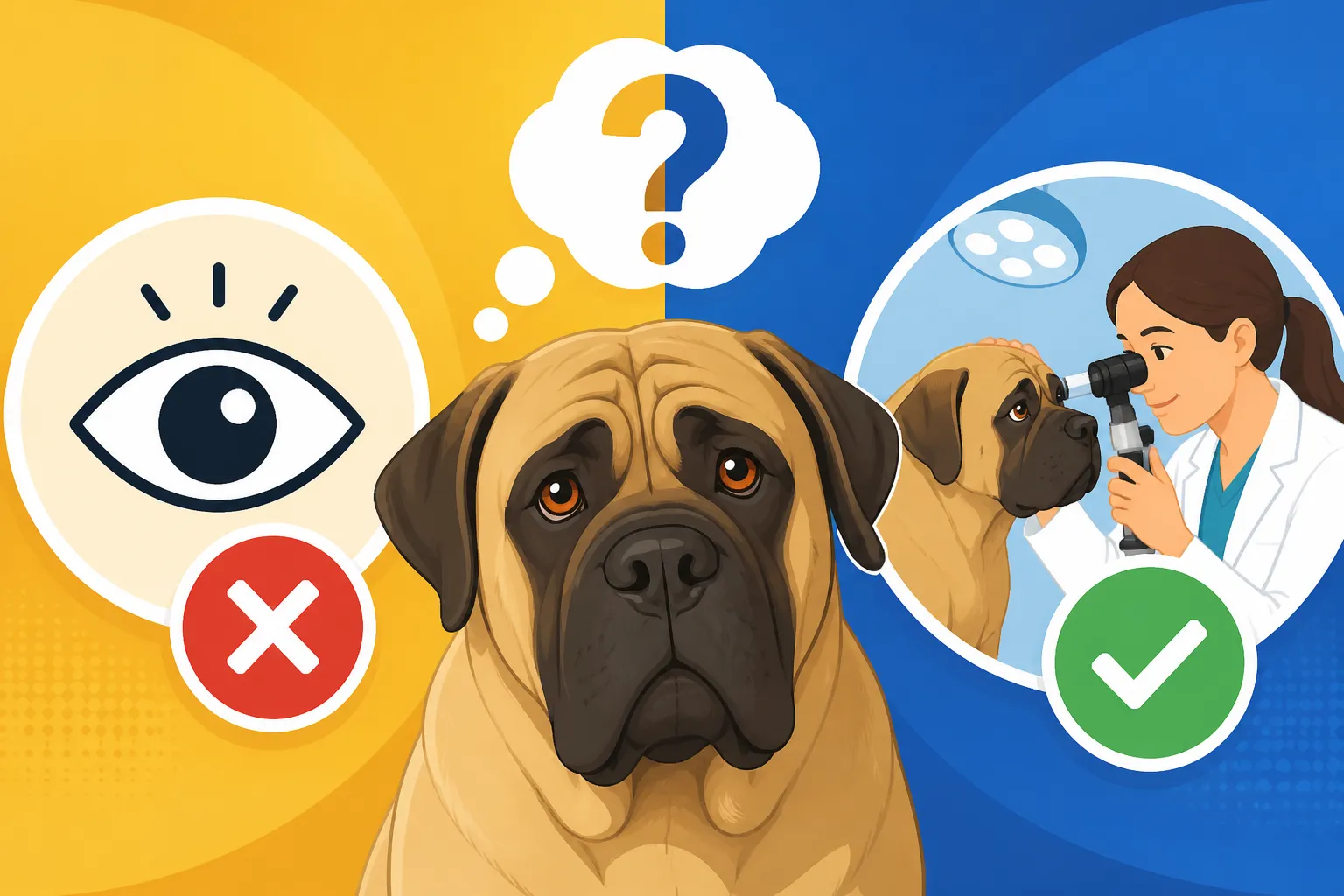
So, is a yearly eye exam truly necessary? For a Mastiff, the answer is a resounding yes. It's not just another vet bill; it's a proactive step in maintaining their quality of life and potentially saving their sight. These aren't just quick glances; they are thorough evaluations by professionals who understand the nuances of canine ocular health.
What a Routine Exam Entails
A routine eye exam for your Mastiff is far more comprehensive than you might imagine. It starts with a detailed visual inspection of the entire eye structure, including eyelids, eyelashes, and surrounding tissues, checking for any abnormalities like those related to "Entropion and Ectropion in a Mastiff". Your vet will use an ophthalmoscope to look deep into the eye, examining the retina, optic nerve, and lens for any signs of disease or degenerative changes. This is crucial for catching conditions like Progressive Retinal Atrophy (PRA) or cataracts.
The vet may also perform a Schirmer tear test to measure tear production, identifying potential dry eye, which is uncomfortable and can lead to corneal damage. Another common procedure is tonometry, which measures the pressure inside the eye. This quick and painless test is vital for screening for glaucoma, a condition that, as mentioned, can cause rapid, irreversible blindness. Fluorescein staining might be used to check for corneal abrasions or ulcers, highlighting any damage to the eye's surface. These tests, while routine, provide a wealth of information about your Mastiff's ocular health and form a baseline for future comparisons. It’s particularly important as your Mastiff starts getting older; "Caring for a Mastiff Past Five" often involves increased vigilance regarding these kinds of health checks.
Conditions Often Caught During Annual Checks
Many serious eye conditions can be asymptomatic in their early stages, making annual exams a critical tool for early diagnosis and intervention. Without these regular check-ups, conditions could worsen unnoticed until symptoms become severe and treatment options are limited or significantly more complex.
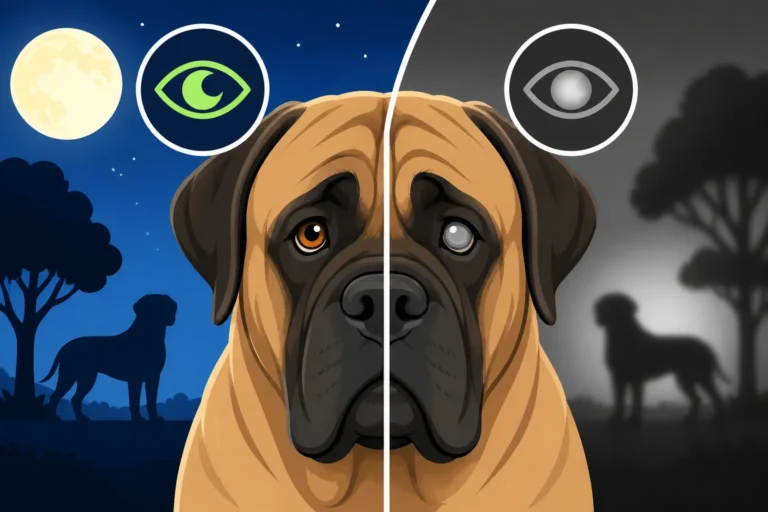
- Progressive Retinal Atrophy (PRA): This genetic condition causes the retina to degenerate over time, leading to blindness. Early signs are often subtle, such as "Whether a Mastiff Loses Night Vision First". A vet can often detect early changes in the retina long before you notice your Mastiff bumping into furniture. The DNA test for PRA in Mastiffs is available, and responsible breeders will screen for it, but regular check-ups complement genetic screening by identifying other potential issues. You can find more information in our post "The DNA Test That Finds Mastiff PRA".
- Cataracts: While often associated with old age, cataracts can also develop earlier due to genetics or underlying health conditions. An annual exam can catch cataracts when they are small and non-vision-impairing, allowing for monitoring or potential treatment discussions before they severely impact your Mastiff's sight. More on this can be found at "Whether a Mastiff Gets Cataracts".
- Glaucoma: As discussed, early detection is key here. Regular tonometry can flag elevated intraocular pressure, enabling prompt treatment to save vision and alleviate pain.
- Corneal Dystrophies and Ulcers: These can arise from injury, infection, or genetic predisposition. A vet can spot subtle corneal changes or persistent irritation that you might miss, preventing more serious ulcerations.
- Uveitis: Inflammation of the uvea (the middle layer of the eye) can be caused by various factors, including infections or autoimmune diseases. Left untreated, it can lead to glaucoma and other severe complications. An annual exam helps identify the subtle signs of inflammation.
A proactive approach with annual eye exams can save your Mastiff from unnecessary suffering and you from unexpected, high veterinary costs. Being prepared, perhaps with pet insurance like Healthy Paws, can make navigating these challenges a bit smoother when they inevitably arise.
| Eye Condition | Common Signs in Mastiffs | Potential Impact if Untreated | Detection Method in Exam |
|---|---|---|---|
| Entropion/Ectropion | Squinting, excessive tearing, redness, discharge, irritation | Corneal ulcers, chronic pain, infection, blindness | Visual inspection, eversion of eyelids, fluorescein stain |
| Cherry Eye | Red, swollen mass in the corner of the eye | Chronic dry eye, irritation, secondary infection | Visual inspection |
| Progressive Retinal Atrophy (PRA) | Night blindness progressing to total blindness, dilated pupils | Irreversible blindness, disorientation | Ophthalmoscopy (retinal examination), genetic testing |
| Cataracts | Cloudiness or opacity in the lens, reduced vision | Partial to total vision loss | Ophthalmoscopy (lens examination) |
| Glaucoma | Red eye, squinting, cloudy cornea, dilated pupil, vision loss | Severe pain, irreversible blindness, eye removal | Tonometry (intraocular pressure), ophthalmoscopy |
| Dry Eye (KCS) | Thick, stringy discharge, red eyes, frequent blinking | Corneal ulceration, scarring, vision impairment | Schirmer Tear Test |
Beyond the Annual Check-Up: What Owners Can Do
While professional yearly eye exams are non-negotiable for Mastiffs, your role as an observant owner is equally vital. You are your Mastiff's first line of defense, and knowing what to look for between vet visits can make all the difference.
Recognizing Warning Signs at Home
Your Mastiff communicates discomfort in subtle ways, and knowing what to watch for can alert you to a problem that needs immediate veterinary attention, rather than waiting for the next annual check. Here are some key warning signs:
- Redness or Inflammation: Any persistent redness in the whites of the eyes or along the eyelids is a red flag.
- Discharge: Clear, watery discharge can be normal, especially after a nap, but excessive tearing, thick yellow, green, or white discharge, or crusting around the eyes, indicates an issue.
- Squinting or Excessive Blinking: If your Mastiff is consistently squinting, blinking more than usual, or rubbing their eyes with a paw, they are likely experiencing pain or irritation.
- Cloudiness or Opacity: Any haze, cloudiness, or bluish tint to the cornea (the clear front surface of the eye) or within the pupil could indicate a serious problem like glaucoma or cataracts. For instance, "The Age a Mastiff's Vision Starts to Go" can sometimes be indicated by these changes.
- Bumping into Objects: If your Mastiff is suddenly hesitant to navigate familiar spaces, misjudging steps, or bumping into furniture, it could be a sign of vision impairment. This is especially noticeable in dim light if they're experiencing night blindness.
- Changes in Pupil Size or Symmetry: One pupil larger or smaller than the other, or pupils that don't react normally to light, are signs of neurological or ocular trouble.
- Swelling or Lumps: Any swelling around the eye, or a visible lump on the eyelid, needs to be checked by a vet. This could be a simple cyst or something more serious.
If you notice any of these symptoms, don't wait for the annual exam. Contact your veterinarian immediately. Early intervention is crucial, especially for conditions that can rapidly lead to irreversible damage.
Proactive Care and Prevention Tips
Beyond keen observation, there are steps you can take to proactively support your Mastiff's eye health and potentially prevent some common issues.
First and foremost, regular cleaning of your Mastiff's facial folds, especially those around the eyes and nose, is critical. The deep wrinkles can trap moisture, dirt, and bacteria, leading to skin fold dermatitis and potential irritation that can spread to the eyes. Using a soft, damp cloth or veterinarian-recommended wipes to gently clean these areas daily can prevent a lot of trouble. Make sure the folds are thoroughly dried afterward to prevent yeast or bacterial growth.
A high-quality, balanced diet also plays a foundational role in overall health, including eye health. While no food can prevent genetic conditions, good nutrition supports healthy immune function and tissue integrity. If you're concerned about genetic predispositions like Progressive Retinal Atrophy, discussing "Whether a Mastiff Puppy Can Be Tested Before Purchase" with your breeder is a responsible step.
Furthermore, ensure your Mastiff's environment is safe to prevent eye injuries. This means keeping hazardous objects out of reach and supervising them in areas with thorny bushes or sharp branches. Remember that even though a Mastiff is a giant breed, their eyes are still as delicate as any other dog's.
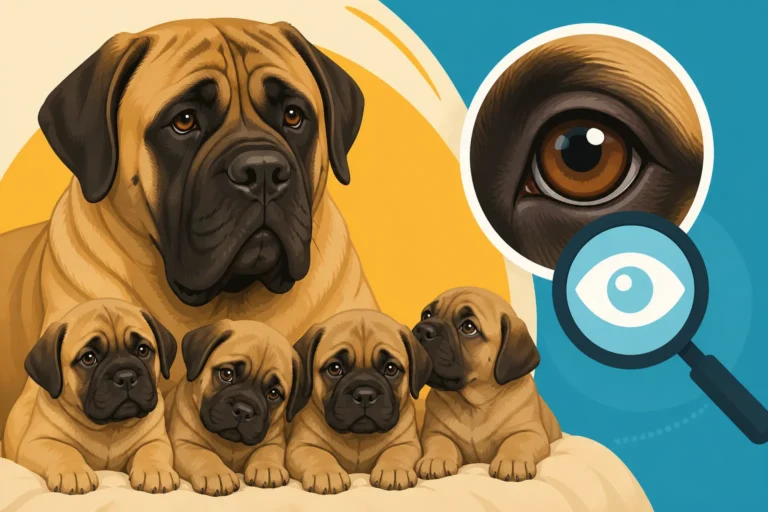
Lastly, work with your breeder to understand your Mastiff's genetic lineage. Many eye conditions have a genetic component, and a responsible breeder will perform "The Four CHIC Tests a Mastiff Breeder Must Clear", which includes an ophthalmologist evaluation by the OFA/CHIC program. They should also be transparent about the eye health history of their breeding lines. This knowledge can help you and your vet tailor a proactive health plan, recognizing that "Why a Mastiff Litter Needs an Eye Exam" is a crucial part of responsible breeding practices. And remember, having a good pet insurance policy, like those offered by Healthy Paws, can provide significant peace of mind when facing unexpected health challenges, including those related to eye care.
Disclaimer
This article is intended for informational purposes only and does not constitute veterinary advice. Always consult with a qualified veterinarian for any health concerns or before making any decisions about your Mastiff's medical care.