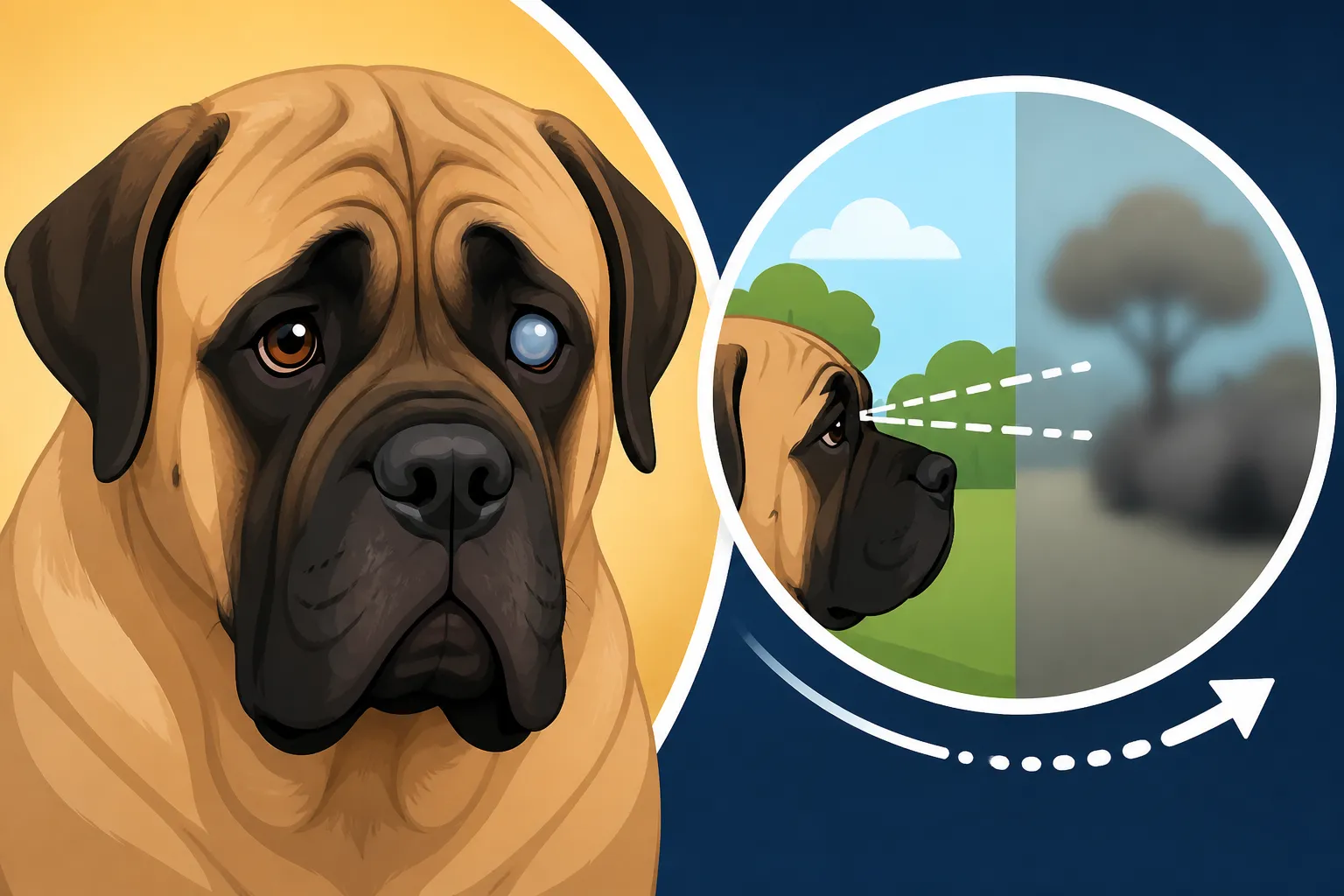
The Age a Mastiff’s Vision Starts to Go
Worrying about your beloved Mastiff's eyesight fading can be incredibly stressful, especially as they get older and those familiar signs of aging start to creep in. It's tough to watch such a grand, self-assured creature begin to navigate the world with less confidence. This guide is here to shed light on when you might expect changes in your Mastiff's vision, what specific conditions could be at play, and how you can best support them through any vision challenges, making sure they feel safe and loved every step of the way.
Understanding Age-Related Vision Changes in Mastiffs
Just like us, our big, loveable Mastiffs aren't immune to the effects of time, and their eyes are no exception. It’s natural to feel a pang of worry when you first notice that slight cloudiness in their gaze or a hesitation where there once was none. Understanding what’s normal and what signals a deeper issue is the first step in caring for their precious sight.
Natural Decline Versus Disease Onset
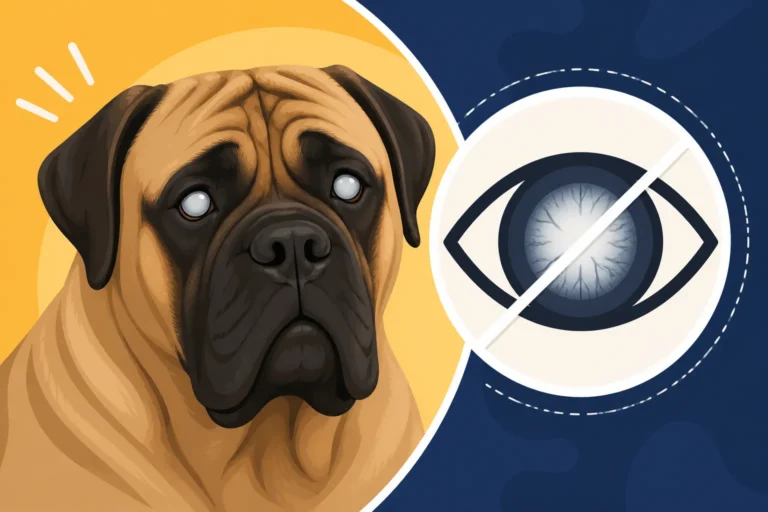
For many Mastiffs, just like older people, a common age-related change is something called nuclear sclerosis. This isn't a disease in the way you might think of it, but rather a natural hardening and clouding of the lens of the eye. It usually appears as a bluish-grey haze deep within the pupil, and while it might look alarming, it generally doesn't cause significant vision loss. Think of it like a mild pair of reading glasses – things might not be perfectly sharp, especially up close, but they can still see quite well. It’s often noticeable when your Mastiff reaches around 6 to 8 years old, sometimes even earlier, which is quite common given that Six to Ten Years Is What a Mastiff Gets.
It's absolutely crucial, however, to differentiate this normal aging process from actual eye diseases. While nuclear sclerosis is almost universal in senior dogs, dismissing any change in your Mastiff's vision as "just old age" without a vet's opinion could mean missing something serious. Mastiffs, with their specific breed predispositions and shorter lifespans, can sometimes develop more concerning conditions that require prompt attention. Always err on the side of caution and get any changes checked out.
When to Expect the First Signs
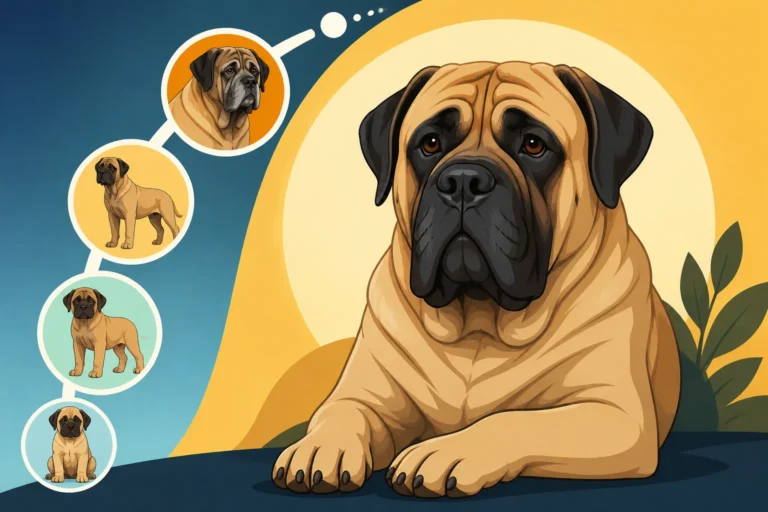
For many Mastiffs, the very first, subtle signs that their vision isn't quite what it used to be might start to emerge around the age of five or six. This is effectively middle age for a Mastiff, a time when their massive bodies begin to show the cumulative effects of supporting so much weight. You might notice them being a little more hesitant on stairs, especially when the light isn't great. Maybe they're a bit clumsier in unfamiliar places, or they take an extra moment to gauge a step off the curb. These aren't usually dramatic losses of sight but rather slow, gradual shifts that you might only pick up on because you know your dog so intimately.
It's vital to remember that every Mastiff is an individual, and their vision journey will be unique. Some might seem to have perfect 20/20 vision well into their golden years, while others might show these subtle signs of decline a little earlier. The key is observation and being attuned to their daily habits. Regular veterinary check-ups, which should always include a thorough eye exam, are your best friend here. They allow for early detection, giving you and your vet the best chance to intervene or make adjustments to keep your Mastiff comfortable and safe. You might consider learning more about Caring for a Mastiff Past Five to prepare for all the changes that come with age.
Common Genetic Eye Conditions Affecting Mastiff Vision
While age-related cloudiness is one thing, there are also specific genetic eye conditions that can unfortunately affect Mastiffs, some with much more profound impacts on their vision. It's a heavy topic, but being informed is the best way to be prepared and advocate for your Mastiff's health.
Progressive Retinal Atrophy PRA
Progressive Retinal Atrophy, often shortened to PRA, is a devastating hereditary disease where the light-sensitive cells in the retina at the back of the eye gradually break down and deteriorate. For our Mastiffs, this specific type of PRA is particularly concerning because it is, as its name suggests, progressive, meaning it will worsen over time. It's a genetic condition, and tragically, it almost always leads to total blindness. This is one of those conditions where knowledge really is power, especially for breeders.
The age at which PRA symptoms become noticeable in Mastiffs can vary. Some dogs might start showing signs as early as three to five years old, which feels far too young for such a profound change. For others, it might manifest later, around six to eight years. The very first symptom most owners report is a noticeable loss of night vision. Your Mastiff might become hesitant to go outside after dark, bump into things in dimly lit rooms, or struggle to navigate familiar spaces without good light. As the disease progresses, day vision also deteriorates, eventually leading to full blindness. If you're wondering Whether a Mastiff Goes Fully Blind From PRA, the answer is unfortunately yes. The speed at which this happens can vary, making it hard to predict How Fast a Mastiff Loses Its Sight, but often Whether a Mastiff Loses Night Vision First is a good indicator. Understanding How Dominant Inheritance Works in Mastiff PRA is crucial for mitigating this disease in the breed.
Since PRA is an inherited condition, responsible breeding practices are absolutely paramount in reducing its prevalence. This means that reputable breeders utilize DNA tests before breeding to identify carriers or affected individuals. If you’re considering a Mastiff puppy, asking about the parent's PRA status is essential. You can find more details about The DNA Test That Finds Mastiff PRA and why it's such an important tool for breeders and owners alike.
Canine Multifocal Retinopathy CMR1
Another genetic eye condition that sometimes surfaces in Mastiffs is Canine Multifocal Retinopathy, or CMR1. This condition is quite different from PRA, which can be a small relief for owners facing an eye diagnosis. CMR1 typically causes multiple small, raised folds or blister-like lesions on the retina. These lesions can impact vision, but thankfully, CMR1 rarely leads to the severe, debilitating blindness that PRA does. Dogs with CMR1 usually retain good functional vision throughout their lives, adapting well to any minor impairments.
CMR1 generally presents in much younger dogs, often becoming apparent when a Mastiff puppy is between three and six months of age. The lesions might be seen during a routine puppy eye exam. While the condition is present, the impact on vision is usually mild, and the disease is considered non-progressive or only very slowly progressive. This means that once the lesions develop, they typically don't worsen significantly over time. Understanding What Canine Multifocal Retinopathy Does to a Mastiff can help alleviate a lot of the initial fear and uncertainty that comes with a diagnosis. Genetic testing is available for CMR1, allowing responsible breeders to screen their dogs and make informed decisions to reduce its occurrence in the breed.
Recognizing the Subtle Signs of Vision Loss
It’s often the little things, those seemingly insignificant changes in behavior, that tip you off to vision problems in your Mastiff. Their immense size and usually calm demeanor can sometimes mask issues, making it even more important for you to be vigilant.
Behavioral Clues and Changes in Movement
One of the most common and often heartbreaking signs that your Mastiff is losing its vision is a change in its confidence and navigation. You might start noticing them bumping into furniture, even in a familiar home where they've known the layout their entire lives. A once-sure-footed Mastiff might hesitate at the top of a flight of stairs or refuse to jump into the car, a place they once loved, simply because they can't quite gauge the distance or height. These are often the first, subtle indicators, and they can be easy to dismiss as just being "stubborn" or "clumsy."
You might also observe them moving much more slowly, cautiously, or tentatively, especially when in a new environment or even just in a dimly lit room. They might startle more easily if you approach them unexpectedly from a side they can’t see, or if another pet runs up quickly. Their world is becoming less clear, and this can naturally lead to increased anxiety, clinginess, or even a noticeable loss of the bold, confident demeanor you've always associated with your Mastiff. Their reliance on scent and sound increases dramatically, so unexpected noises or movements can be particularly unsettling.
Physical Eye Indicators
Beyond behavioral shifts, there are definite physical indicators in your Mastiff's eyes that warrant your attention and a vet visit. As we discussed, a generalized cloudy appearance in the lens (nuclear sclerosis) is common with age. However, if that cloudiness becomes dense and opaque, or if it appears rapidly, it could be a sign of cataracts, which can significantly impair vision. Other red flags include changes in pupil size or reactivity to light – pupils that remain dilated even in bright light, for instance, are a concern.
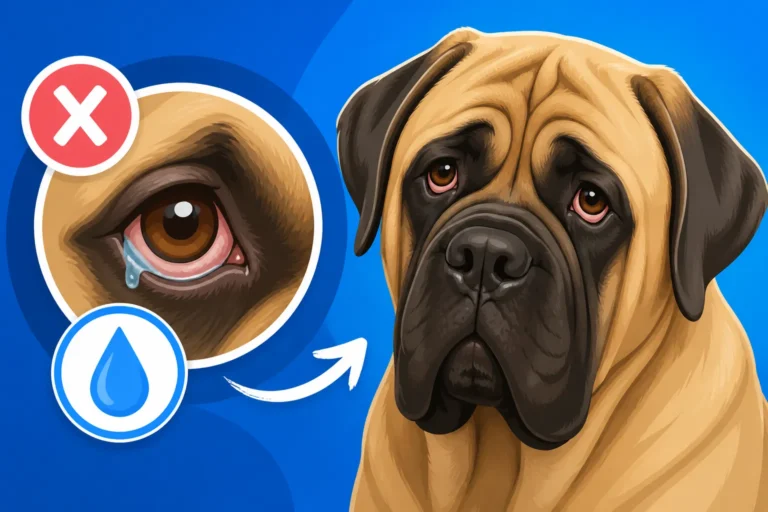
Also, be on the lookout for redness, excessive discharge, a difference in pupil size between the two eyes, or any signs of pain like squinting or pawing at the face. Sometimes, the eyes might even appear larger or more protruded than usual, which could signal a serious and painful condition like glaucoma. Glaucoma requires immediate veterinary attention as it can lead to permanent blindness very quickly. Any sudden changes in the appearance of the eye – or if you notice your Mastiff seems to be suffering from Eye and Eyelid Disease in a Mastiff – are definitely reasons to contact your veterinarian without delay.
Supporting a Mastiff with Declining Vision
Discovering your Mastiff is losing their sight can feel overwhelming, but these incredible dogs are remarkably adaptable. With your help and some thoughtful adjustments, they can continue to live full, happy lives. It's about becoming their eyes, their guide, and their unwavering comfort.
Adapting the Home Environment
The single most important thing you can do for a vision-impaired Mastiff is to maintain consistency in their home environment. This means absolutely no rearranging of furniture. If you must move something, do it slowly and introduce your Mastiff to the new layout carefully, guiding them around the obstacle. Using tactile or scent markers can be incredibly helpful. For example, place a distinct rug or a few drops of a specific essential oil (safe for dogs, of course) near their water bowl, food dish, or exit doors. This helps them orient themselves. Block off dangerous areas like stairs with sturdy baby gates until you can ensure they can navigate them safely, perhaps with a ramp or by being carried.
Consider adding low-level nightlights in hallways and rooms they frequent, as many dogs lose night vision first. For outdoor spaces, keep pathways clear and consistent, removing any trip hazards like garden tools or uneven flagstones. Remember, your Mastiff will begin to rely heavily on their other senses – smell, hearing, and touch – so a predictable and safe environment is paramount. A routine will become their new roadmap, and you are the trusted navigator.
Communication and Safety Protocols
When your Mastiff’s vision starts to go, your communication with them needs to adapt. Always speak to them first when approaching, especially if they've been asleep or haven't heard you coming. This prevents startling them, which can be disorienting and frightening for a dog who can't see you. Use clear, consistent verbal cues for direction, like "step up," "slow," or "wait." If you have other pets, consider putting a small bell on their collars so your Mastiff can hear them coming and avoid accidental collisions.
When you're out and about, always keep your visually impaired Mastiff on a leash. Their sheer size means they could easily wander into danger if they can't see where they're going. A sturdy harness, rather than just a collar, offers better control and support for their substantial weight. It's also a wise idea to ensure they wear identification tags with your contact information, and perhaps even a tag or vest that clearly states "Blind Dog" or "Visually Impaired." This can be a lifesaver if they ever get separated from you. Don't forget that regular veterinary visits are more important than ever, and having a good pet insurance plan from a provider like Healthy Paws can truly help manage the often significant costs of ongoing specialist care, diagnostics, and potential treatments for eye conditions.
Veterinary Care and Early Intervention
As Mastiff owners, we know that being proactive about health is part of the deal. When it comes to vision, early and consistent veterinary care can make a world of difference, not just in catching problems, but in giving your giant friend the best possible quality of life.
The Importance of Regular Eye Exams
Routine eye check-ups are not a luxury; they are a necessity for a Mastiff. A thorough veterinary eye exam can detect subtle changes and conditions like PRA, cataracts, or glaucoma long before they become outwardly obvious to you. Catching these issues early means you and your vet have more options for managing the condition, whether it's through medication, environmental adjustments, or in some cases, surgical intervention. For a breed as prone to certain health challenges as the Mastiff, early detection is often the key to maintaining their comfort and well-being. Services from providers like Healthy Paws can be incredibly helpful in making sure these crucial diagnostic tests and specialist consultations are accessible when you need them.
These regular exams aren't just for senior Mastiffs. Even puppies can be affected by congenital or early-onset genetic conditions like CMR1. Reputable breeders often provide documentation of recent eye exams for the parent dogs, and sometimes even a litter eye exam from a veterinary ophthalmologist. When you’re looking for a new Mastiff puppy, don't hesitate to ask Whether a Mastiff Puppy Can Be Tested Before Purchase for genetic eye diseases, and always inquire about the eye health history of the sire and dam. This diligence helps ensure you’re bringing home a puppy with the best possible start in life, including healthy eyes. Moreover, Whether a Mastiff Should Have a Yearly Eye Exam truly is a question with a clear answer: yes, absolutely.
Diagnostic Tools and Treatment Options
If your veterinarian suspects a serious eye condition based on their examination, they may recommend specialized diagnostic tests. For example, conditions like Progressive Retinal Atrophy (PRA) can be confirmed with an electroretinography (ERG) test, which measures the electrical responses of the retina to light. Genetic DNA tests are also available for many inherited eye diseases. For painful conditions like glaucoma, a tonometer is used to measure the pressure inside the eye. The cost for these specialized tests can be significant, but they are vital for accurate diagnosis and prognosis.
While there’s currently no cure for PRA that restores vision, an early diagnosis allows you to prepare and make necessary adjustments to your Mastiff's environment and routine, helping them adapt gracefully to their vision loss. For other conditions, treatments might be available. Severe cataracts, for instance, can sometimes be surgically removed by a veterinary ophthalmologist to restore sight. Glaucoma is a medical emergency and can often be managed with eye drops and other medications to reduce painful eye pressure, though it requires consistent, lifelong monitoring. Discuss all potential options with your vet and a specialist to formulate the best care plan for your Mastiff. Having pet insurance, like a policy from Healthy Paws, can be an immense relief, helping to cover a substantial portion of the costs associated with these specialized diagnostics, medications, and potential surgeries.
Breeding Responsibly to Reduce Eye Disease
For anyone invested in the future of the Mastiff breed, responsible breeding practices are the cornerstone of health. This includes a serious commitment to addressing hereditary eye diseases, which can cause so much heartache for owners and suffering for the dogs themselves.
The Role of Genetic Testing for Breeders
Responsible Mastiff breeders stand as the first line of defense against the proliferation of inherited eye diseases. They diligently utilize genetic testing for conditions like PRA to ensure they are not inadvertently passing on genes that could lead to blindness in future generations. A breeder's thorough understanding of how these genes are inherited, such as Why Mastiff Retinal Atrophy Needs Only One Copy of the Gene, is absolutely vital. This means knowing the difference between a clear dog, a carrier, and an affected dog, and making informed decisions based on those results.
Before any breeding takes place, both parent dogs should undergo comprehensive DNA tests. These tests can identify if a dog is genetically clear of a disease, a carrier (meaning they carry one copy of the problematic gene but are typically unaffected themselves), or affected (meaning they have two copies and will likely develop the disease). By only breeding clear dogs to clear dogs, or in certain situations, clear dogs to carefully selected carriers, breeders can significantly reduce the incidence of these devastating conditions within the Mastiff breed, giving puppies the best possible chance at a long, healthy life with intact vision.
Prioritizing Eye Health in Breeding Programs
Genetic testing is a powerful tool, but it's just one piece of the puzzle. Reputable Mastiff breeders go above and beyond by having their breeding dogs regularly examined by a board-certified veterinary ophthalmologist. These specialized eye exams, often registered with the Orthopedic Foundation for Animals (OFA) Eye Certification Registry (CAER), check for a much wider range of eye abnormalities and diseases, including those not currently covered by DNA tests, and even non-hereditary issues that could affect a dog's suitability for breeding. This comprehensive approach ensures that not only are genetic predispositions screened, but the overall health of the eyes is also thoroughly assessed.
When you are searching for a Mastiff puppy, do not be shy about asking to see documented health clearances for both parents. A transparent and ethical breeder will be more than happy to provide proof of OFA Eye Certification and DNA test results for relevant conditions like PRA and CMR1. This unwavering commitment to health, including the crucial aspect of vision, is a hallmark of a breeder who genuinely cares for the well-being and future of the Mastiff breed. It demonstrates their dedication to producing healthy puppies that will bring joy to their families for years to come.
| Vision Issue | Typical Onset Age (Mastiffs) | Key Symptoms | Prognosis (Generally) | Genetic Test Available? |
|---|---|---|---|---|
| Nuclear Sclerosis | 6-8 years (often earlier) | Cloudy lens (bluish-grey haze), mild vision impairment in dim light | Not blinding, normal age-related change | No |
| Progressive Retinal Atrophy (PRA) | 3-8 years | Night blindness first, then progressive day vision loss, eventual total blindness | Progressive, leads to permanent blindness | Yes |
| Canine Multifocal Retinopathy (CMR1) | 3-6 months | Retinal folds/lesions, usually mild or no significant vision impairment | Generally good, rarely causes severe blindness | Yes |
| Cataracts | Variable (can be genetic, age, or disease-related) | Dense, opaque cloudiness in lens, severe vision loss, can be blinding | Variable, surgery sometimes an option for vision restoration | Some genetic tests for specific types |
| Glaucoma | Variable (often middle-aged to senior) | Red, painful, enlarged eye; dilated pupil; sudden blindness; cloudy cornea | Urgent medical emergency, leads to blindness if untreated and can be painful | Limited genetic tests for primary types |
Disclaimer
Please remember that the information provided in this guide is for informational purposes only and does not constitute professional veterinary advice. Always consult with a qualified veterinarian or a board-certified veterinary ophthalmologist for any health concerns or before making any decisions about your Mastiff's care.