Why an Old Mastiff Cannot Get Up
It's a truly heartbreaking moment when you realize your beloved, giant Mastiff, once so majestic and powerful, is struggling to simply stand up. Their huge bodies, which once moved with an almost ponderous grace, now shake or give way, leaving them grounded. This guide isn't just about listing conditions; it's about understanding the specific challenges our gentle giants face as they age and offering practical, empathetic ways to help them maintain their dignity and comfort for as long as possible.
Understanding the Core Reasons for Mobility Loss in Older Mastiffs
Our Mastiffs, with their incredible size and powerful builds, are unfortunately prone to a unique set of challenges as they move into their golden years. What might be a minor ache for a smaller dog can become a monumental hurdle for a two-hundred-pound Mastiff simply trying to get off the floor. It's not just "getting old"; there are often specific, underlying reasons that contribute to their struggle.
The Silent Creep of Arthritis and Joint Degeneration
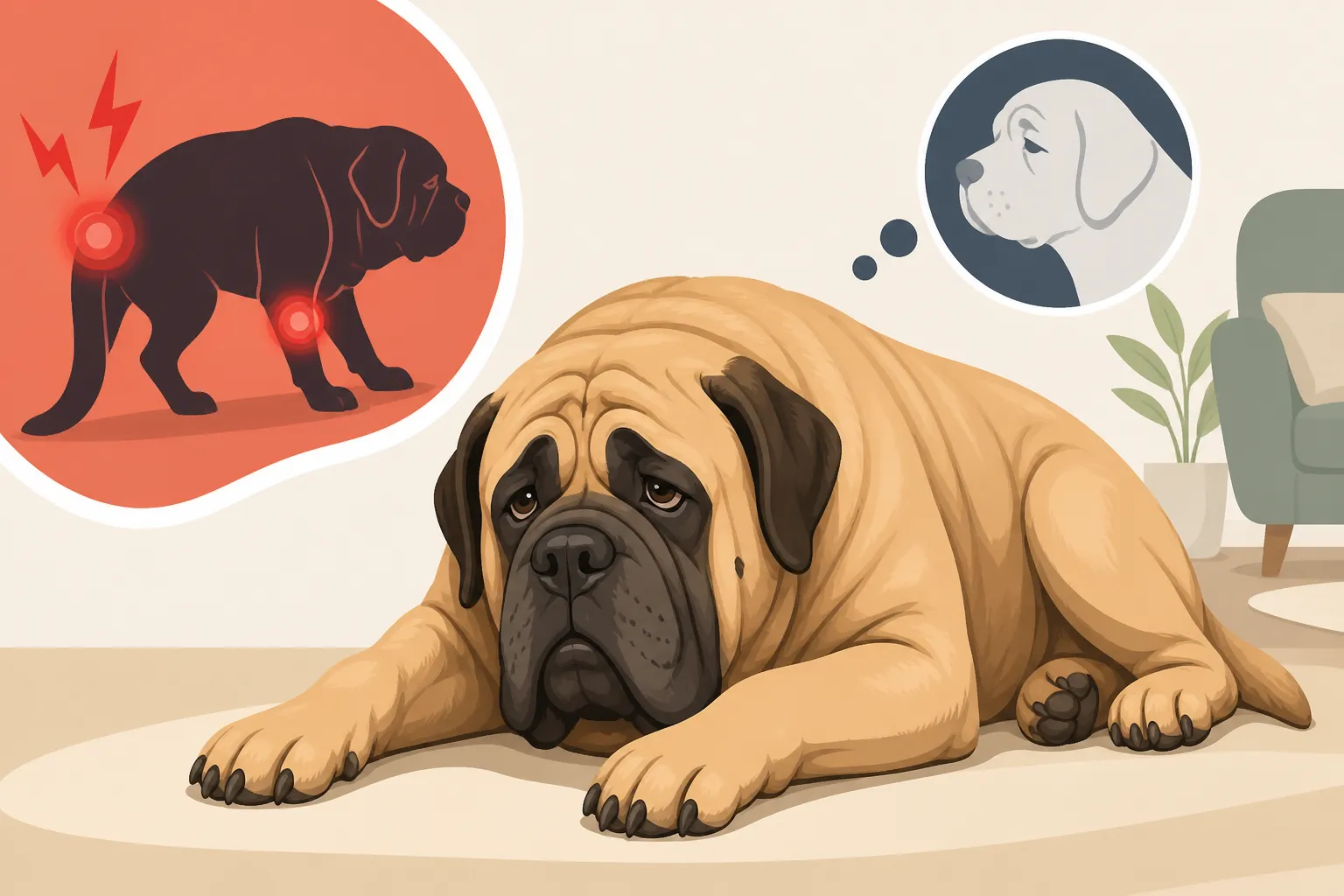
Arthritis, or osteoarthritis, is perhaps the most common culprit behind an older Mastiff's difficulty getting up. Imagine carrying around an extra hundred pounds or more on your joints your entire life; that's essentially what our Mastiffs do. Their immense size, while magnificent, puts incredible strain on their skeletal system, especially their hips, elbows, knees, and spine. Over years of use, the protective cartilage in these joints wears down, leading to bone-on-bone friction, inflammation, and pain.
This isn't a sudden onset; it's a gradual, insidious process. You might first notice your Mastiff is a little slower to rise after a nap, or perhaps hesitates before climbing a single step that they used to bound up. The stiffness often worsens in cold or damp weather, or after periods of inactivity. It's a cruel irony that the more pain they feel, the less they want to move, and the less they move, the stiffer and weaker their joints become. This creates a vicious cycle that can quickly degrade their quality of life. Owners often recount how their Mastiffs start "rocking" back and forth, trying to build momentum to stand, or pushing up with their front legs while their hindquarters lag, unable to support their bulk.
For a Mastiff, just lying down can become an issue if they settle in ways that put pressure on already compromised joints. Think about A Mastiff Lying Two Hundred Pounds on One Elbow All Day. This kind of sustained pressure, combined with degenerative changes, can lead to chronic pain and even pressure sores. Managing this pain is paramount, and early intervention can significantly improve their comfort and mobility for years.
Neurological Challenges Affecting Hind End Strength
Beyond structural joint problems, neurological conditions can also severely impact an old Mastiff's ability to get up and move. These conditions affect the communication pathways between the brain and the limbs, often leading to weakness, incoordination, or even paralysis in the hindquarters.
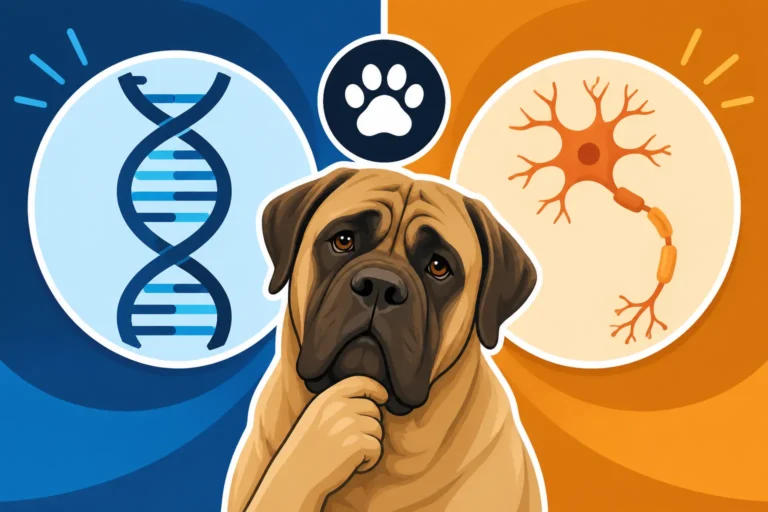
One of the most devastating neurological conditions we sometimes see in Mastiffs is Degenerative Myelopathy (DM). This is a progressive disease of the spinal cord that is comparable to ALS in humans. It starts with hind limb weakness and incoordination, leading to a scuffing gait, difficulty standing, and eventually paralysis. There is no cure for DM, and it typically progresses relentlessly. It's important for owners to understand What Degenerative Myelopathy Does to a Mastiff and The Age Degenerative Myelopathy Starts in a Mastiff so they can recognize early signs and prepare for its progression.
Other neurological issues, such as intervertebral disc disease (IVDD), can also cause sudden or gradual hind limb weakness. While IVDD is more common in breeds with long backs, even a Mastiff can suffer from a slipped or ruptured disc, which presses on the spinal cord. Wobbler Syndrome, affecting the cervical spine (neck), can cause uncoordinated gait, especially in the front limbs, but its impact on overall stability can make rising difficult. The challenge with neurological issues is that they can sometimes be misdiagnosed as purely orthopedic problems, delaying appropriate management.
Muscle Atrophy and General Weakness
Even if your Mastiff doesn't have severe arthritis or a specific neurological disease, the simple act of aging can lead to a significant loss of muscle mass, known as sarcopenia. This is a natural part of aging in all animals, but in a Mastiff, the consequences are profound. Their colossal weight requires immense muscle strength to stand, walk, and navigate. When those muscles begin to dwindle, every movement becomes a Herculean effort.
Imagine trying to lift a heavy box when your arms have become significantly weaker. That's what an old Mastiff feels like just trying to push themselves up from a lying position. Reduced activity due to any discomfort, however slight, further accelerates muscle loss. This creates another difficult cycle: pain leads to less movement, less movement leads to muscle atrophy, and muscle atrophy leads to even more difficulty moving, exasperating the original pain.
Furthermore, general systemic weakness can play a role. Older Mastiffs can suffer from various underlying health issues like heart disease, hypothyroidism, or even certain cancers that might manifest as lethargy and overall weakness. These conditions might not directly cause lameness but can contribute significantly to a Mastiff's inability to muster the strength required to get up. It’s a holistic picture, and every piece contributes to the overall puzzle of their declining mobility.
| Common Cause of Mobility Loss | Primary Symptoms | Key Characteristic |
|---|---|---|
| Osteoarthritis | Stiffness, limping, reluctance to move, difficulty rising | Gradual onset, worse after rest/cold, pain |
| Degenerative Myelopathy | Hind limb weakness, scuffing gait, incoordination, paralysis | Progressive, neurological, no pain (early stages) |
| Intervertebral Disc Disease (IVDD) | Pain, weakness, abnormal gait, paralysis (can be sudden) | Can be acute or gradual, spinal compression |
| Muscle Atrophy/General Weakness | Difficulty standing, trembling, lethargy, loss of muscle mass | Overall weakness, often secondary to inactivity/aging |
Identifying the Specific Signs and When to Seek Veterinary Help
Observing your Mastiff closely as they age is crucial. Our gentle giants are incredibly stoic, often hiding their discomfort until it becomes undeniable. Learning to spot the subtle clues can make a world of difference in getting them the help they need before their mobility severely declines.
Early Warning Signs and Subtle Changes
The first signs of mobility issues are rarely dramatic. You might notice your Mastiff just isn't quite as enthusiastic to greet you at the door, or perhaps they're taking a little longer to settle into a comfortable position. One of the most common early indicators is a noticeable stiffness, especially after resting or first waking up. They might stretch more frequently or exhibit a slightly altered gait, perhaps a subtle limp or a reluctance to put full weight on a particular leg. Climbing stairs might become a slow, deliberate act, or they might start refusing stairs altogether. If they used to jump onto furniture, they'll likely stop doing so.
Another telling sign is how they choose to lie down and get up. Instead of a smooth, fluid motion, they might perform a series of grunts or groans as they lower themselves, or they might push up with their front legs first, "doggy paddling" their back legs underneath them, before finally rising with a visible effort. You might even notice slight tremors in their hind legs as they try to stabilize themselves. These aren't just quirks of old age; they are often clear signals that your Mastiff is experiencing pain or weakness. Don't dismiss them – these are your Mastiff's quiet calls for help.
The Urgency of Sudden Collapse or Paralysis
While a gradual decline in mobility is common with aging, a sudden inability to get up or a sudden collapse is an emergency that demands immediate veterinary attention. This isn't just about an old dog having a "bad day"; it could indicate a serious and acute problem.
Causes for sudden collapse in a Mastiff can range from an acute injury (like a torn cruciate ligament or a severe muscle strain) to more critical internal issues. A sudden disc rupture in the spine could lead to paralysis. Cardiac events, like a sudden arrhythmia or even a stroke, can manifest as a sudden inability to stand. In some cases, a fast-growing tumor, particularly in the abdomen, can rupture and cause internal bleeding, leading to sudden weakness and collapse.
If your Mastiff suddenly cannot get up, or if they collapse and seem disoriented, in pain, or unable to bear weight, you need to contact your emergency veterinarian immediately. This isn't a situation where you "wait and see." Time can be critical in diagnosing and treating these acute conditions, especially in a breed as large and complex as a Mastiff. Getting them safely to the vet will be a challenge in itself, possibly requiring a stretcher or multiple people, but it’s a necessary step.
Diagnostic Tools and Procedures
Once you're at the vet, they'll perform a thorough physical and neurological examination. They'll look for signs of pain, assess reflexes, muscle tone, and proprioception (awareness of limb position). To pinpoint the cause, several diagnostic tools might be employed.
X-rays are often the first line of defense to visualize bone structure and major joints. They can reveal signs of osteoarthritis, hip or elbow dysplasia, or even bone tumors. However, the sheer size of a Mastiff can make getting good diagnostic X-rays challenging, sometimes requiring specialized large-animal equipment or multiple exposures. For more detailed imaging of soft tissues like discs or the spinal cord, or for diagnosing conditions like Degenerative Myelopathy, an MRI or CT scan might be recommended. These are often performed at specialty veterinary hospitals and usually require general anesthesia, which carries its own considerations for a large, older Mastiff, something worth discussing with your vet.
Blood tests are also crucial to rule out systemic illnesses that could contribute to weakness, such as anemia, thyroid issues (Hypothyroidism in a Mastiff), or kidney disease. In some cases, analysis of cerebrospinal fluid might be needed. The diagnostic journey can sometimes be extensive and costly, but it's essential for getting an accurate diagnosis so an effective treatment plan can be formulated. Pet insurance, like Healthy Paws, can be a real lifesaver when facing these kinds of diagnostic bills for your giant companion.
Managing and Supporting an Old Mastiff with Mobility Issues
Once you have a diagnosis, the focus shifts to management and support. While we can't reverse aging, we can significantly improve our Mastiff's comfort and quality of life. This often involves a multi-modal approach, combining medication, environmental adjustments, and physical therapy.
Pain Management and Anti-Inflammatory Therapies
Living with chronic pain is debilitating for anyone, including our dogs. Effective pain management is foundational to helping an old Mastiff regain some mobility and comfort. Your veterinarian will likely prescribe non-steroidal anti-inflammatory drugs (NSAIDs) to reduce pain and inflammation. These can be incredibly effective, but they do require regular monitoring of kidney and liver function, especially in older dogs.
Beyond NSAIDs, there's a whole arsenal of other treatments. Chondroprotectants like glucosamine, chondroitin, and MSM can help support joint cartilage. Many owners find success with additional supplements like green-lipped mussel extract or fish oil, known for their anti-inflammatory properties. You might want to review our guide on Joint Supplements for a Mastiff for more detailed information. For more severe pain, other medications such as gabapentin can be added. Beyond oral medications, many vets offer therapeutic laser treatments, acupuncture, or even regenerative therapies like Platelet-Rich Plasma (PRP) injections, all aimed at reducing pain and promoting healing in affected joints. The key is to work closely with your vet to find the right combination for your individual Mastiff.
Environmental Modifications and Assisted Mobility
Your home environment plays a huge role in an old Mastiff's mobility. Simple changes can make a profound difference. Start by addressing slippery floors. What Bare Floors Do to a Growing Mastiff is a concern from puppyhood, but it becomes critical for an aging Mastiff. Hardwood, tile, or laminate can be incredibly difficult for a dog with weak legs and compromised balance. Lay down runners, carpets, or yoga mats in high-traffic areas to provide Traction: Why a Mastiff Cannot Live on Bare Hardwood. Consider investing in paw pads or toe grips if your Mastiff struggles with grip on slick surfaces.
For getting up, a comfortable, supportive bed is non-negotiable. Forget flimsy dog beds; an old Mastiff needs substantial support. Think about How Thick a Bed a Mastiff Needs – we're talking about several inches of dense orthopedic foam that supports their massive frame and relieves pressure points. Ramps can be invaluable for getting into vehicles or navigating a few stairs. When it comes to assisting your Mastiff in standing or walking, a lifting harness, particularly one with handles under the belly and hindquarters, can be a godsend. These allow you to support their weight safely and effectively, preventing slips and falls for both of you. Learning Lifting an Old Mastiff That Cannot Get Up properly is essential to avoid injury to yourself and further distress for your Mastiff.
Physical Therapy and Maintaining Muscle Mass
Physical therapy is not just for humans; it's incredibly beneficial for older Mastiffs with mobility issues. A certified canine rehabilitation therapist can design a tailored program to strengthen muscles, improve range of motion, and enhance balance and coordination. This might include therapeutic exercises, hydrotherapy (swimming or underwater treadmill), therapeutic massage, and stretching.
Even if professional physical therapy isn't accessible, you can do a lot at home. Gentle, controlled walks on soft, even surfaces can help maintain muscle mass without overstraining joints. Range-of-motion exercises, where you gently move your Mastiff's joints through their natural range, can prevent stiffness. Remember, the goal is not intense exercise, but consistent, low-impact activity. For some Mastiffs, controlled swimming can be excellent low-impact exercise, helping to build muscle without stressing joints. However, consider if Whether a Mastiff Should Swim for Its Joints is suitable, as some larger dogs struggle with swimming due to their body mass. Always supervise closely and use a life vest. The key is to keep them moving within their comfort zone, preventing further atrophy and promoting circulation.
Nutritional Support and Weight Management
Nutrition plays a vital role in supporting an aging Mastiff. The single most impactful thing you can do nutritionally is to ensure your Mastiff stays at a healthy, lean weight. Every extra pound puts additional strain on already compromised joints. Even a slight reduction in weight can make a significant difference in their comfort and mobility. Our guide on Keeping a Mastiff Lean on Purpose outlines the importance of maintaining a healthy body condition.
Your vet might recommend a diet specifically formulated for senior dogs or those with joint issues. These diets often have controlled calorie levels to prevent weight gain, higher levels of omega-3 fatty acids for their anti-inflammatory benefits, and added joint-supporting nutrients like glucosamine and chondroitin. You can also supplement their diet with omega-3 fatty acids from fish oil. As your Mastiff ages, their nutritional needs change, and What Changes in an Old Mastiff's Bowl should be a discussion you have with your veterinarian.
It's also important to ensure they are getting enough high-quality protein to support muscle maintenance, especially if they are losing muscle mass. However, always consult your vet before making significant dietary changes or adding supplements, as some can interact with medications or exacerbate existing health conditions. Planning ahead for these ongoing costs, from special diets to supplements and vet visits, is where pet insurance like Healthy Paws can truly provide peace of mind, helping you afford the best care for your aging companion without the financial stress.
The Emotional Toll and Making Difficult Decisions
Caring for an old Mastiff with declining mobility is not just physically demanding; it's emotionally taxing. Watching a beloved family member struggle can be heartbreaking, and eventually, we face the most difficult decision an owner can make.
Recognizing Quality of Life
One of the hardest aspects is honestly assessing your Mastiff's quality of life. This isn't about your ability to cope, but about their experience. Consider these questions:
- Is your Mastiff in constant pain, despite medication?
- Do they still enjoy their favorite activities, even if modified (e.g., gentle pats, chewing a toy)?
- Are they able to eat and drink comfortably?
- Are they able to relieve themselves without significant struggle or accidents?
- Do they still show interest in their surroundings and interact with the family?
- Are they having more bad days than good days?
Mastiffs are incredibly resilient, but they also deserve comfort and dignity. Keeping a journal can help you objectively track good days versus bad days. Be honest with yourself and your veterinarian about what you're seeing. It's often helpful to discuss this with trusted friends or family who know your Mastiff well.
Navigating End-of-Life Care
As their mobility decreases further, the daily care intensifies. You might find yourself needing to help them stand for every potty break, cleaning up more accidents, and constantly adjusting their position to prevent pressure sores. This is exhausting, and it’s okay to acknowledge that.
When the time comes, making the decision for an old Mastiff to say goodbye is arguably the hardest part of pet ownership. It's a profound act of love to release them from suffering. Your veterinarian can help you navigate this painful process, discussing prognosis, palliative care options, and ultimately, humane euthanasia. They can provide guidance on what to expect, and many offer in-home euthanasia services, which can provide a peaceful, familiar setting for their final moments. Lean on your support system and veterinary team during this time. For the unexpected, comprehensive pet insurance plans, like those offered by Healthy Paws, can sometimes alleviate a portion of the financial burden associated with extensive end-of-life care or emergency situations, allowing you to focus on your Mastiff's comfort. Our guide on Making the Decision for an Old Mastiff offers more detailed advice during this incredibly difficult period.
Disclaimer
This article is for general informational purposes only and does not constitute professional advice. Laws, prices and regulations vary by location and change over time. Consult a qualified professional for guidance on your specific situation.