Why Mastiff Retinal Atrophy Needs Only One Copy of the Gene
It’s absolutely heartbreaking to learn your beloved Mastiff might be facing a serious health challenge, especially one that could impact their vision. The confusion and fear that comes with a diagnosis like Progressive Retinal Atrophy (PRA) are completely understandable, and it’s even more frustrating when the genetics behind it seem complicated. You’ve probably heard conflicting information about how this condition is inherited, but today, we’re going to untangle exactly why Mastiff Retinal Atrophy is particularly insidious because it only requires one copy of the faulty gene to manifest.
Understanding the Basics of Genetic Inheritance
When we talk about inherited conditions in our Mastiffs, we're diving into the fascinating, albeit sometimes perplexing, world of genetics. Every single characteristic your Mastiff possesses, from the majestic wrinkles on their brow to the way their body functions internally, is encoded in their DNA. This DNA is organized into genes, and each gene has two copies, one inherited from the mother and one from the father.
Genes, Alleles, and Chromosomes
Think of a gene as a recipe for a specific trait or function. Within that recipe, there can be different versions, like variations on a theme. These variations are called alleles. For example, a gene for eye color might have an allele for blue eyes and an allele for brown eyes. In our Mastiffs, these genes are located on chromosomes, which are tightly packed bundles of DNA found in the nucleus of every cell. Dogs, like humans, have pairs of chromosomes.
When a puppy is conceived, it receives one chromosome from each parent for every pair. This means it gets one allele for each gene from its mother and one from its father. The combination of these two alleles determines whether a particular trait or condition will be expressed. Sometimes, a single, problematic allele is all it takes to cause a significant issue, and that’s precisely what we see with certain forms of progressive retinal atrophy in Mastiffs.
Dominant Versus Recessive Traits
The terms "dominant" and "recessive" are crucial to understanding how genetic conditions play out. It boils down to which allele "wins" when two different versions are present.
- Dominant Traits: If an allele is dominant, it only needs one copy to express its trait. This means if a dog inherits even one dominant allele for a particular characteristic, that characteristic will show up. It doesn't matter what the other allele is; the dominant one takes precedence.
- Recessive Traits: For a recessive trait to be expressed, a dog must inherit two copies of the recessive allele – one from each parent. If they only get one recessive allele and one dominant allele, they won't show the trait, but they will be a "carrier" and can pass that recessive allele on to their offspring.
This distinction is absolutely vital when discussing something as serious as Mastiff Retinal Atrophy. When a condition is dominant, the game changes entirely for breeders and owners. It simplifies the inheritance pattern in one sense (you only need one copy), but it also means that the presence of even a single affected parent can have a profound impact on a litter, even if that parent only has one copy themselves. This is why understanding How Dominant Inheritance Works in Mastiff PRA is so important for every Mastiff enthusiast.
The Specifics of Mastiff Retinal Atrophy Inheritance
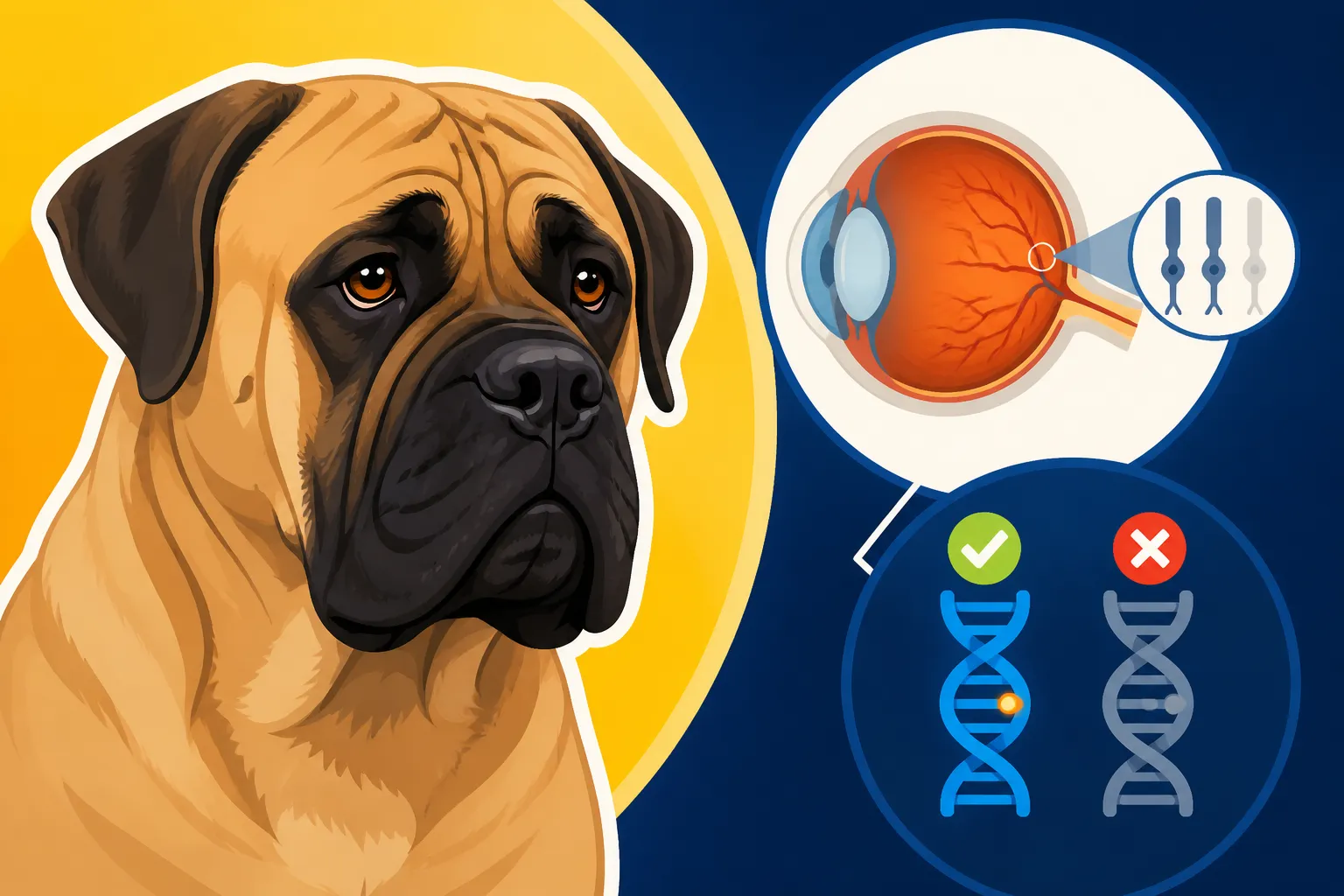
When we talk about Mastiff Retinal Atrophy, often referred to as PRA, it's not just a single disease, but rather a group of inherited eye disorders. However, the specific type that often concerns Mastiff owners and breeders follows a dominant inheritance pattern. This means the presence of just one copy of the problematic gene allele is enough to cause the condition, leading to progressive vision loss.
How One Copy Leads to Disease
Unlike many well-known genetic diseases that are recessive – where a dog needs two copies of the faulty gene to be affected – this form of PRA in Mastiffs operates on a dominant principle. Let's break down what that truly means for your big, beloved companion.
Imagine a single gene responsible for the health of your Mastiff's retina, that crucial light-sensitive tissue at the back of the eye. In a healthy dog, both copies of this gene would be working perfectly. But with dominant PRA, even if one parent passes on a faulty copy, and the other passes on a perfectly good copy, the faulty copy "dominates." It's like having one bad apple that spoils the whole bunch, even if there's a good apple right next to it. The abnormal protein or function caused by that single faulty allele is enough to disrupt the normal development or maintenance of the retinal cells, leading to their eventual degeneration. This is precisely Why One Affected Mastiff Parent Is Enough to produce affected puppies, highlighting the critical role of genetic screening in breeding programs.
Impact on Carriers and Affected Dogs
In dominant inheritance, the concept of a "carrier" as we typically understand it for recessive diseases is fundamentally different. For recessive conditions, a carrier has one copy of the faulty gene but doesn't show symptoms. They carry the gene without being affected.
However, with dominant Mastiff PRA, a dog that carries even one copy of the faulty gene is considered affected because that single copy will eventually lead to the disease. There isn't a state of being an asymptomatic carrier in the traditional sense. If a Mastiff has the gene, they will, at some point, develop the condition. The severity and age of onset might vary, but the trajectory towards vision loss is set. This directly addresses the common question of Whether a Mastiff Carrier of PRA Goes Blind Too – the answer is yes, they will, because in dominant inheritance, a carrier is an affected individual. This is a crucial distinction that often causes confusion and heartbreak for owners and can have a massive impact on breeding decisions and the welfare of puppies.
Breeding Implications and Genetic Testing
The dominant nature of Mastiff Retinal Atrophy fundamentally alters the approach to responsible breeding. It's not just about avoiding pairing two carriers; it's about ensuring at least one parent is completely free of the problematic gene.
Identifying Affected Parents
Because only one copy of the gene is needed for the condition to manifest, any Mastiff diagnosed with this form of PRA carries at least one copy of the dominant allele. If an affected Mastiff is bred, there's a high probability they will pass that faulty gene on to their offspring.
Consider a scenario where one parent is affected (meaning they have one faulty gene and one normal gene) and the other parent is completely clear (two normal genes). Each puppy from this pairing has a 50% chance of inheriting the faulty gene from the affected parent and thus developing PRA. This means half the litter could be destined for vision loss. If both parents are affected, the risks escalate even further, with potential for puppies to inherit two faulty copies, though the impact on severity isn't always double.
This stark reality underscores why genetic testing is not just recommended, but absolutely essential for any Mastiff considered for breeding. Reputable breeders understand the gravity of this and prioritize the health of future generations above all else. They will openly discuss their testing protocols and share results to ensure transparency and responsible practices.
The Role of DNA Testing in Prevention
Thankfully, advancements in veterinary genetics have provided us with powerful tools to combat diseases like Mastiff Retinal Atrophy. DNA tests can identify whether a Mastiff carries the dominant allele responsible for this condition, even before symptoms appear.
A simple cheek swab or blood sample can provide a definitive answer. This test is invaluable because it allows breeders to make informed decisions and prevent the propagation of the disease. By routinely screening all breeding stock, breeders can confidently select only those Mastiffs that are genetically clear of the dominant PRA allele. This helps to reduce the prevalence of the disease in the breed over time, working towards a healthier future for Mastiffs. This kind of proactive screening is an integral part of The DNA Test That Finds Mastiff PRA and forms a cornerstone of ethical breeding.
A good breeder will also provide proof of testing. Don't hesitate to ask for these results. You're making a lifelong commitment to a giant dog, and you deserve to know that your puppy has the best possible start. While these tests add to The CHIC Four Plus the DNA Stack Behind a Mastiff's Price, it's an investment in your puppy's future health.
| Genetic Status of Parents | Puppy Chance of Being Affected | Puppy Chance of Being Clear | Breeding Recommendation |
|---|---|---|---|
| Clear x Clear | 0% | 100% | Recommended |
| Affected x Clear | 50% | 50% | Not Recommended (Ethical concern) |
| Affected x Affected | 75% | 25% | Strongly Discouraged |
This table clearly illustrates the risks involved with dominant inheritance. As you can see, even one affected parent significantly increases the chances of affected puppies. This is why the question of Whether a Mastiff With PRA Should Be Bred is almost universally answered with a resounding "no" by responsible breeders and veterinary geneticists.
Recognizing Symptoms and Diagnosis
Even with the best breeding practices and genetic testing, some Mastiffs may still be affected by PRA, either because they came from less scrupulous breeders or because the genetic test wasn't available or understood at the time of breeding. Recognizing the signs early can help you manage the condition and provide the best possible quality of life for your Mastiff.
Subtle Early Signs of Vision Loss
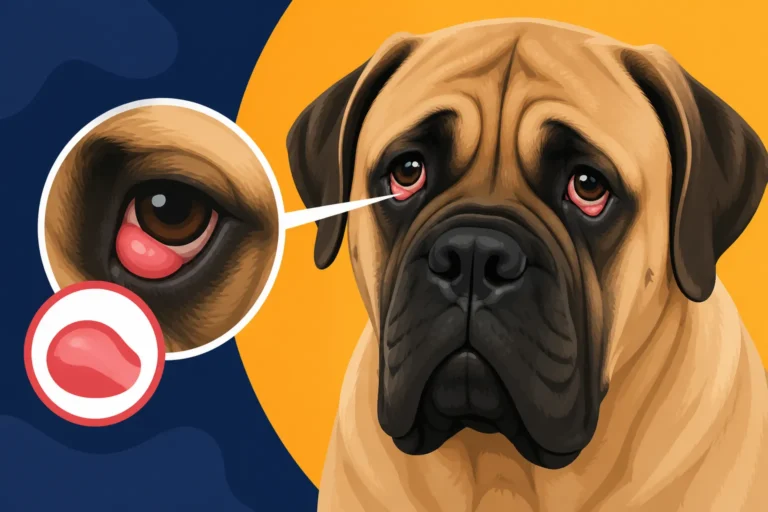
Progressive Retinal Atrophy, as its name suggests, is a condition that worsens over time. The early signs can be incredibly subtle, often starting with night blindness. Your Mastiff might begin to seem hesitant to navigate familiar spaces in dim light or darkness. They might bump into furniture they usually avoid, or become less confident on evening walks. You might notice them walking closer to walls or "hugging" corners.
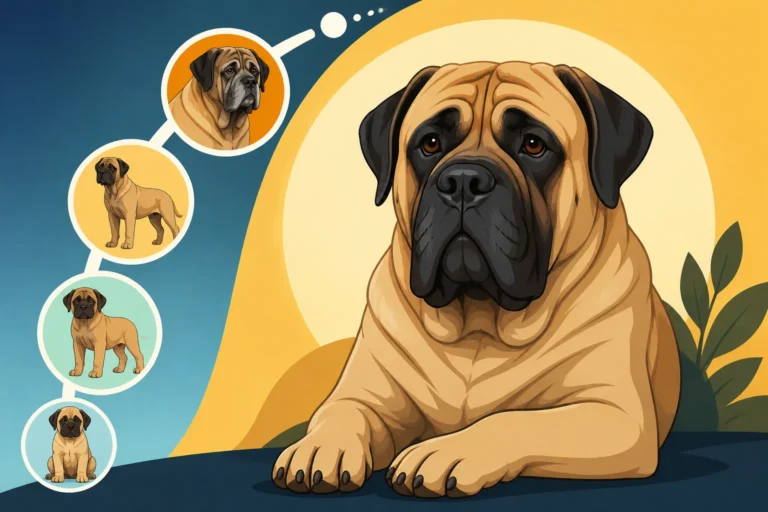
As the disease progresses, their daytime vision will also start to deteriorate. They might be easily startled by sudden movements, struggle to catch a toy, or have difficulty locating food or water bowls. Their pupils might appear more dilated than usual, especially in normal light, as their eyes try to gather more light to compensate for the failing retina. In some cases, the eyes might take on a reflective, "tapetal shine" as the retina thins. These changes are often gradual, making them easy to miss at first, especially in a breed known for its calm and deliberate nature. It’s important to remember that The Age a Mastiff's Vision Starts to Go can vary, but typically it manifests in adulthood.
Veterinary Diagnosis and Eye Examinations
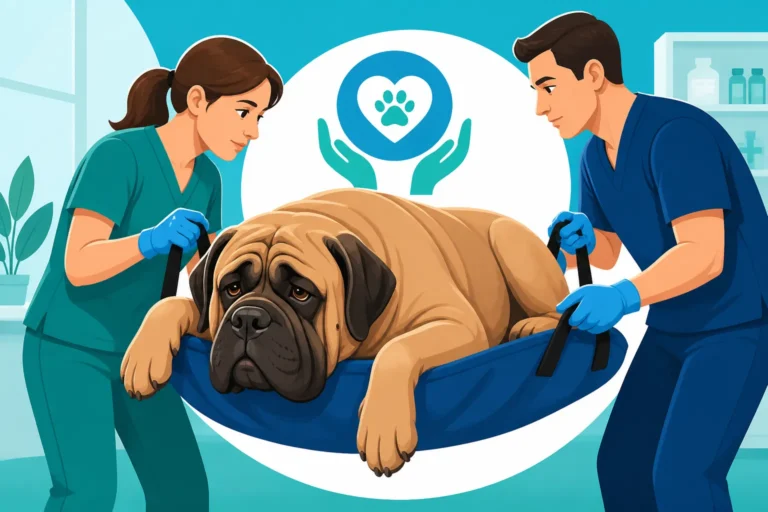
If you suspect your Mastiff is experiencing vision problems, the first step is always a visit to your veterinarian. They will perform a thorough general physical examination and a preliminary eye exam. However, for a definitive diagnosis of PRA, your vet will likely refer you to a veterinary ophthalmologist – a specialist in animal eye health.
A veterinary ophthalmologist has specialized equipment and expertise to examine the intricate structures of the eye. They will perform tests such as:
- Ophthalmoscopy: Using an ophthalmoscope to look at the back of the eye (retina and optic nerve). Early PRA might show subtle changes, while advanced cases will reveal significant retinal thinning and degeneration.
- Electroretinography (ERG): This is the gold standard for diagnosing PRA. It measures the electrical activity of the retinal cells in response to light. In dogs with PRA, the ERG will show reduced or absent electrical responses, indicating the retina is not functioning correctly.
- Genetic Testing: If a genetic test is available for the specific form of PRA suspected, this will confirm the presence of the faulty gene. This is often done in conjunction with the ERG to provide a comprehensive diagnosis.
Early and accurate diagnosis is crucial, not necessarily because there's a cure, but because it allows you to understand what's happening and make informed decisions about your Mastiff's care, environment, and future. It also provides valuable information for breeders to prevent future affected litters. This is why Whether a Mastiff Needs a Yearly Eye Exam becomes increasingly pertinent as they age, especially if there's any family history of PRA.
Living with an Affected Mastiff
Receiving a diagnosis of Progressive Retinal Atrophy can be devastating, but it’s crucial to remember that a Mastiff losing its sight can still lead a full and happy life with the right support and adjustments. Their sense of smell and hearing are incredibly keen, and they rely heavily on familiarity and routine.
Adapting Your Home Environment
The key to helping a blind or visually impaired Mastiff cope is to keep their environment consistent and safe. These majestic dogs thrive on routine and knowing their surroundings.
- Maintain Consistency: Avoid rearranging furniture or changing the layout of your home. Your Mastiff creates a mental map of their space, and sudden changes can cause anxiety, confusion, and even injury. If you must make a change, do it slowly and guide your dog repeatedly through the new layout until they’re comfortable.
- Safety First: Block off stairs with gates or use ramps where possible. Pad sharp corners on furniture. Ensure clear pathways throughout the house, free of clutter or tripping hazards. Use baby gates to cordon off dangerous areas like swimming pools or roads if you have an open yard.
- Scent and Sound Cues: Introduce consistent scent markers. For example, a dab of essential oil (dog-safe and diluted, like lavender or vanilla) near their water bowl or bed can help them locate these important areas. Use auditory cues, too. Jingling keys or a specific phrase before you enter a room can alert them to your presence. Some owners even use different textured mats at doorways to signal transitions between rooms.
- Designated Spaces: Keep food and water bowls, beds, and toys in the same designated spots. A good, orthopedic bed, like those from Big Barker, offers the support a Mastiff needs, and keeping it in one place provides a secure base.
- Outdoor Safety: If you have a yard, consider fencing it securely and creating a consistent path for them to navigate. Make sure outdoor hazards like thorny bushes or sharp garden tools are out of their way.
Making these adaptations can seem daunting, but your Mastiff's resilience and their deep bond with you will make the process rewarding. It’s truly amazing Whether a Blind Mastiff Copes at Home – they often adapt far better than we anticipate, relying on their other senses with incredible proficiency.
Supporting Their Emotional Well-being
Vision loss can be disorienting and frightening for a dog. Your emotional support and consistent reassurance are paramount to their well-being.
- Gentle Guidance: Always approach your Mastiff calmly and speak to them before touching them. A sudden touch from an unseen direction can startle them. Use verbal cues consistently: "step up," "watch out," "this way," "stop." Gently guide them with a hand on their flank or shoulder rather than pulling on their leash or collar.
- Familiarity and Routine: Stick to a predictable daily schedule for feeding, potty breaks, and playtime. This predictability helps reduce anxiety and builds their confidence in navigating their world.
- Safe Exploration: Continue to take them on walks, but perhaps stick to familiar, quiet routes initially. Allow them to sniff and explore their surroundings at their own pace. A harness is often preferred over a collar to provide better control without putting pressure on their neck.
- Enrichment Activities: Continue engaging their other senses. Scent work, puzzle toys that dispense treats, and auditory toys can provide mental stimulation and enjoyment. Interactive play using verbal cues can also be very fulfilling.
- Socialization: Don't isolate your Mastiff. Continue to introduce them to calm, gentle people and other dogs, always in a controlled and safe environment. Make sure others are aware of their vision impairment and know how to interact respectfully.
While dealing with the physical changes, remember to also monitor their mental and emotional state. Any sudden changes in behavior, appetite, or sleep patterns should be discussed with your vet. Consider pet insurance providers like Healthy Paws, who offer comprehensive coverage that can help offset the costs of specialist veterinary care, including diagnostics and ongoing support for conditions like PRA. This can provide immense peace of mind as you navigate your Mastiff's journey with vision loss.
Prevention and Responsible Breeding Practices
The best approach to dominant genetic conditions like Mastiff Retinal Atrophy is prevention through responsible breeding. While it requires diligence and commitment from breeders, the rewards are healthier puppies and a stronger breed.
Ethical Breeding Standards and Health Clearances
Responsible Mastiff breeders adhere to strict ethical guidelines, prioritizing the health and temperament of their dogs above all else. This means not just breeding for impressive size or conformation, but ensuring the genetic health of their lines.
For dominant PRA, this translates to rigorously testing all potential breeding stock for the gene marker. Any Mastiff identified as carrying the dominant allele for PRA should be removed from breeding programs, regardless of how desirable their other traits might be. This might sound harsh, but it's a necessary step to prevent passing on a debilitating condition to future generations.
Furthermore, reputable breeders will perform other essential health clearances, such as OFA certifications for hips and elbows, cardiac exams, and thyroid screenings. They understand that a holistic approach to health testing is vital for a breed like the Mastiff, which is prone to several serious inherited conditions. These comprehensive screenings ensure that puppies inherit the best possible genetic foundation. You can learn more about these crucial screenings in articles like The Four CHIC Tests a Mastiff Breeder Must Clear.
The Importance of Transparency and Buyer Education
A hallmark of a responsible breeder is their willingness to be transparent about their dogs' health and their breeding practices. They should be eager to share genetic test results, health clearances, and pedigrees with prospective puppy buyers. If a breeder is evasive or dismissive when asked about health testing, especially for conditions like PRA, it's a significant red flag.
As a potential puppy buyer, you have a crucial role to play in supporting ethical breeding. Educate yourself about the breed's common health issues, including dominant PRA. Ask detailed questions about the parents' health history and demand to see verifiable test results. Don't be swayed by low prices or convenience if it means compromising on health. A Mastiff puppy from health-tested parents may have a higher initial cost, but it's a worthwhile investment in the long-term health and well-being of your companion. This upfront cost also minimizes the need for extensive veterinary bills down the line, which can be astronomical for a giant breed. Organizations like Healthy Paws can help cover unexpected medical expenses, but prevention is always the best strategy.
Understanding the implications of dominant inheritance for conditions like Mastiff Retinal Atrophy is critical for the future of the breed. By supporting ethical breeders who prioritize genetic health and transparency, we can collectively work towards a future where this heartbreaking disease becomes a rarity rather than a concern. This collaborative effort is essential to ensure that Mastiffs continue to be the magnificent, healthy companions they are meant to be.
Common Misconceptions About Dominant PRA
Dealing with a diagnosis or understanding the genetics of Mastiff Retinal Atrophy can be overwhelming, and it's easy to fall prey to common misconceptions. Let's clear up some of the more persistent misunderstandings about this condition.
"It Will Skip a Generation"
One of the most enduring myths about inherited conditions, especially dominant ones, is the idea that they can "skip a generation." This is fundamentally incorrect for a truly dominant trait. If a Mastiff inherits a dominant faulty gene, they will be affected. They cannot carry the gene silently and pass it on without showing symptoms themselves, only for it to appear in their grandchildren.
The confusion often arises when there are variations in the expression of the gene – perhaps some dogs show symptoms later in life, or the onset is so gradual it's missed. However, the gene itself is present and active. If a dog has the dominant gene, they are affected. Period. This directly contradicts the notion Whether Mastiff PRA Skips a Generation, reinforcing why responsible genetic testing of all breeding animals is so critical. If a Mastiff is genetically clear, they cannot pass on the dominant faulty gene, and their offspring will also be clear.
"Only One Type of PRA Affects Mastiffs"
Progressive Retinal Atrophy is a blanket term for several different inherited eye disorders, each with its own genetic basis and inheritance pattern. While there is a specific dominant form of PRA that impacts Mastiffs, it's important not to assume that this is the only retinal issue they can face, or that all PRA in dogs operates the same way.
Some forms of PRA are recessive, requiring two copies of the gene to be affected. Other eye conditions, like What Canine Multifocal Retinopathy Does to a Mastiff, involve different genes and manifest differently. The key is to get a precise diagnosis from a veterinary ophthalmologist and, if genetic testing is available, to understand which specific gene is involved and its mode of inheritance. Assuming all forms of PRA are the same or that Mastiffs are only susceptible to one type can lead to misunderstandings about risks, testing, and breeding decisions. Always rely on specific, verifiable information from your veterinary professional and genetic testing labs.
"A Little Bit of Vision Loss Isn't a Big Deal for a Homebody Breed"
While it's true that Mastiffs are generally calm, home-loving dogs that adapt well to routine, dismissing vision loss as "not a big deal" is a disservice to your companion. Progressive vision loss can be incredibly stressful and disorienting for a dog, even one as laid-back as a Mastiff. Imagine navigating your own home if the lights slowly dimmed over months or years, or if you constantly bumped into things you used to see clearly. It can lead to anxiety, fear, and a significant reduction in their quality of life if not managed empathetically.
Furthermore, the progression of the disease can vary. While some Mastiffs might have a very gradual decline, others might experience a faster loss of sight. How Fast a Mastiff Loses Its Sight can be a major factor in how well they adapt. A Mastiff’s vision issues also impact their safety, both indoors and out. They are enormous animals, and even a slight misstep due to poor vision can lead to serious injury for themselves or for family members. Providing a safe, consistent environment and ongoing emotional support is paramount, demonstrating that proactive care and addressing vision loss seriously are crucial components of responsible Mastiff ownership.
The Future of Mastiff Health
The conversation around Mastiff Retinal Atrophy needing only one copy of the gene is a stark reminder of the responsibilities that come with breeding and owning these magnificent dogs. Understanding dominant inheritance is not just academic; it has real, tangible impacts on the health and welfare of every Mastiff puppy born.
Continuous Research and Genetic Advancements
The field of veterinary genetics is always evolving. Researchers are continually working to identify the genetic markers for various diseases, including new forms of PRA or other inherited conditions specific to breeds like the Mastiff. This ongoing research is critical because it gives breeders and owners more tools to make informed decisions.
Organizations dedicated to Mastiff health, often in partnership with veterinary schools and research institutions, fund studies aimed at understanding, preventing, and potentially treating these diseases. Supporting these efforts, whether through donations, participation in breed health surveys, or simply staying informed, helps pave the way for a healthier future. The more we learn about the Mastiff's unique genetic makeup, the better equipped we are to protect them. These advancements will hopefully help reduce How Common Progressive Retinal Atrophy Is in Mastiffs over time.
The Role of Responsible Ownership
Ultimately, every individual Mastiff owner plays a vital role in the future health of the breed. By choosing a puppy from a reputable breeder who conducts comprehensive health testing, including genetic screening for dominant PRA, you are directly supporting ethical practices.
Furthermore, being a vigilant and proactive owner means recognizing early signs of health issues, seeking prompt veterinary care, and reporting any diagnosed genetic conditions back to the breeder. This feedback loop is essential for breeders to monitor their lines and make continuous improvements. Even if you're considering adopting an adult Mastiff from a rescue, inquire about their history and any known health issues. Pet insurance options, such as those offered by Healthy Paws, can also be a lifeline, ensuring you can afford the best possible care for your Mastiff throughout their life, regardless of unexpected health challenges. By embracing responsible ownership, we ensure that the Mastiff breed continues to thrive, cherished for their gentle nature and robust health, for many generations to come.
Disclaimer
The information provided in this article is for general informational purposes only and is not a substitute for professional veterinary advice. Always consult with a qualified veterinarian or veterinary ophthalmologist for any health concerns or before making any decisions related to your Mastiff's health or treatment.