Why One Affected Mastiff Parent Is Enough
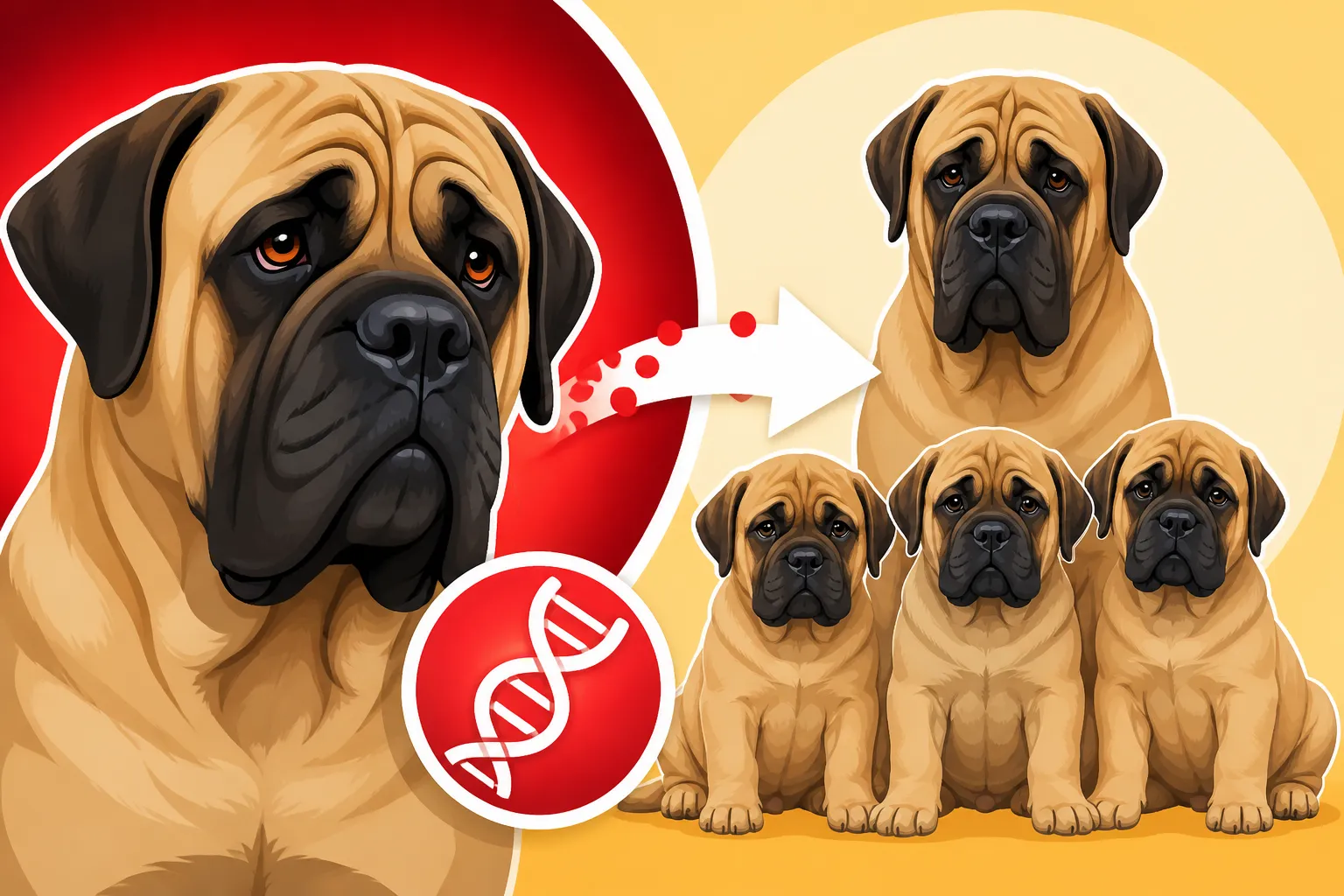
It’s a heart-wrenching moment for any Mastiff owner or prospective puppy parent to learn that a beloved dog, or even a promising breeding prospect, carries a gene for a serious health condition. What can be even more confusing and frustrating is when you discover that just one affected parent, rather than both, is enough to potentially pass that condition on to an entire litter. This guide is here to unravel the complexities of dominant genetic inheritance in Mastiffs, explain why a single affected parent makes such a profound difference, and help you understand the implications for your gentle giant.
Understanding Dominant Inheritance in Mastiffs
When we talk about genetic conditions in our Mastiffs, the terms "dominant" and "recessive" often get thrown around, sometimes without full explanation. For families just wanting a healthy companion, it can feel like trying to decipher a secret code. But understanding these basic principles is absolutely crucial, especially when dealing with a breed like the Mastiff that has its fair share of genetic predispositions.
The Basics of Genes and Alleles
Think of your Mastiff’s DNA as a massive instruction manual, a comprehensive blueprint for every single aspect of their being – from the tip of their tail to the wrinkle on their brow. This manual is made up of chapters called chromosomes, and within those chapters are individual paragraphs, or genes. Each gene carries instructions for a specific trait or function, like eye color, coat type, or even the proper development of their retina.
Now, here’s where it gets a little more nuanced: for most genes, your Mastiff actually has two copies, one inherited from their mother and one from their father. These copies aren't always identical; they can be slightly different versions, which we call alleles. Imagine two different fonts for the same paragraph – the message is still there, but the presentation is distinct. Some alleles carry instructions for a healthy trait, while others might carry instructions for a problematic one, like a predisposition to a disease. When we’re looking at a dog’s genetic makeup, we’re essentially examining these pairs of alleles to see what story they tell.
What "Dominant" Really Means
When a genetic condition is described as "dominant," it means that only one copy of the "problem" allele is needed for your Mastiff to express the condition. It doesn’t matter if the other allele in the pair is a "healthy" one; the dominant, problematic allele will simply overpower it. It's like having a very loud speaker in a room with a quieter one – you only hear the loud one.
This is a stark contrast to recessive conditions, where a dog typically needs two copies of the problematic allele (one from each parent) to show the disease. In recessive conditions, a dog with only one copy of the problematic allele is called a "carrier" – they don't show symptoms themselves but can pass the gene on. With dominant conditions, there's no such thing as an asymptomatic carrier in the traditional sense; if they have the dominant gene, they will likely be affected. This fundamental difference is why a single affected parent can have such a significant impact on offspring, potentially passing the condition directly down the family line with a high probability.
Progressive Retinal Atrophy PRA in Mastiffs: A Dominant Trait
One of the most concerning dominant conditions that can affect our beloved Mastiffs is Progressive Retinal Atrophy, often referred to simply as PRA. This isn't just a generic term; in Mastiffs, there's a specific form caused by a dominant gene, making it a condition where one affected parent is indeed enough to cause significant heartache.
How a Single Gene Copy Causes PRA
Imagine a scenario where one of your Mastiff's parents carries the dominant gene for PRA. This gene directly interferes with the normal development and function of the cells in the retina, the light-sensitive tissue at the back of the eye that's essential for vision. Because the gene is dominant, even if the other parent passed on a perfectly healthy gene for retinal development, that single dominant gene from one parent is enough to trigger the disease. There's no "hiding" the gene, and there's no protection from the healthy copy.
This means that a Mastiff inheriting just one copy of the PRA-causing allele from either its mother or father will develop the condition. The retina gradually degenerates, leading to progressive vision loss, often starting with night blindness and eventually leading to complete blindness. This understanding underscores why the phrase "Why Mastiff Retinal Atrophy Needs Only One Copy of the Gene" is so accurate and important for breeders and owners alike to grasp. It's not a matter of chance in the same way recessive genes are; if the dominant gene is present, the disease is almost certainly on its way.
The Unseen Impact of an Affected Parent
The challenge with dominant conditions like Mastiff PRA is that an affected parent doesn't necessarily have to be severely impacted themselves to pass the gene on. While the disease is progressive, the age at which a Mastiff's vision starts to go can vary. A dog might be a breeding age adult, seemingly healthy, and unknowingly pass on this devastating gene before exhibiting clear signs of vision impairment. This is why responsible breeding demands diligence and genetic testing, even for dogs that appear perfectly healthy.
Consider a beautiful, otherwise healthy Mastiff. If this dog carries one copy of the dominant PRA gene, every single one of its offspring has a 50% chance of inheriting that same problematic gene. This isn't a small risk; it's a coin toss for every puppy in the litter. This often leads to families welcoming a sweet, robust puppy into their home, only to later face the heartbreaking reality of their vision slowly fading. It's a cruel twist that a seemingly minor genetic factor in one parent can cast such a long shadow over the future of many puppies.
The Consequences for Breeding Programs
For anyone involved in breeding Mastiffs, understanding dominant inheritance isn't just academic; it's a moral and ethical imperative. The consequences of ignoring these genetic realities can be devastating, not just for individual dogs and their families, but for the breed as a whole.
Identifying Affected and Carrier Dogs
In the past, identifying genetic conditions was often a heartbreaking process of waiting for symptoms to appear. For dominant conditions, this meant a dog would actually have the disease before breeders knew to avoid breeding them. Thankfully, modern veterinary science, particularly genetic testing, has revolutionized this. Now, we have tools like the DNA test that finds Mastiff PRA. This simple, non-invasive test, usually involving a cheek swab, can definitively tell a breeder whether a Mastiff carries the dominant PRA gene before they are ever bred.
This proactive testing is vital. Since a Mastiff with even one copy of the dominant PRA gene will be affected and can pass it on, identifying these individuals is critical. Unlike recessive conditions where "carriers" don't show symptoms, a "carrier" of a dominant gene is an affected dog, even if their symptoms haven't fully manifested yet. Breeders aiming to protect the health of the breed will test their breeding stock for dominant conditions like PRA and make informed decisions based on those results.
Ethical Breeding Practices and Genetic Testing
Ethical breeding, particularly for giant breeds like Mastiffs, goes far beyond just temperament and conformation. It absolutely must include comprehensive health screening, and genetic testing for dominant conditions like PRA is at the top of that list. A breeder who truly prioritizes the health and longevity of their Mastiffs will not only test their dogs but will also be transparent about the results.
This means being able to show you documentation for the parents, ensuring they are clear of these debilitating conditions. The question of whether a Mastiff with PRA should be bred becomes unequivocally "no" when dealing with a dominant inheritance pattern. Even if the dog is an otherwise excellent specimen, the risk of passing on a debilitating genetic disease to 50% of its offspring is simply too high and irresponsible.
Moreover, the best breeders often pursue a range of health certifications, like those involved in the OFA (Orthopedic Foundation for Animals) and CHIC (Canine Health Information Center) programs. While these often focus on conditions like hip and elbow dysplasia, adding specific DNA tests for breed-relevant dominant conditions is essential. This is why conscientious breeders are increasingly considering which DNA tests a Mastiff breeder should add to their existing health protocols. It’s an investment, but one that safeguards the future of our gentle giants and the emotional well-being of their future families. Insurance providers like Healthy Paws, who understand the significant vet costs associated with complex health issues, underscore the financial importance of preventing these conditions through responsible breeding.
| Inheritance Pattern | Copies of Gene for Disease | Clinical Signs | Can They Pass it On? | Breeding Recommendation |
|---|---|---|---|---|
| Dominant | 1 or 2 | Yes | Yes (50-100% chance) | Do Not Breed |
| Recessive | 2 | Yes | Yes (50-100% chance) | Do Not Breed |
| Recessive Carrier | 1 (from one parent) | No | Yes (50% chance) | Breed to Clear Only |
Living with a Mastiff Affected by a Dominant Condition
Discovering your Mastiff has a dominant genetic condition, even if it's progressive and symptoms haven't fully appeared, can be an overwhelming experience. It shifts your focus from prevention to management, and it's okay to feel a mix of emotions – sadness, frustration, and perhaps even a touch of anger if you feel the situation could have been avoided.
Managing Health and Quality of Life
For conditions like PRA, managing the health and quality of life for your Mastiff centers around supporting their vision as it declines and adapting their environment to their changing needs. While there's no cure for PRA, understanding the progression is key. The Age a Mastiff's Vision Starts to Go can vary, but generally, it's a slow and gradual process. This gives you time to make adjustments.
This might involve keeping furniture in consistent locations, using scent markers or different textures on floors to help them navigate, and providing consistent vocal cues. Regular veterinary check-ups are still important to monitor their overall health and rule out any secondary eye infections or issues. It's also critical to discuss pain management and general well-being with your vet, especially as your Mastiff might become more cautious or anxious with vision loss. While the journey can be challenging, many Mastiffs adapt remarkably well to living with impaired vision, continuing to be loving companions.
It’s also crucial to consider the potential financial implications. Vet visits, special accommodations, and any other supportive care can add up. Having a robust pet insurance plan, like those offered by Healthy Paws, can provide immense peace of mind and help cover the costs of ongoing care, allowing you to focus on your Mastiff's well-being without constant financial stress.
The Emotional Toll on Owners
Let's be real: having a Mastiff with a chronic, progressive condition like PRA takes an emotional toll. You might grieve the "perfect" future you envisioned, worry constantly about their safety, or feel helpless as their vision fades. It’s a heavy burden, and it’s completely valid to feel these things. Remember, you’re not alone. Many Mastiff owners navigate similar challenges, and finding support through online forums, breed clubs, or local giant breed communities can be incredibly beneficial. Sharing experiences, tips, and simply knowing others understand can make a world of difference.
It's natural to wonder whether a Mastiff goes fully blind from PRA, and unfortunately, the answer is often yes. This can be devastating to witness, but it doesn't mean your Mastiff's quality of life is over. They rely on their other senses, and your consistent love and guidance become even more important. Focusing on their comfort, safety, and continued engagement in activities they enjoy, even if modified, is paramount. Your Mastiff feels your devotion, and that bond remains unbroken, regardless of their challenges.
The Broader Picture: Other Dominant Traits
While we've focused a lot on PRA due to its clear dominant inheritance in Mastiffs, it’s important to remember that dominant genes can play a role in other health aspects as well. The field of canine genetics is always evolving, and what we consider complex today might be better understood as a dominant or multi-gene interaction tomorrow.
Beyond PRA: Other Potential Dominant Issues
The world of canine genetics is complex, and while PRA is a well-known dominant issue in Mastiffs, other conditions might also involve dominant gene components or be influenced by them. For example, certain types of eye and eyelid disease in a Mastiff, while not always purely dominant, can have strong genetic predispositions that make them more likely to occur if a parent is affected. While not always directly dominant, conditions like entropion or ectropion can certainly run in lines, and if one parent consistently produces offspring with such issues, it points to a strong genetic influence that should be carefully considered by breeders.
It’s not always black and white, either. Some conditions can have complex inheritance patterns, where multiple genes interact, or where a dominant gene only expresses itself under certain environmental conditions. This is why a thorough understanding of a Mastiff's pedigree, coupled with diligent health testing, is always the most responsible approach to breeding and ownership.
The Importance of Comprehensive Health Clearances
Given the potential for dominant genetic conditions and the myriad of other health issues that can affect Mastiffs – from orthopedic problems like elbow dysplasia to cardiovascular concerns – comprehensive health clearances are not just a nice-to-have, they are a non-negotiable requirement for responsible breeding. The Canine Health Information Center (CHIC) program provides a fantastic framework for this, outlining recommended health screenings for specific breeds.
For Mastiffs, this typically includes OFA certifications for hips and elbows, cardiac exams, and eye certifications. Beyond these, specific DNA tests, like for PRA and Cystinuria Type III, are crucial additions. It’s truly about stacking the odds in favor of health for every single puppy. When considering a puppy, always ask to see the CHIC tests both Mastiff parents must clear, as well as any additional DNA screening results. This diligence helps ensure you're getting a puppy from parents who have been screened for the known genetic landmines of the breed, giving you the best possible start with your gentle giant. Remember, even with the most careful planning, unforeseen health issues can arise, making financial preparation, perhaps through a robust pet insurance plan from a provider like Healthy Paws, a wise decision for any Mastiff owner.
Disclaimer
This article is intended for informational purposes only and does not constitute veterinary advice. Always consult with a qualified veterinarian for any health concerns or before making any decisions about your Mastiff's care, diet, or treatment. Genetic information can be complex, and a veterinarian or canine geneticist can provide the most accurate and personalized guidance for your specific situation.