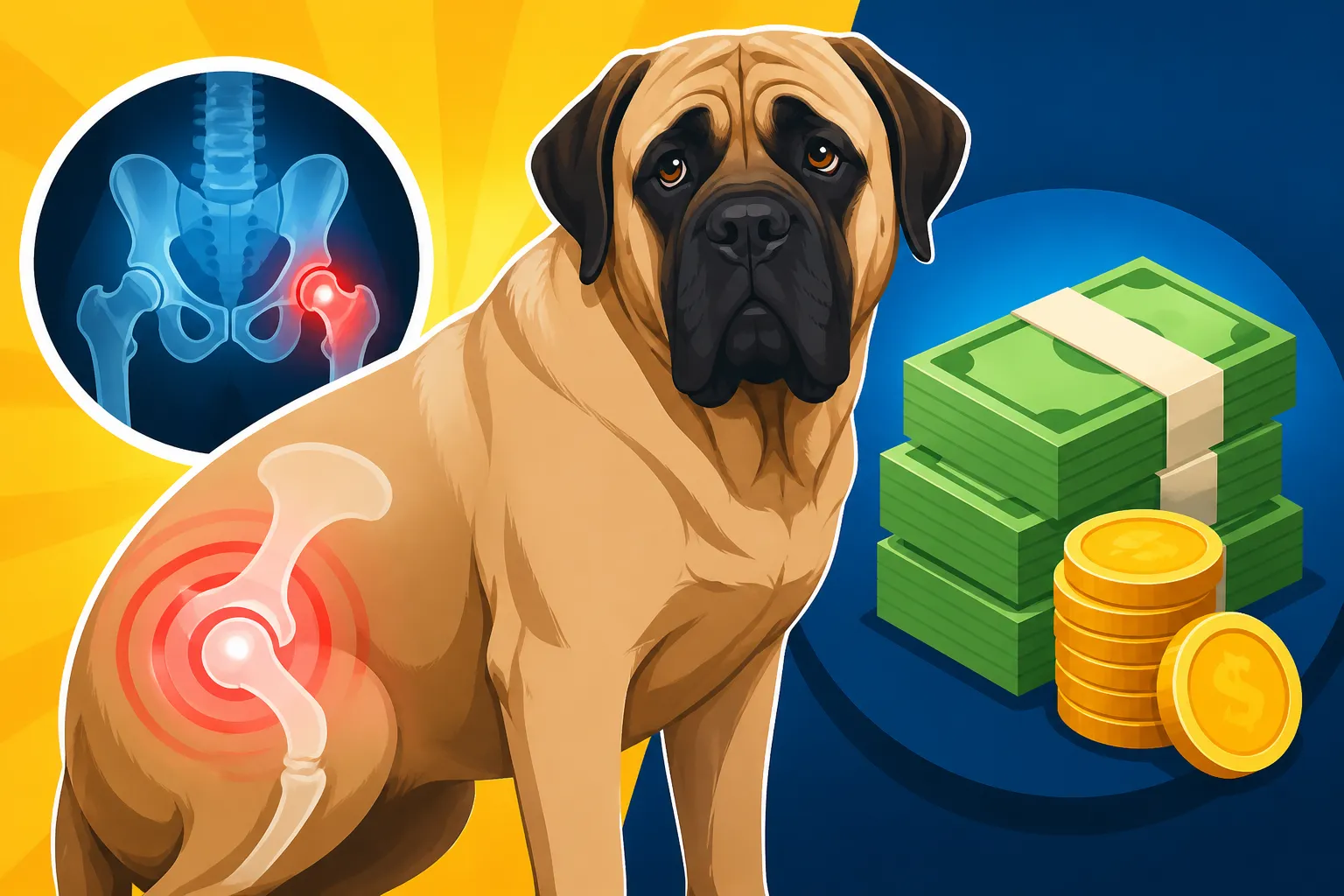
What Hip Surgery Costs on a Mastiff
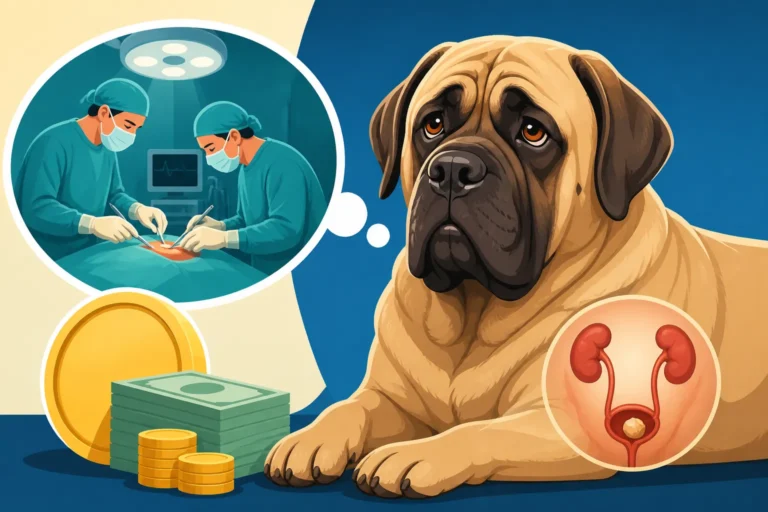
Finding out your beloved Mastiff needs hip surgery is a gut punch. Not only are you worried about their pain and recovery, but the financial implications can be absolutely overwhelming. These gentle giants come with unique challenges, and addressing something as serious as hip dysplasia means navigating a maze of specialist vets, complex procedures, and significant expenses. This guide aims to break down the true costs associated with hip surgery for your Mastiff, helping you understand what to expect every step of the way.
The Reality of Hip Dysplasia in Mastiffs
It's a harsh truth that for many Mastiff owners, the question isn't if their dog will face joint issues, but when. The sheer size and rapid growth rate of these magnificent dogs put immense strain on their skeletal structure, making them particularly vulnerable to conditions like hip dysplasia.
Why Mastiffs Are Prone to Hip Issues
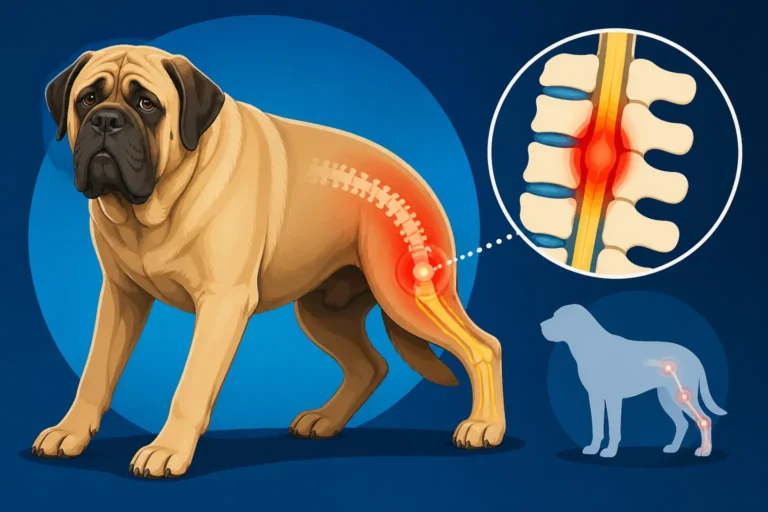
Mastiffs are among the breeds with a predisposition to hip dysplasia, a condition where the hip joint doesn't form properly, leading to looseness and eventual painful arthritis. Their enormous weight, often exceeding 200 pounds, places incredible stress on developing joints. Imagine carrying that much weight on joints that aren't perfectly formed – it's a recipe for discomfort and eventual breakdown. This genetic component is a major reason Why a Mastiff's Hips Fail Under Its Own Weight, even with the best care, but diet and controlled exercise during puppyhood play a critical role in mitigating severity. Preventing your Mastiff puppy from growing too fast is paramount, as is avoiding activities that put undue stress on their developing joints, like jumping or excessive stair climbing.
Diagnosing Hip Dysplasia and the Initial Costs
Before any talk of surgery, your vet needs a definitive diagnosis. This typically begins with a thorough physical examination, where your vet will check for signs of pain, lameness, and reduced range of motion in the hip joints. They might perform an Ortolani test or a Barden's test to assess joint laxity. However, the gold standard for diagnosing hip dysplasia is radiography, or X-rays.
For a Mastiff, getting clear, diagnostic X-rays often requires sedation, not just for their cooperation, but to ensure proper positioning, which is crucial for accurate assessment. The cost for these initial diagnostics, including the vet visit, sedation, and multiple X-ray views, can range from $300 to $800, depending on your location and the clinic's pricing. In some cases, your vet might recommend advanced imaging like a CT scan for a more detailed look, which can push initial diagnostic costs even higher, easily into the thousands. It's an essential first step, but it’s often just the tip of the iceberg financially.
Breaking Down the Costs of Mastiff Hip Surgery
Once hip dysplasia is confirmed, and conservative management isn't providing adequate relief, surgery becomes a serious consideration. The costs here are substantial and multi-faceted, encompassing everything from specialized consultations to the actual procedure and intensive post-operative care.
Pre-Surgical Preparations and Consultations
Before a giant breed like a Mastiff goes under the knife, a comprehensive pre-surgical workup is absolutely critical. This isn't just a formality; it's about ensuring their safety during what can be a very high-risk situation. This phase usually includes:
- Bloodwork: Extensive blood tests (CBC, chemistry panel, clotting profiles) are vital to assess organ function and ensure your Mastiff can safely metabolize anesthesia and recover. For a Mastiff, these panels are often more expensive due to the larger reagent volumes required.
- Cardiac Exam: Given their size and predisposition to certain heart conditions, a full cardiac workup, potentially including an echocardiogram with a veterinary cardiologist, is highly recommended. This helps identify any underlying heart issues that could complicate anesthesia or recovery. You'll want to check Whether a Mastiff Needs a Cardiac Exam as part of their general health monitoring, but it's especially important before surgery.
- Specialist Consultations: You'll likely be referred to a board-certified veterinary orthopedic surgeon. This initial consultation, where they review diagnostics, discuss surgical options, and outline a treatment plan, can cost $150 to $500 alone.
These pre-surgical preparations can easily add another $500 to $1,500 to the total bill, even before the surgery date is set. Remember that Why Anesthesia Is Riskier in a Mastiff, and knowing your dog's full health picture beforehand is priceless, even if it adds to the upfront expense.
The Surgical Procedure Itself
The cost of the actual hip surgery varies dramatically depending on the type of procedure recommended for your Mastiff. The surgeon will choose the best option based on your dog's age, size, severity of dysplasia, and the extent of arthritis.
- Femoral Head Ostectomy (FHO): This procedure involves removing the head of the femur, allowing a "false joint" to form. It's generally a salvage procedure, often recommended for smaller dogs or those with severe muscle wastage, but can be considered for Mastiffs if other options are cost-proprohibitive or unsuitable. The recovery requires significant physical therapy, as the leg relies on muscle mass to function. An FHO for a Mastiff can range from $2,500 to $4,500 per hip.
- Triple Pelvic Ostectomy (TPO): This surgery is typically performed on younger dogs (under 10 months to a year) before significant arthritis has developed. It involves cutting the pelvis in three places and rotating the segments to improve hip joint coverage. Due to the precision and invasiveness, it's a complex and costly procedure. For a Mastiff, a TPO can cost $4,000 to $7,000 per hip.
- Total Hip Replacement (THR): This is the most effective, but also the most expensive, surgical option. It involves replacing the diseased hip joint with prosthetic implants. THR offers the best long-term outcome and return to normal function. However, the size and weight of a Mastiff present unique challenges, requiring specialized implants and highly experienced surgeons. While you might wonder Whether TPLO Surgery Suits a Two Hundred Pound Mastiff, for hip dysplasia, THR is often the preferred and most successful method for restoring function in a giant breed. A total hip replacement for a Mastiff can cost anywhere from $6,000 to $10,000+ per hip, and often more in major metropolitan areas or at university veterinary hospitals where highly specialized equipment and expertise are available.
These figures typically include the surgeon's fee, anesthesia, operating room time, and initial hospitalization. Keep in mind that these are estimates, and geographic location, the specific veterinary hospital (e.g., specialty clinic vs. general practice), and the individual surgeon's fees will all play a significant role in the final cost.
Post-Operative Care and Rehabilitation
The journey doesn't end when your Mastiff wakes up from surgery. Post-operative care and rehabilitation are just as crucial, and often just as costly, as the surgery itself. Neglecting this phase can compromise the success of the entire procedure.
- Medications: Your Mastiff will need a regimen of pain medication, anti-inflammatories, and possibly antibiotics for several weeks after surgery. Expect to spend $100 to $400 on these crucial prescriptions.
- Physical Rehabilitation (PT): This is non-negotiable for a successful recovery, especially for a Mastiff. Just like humans, they need guided exercises to regain strength, flexibility, and proper gait. This might include hydrotherapy (underwater treadmill), therapeutic exercises, massage, and laser therapy. PT sessions typically cost $50 to $150 per session, and a Mastiff may need multiple sessions per week for several months. A full course of rehabilitation could easily add $1,000 to $3,000+ to the overall cost.
- Follow-up Visits and X-rays: Regular check-ups with the surgeon are necessary to monitor healing and assess progress. This will likely involve follow-up X-rays, possibly under sedation again, to ensure the implants are stable or the joint is healing correctly. These visits and X-rays can range from $200 to $600 per visit over the recovery period.
- Supportive Care at Home: You'll also need specialized equipment at home, like orthopedic beds (important for preventing calluses and pressure sores), non-slip runners, and possibly lifting slings to assist your Mastiff during recovery. These items, along with a commitment to strict rest and controlled activity, are vital.
The commitment to post-operative care is immense, both financially and in terms of time and effort. It's a long road, but one that leads to the best possible outcome for your Mastiff's quality of life.
Navigating the Financial Burden
It's clear that Mastiff hip surgery represents a significant financial undertaking. These costs can easily run into the tens of thousands of dollars, making it one of the most expensive veterinary procedures.
Understanding the Range of Costs
To help visualize the potential expenses, here's a general breakdown. Please remember these are broad estimates and can fluctuate widely based on location, specialist fees, and individual circumstances.
| Procedure Type | Initial Consultation & Diagnostics | Surgical Procedure (per hip) | Post-Op Meds & Rehab (estimated) | Total Estimated Cost (per hip) |
|---|---|---|---|---|
| FHO | $300 – $800 | $2,500 – $4,500 | $1,000 – $2,500 | $3,800 – $7,800 |
| TPO | $300 – $800 | $4,000 – $7,000 | $1,500 – $3,000 | $5,800 – $10,800 |
| THR | $300 – $800 | $6,000 – $10,000+ | $2,000 – $5,000+ | $8,300 – $15,800+ |
These numbers illustrate the immense financial weight of managing a Mastiff's hip issues. For many, these costs are simply unimaginable without some form of financial planning or assistance. This doesn't even account for potential complications, which could easily add thousands more.
The Role of Pet Insurance
This is where pet insurance truly shines, especially for breeds prone to such costly conditions. While pet insurance won't cover pre-existing conditions (meaning if your Mastiff is already diagnosed with hip dysplasia before you get coverage, it won't be covered), it is absolutely invaluable if you enroll your puppy early. A good policy can reimburse a significant percentage (often 70-90%) of eligible veterinary expenses, turning a $10,000 bill into a much more manageable $1,000-$3,000 out-of-pocket expense (after deductibles and depending on reimbursement rate).
Companies like Healthy Paws are well-regarded for their comprehensive coverage, often including specialist visits, surgery, hospitalization, and rehabilitation therapy. When considering insurance, it’s crucial to look at the reimbursement percentage, deductible options, and annual payout limits. You'll want to choose a plan with a high annual payout ceiling, as a single Mastiff hip surgery can easily hit lower limits. It's also worth investigating Whether a Mastiff Policy Has a Payout Ceiling and whether it adequately covers the potential costs of such extensive procedures. Thinking about The Month a Mastiff Owner Should Buy Insurance? The answer is as soon as you get your puppy, before any conditions manifest.
Alternative Payment and Support Options
Even with insurance, or for those without it, managing these costs can be challenging. Thankfully, several options exist:
- Veterinary Credit Cards: Options like CareCredit offer special financing plans that can defer interest for a period, allowing you to pay off the balance over time. However, be mindful of high-interest rates if the balance isn't paid within the promotional period.
- Payment Plans with Your Vet: Some veterinary clinics, especially specialty hospitals, might offer in-house payment plans. It's always worth asking, as they understand the financial strain these situations create.
- Emergency Funds: Ideally, every Mastiff owner should have a dedicated emergency fund. Given the breed's health profile, an emergency fund of at least $5,000-$10,000 is a realistic target for unexpected costs.
- Breed-Specific Aid Programs: Some Mastiff breed clubs or rescue organizations have funds to assist owners with veterinary expenses, especially for rescue dogs or those with dire needs. Researching these can provide unexpected relief.
- Crowdfunding: Platforms like GoFundMe can sometimes help rally community support, especially if your Mastiff has a particularly compelling story.
These options can provide a much-needed lifeline when faced with the daunting cost of hip surgery, but they all require proactive research and application.
Making Informed Decisions for Your Mastiff
The decision to pursue hip surgery for your Mastiff is complex, weighing financial realities against your dog's quality of life. It’s a deeply personal choice, but an informed one is always the best one.
When Surgery is the Best Path
Surgery is typically recommended when conservative management (pain medication, anti-inflammatories, joint supplements, controlled exercise, weight management) no longer effectively controls your Mastiff's pain or significantly impacts their mobility and quality of life. If your dog is consistently lame, struggling to get up, or showing signs of chronic pain like reluctance to play or exercise, it's time to seriously consider surgical intervention.
For younger Mastiffs, especially those diagnosed before severe arthritis sets in, surgery can be curative and provide them with many years of pain-free mobility. For older Mastiffs, while the recovery might be tougher, it can still significantly improve their comfort. It's important to discuss the long-term prognosis with your orthopedic surgeon, understanding the potential benefits versus the risks and recovery period. Remember that Arthritis in a Mastiff at Four is not uncommon, and early intervention can make a huge difference in their long-term comfort.
The Long-Term Commitment Beyond Surgery
Even after a successful surgery and rehabilitation, owning a Mastiff with a history of hip dysplasia (or any major joint surgery) means a lifelong commitment to managing their joint health. This includes:
- Ongoing Joint Supplements: Your Mastiff will likely need Joint Supplements for a Mastiff for the rest of their life to support joint cartilage and reduce inflammation.
- Weight Management: Keeping your Mastiff at a lean, healthy weight is perhaps the single most important thing you can do to protect their joints. Every extra pound puts immense strain on recovering or aging joints. Regularly assess their body condition score, ensuring you can feel their ribs without seeing them.
- Controlled Exercise: While they'll need regular, moderate exercise, high-impact activities or excessive running should be avoided. Swimming can be an excellent low-impact option.
- Regular Veterinary Check-ups: Consistent monitoring by your primary vet, and possibly periodic check-ups with the orthopedic surgeon, will be necessary to catch any new issues or signs of developing arthritis in other joints.
The financial journey with a Mastiff needing hip surgery is indeed an expensive one, but with careful planning, robust pet insurance like Healthy Paws, and a dedicated approach to their recovery and long-term care, you can ensure your gentle giant lives the most comfortable and fulfilling life possible.
Disclaimer
The information provided in this article is for general informational purposes only and does not constitute veterinary advice. Always consult with a qualified veterinarian or veterinary specialist for any health concerns or before making any decisions about your Mastiff's care, diet, or treatment. Costs are estimates and can vary significantly.