How Dominant Inheritance Works in Mastiff PRA
It's incredibly tough when you're welcoming a Mastiff into your family, or you're a dedicated breeder, and you start hearing about complex genetic diseases like Progressive Retinal Atrophy (PRA). The thought of your gentle giant losing their sight is heartbreaking, and the science behind how it happens can feel overwhelming and confusing. This guide is here to untangle the intricacies of dominant inheritance specifically as it applies to Mastiff PRA, helping you understand what it means for individual dogs, breeding choices, and how you can best prepare and care for these magnificent creatures.
Understanding Progressive Retinal Atrophy in Mastiffs
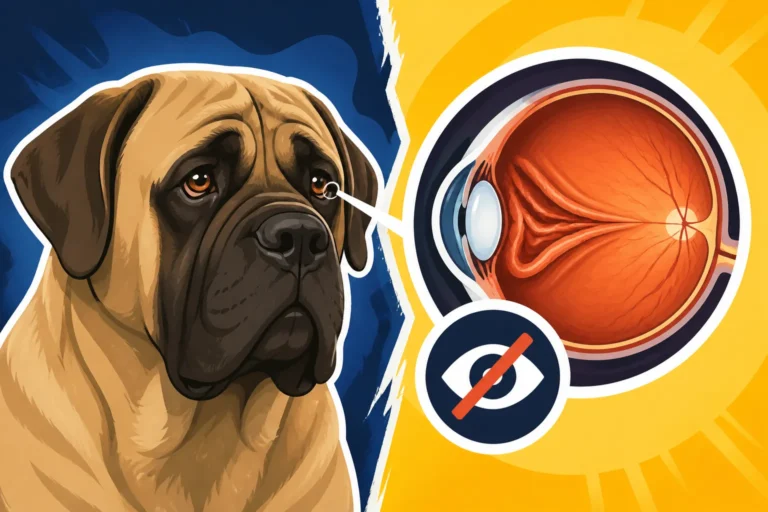
Progressive Retinal Atrophy, or PRA, isn't just one disease; it's a blanket term for a group of genetic disorders that cause the degeneration of photoreceptor cells in the retina of a dog's eyes. In simpler terms, it means the cells responsible for detecting light slowly stop working. For a Mastiff owner, this is a particularly distressing diagnosis because it leads to eventual blindness, robbing these calm and majestic dogs of their primary sense for navigating the world.
The Basics of Mastiff PRA and Vision Loss
When PRA starts to manifest in a Mastiff, it's typically a gradual process, not a sudden event. Owners might first notice their dog becoming hesitant in dimly lit rooms or bumping into furniture at night. This is because the rod cells, which are responsible for low-light vision, are usually affected first. As the disease progresses, the cone cells, which handle bright light and color vision, also begin to degenerate. Over time, this leads to complete blindness. The progression rate can vary between individual dogs and different forms of PRA, but the outcome remains the same: a slow, irreversible loss of sight. It's a cruel reality that often starts subtly, making it easy to dismiss early signs as just "getting old" or clumsiness, until the changes become undeniable.
Knowing The Age a Mastiff's Vision Starts to Go can help owners monitor for early signs, but every dog's journey is unique. Some Mastiffs might adapt remarkably well to their diminishing vision, relying heavily on their other senses, while others might show increased anxiety or confusion. This makes early detection and understanding the genetic component crucial, not just for the affected dog, but for the entire Mastiff breed.
Why Mastiffs Are Prone to PRA
Mastiffs, like many purebred dogs, carry genetic predispositions to certain health conditions, and PRA is unfortunately one of them. The form of PRA often seen in Mastiffs is linked to a specific gene mutation. Genetic research has allowed us to pinpoint these markers, giving breeders a powerful tool to make informed decisions. The reason some breeds are more susceptible often traces back to their closed gene pools and historical breeding practices, where certain desirable traits might have been inadvertently linked to less desirable genetic mutations. It's a complex interplay of history and genetics that has led to these conditions becoming more prevalent in specific lines. For this particular form of Mastiff PRA, the mode of inheritance is what really sets it apart and makes it so impactful for breeders and owners alike.
Deciphering Dominant Inheritance Patterns
Understanding how traits are passed down through generations is fundamental to appreciating the impact of genetic diseases. When we talk about "dominant inheritance" in the context of Mastiff PRA, we're discussing a very specific and often misunderstood mechanism. It means that an individual needs to inherit only one copy of the mutated gene from either parent to be affected by the condition. This differs significantly from recessive conditions, where two copies of the mutated gene are necessary for the disease to manifest. This distinction is paramount for anyone involved with Mastiffs, from potential puppy buyers to seasoned breeders.
Dominant Versus Recessive Genes: A Quick Refresher
Think of genes like instructions in a recipe book. For any given trait, an animal receives two copies of the "recipe" – one from each parent. These copies are called alleles.
In a recessive inheritance pattern, an animal needs two "bad" recipe copies to show the trait or disease. If they get one "bad" and one "good" copy, they are typically just a "carrier," meaning they don't show symptoms themselves but can pass the "bad" copy on. It's like having a secret ingredient you don't use unless both parents provide it.
However, with a dominant inheritance pattern, only one "bad" recipe copy is enough for the animal to show the trait or disease. If a Mastiff inherits just one copy of the mutated gene for PRA from either its mother or its father, it will develop the condition. There's no "carrier" status in the traditional sense for a dominant condition where the affected dog shows symptoms. If a dog has the gene, it will be affected. This is why Why Mastiff Retinal Atrophy Needs Only One Copy of the Gene is so critical to grasp. The simplicity of this rule, ironically, makes it incredibly powerful and, in some ways, more straightforward to manage than recessive diseases, provided breeders test diligently.
The Single Gene Rule for Dominant Inheritance
The cornerstone of dominant inheritance is that if a Mastiff inherits even a single copy of the specific mutated gene responsible for this form of PRA, they will develop the disease. This means there are no "silent" carriers who don't show symptoms but can still pass the disease on. If a Mastiff has the gene mutation, it will eventually show signs of PRA. This makes genetic testing incredibly valuable because it directly identifies affected animals before symptoms even appear. A dog with just one copy of the dominant gene is an affected dog, even if the symptoms haven't started to manifest yet. They are not merely carriers; they will experience the vision loss.
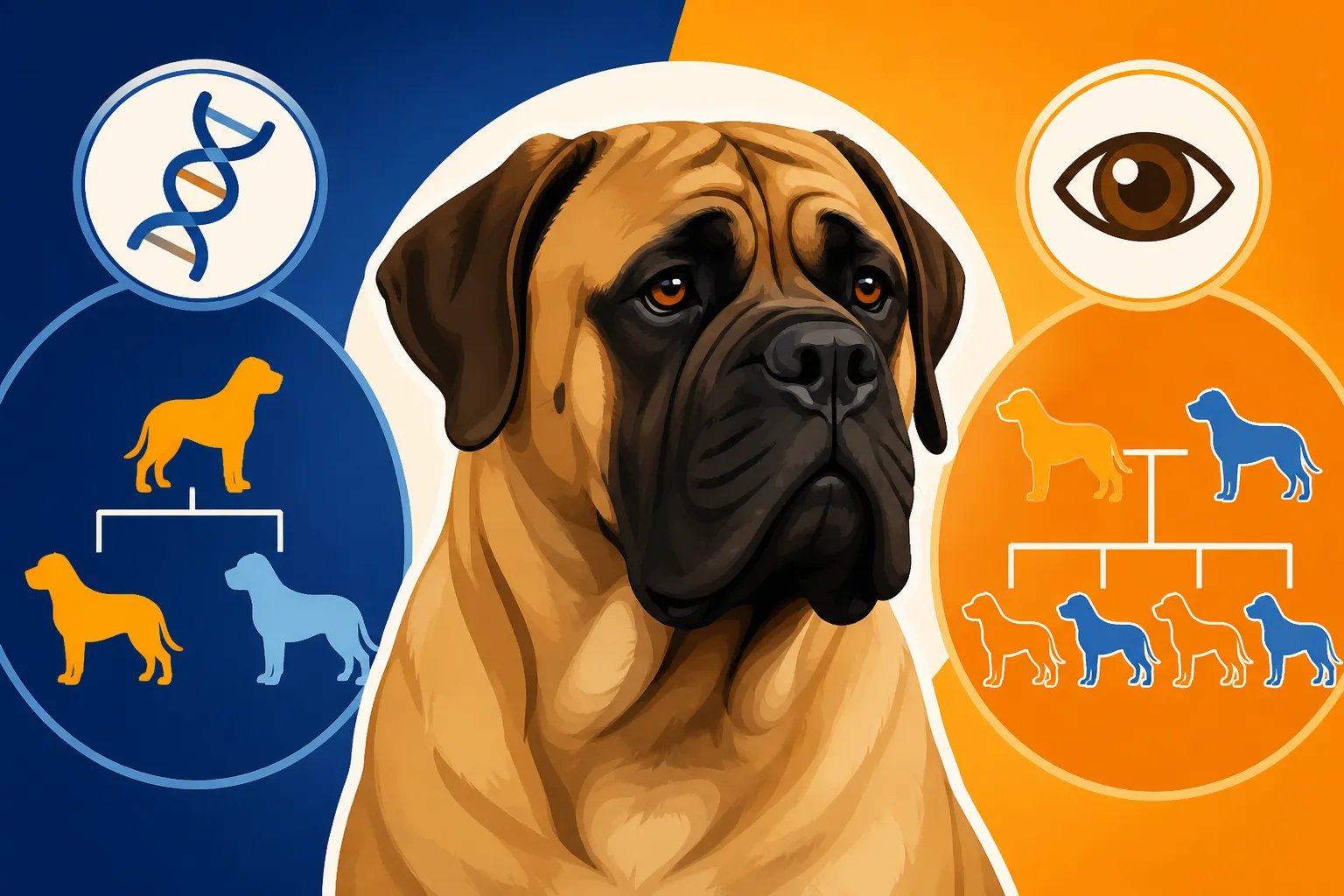
This "single gene rule" has profound implications. It simplifies the understanding of disease transmission compared to recessive traits, where carriers can unknowingly spread the gene through generations. For dominant conditions, an affected parent will always have the disease (or will develop it) and has a 50% chance of passing that single problematic gene copy to each of their offspring. This clear-cut genetic pathway is why DNA tests are such a game-changer for responsible Mastiff breeding.
Genetic Outcomes of Dominant Inheritance
To truly understand the probabilities, we can look at a simple Punnett Square. Let's represent the normal, healthy gene as 'p' and the dominant PRA gene as 'P'.
- A healthy, clear Mastiff would have the genotype 'pp'.
- A Mastiff affected by PRA would have either 'Pp' (heterozygous, meaning one dominant and one normal copy) or 'PP' (homozygous, meaning two dominant copies). In the context of dominant PRA, both 'Pp' and 'PP' individuals will be affected.
Here's how different pairings would work:
| Parent 1 (Gametes) \ Parent 2 (Gametes) | P | p |
|---|---|---|
| P | PP | Pp |
| p | Pp | pp |
Let's break down some common breeding scenarios:
-
Affected (Pp) x Clear (pp):
- Offspring: 50% Pp (affected), 50% pp (clear).
- In this scenario, half of the puppies would inherit the dominant gene and will develop PRA. This is a common and critical outcome to understand.
-
Affected (Pp) x Affected (Pp):
- Offspring: 25% PP (affected), 50% Pp (affected), 25% pp (clear).
- This pairing carries a higher risk, with 75% of the offspring expected to be affected, and a small chance (25%) of producing a clear puppy. Breeding two affected dogs is generally strongly discouraged due to the high probability of affected offspring.
-
Clear (pp) x Clear (pp):
- Offspring: 100% pp (clear).
- This is the ideal scenario for preventing the disease, as neither parent carries the dominant gene.
This genetic clarity means that breeding an affected Mastiff, even with a clear mate, will always produce affected offspring. This makes the ethical responsibilities of breeders incredibly significant.
Impact on Breeding Decisions and Puppy Selection
The understanding of dominant inheritance for Mastiff PRA has profoundly changed how responsible breeders approach their programs and how prospective owners should select a puppy. It's no longer acceptable to breed dogs without knowing their genetic status for preventable diseases. This knowledge empowers both parties to make choices that prioritize the health and longevity of these magnificent dogs.
Identifying Affected and Carrier Mastiffs
With a dominant condition like PRA, identifying affected Mastiffs is relatively straightforward genetically. A dog carrying even one copy of the mutated gene is considered affected because they will develop the disease. There isn't a "carrier" status in the sense of a healthy dog silently passing on the gene. If a Mastiff has the gene for dominant PRA, it will go blind.
This is where The DNA Test That Finds Mastiff PRA becomes an indispensable tool. A simple cheek swab or blood sample can determine a dog's genetic status long before symptoms appear. For breeders, this means they can test all potential breeding stock and avoid passing on the gene. For puppy buyers, it means they can ask for genetic test results of the parents, ensuring they are not unknowingly bringing home a puppy destined for blindness. Reputable breeders often use laboratories like OptiGen or those offered through providers like Embark, which provide comprehensive health panels including PRA. These tests provide a clear "clear," "affected," or "at-risk" status.
The implications of testing are clear: any Mastiff that tests positive for the dominant PRA gene should ideally not be bred. This is a tough decision, especially if the dog possesses other highly desirable traits, but it's crucial for the long-term health of the breed.
Ethical Breeding Practices for Dominant PRA
For conditions with dominant inheritance, ethical breeding practices are quite strict. The primary goal is to eliminate the gene from the breeding population. This means:
- Testing all breeding stock: Every Mastiff intended for breeding should be DNA tested for PRA.
- No breeding of affected dogs: Mastiffs identified as having the dominant PRA gene should not be used for breeding, regardless of their other qualities. This is fundamental for preventing the spread of the disease. While this may seem harsh for individual dogs, it's the most effective way to safeguard future generations. For more on this, consider reading Whether a Mastiff With PRA Should Be Bred.
- Transparency: Responsible breeders are transparent about their dogs' health testing results. They will be happy to show you documentation for both parents. This transparency is a hallmark of a breeder who truly cares about the well-being of their puppies and the integrity of the breed.
- Careful selection of mates: Even if one parent is clear, breeding to an affected dog still produces affected puppies. The goal should always be to breed two clear dogs ('pp x pp') to ensure 100% clear offspring.
These practices contribute significantly to reducing the prevalence of genetic diseases and maintaining the health and lifespan of the breed. It can be a costly endeavor for breeders to perform all the necessary health screenings, which is why the price of a well-bred Mastiff puppy often reflects this investment in health.
What to Ask a Breeder About PRA
When you're looking for a Mastiff puppy, don't be shy about asking direct questions about health. A reputable breeder expects these inquiries and welcomes the chance to show you their commitment to health testing. Here's what you should specifically ask regarding PRA:
- "Have both parents been DNA tested for PRA?" Ask to see the official test results from a reputable laboratory. Don't accept a verbal assurance alone. Look for results that clearly state "clear" or "normal" for both the sire (father) and dam (mother).
- "Can I see the health clearances for the parents?" This goes beyond just PRA; good breeders will also have OFA (Orthopedic Foundation for Animals) certifications for hips and elbows, cardiac clearances, and potentially other eye certifications, as discussed in The Four CHIC Tests a Mastiff Breeder Must Clear.
- "What is your policy if a puppy develops a genetic condition?" While testing significantly reduces risk, it doesn't eliminate all possibilities. A responsible breeder will have a health guarantee and a clear policy for how they handle genetic health issues that might arise. This often involves offering a replacement puppy or financial assistance.
- "Are the puppies given an eye exam by a veterinary ophthalmologist?" Even with genetic testing, a general eye exam for puppies, often performed by a certified veterinary ophthalmologist, can catch other potential issues. This proactive step helps ensure the overall health of the litter, as detailed in Why a Mastiff Litter Needs an Eye Exam.
Asking these questions protects you as a buyer and encourages good breeding practices within the Mastiff community.
Living with a Mastiff Affected by PRA
Receiving a diagnosis of PRA for your beloved Mastiff can be devastating. However, it's important to remember that a Mastiff losing its sight can still lead a full and happy life with the right care and adaptations. Their other senses are incredibly keen, and their bond with their human family runs deep. Focusing on their well-being and making thoughtful adjustments can make all the difference.
Signs of Vision Impairment in Your Mastiff
Because PRA is progressive, the signs of vision loss will appear gradually. It's not always obvious at first, and sometimes our affection can lead us to overlook subtle changes. Here are some common indicators to watch for:
- Night Blindness: This is often the first symptom. Your Mastiff might be more hesitant to navigate in low-light conditions, bump into objects in the evening, or be reluctant to go outside after dark. They might also react more strongly to sudden changes in light.
- Clumsiness and Disorientation: As daytime vision starts to decline, you might notice them tripping, misjudging steps, or bumping into familiar furniture. They might appear disoriented in new environments or even in rearranged rooms.
- Changes in Eye Appearance: While not always present, some forms of PRA can cause changes visible to the naked eye, such as pupils that appear more dilated or a cloudy, reflective sheen in the back of the eye when light hits it. A veterinary ophthalmologist will be able to detect these changes.
- Behavioral Changes: Some Mastiffs become more anxious or clingy as their vision deteriorates. They might startle more easily, become less confident, or show hesitation when approaching new people or objects. Others might become more withdrawn.
- Reluctance to Play: Games that rely on sight, like fetch, may become less appealing or confusing for them. They might miss toys or struggle to track movement.
If you observe any of these signs, it's crucial to schedule an appointment with your veterinarian, who may refer you to a veterinary ophthalmologist for a definitive diagnosis. Early detection helps you prepare for the changes ahead and implement strategies to help your Mastiff cope. You can also learn more about Whether a Mastiff Goes Fully Blind From PRA to understand the full scope of the condition.
Adapting Your Home for a Blind Mastiff
Once vision loss is confirmed, making your home a safe and navigable space for your Mastiff is paramount. These adaptations don't have to be drastic, but they do require consistency:
- Maintain Consistency: This is perhaps the most important rule. Avoid rearranging furniture or leaving clutter in pathways. Your Mastiff will create a mental map of your home, and consistency helps them navigate confidently. If you absolutely must move something, guide them around it several times until they've re-established their internal map.
- Safe Spaces: Designate a specific "safe zone" for your Mastiff – perhaps a comfortable bed in a quiet corner – where they can retreat and feel secure. This is especially important if you have other pets or children.
- Tactile Cues: Use different textured mats or rugs to indicate important areas, like the approach to their food bowl, a doorway, or the start of stairs. This provides valuable sensory information.
- Protect Sharp Edges: Pad sharp corners of furniture with child-proofing bumpers to prevent accidental bumps and injuries.
- Bell on Other Pets: If you have other pets, consider putting a small bell on their collars so your blind Mastiff can hear them approaching and avoid startling collisions.
- Verbal Cues and Scent: Start using consistent verbal cues for everything: "step up," "step down," "wait," "danger," "come." You can also use specific scents (like vanilla extract on a doorframe) to mark important spots.
- Outdoor Safety: Secure your yard with robust fencing. Always keep your Mastiff on a leash when outside your property. A long leash can give them freedom to explore safely in a familiar, fenced area.
These adjustments can help your Mastiff regain confidence and reduce anxiety, showing that Whether a Blind Mastiff Copes at Home is very much dependent on your support.
Supporting Your Mastiff's Quality of Life
Beyond physical adaptations, supporting your Mastiff's emotional and mental well-being is vital. Vision loss can be confusing and frightening for a dog, but your calm reassurance and continued engagement can make a huge difference.
- Maintain Routine: Dogs thrive on routine, and a blind Mastiff relies on it even more. Stick to consistent feeding times, potty breaks, and playtime schedules. This predictability reduces stress.
- Enrichment Activities: Continue to engage their other senses. Scent work is fantastic for blind dogs – hide treats around the house, use puzzle toys, or teach them to find specific items by scent. Auditory toys that squeak or crinkle can also be stimulating.
- Gentle Touch and Voice: Approach your Mastiff with a gentle voice and a light touch to avoid startling them. Always speak to them before you touch them, especially if they are sleeping or haven't heard you approach.
- Continued Socialization: Don't isolate your blind Mastiff. Continue to introduce them to calm, familiar people and dogs in controlled environments. Let people know your dog is blind so they approach appropriately.
- Veterinary Care: Regular vet check-ups are still crucial. Discuss any changes in behavior or health concerns promptly. Pet insurance providers like Healthy Paws can be incredibly helpful in managing ongoing veterinary costs, including those associated with monitoring a condition like PRA or addressing secondary issues that might arise. Having a plan for these expenses can alleviate significant stress.
- Patience and Empathy: There will be good days and bad days. Your Mastiff might be frustrated or anxious at times. Your patience, understanding, and unwavering love are the most important tools you have to help them adjust and live a happy life. Many owners find immense comfort in knowing their insurance, like Healthy Paws, helps cushion the financial impact, allowing them to focus on providing the best possible care.
By proactively addressing these areas, you can ensure your Mastiff continues to enjoy a high quality of life, even without their sight.
The Broader Picture of Mastiff Eye Health
While we've delved deep into Progressive Retinal Atrophy, it's essential to remember that a Mastiff's eyes are susceptible to a range of other conditions. Being vigilant about overall eye health, understanding other potential issues, and scheduling regular veterinary examinations are crucial components of responsible Mastiff ownership. A comprehensive approach ensures that you're not just looking for PRA, but for any signs of trouble that could impact your Mastiff's vision and comfort.
Other Eye Conditions in Mastiffs
Beyond PRA, Mastiffs can experience several other eye conditions, some of which are unique to the breed due to their distinctive facial structure and heavy jowls. Awareness of these can help you spot issues early:
- Entropion and Ectropion: These are eyelid abnormalities that can cause significant discomfort. Entropion occurs when the eyelid rolls inward, causing eyelashes to rub against the cornea, leading to irritation, pain, and potentially ulcers. Ectropion is the opposite, where the eyelid rolls outward, exposing the conjunctiva and predisposing the eye to dryness and infection. Both conditions can be inherited and often require surgical correction. You can learn more about Entropion and Ectropion in a Mastiff.
- Cherry Eye: This condition occurs when the gland of the third eyelid prolapses, appearing as a red, swollen mass in the corner of the eye. While often more common in other brachycephalic breeds, Mastiffs can also be affected. It requires veterinary attention, typically surgery to reposition the gland, as leaving it untreated can lead to dry eye and other complications. For more details on this, refer to Cherry Eye in a Mastiff.
- Cataracts: While PRA affects the retina, cataracts affect the lens of the eye, causing it to become cloudy and opaque. This prevents light from reaching the retina, leading to vision loss. Cataracts can be inherited, develop with age, or be secondary to other diseases like diabetes. In some cases, surgical removal can restore vision.
- Retinal Folds/Dysplasia: Some Mastiffs may have minor retinal folds that are usually benign and don't significantly impact vision. However, more severe forms of retinal dysplasia can lead to significant vision impairment or even blindness. These are typically congenital, meaning present from birth, and a veterinary ophthalmologist can diagnose them during a thorough eye examination.
Being aware of these conditions means knowing what to look for and when to seek professional veterinary advice. Early intervention for many of these issues can prevent further damage or manage discomfort.
The Importance of Regular Veterinary Eye Exams
Even if your Mastiff's parents were clear of PRA and your puppy passed its initial eye exam, regular veterinary eye examinations are vital throughout their life. Just like humans, dogs can develop eye issues with age, injury, or other underlying health conditions.
- Early Detection: Annual check-ups, ideally with a certified veterinary ophthalmologist, can catch subtle changes in the eye before they become major problems. This includes monitoring for the onset of PRA symptoms if your dog is at risk, or detecting other issues like glaucoma, cataracts, or corneal ulcers. Many general practice vets are skilled, but an ophthalmologist has specialized equipment and expertise to spot the most nuanced issues. This is especially true given the advice in Whether a Mastiff Should Have a Yearly Eye Exam.
- Overall Health Indicator: Sometimes, eye changes can be an indicator of systemic health problems, such as diabetes, high blood pressure, or tick-borne diseases. A thorough eye exam can thus contribute to a broader understanding of your Mastiff's overall health.
- Monitoring Progressive Conditions: If your Mastiff has been diagnosed with a progressive condition like PRA, regular exams help track the disease's progression and allow your veterinarian to advise on necessary adaptations or supportive care.
- Peace of Mind: Knowing that your Mastiff's eyes are being regularly checked by a professional offers invaluable peace of mind. It allows you to address potential issues proactively rather than reactively, which can save your dog discomfort and you considerable stress and expense.
- Financial Planning: Eye conditions, especially those requiring surgery (like entropion, ectropion, or severe cataracts), can be expensive. This is where pet insurance, such as Healthy Paws, truly shines. They can help cover a significant portion of diagnostic tests, medications, and surgical procedures for unforeseen illnesses and accidents. Many Mastiff owners consider pet insurance a necessity, given the breed's predisposition to several health challenges, and it helps ensure you never have to make a tough decision based solely on cost. Healthy Paws, for example, is known for its comprehensive coverage for unexpected illnesses and accidents, offering peace of mind when it comes to managing the often-high costs associated with veterinary care for a giant breed.
Prioritizing your Mastiff's eye health with regular check-ups is just as important as ensuring their hips, heart, and general well-being are monitored. It's a fundamental part of providing a full and comfortable life for your gentle giant.
Disclaimer
The information provided in this guide is for educational purposes only and should not be considered a substitute for professional veterinary advice. Always consult with a qualified veterinarian for any health concerns or before making any decisions about your Mastiff's care, diet, or treatment.