How Long a Bloating Mastiff Has Before Surgery
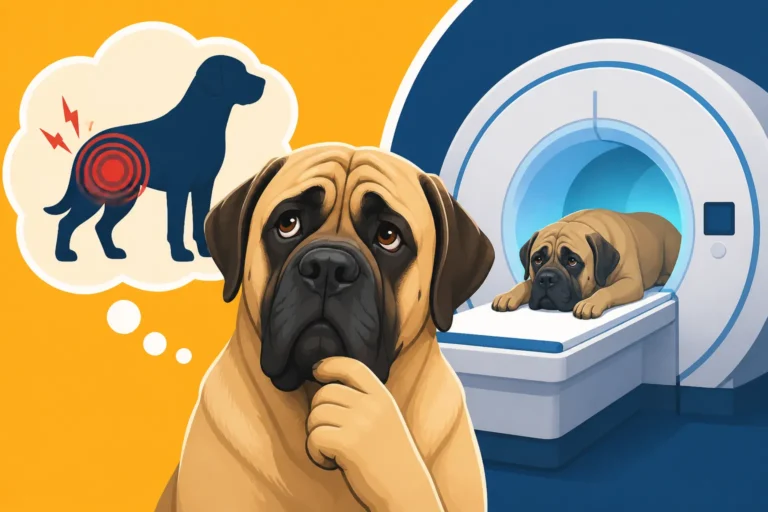
The sudden, terrifying onset of bloat in a Mastiff is one of the most frightening emergencies a giant breed owner can face. One minute your gentle giant is fine, the next they're restless, drooling, and trying to vomit with nothing coming up. This guide aims to clearly explain exactly how long you have to get your Mastiff life-saving treatment, helping you understand the urgency and what steps you need to take without delay.
Understanding Gastric Dilatation-Volvulus The Silent Killer
Bloat, scientifically known as Gastric Dilatation-Volvulus (GDV), isn't just an upset stomach; it's a rapidly progressing, life-threatening condition that demands immediate veterinary attention. For Mastiff owners, the very word "bloat" can send a chill down the spine, and for good reason. It's truly a medical emergency where every single minute counts. The problem begins when the stomach fills with gas, food, or fluid, causing it to distend abnormally. This initial "dilatation" is painful but not always immediately fatal on its own.
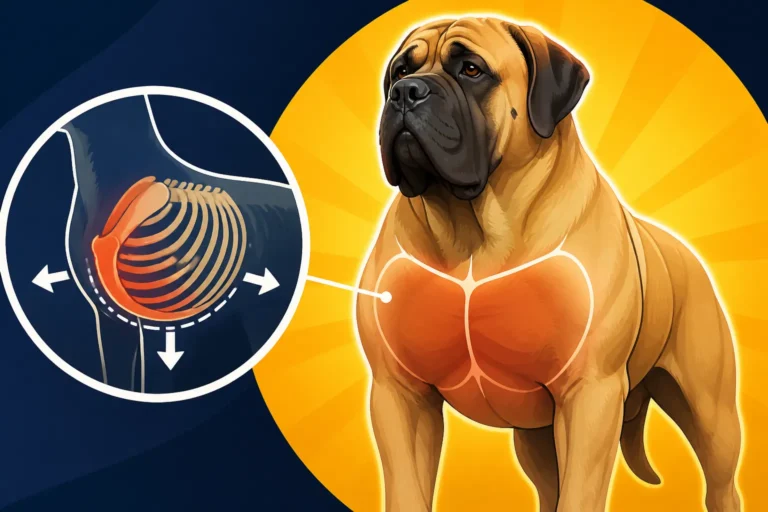
The real danger, and the reason GDV is such a terrifying ordeal, is when this distended stomach then twists upon itself. This twisting, or "volvulus," cuts off both the entrance and exit of the stomach, trapping its contents and preventing gas from escaping. More critically, it also severs the blood supply to the stomach and often the spleen, leading to tissue death, organ damage, and a rapid descent into shock. The deep-chested anatomy of breeds like the Mastiff makes them particularly susceptible to this catastrophic event, a factor often discussed in depth when considering Why the Mastiff Has the Deepest Chest of Any Breed.
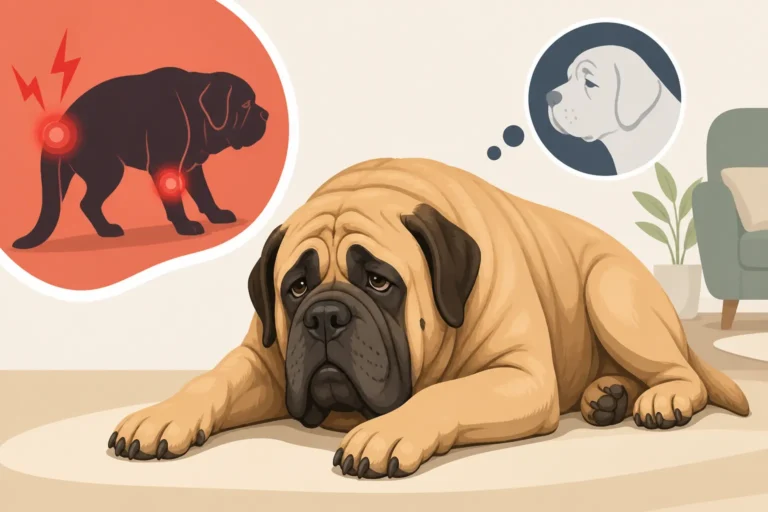
The excruciating pain your Mastiff experiences is immense. Imagine an organ the size of a watermelon, full of gas and fluid, twisting inside their massive body. This is why you'll see them pacing, panting, and attempting to vomit — their body's desperate, futile attempts to relieve the pressure. It's a cruel condition because the dog is in immense distress, but often cannot effectively communicate the severity of their internal struggle, leaving owners to interpret subtle and rapidly worsening signs.
Why Mastiffs Are So Prone to Bloat
It's a heartbreaking reality that Mastiffs are among the breeds most commonly affected by GDV. Their impressive size and conformation contribute significantly to this risk. The chest cavity of a Mastiff is incredibly deep and narrow, providing ample space for the stomach to swing and twist when distended. Think of it like a pendulum in a tall clock tower; there's more room for it to move freely. Other contributing factors can include eating too quickly, vigorous exercise after eating, stress, and even genetics.
Beyond the physical mechanics, the sheer volume of a Mastiff's digestive system means that when gas builds up, it does so on a grand scale. A small dog might get a bloated belly, but the anatomical proportions of a Mastiff mean that the internal pressure and subsequent damage escalate far more rapidly. This inherent vulnerability underscores why every Mastiff owner must be acutely aware of the signs and the critical timeframe involved, knowing that their dog's anatomy has unfortunately stacked the odds against them in this particular emergency.
The Immediate Threat to Organs
Once the stomach twists, the clock starts ticking not just on the stomach itself, but on the entire circulatory system. The lack of blood flow means the stomach tissue begins to die, leading to necrosis. Toxins are released into the bloodstream, triggering widespread inflammation and shock. The pressure from the distended stomach can also compress major blood vessels, including the vena cava, reducing blood return to the heart and causing cardiovascular collapse. This is why a Mastiff can go from seemingly normal to collapsed and unresponsive in a matter of hours. The spleen, often caught in the twist, can also suffer irreversible damage, necessitating its removal during surgery. It's a domino effect, and each falling piece further compromises your dog's chances of survival.
The Critical Window How Long Until Surgery?
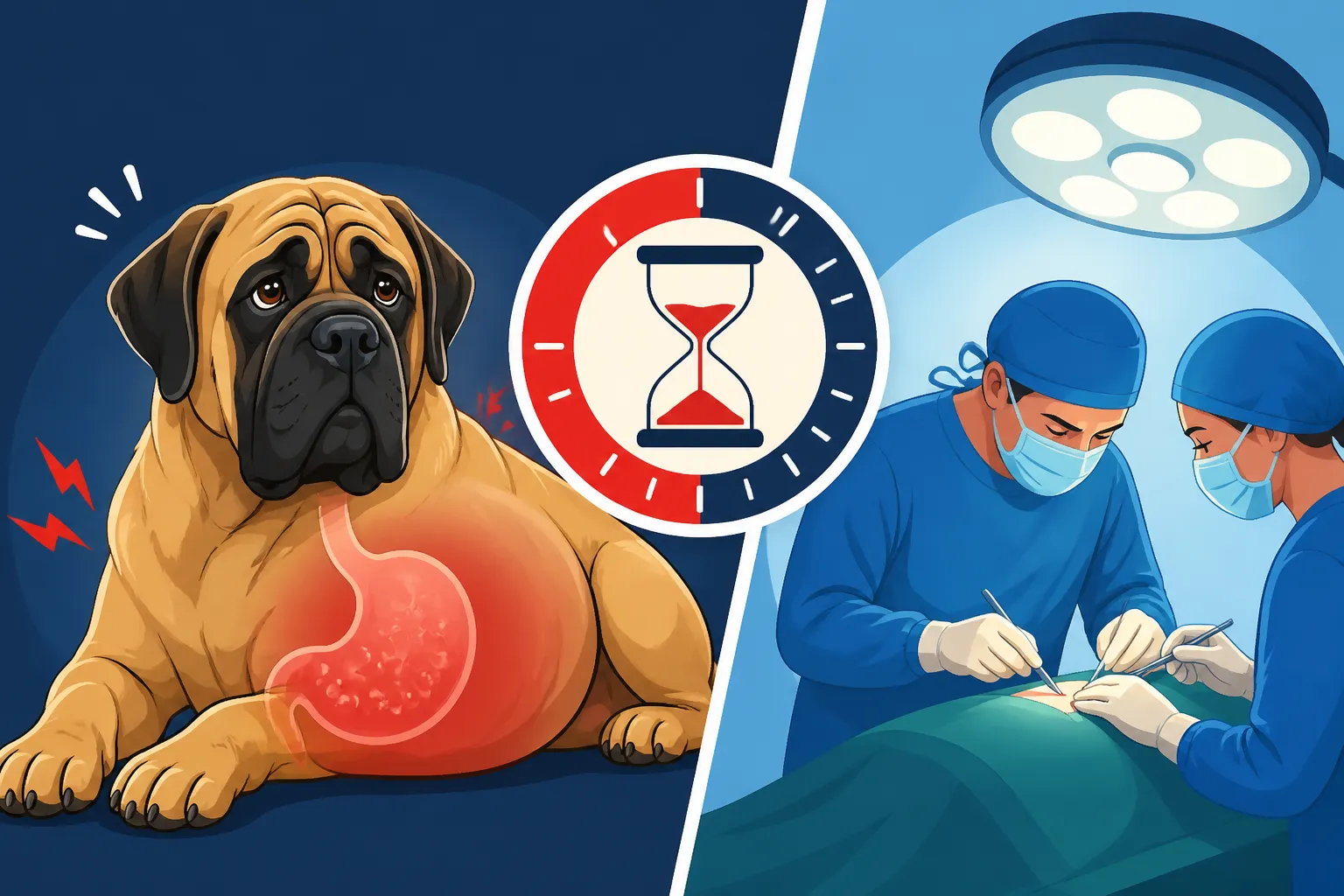
This is the question that keeps Mastiff owners awake at night: how much time do I actually have? The answer, unfortunately, is brutally short. Once the stomach has twisted, a Mastiff generally has between 30 minutes and 6 hours before the damage becomes irreversible, or the condition becomes fatal. This is not a situation where you can "wait and see" if your dog feels better in the morning. GDV is an immediate, life-or-death emergency that requires rapid intervention.
The exact timeframe can vary depending on the severity of the twist, how quickly the gas accumulates, and your dog's overall health, but always assume the shortest possible window. Every minute spent deliberating or observing is a minute that crucial blood flow is being cut off, and stomach tissue is dying. The goal is to get your Mastiff to an emergency veterinary clinic for diagnosis and surgery as swiftly as humanly possible. This isn't just about saving their life; it's about minimizing the extent of organ damage and improving their chances of a full recovery, a topic often explored when discussing How Long a Bloating Mastiff Has Before Surgery.
The Rapid Progression of Symptoms
Understanding that the clock is ticking requires a keen eye for subtle changes. Initial signs might be mild restlessness or discomfort, perhaps exaggerated yawning. But these can quickly escalate. Within an hour or two, you might notice repeated, unproductive retching—your Mastiff trying to vomit but bringing up nothing but foam or saliva. Their abdomen may begin to look distended, especially on the left side, and feel hard to the touch.
As time progresses without intervention, the signs become more severe and obvious. The dog may become extremely weak, unable to stand, or collapse. Their gums might turn pale or bluish, indicating poor circulation. Their heart rate will race, and their breathing will become shallow and rapid. This rapid progression is why any suspicion of bloat must be treated as a full-blown emergency. You cannot afford to delay. Many veterinarians emphasize that if you even think it might be bloat, it's better to be safe than sorry and seek immediate emergency care.
The Point of No Return
The "point of no return" in bloat is when the stomach tissue has been deprived of blood for so long that it starts to die. Once necrosis sets in, even if the stomach is untwisted, the damaged tissue may perforate, leading to peritonitis (infection in the abdominal cavity), which is often fatal. The longer the delay, the higher the risk of complications, a longer and more difficult recovery, and ultimately, a lower chance of survival. This is why the advice is always to act immediately.
For a massive dog like a Mastiff, the sheer volume of tissue affected means that the consequences of delay are amplified. While some dogs might technically survive surgery after many hours, the quality of life and the post-operative complications can be severe. The true urgency is not just about survival, but about minimizing suffering and maximizing the potential for a good outcome. This dire situation is precisely why knowing The First Sign a Mastiff Is Bloating can make all the difference.
Recognizing the Signs and Taking Immediate Action
Recognizing the signs of bloat in a Mastiff, especially in the early stages, is crucial. Their stoic nature might sometimes mask discomfort, but with a condition this severe, every subtle cue should be taken seriously. Don't wait for all the classic symptoms to appear before reacting; if you see even one or two, especially in a breed as prone as the Mastiff, it's time to act.
Here are the key signs to watch for:
- Restlessness and Pacing: Your Mastiff can't get comfortable, constantly shifting, standing up, lying down, and changing positions.
- Attempting to Vomit (Unproductively): This is one of the most classic signs. They look like they're trying to throw up, often gagging or heaving, but nothing comes out, or only foamy saliva appears.
- Distended Abdomen: The belly, especially the left side behind the last rib, may look swollen or feel hard and tight, like a drum. This might be hard to see in a very furry or heavily built Mastiff, so feel gently.
- Drooling Excessively: Increased salivation can be a sign of discomfort or nausea.
- Pain and Discomfort: Whining, groaning, looking at their flank, or refusing to lie down. They may resist you touching their abdomen.
- Weakness and Collapse: As the condition progresses, your Mastiff may become weak, staggering, or unable to stand.
- Pale Gums: Check their gums; if they are pale, white, or bluish, it indicates shock and poor circulation.
- Rapid, Shallow Breathing or Panting: Their breathing may become labored due to discomfort and pressure on the diaphragm.
Trust your gut instinct. You know your Mastiff best. If something feels "off" and any of these symptoms are present, it's an emergency.
What to Do When You Suspect Bloat
There is only one immediate course of action: get your Mastiff to the nearest emergency veterinary clinic RIGHT NOW.
- Call Ahead: As you're heading out the door, call the emergency vet clinic. Tell them you suspect GDV in your Mastiff and that you are on your way. This allows them to prepare their team and equipment for your arrival, saving precious minutes.
- Move Swiftly but Safely: Getting a large, distressed Mastiff into a vehicle can be a challenge. If your Mastiff is struggling to walk, you may need assistance. Remember that How a Clinic Moves a Collapsed Mastiff highlights specialized equipment for these situations, so be prepared to ask for help upon arrival if needed.
- Do NOT try home remedies: Do not try to give them antacids, force them to vomit, or wait for the symptoms to resolve on their own. These actions can waste critical time and potentially worsen the situation.
- Stay Calm (as much as possible): Your Mastiff will pick up on your stress, which can exacerbate their own. Try to remain as calm and reassuring as you can during the frantic rush.
Choosing an Emergency Vet Clinic
It's wise to have the contact information and directions to at least two 24-hour emergency veterinary clinics readily available, ideally posted on your fridge or saved in your phone. Not all clinics are equipped to handle a large breed emergency like GDV, especially in terms of staffing, surgical facilities, and equipment that can handle a 200-pound dog. Ideally, you want a facility with a veterinary surgeon on staff or on call, and the capability for extensive monitoring and post-operative care. Don't assume your regular vet's office will be open or fully staffed for such an emergency outside of regular hours.
| Symptom Category | Early Signs (Urgent) | Advanced Signs (Critical) |
|---|---|---|
| Behavior | Restlessness, pacing, difficulty getting comfortable | Weakness, lethargy, collapse, inability to stand |
| Vomiting | Attempted retching, unproductive dry heaving, foamy saliva | Continued unproductive retching, no vomit, increased distress |
| Abdomen | Mild distension, sensitive to touch | Markedly swollen, drum-tight, very painful, obvious hardness |
| Respiration | Increased panting, rapid breathing | Rapid, shallow breathing, labored breathing, difficulty catching breath |
| Mucous Membranes | Normal to slightly pale gums | Very pale, white, or bluish gums |
| Overall | Unease, looking at flank, drooling, mild discomfort | Severe pain, shock, rapid heart rate, unresponsive |
Disclaimer: This table is for informational purposes only and is not a substitute for immediate veterinary care.
Emergency Surgery and Prognosis
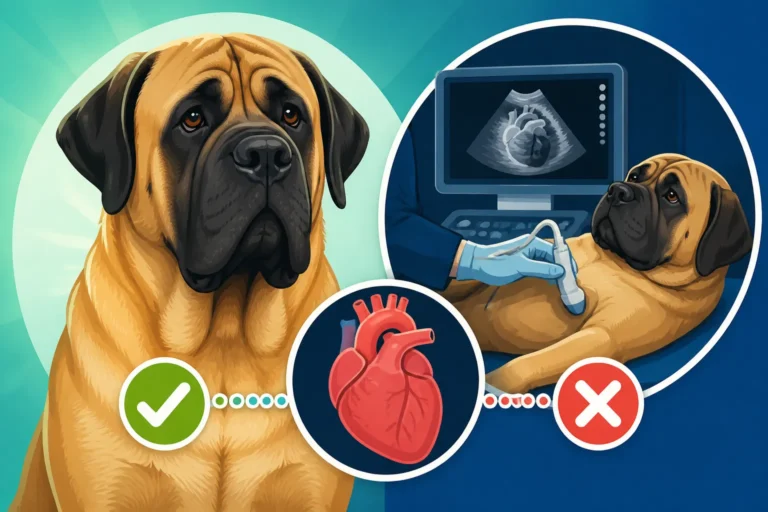
When your Mastiff arrives at the emergency clinic with suspected GDV, the veterinary team will immediately begin stabilization and diagnostic procedures. Time is of the essence. They will confirm the diagnosis, often with X-rays, to see if the stomach has indeed twisted. If GDV is confirmed, surgery is the only treatment.
The Surgical Procedure
The emergency surgery for GDV involves several critical steps:
- Stabilization: Before surgery, the veterinary team will stabilize your Mastiff. This typically includes placing IV catheters to administer fluids and medications for shock, pain relief, and heart rhythm abnormalities. They may also attempt to decompress the stomach by passing a tube or using a large needle to release gas, if possible.
- Detorsion: Once under anesthesia, the surgeon will open the abdomen, locate the stomach, and manually untwist it back to its normal position.
- Assessment of Stomach Viability: The surgeon will carefully examine the stomach tissue for signs of necrosis (tissue death) due to the lack of blood flow. Any compromised tissue will need to be removed. The spleen, which often twists with the stomach, will also be inspected; if it's severely damaged, it may need to be removed, as detailed in discussions around Bloat in the Deepest Chest of Any Breed: the Mastiff.
- Gastropexy: This is a crucial step for preventing future occurrences. A gastropexy is a procedure where the stomach is permanently sutured to the abdominal wall. While it won't prevent the initial gas dilatation, it will prevent the stomach from twisting again. This is why many owners opt for a prophylactic gastropexy during neutering or spaying, or if their Mastiff has a high risk, as discussed in When a Mastiff's Gastropexy Should Be Done. It’s important to note that even with a gastropexy, a Mastiff can still develop gastric dilatation, but the life-threatening twist is largely prevented, as confirmed by insights into Whether a Gastropexied Mastiff Can Still Bloat.
Post-Operative Care and Potential Complications
The surgery itself is intense, but the post-operative period for a Mastiff is equally critical and often fraught with potential complications. These giant dogs can be challenging to recover, and careful monitoring is essential. Potential issues include:
- Cardiac Arrhythmias: Heart rhythm disturbances are common after GDV surgery due to the shock experienced before and during the procedure.
- Peritonitis: If any stomach tissue was too damaged to be removed or perforated, infection in the abdomen can occur.
- Further Necrosis: Despite untwisting, some stomach tissue might continue to die if the blood supply was severely compromised.
- Pneumonia: Aspiration pneumonia can be a risk, especially if your Mastiff was retching profusely prior to surgery.
Your Mastiff will require intensive care, often for several days, in the veterinary hospital. They will receive IV fluids, pain medication, antibiotics, and close monitoring of their vital signs. Recovery can be slow, but with diligent care, many Mastiffs do survive and go on to live full lives, a testament to the resilience explored in Whether a Mastiff Survives Bloat Surgery. However, the cost of such an emergency can be staggering, easily reaching thousands of dollars, making pet insurance a critical consideration. Many owners find peace of mind with providers like Healthy Paws, which can significantly alleviate the financial burden during such unexpected, high-cost emergencies.
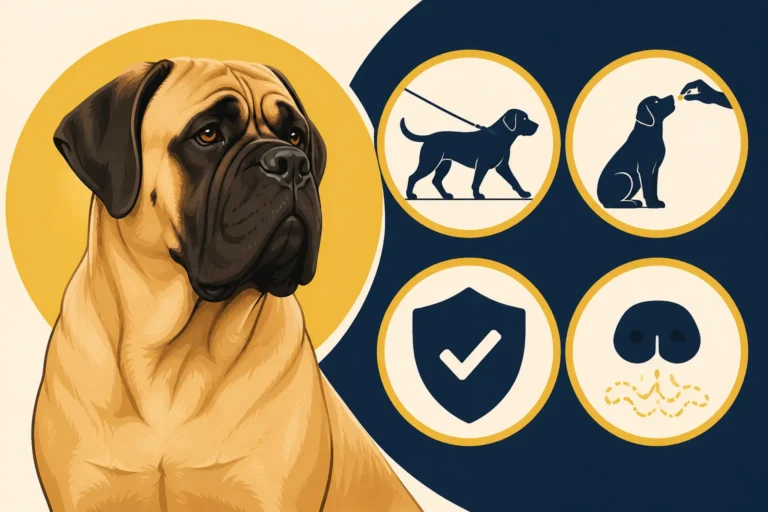
Prevention Strategies
While you can't eliminate the risk of bloat entirely, you can significantly reduce it with proactive measures:
- Multiple Small Meals: Instead of one or two large meals, feed your Mastiff two or three smaller meals throughout the day. This reduces the amount of food and gas in the stomach at any one time.
- Slow Down Eating: If your Mastiff gulps their food, use a slow feeder bowl or place a large, heavy object (like a Kong) in their regular bowl to make them eat around it. Whether a Slow Feeder Reduces a Mastiff's Bloat Risk is a question many owners ponder, and evidence suggests it can be helpful.
- Avoid Exercise Around Meal Times: Do not allow vigorous exercise an hour before or two hours after eating. This is a critical rule for giant breeds like Mastiffs; even a short rest after a meal is important, as emphasized in How Long a Mastiff Must Rest After a Meal.
- Limit Water Intake Around Meals: Don't let your Mastiff gulp down huge amounts of water immediately after eating. Offer smaller amounts more frequently.
- Manage Stress: Try to keep your Mastiff's environment calm, especially around meal times.
- Consider Prophylactic Gastropexy: As mentioned, this surgical procedure can be done electively and significantly reduces the risk of the stomach twisting, preventing a future GDV emergency. It's often performed at the same time as spaying or neutering.
- Pet Insurance: Given the incredibly high cost of GDV emergency surgery—which can be anywhere from $3,000 to $10,000 or more, especially when considering What a Mastiff's Weight Does to Every Line on the Vet Invoice and the added complexities of a Mastiff's size, not to mention that Why Anesthesia Is Riskier in a Mastiff might lead to additional monitoring costs—pet insurance is invaluable. Companies like Healthy Paws offer comprehensive coverage that can protect you from devastating financial choices during such a crisis, allowing you to focus solely on your Mastiff's recovery rather than the exorbitant bill. Having a plan in place with a reputable insurer like Healthy Paws can truly be a lifesaver, both for your dog and your wallet.
Remember, prevention and immediate action are your strongest tools against bloat. Being prepared can mean the difference between life and death for your beloved Mastiff.
Disclaimer
This article is intended for informational purposes only and does not constitute medical advice. Always consult with a qualified veterinary professional for any health concerns or before making any decisions about your Mastiff's care. In case of a suspected emergency like bloat, seek immediate veterinary attention.