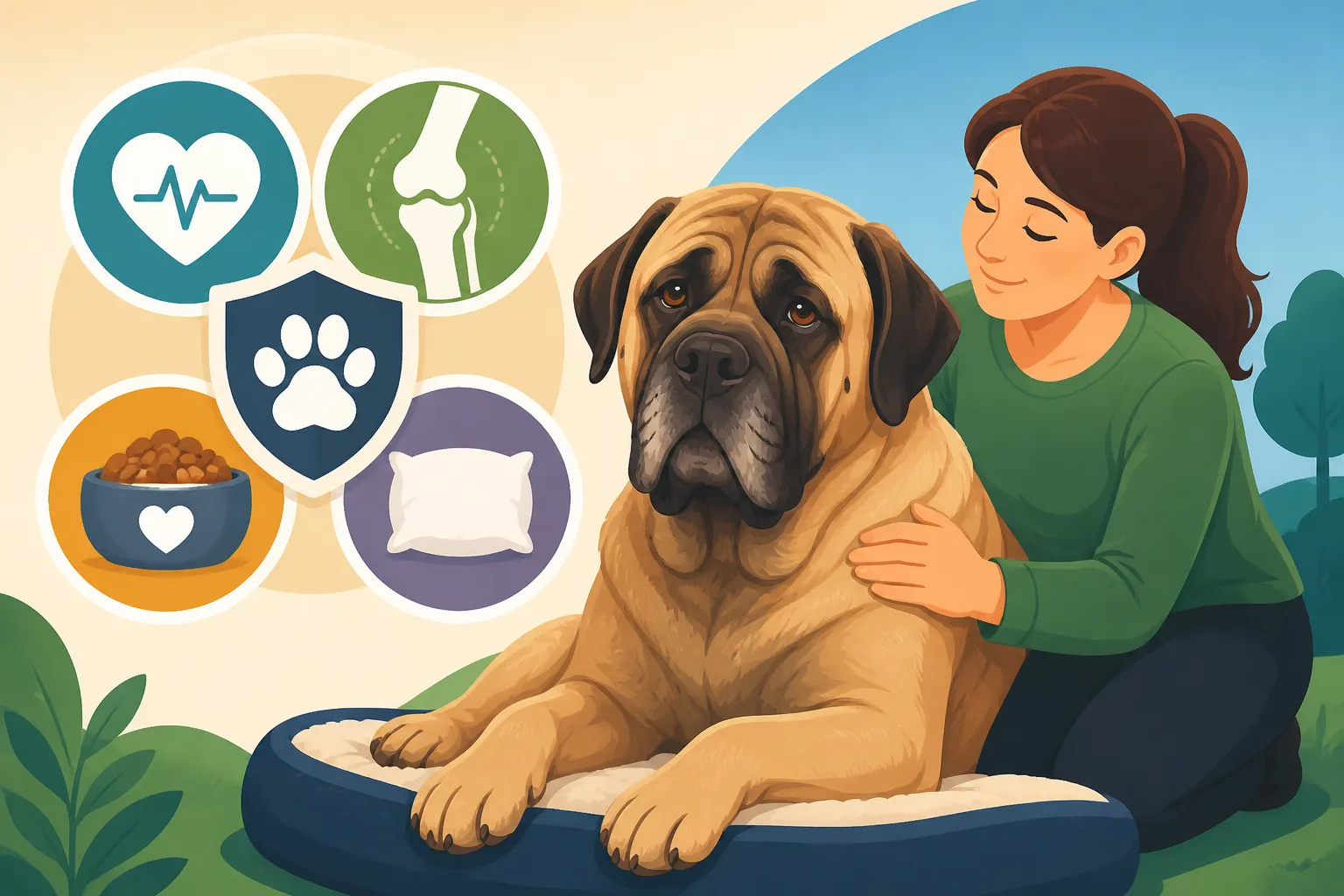
Caring for a Mastiff Past Five
As a Mastiff owner, the realization that your magnificent companion is entering their senior years can be bittersweet. At five years old, these gentle giants are already considered mature adults, and their unique physiology means that their aging process often accelerates beyond what we might expect from smaller breeds. This comprehensive guide is dedicated to helping you navigate the specific joys and challenges of caring for a Mastiff past five, ensuring their comfort, dignity, and continued well-being through their golden years.
Understanding the Mastiff's Unique Aging Process
The lifespan of a Mastiff, typically ranging from six to ten years, means that they mature and age more rapidly than many other dogs. This accelerated timeline means we need to be particularly attentive to the subtle shifts that indicate their body is changing, even if they still seem robust on the outside.
When "Old" Truly Begins for a Mastiff
For many dog breeds, "senior" status is typically considered around 7-8 years of age. However, for a giant breed like the Mastiff, this milestone arrives much earlier. Most veterinarians and experienced Mastiff owners agree that a Mastiff is truly considered old at five years. This isn't a hard and fast rule, of course; some Mastiffs might still be full of youthful vigor at five, while others may start showing signs of slowing down a little earlier. But generally, the fifth birthday marks a pivot point where you should consciously shift your perspective to senior care. It's a time when their body begins to experience cumulative wear and tear, and metabolic processes start to slow down. Just like us, every Mastiff ages at its own pace, but acknowledging this earlier transition is key to proactive care. For more on this, you might find our article on Why a Mastiff Is Old at Five particularly insightful.
It's not about them becoming fragile overnight, but rather about a gradual decrease in their reserves. Their massive frames mean that their joints have been bearing significant weight for years, and their internal organs have been working harder to support that large body. This early onset of senior status means that while they may still seem strong, their bodies are undergoing internal changes that require a more tailored approach to their care. We need to anticipate these changes rather than simply react to them as they appear.
The Physical and Behavioral Changes to Expect
As your Mastiff moves past five, you'll start to notice various physical and behavioral changes that signal their journey into seniority. Physically, you might observe a decrease in their overall energy levels. That boisterous puppy energy, which probably faded around their second or third year, will likely give way to a more sedate demeanor. They might be less enthusiastic about long walks or intense play sessions, preferring shorter, more frequent outings or simply lounging around the house. It's not uncommon for a Mastiff to start to slow at this age.
You may also notice changes in their coat – it might become coarser, thinner, or develop more gray hairs, especially around the muzzle and eyes. Their once vibrant eyes might become a little cloudy, a condition known as lenticular sclerosis, which is a normal part of aging and typically doesn't impair vision significantly. Behaviorally, some Mastiffs become more set in their ways, perhaps a little less tolerant of changes in routine or unfamiliar situations. Others might become even more cuddly and dependent, seeking out their human companions for comfort and reassurance. Their sleep patterns can also change, with more frequent naps throughout the day but potentially more restlessness at night.
Weight changes are another common observation. Some senior Mastiffs may gain weight due to decreased activity and a slower metabolism, while others might start to lose muscle mass, leading to a leaner, almost bony appearance, particularly around their hips and shoulders. It's a delicate balance to strike as you manage their diet and exercise to maintain a healthy body condition. Observing these subtle shifts is crucial for tailoring their care to their evolving needs, and understanding that these are normal parts of the aging process can help you respond with patience and empathy.
Common Health Challenges in Senior Mastiffs
The sheer size of a Mastiff, while impressive, unfortunately predisposes them to a range of health issues that can become more prevalent and severe in their later years. Being aware of these common challenges allows us to be proactive and seek veterinary intervention early.
Joint Issues: Arthritis and Mobility Decline
One of the most pervasive issues for aging Mastiffs is the deterioration of their joints. Their massive weight puts immense strain on their hips, elbows, and other joints throughout their lives, leading to the development of osteoarthritis. You might start noticing your Mastiff is slower to get up from a resting position, exhibits stiffness after naps, or shows a reluctance to climb stairs or jump into the car. These subtle signs are often the first indicators that arthritis in a Mastiff at four years old or later is setting in. The pain can vary from mild discomfort to severe, debilitating agony, impacting their quality of life significantly.
Managing arthritis often involves a multi-pronged approach. Your veterinarian might recommend non-steroidal anti-inflammatory drugs (NSAIDs) to reduce pain and inflammation, along with other pain medications if needed. Joint supplements for a Mastiff, such as glucosamine, chondroitin, and MSM, can also play a vital role in supporting joint health and slowing cartilage degradation. These are often started preventatively even before obvious signs appear. Physical therapy, gentle exercises, and maintaining a lean body weight are also crucial for preserving mobility. We often underestimate the silent suffering that joint pain can cause, making it essential to work closely with your vet to find the best management plan.
Beyond traditional arthritis, giant breeds can also be prone to conditions like osteochondritis dissecans (OCD) in younger years, which can predispose them to earlier onset arthritis, or simply the general wear and tear that contributes to a Mastiff's reduced mobility in later life. Ensuring adequate, well-cushioned bedding and avoiding slippery surfaces can also significantly improve their daily comfort. Regular check-ups become paramount to monitor their joint health and adjust treatments as needed, helping them remain as comfortable and mobile as possible for as long as they can.
Cardiovascular Health and Internal Organ Function
The large size of a Mastiff also places a greater demand on their heart and other internal organs. As they age, the risk of cardiovascular diseases, such as dilated cardiomyopathy (DCM), increases. While not as prevalent as in some other giant breeds, DCM can still affect Mastiffs, leading to a weakened heart that struggles to pump blood effectively. Signs might include reduced exercise tolerance, coughing, or even fainting spells. It's not always easy to tell if a Mastiff gets dilated cardiomyopathy without veterinary diagnostics. Therefore, it’s always a good idea to discuss any changes in breathing or energy with your vet.
Beyond the heart, other organs like the kidneys and liver can also experience age-related decline. These organs play crucial roles in filtering waste and metabolizing nutrients and medications. Kidney disease, for instance, can lead to increased thirst, frequent urination, and weight loss. Liver issues might manifest as lethargy, loss of appetite, or jaundice. Regular blood work, typically recommended annually for senior Mastiffs, is vital for monitoring the function of these organs, allowing for early detection and intervention. Changes in diet or medication might be necessary to support compromised organs and slow the progression of disease.
Proactive veterinary care for cardiovascular and organ health in a senior Mastiff should ideally begin before symptoms are obvious. This means asking your vet if a Mastiff needs a cardiac exam as part of their routine senior check-ups, even if there are no apparent symptoms. These exams might include a physical assessment, blood pressure measurement, and potentially an echocardiogram or chest X-rays to assess heart size and function. Early detection of any issues provides the best chance for effective management and can significantly extend your Mastiff's quality of life.
Vision and Hearing Loss
Just like humans, Mastiffs can experience a decline in their senses as they age. Vision loss is a common occurrence, ranging from mild blurriness to complete blindness. Conditions like cataracts, which cloud the lens of the eye, or progressive retinal atrophy (PRA), which degenerates the retina, can impair their sight. While PRA can manifest at various ages, any vision change in a senior Mastiff should be assessed. The age a Mastiff's vision starts to go can vary, but by five, you may start noticing subtle changes, especially in low light.
Signs of vision loss might include bumping into furniture, hesitating to go down stairs, or becoming more startled by sudden movements. Fortunately, Mastiffs, being intelligent and adaptable, often cope remarkably well with vision impairment, especially in a familiar environment. If a Mastiff goes fully blind from PRA, they can still lead a full and happy life with a little help. Keeping furniture in consistent locations, using scent cues, and maintaining a predictable routine can help them navigate their world. For instance, putting different scented oils on furniture corners can help them map their environment.
Hearing loss is also common in senior Mastiffs, typically a gradual process that can go unnoticed at first. You might observe them not responding to their name, failing to hear the doorbell, or sleeping through loud noises. Communication can become challenging, but visual cues and hand signals can often compensate. It’s important to approach them gently to avoid startling them. Regular eye exams, including checking for cataracts, and an awareness of these sensory changes are crucial for adapting your home and routine to support your aging Mastiff, allowing them to remain engaged and comfortable.
Increased Cancer Risk
Tragically, cancer is a leading cause of death in senior Mastiffs and other large breeds. Their shorter lifespans often mean they don't succumb to the same age-related organ failures as smaller dogs but instead face a higher propensity for various cancers. Osteosarcoma, a aggressive bone cancer, is particularly prevalent in giant breeds, often appearing in the limbs. Lymphoma, mast cell tumors, and hemangiosarcoma are also among the types of cancer Mastiffs get. The vast majority of these cancers are detected when they are already quite advanced.
Detecting cancer early in a Mastiff can be challenging. Symptoms can be vague and easily mistaken for other age-related issues, such as lameness from arthritis, or a general decline in energy. Persistent limping, unexplained weight loss, loss of appetite, new lumps or bumps, changes in bathroom habits, or any unusual swelling should prompt an immediate veterinary visit. While many lumps on a Mastiff are benign fatty tumors (lipomas), it's always best to have any new growth aspirated or biopsied to rule out malignancy.
Proactive monitoring is vital. Regular full-body checks at home, feeling for any new bumps or tenderness, combined with routine veterinary check-ups (including blood work and potentially X-rays if warranted) can increase the chances of early detection. Discussing a specific protocol with your vet for monitoring your senior Mastiff for cancer is a good idea. While the diagnosis of cancer is devastating, advancements in veterinary oncology offer various treatment options, from surgery and chemotherapy to palliative care, which can extend both life and quality of life. Considering pet insurance options, like those offered by Healthy Paws, early in your Mastiff's life can help buffer the significant financial impact of cancer treatments, ensuring you can make decisions based on their health rather than cost.
Nutritional Adjustments and Weight Management
As your Mastiff enters their senior years, their metabolism slows down, their activity levels decrease, and their nutritional needs shift significantly. What they ate as a robust adult might no longer be appropriate, and careful attention to their diet becomes critical for managing their health.
Tailoring Diet for Senior Needs
Transitioning your Mastiff to a senior-specific diet around age five is a smart move. These specialized formulas are designed to accommodate the changing metabolic rate and activity levels of older dogs. Typically, senior dog foods are lower in calories to help prevent weight gain, which is a common issue as their exercise decreases. They also tend to have a different nutrient profile, often with increased fiber for digestive health, and higher levels of essential fatty acids (like Omega-3s) to support skin, coat, and cognitive function. What changes in an old Mastiff's bowl should be a deliberate, gradual process, transitioning over 7-10 days to avoid digestive upset.
Many senior formulas also include enhanced levels of joint-supporting ingredients such as glucosamine and chondroitin, which can complement any additional supplements you're providing. The protein content in senior diets is often adjusted as well; while some older dogs benefit from slightly higher protein to combat muscle wasting, it's crucial that this protein is highly digestible and from high-quality sources, especially if kidney function is a concern. Always consult with your veterinarian before making significant dietary changes, especially if your Mastiff has any pre-existing health conditions. They can help you choose a formula that best suits your individual Mastiff's health profile and activity level.
Remember that portion control becomes even more critical in their senior years. A slower metabolism means fewer calories are burned, so even a slight overfeeding can quickly lead to unhealthy weight gain. Using a precise measuring cup and sticking to a consistent feeding schedule can help. Treats should be given sparingly and be low in calories. It’s not just about the type of food, but also the amount, to ensure they maintain a healthy weight without feeling deprived.
Hydration and Digestive Support
Proper hydration is paramount for senior Mastiffs. As dogs age, their thirst drive can sometimes diminish, and they might not drink as much water as they should, especially if they are experiencing cognitive decline or discomfort from arthritis that makes it harder to get to their water bowl. Dehydration can exacerbate kidney problems, lead to constipation, and generally impact their overall well-being. Ensuring multiple, easily accessible water bowls throughout the house, filled with fresh, clean water, is essential. Some owners find that adding a little water to their kibble or incorporating wet food into their diet can help increase their fluid intake.
Digestive health can also become more sensitive in senior Mastiffs. A slower digestive tract can lead to issues like constipation, and their ability to absorb nutrients might decrease. Senior diets often include higher fiber content to promote regularity. Probiotic supplements can also be beneficial in maintaining a healthy gut microbiome, which in turn supports digestion and nutrient absorption. If your Mastiff experiences frequent digestive upsets, such as diarrhea or vomiting, it's crucial to consult your vet, as this could indicate an underlying health issue or a need for further dietary adjustments.
Monitoring your senior Mastiff's stool consistency and frequency is a simple yet effective way to gauge their digestive health. Any drastic changes warrant a call to your vet. Providing easily digestible meals, potentially smaller, more frequent meals, can also ease the burden on their digestive system. A well-hydrated and healthy gut contributes significantly to their overall comfort and energy levels, ensuring they get the most out of their food and can continue to enjoy their meals.
The Importance of a Lean Body Condition
Maintaining a lean body condition is arguably one of the most impactful things you can do for your senior Mastiff's health and longevity. Excess weight places enormous strain on their already vulnerable joints, exacerbating arthritis pain and accelerating joint degeneration. It also contributes to a host of other health problems, including cardiovascular disease, diabetes, and even some cancers. While it's tempting to let our beloved giants become a bit chunky as they age, a few extra pounds on a Mastiff can be the equivalent of dozens of pounds on a human, with severe consequences for their quality of life and lifespan. The aim should always be to keep a Mastiff lean on purpose.
Learning to assess your Mastiff's body condition is crucial. You should be able to easily feel their ribs without pressing hard, and they should have a discernible waist when viewed from above. When viewed from the side, their abdomen should tuck up slightly, rather than hanging low. If you're struggling to feel their ribs or see a waist, it's likely they are overweight. Many Mastiff owners mistakenly equate a heavy, stocky build with health, but for senior giants, a leaner physique is a healthier one. You can read more about how to assess this in Feeling for a Mastiff's Ribs Under Its Bulk.
Working with your vet to establish an ideal target weight and a sensible weight loss plan, if necessary, is essential. This might involve reducing calorie intake, switching to a weight-management diet, and incorporating gentle, consistent exercise. While it can be challenging to restrict food when your Mastiff gives you those pleading eyes, remember that you are doing it out of love, to extend their comfortable years. The difference a lean body condition makes in the comfort and mobility of an arthritic Mastiff is truly remarkable, allowing them to enjoy their golden years more fully. Studies consistently show that a lean Mastiff lives longer, highlighting the profound impact of this aspect of care.
Maintaining Mobility and Comfort in the Home
As your Mastiff ages, maintaining their comfort and mobility within their home environment becomes paramount. Their decreasing agility and strength mean that simple daily activities can become challenging, and adapting your living space can make a world of difference.
Orthopedic Bedding and Safe Flooring
One of the most immediate and impactful changes you can make for a senior Mastiff is to invest in high-quality orthopedic bedding. Their large, heavy bodies are prone to developing painful pressure sores and calluses, especially on elbows and hips, if they lie on hard surfaces for extended periods. A thick, supportive orthopedic bed provides crucial cushioning and insulation, alleviating pressure on their joints and promoting restful sleep. It’s not just about softness; it's about dense, supportive foam that doesn't flatten under their substantial weight. You need to consider how thick a bed a Mastiff needs to truly offer adequate support. Many excellent options from brands like Big Barker or K9 Ballistics are specifically designed for giant breeds.
Beyond bedding, the type of flooring in your home can significantly impact a senior Mastiff's mobility. Slippery surfaces like hardwood, tile, or laminate can be treacherous for dogs with weakened legs, arthritis, or proprioceptive deficits. They can easily slip, leading to painful falls, injuries, and a fear of moving around. What bare floors do to a growing Mastiff can cause issues early on, but it's even worse for an older dog. Ideally, your Mastiff should have access to carpeted areas, runners, or non-slip mats throughout the house, especially in high-traffic zones and areas where they frequently rest. What flooring suits a Mastiff in their senior years is often about maximizing traction and minimizing the risk of slips.
If replacing flooring isn't feasible, consider placing inexpensive bath mats or carpet runners strategically. Even trimming the hair between their paw pads can improve their grip. The goal is to create a safe, stable environment where your Mastiff can move around confidently and comfortably without the constant fear of losing their footing. This small change can prevent serious injuries and greatly enhance their willingness to move, which in turn helps maintain muscle mass and joint health.
Aids for Assistance and Preventing Falls
As mobility declines, your Mastiff may need a little extra help with everyday tasks to prevent falls and maintain their independence. Lifting an old Mastiff that cannot get up on their own can be a significant challenge given their size, but there are tools to assist. Full-body harnesses with handles, such as those from Ruffwear or Help 'Em Up, can be invaluable. These harnesses allow you to provide stable support for their hindquarters or throughout their body, helping them stand up, navigate stairs, or get in and out of a vehicle without putting undue strain on your back or their painful joints. A good harness should distribute weight evenly and be comfortable for extended wear.
Ramps are another essential aid, particularly for vehicles or if you have a few steps leading into your home. A solid, non-slip ramp can allow your Mastiff to enter and exit the car safely and independently, avoiding jarring jumps that can injure their joints. Remember, for a giant breed, any impact is amplified. If you have stairs indoors, consider blockading access or, if possible, training them to use a ramp, though many old Mastiffs will find stairs increasingly difficult. You might find our piece on Why Stairs Are Worse for a Mastiff Than Any Breed offers more context. For those who cannot physically manage a Mastiff, especially if they have fallen, having a plan in place, such as contacting a veterinary service with large animal transport capabilities, is wise.
Beyond equipment, simple behavioral adaptations can help. Encourage short, frequent bathroom breaks to avoid accidents and reduce the time they need to hold their bladder, which can be uncomfortable for an older dog. Maintain a consistent routine to reduce anxiety and disorientation, especially if they are experiencing cognitive decline or vision loss. These small adjustments, combined with assistive devices, ensure your Mastiff can continue to participate in family life with dignity and minimize the risk of injury for both of you.
Gentle Exercise and Enrichment
While your senior Mastiff won't be joining you for marathons, gentle, consistent exercise remains vital for their physical and mental well-being. Regular movement helps maintain muscle mass, flexibility, and joint health, prevents stiffness, and can aid in weight management. Over-exercising an older Mastiff can do more harm than good, so the key is moderation and listening to your dog. Short, slow walks on soft surfaces like grass are ideal. The duration and intensity should be adjusted based on their individual comfort level and energy. On particularly bad joint days, a very short stroll around the yard might be all they can manage. You should definitely question whether an old Mastiff should still be walked long distances or during extreme weather.
Water therapy, such as supervised swimming in a pool or a calm lake, can be an excellent low-impact exercise for senior Mastiffs, if they enjoy it. The buoyancy of the water takes the pressure off their joints while allowing them to build muscle and improve range of motion. However, ensure safety, as Mastiffs are not naturally buoyant and tire easily. You might consider looking at Whether a Mastiff Should Swim for Its Joints for more information.
Mental enrichment is just as important as physical exercise for aging Mastiffs. Engage their minds with puzzle toys, scent games (hiding treats for them to find), or short, familiar training sessions that reinforce basic commands. These activities prevent boredom, keep their minds sharp, and strengthen your bond. Even a few minutes of gentle interaction, a quiet cuddle, or a slow groom can provide significant comfort and connection. The goal is to provide activities that are enjoyable, safe, and tailored to their diminishing physical capabilities, ensuring they remain an engaged and happy member of your family throughout their senior years.
Proactive Veterinary Care and Monitoring
As your Mastiff ages, their veterinary care needs become more specialized and frequent. Moving from annual check-ups to twice-yearly visits is highly recommended to catch potential issues early and manage chronic conditions effectively.
Regular Check-ups and Early Detection
For senior Mastiffs, biannual (every six months) veterinary check-ups are ideal. These visits allow your vet to closely monitor any developing health concerns, assess their pain management, and adjust treatments as needed. During these check-ups, your vet will perform a thorough physical examination, paying close attention to their joints, teeth, eyes, ears, and any new lumps or bumps. They will also assess their weight and body condition, and discuss any changes you’ve noticed in their behavior, appetite, or bathroom habits.
Beyond the physical exam, comprehensive blood work is usually recommended annually, or even biannually, for senior Mastiffs. This includes a complete blood count (CBC), a chemistry panel (to assess organ function like kidneys and liver), and a thyroid panel. A urinalysis is also a crucial part of this diagnostic work-up. These tests provide invaluable insights into their internal health, often detecting issues like kidney disease, diabetes, or early signs of other conditions long before clinical symptoms become apparent. Early detection allows for earlier intervention, which can significantly improve outcomes and quality of life. For instance, catching kidney disease early might mean a simple dietary change could prolong their comfort.
The cost of these regular check-ups and diagnostic tests can add up, but they are an investment in your Mastiff's health. This is where comprehensive pet insurance can be a huge help. Many owners with plans like Healthy Paws find relief knowing that a significant portion of their senior Mastiff's diagnostic tests and ongoing treatments are covered, allowing them to prioritize their pet's health without financial stress. Planning for these expenses is a key part of responsible senior Mastiff ownership.
Pain Management Strategies
Pain management is a critical component of caring for a senior Mastiff, especially given their predisposition to arthritis and other degenerative conditions. Many owners mistakenly believe that their dog is "just slowing down" when in reality, they are in chronic pain. Recognizing the subtle signs of pain, such as reluctance to move, limping, changes in gait, irritability, or excessive licking of a painful area, is the first step. Your veterinarian will work with you to develop a tailored pain management plan, which often involves a combination of therapies.
Non-steroidal anti-inflammatory drugs (NSAIDs) are commonly prescribed to reduce inflammation and pain associated with arthritis. However, long-term use requires careful monitoring of kidney and liver function through regular blood work. Other medications, such as gabapentin for neuropathic pain or amantadine for chronic pain sensitization, might be added to create a multi-modal approach. Injectable joint medications, such as polysulfated glycosaminoglycans (PSGAGs) or monoclonal antibody therapies (like Librela), can also provide significant relief for many Mastiffs, reducing pain and improving mobility. These therapies can often provide weeks or months of comfort with a simple injection.
Beyond medication, complementary therapies can also play a role. These include acupuncture, therapeutic laser, and physical therapy exercises designed to strengthen muscles and improve range of motion. Warm compresses or gentle massage can provide local relief for stiff muscles. Creating a comfortable, supportive home environment, as discussed earlier, is also a vital part of managing their pain. The goal is not just to alleviate pain but to improve their overall comfort and restore as much mobility and joy to their daily lives as possible.
Anesthesia Considerations for Senior Mastiffs
As Mastiffs age, the risks associated with anesthesia increase due to potential underlying health issues, such as heart disease, kidney or liver dysfunction, and a slower metabolism. However, senior Mastiffs may still require procedures that necessitate anesthesia, such as dental cleanings, tumor removals, or diagnostics. It’s a delicate balance between the necessity of the procedure and the potential risks. Understanding why anesthesia is riskier in a Mastiff is crucial for informed decision-making. Their large body mass makes dosage calculations more complex, and their slower metabolism means drugs stay in their system longer.
Before any anesthetic procedure, a thorough pre-anesthetic work-up is absolutely essential for a senior Mastiff. This typically includes a full physical exam, complete blood work (CBC, chemistry panel, thyroid), urinalysis, and often chest X-rays and an electrocardiogram (ECG) to assess heart function. These tests help identify any hidden health issues that could increase anesthetic risk, allowing the veterinary team to tailor the anesthetic protocol and choose the safest drugs and dosages. For instance, if kidney function is compromised, certain drugs will be avoided.
During the procedure, vigilant monitoring is critical. This includes continuous measurement of heart rate, respiratory rate, blood pressure, oxygen saturation, and body temperature. Giant breeds are particularly susceptible to hypothermia during anesthesia, so active warming measures are important. An intravenous catheter and fluids are always used to maintain hydration and blood pressure. It is also common for a dedicated veterinary technician to monitor the Mastiff solely throughout the procedure. Post-anesthetic recovery also requires close observation as senior Mastiffs can take longer to fully wake up. Discuss all concerns with your vet, ensure they have experience with large breed anesthesia, and ask about their specific monitoring protocols to ensure the safest possible outcome for your beloved senior Mastiff.
Ensuring Quality of Life: Mental and Emotional Support
Caring for a senior Mastiff goes far beyond physical health; their mental and emotional well-being are equally important. As they age, changes in their senses and cognitive function can impact their daily lives, and providing consistent, loving support is key to their happiness.
Cognitive Changes and Environmental Adaptations
Just like people, Mastiffs can experience age-related cognitive decline, sometimes referred to as Canine Cognitive Dysfunction (CCD). This can manifest as disorientation (getting lost in familiar surroundings), changes in social interaction (less interaction with family, or increased clinginess), altered sleep-wake cycles (pacing at night), house soiling accidents, and decreased activity levels. It's often heartbreaking to see your intelligent companion struggle with once-familiar routines. Recognizing these signs early allows for interventions that can slow the progression and improve their quality of life.
Environmental adaptations are crucial for a Mastiff with cognitive changes. Maintaining a consistent routine for feeding, walks, and potty breaks can reduce anxiety and confusion. Avoid rearranging furniture or making drastic changes to their living space, as familiarity provides security. If their vision or hearing is declining along with their cognition, these adaptations become even more important. Using night lights in pathways, keeping their water and food bowls in easily accessible and consistent locations, and ensuring easy access to their comfortable bed can make a big difference.
There are also medical and nutritional strategies to support cognitive function. Your vet might recommend supplements containing antioxidants, Omega-3 fatty acids, and medium-chain triglycerides, or even prescription diets specifically formulated for brain health. Medications can also be prescribed to help manage symptoms like anxiety or sleep disturbances associated with CCD. These interventions, combined with a patient and loving approach, can help maintain their mental engagement and keep them feeling secure in their environment.
Continued Socialization and Gentle Interactions
Even as they slow down, senior Mastiffs still thrive on social interaction and affection from their family. While they might not be up for boisterous play with other dogs or demanding visits to busy dog parks, continued gentle socialization is important for their emotional well-being. This might involve quiet visits with familiar, calm dogs, or gentle interactions with trusted human friends. The goal is to provide positive, low-stress social experiences that keep them feeling connected without overwhelming them.
Your Mastiff's bond with you, their human companion, often deepens in their senior years. They may seek more physical closeness, leaning against you or following you from room to room. Respond to these overtures with gentle pets, quiet reassurance, and loving attention. This consistent connection provides immense comfort and security. Avoid scolding them for age-related accidents or slowness, as this can increase their anxiety and erode their trust. Patience and understanding are your most valuable tools.
Daily routines that involve gentle interaction, like grooming sessions, soft massages, or simply sitting quietly together, reinforce their place in the family and provide mental stimulation. Talk to them often, even if their hearing is declining; the tone of your voice can still convey love and comfort. Continued engagement helps prevent loneliness and depression, which can affect older dogs, ensuring that their later years are filled with the warmth and affection they deserve.
The Bond That Deepens With Age
There's something incredibly special about the bond you share with an aging Mastiff. Through their impressive puppyhood, their calm adult years, and now their graceful journey into seniority, you've shared countless memories. As their physical capabilities diminish, the depth of your emotional connection often grows even stronger. They become more dependent on you, not just for physical care, but for comfort, security, and reassurance.
Witnessing your Mastiff's journey through their senior years can be a profound experience, filled with both poignant moments and deep satisfaction. You become their advocate, their protector, and their most trusted confidant. The simple act of providing a soft bed, a gentle hand, or a quiet moment of shared presence takes on new significance. This period is a testament to the unconditional love they’ve given you and your opportunity to return it fully.
Embrace these golden years with patience and an open heart. Each gray hair, each slower step, is a reminder of the precious time you've had together. Celebrate their enduring spirit, their gentle nature, and the unwavering loyalty that has defined your relationship. The wisdom in their eyes, the comfort of their presence, and the profound love they offer will continue to enrich your life in ways you never imagined, even as you prepare for the inevitable goodbyes.
Preparing for End-of-Life Decisions
One of the most difficult aspects of owning a senior Mastiff is the eventual need to make end-of-life decisions. While it’s a topic no one wants to dwell on, planning ahead and understanding your options can provide comfort and ensure your beloved companion’s final days are as peaceful and pain-free as possible.
Recognizing Signs of Decline
Identifying when your Mastiff’s quality of life has significantly diminished is a heartbreaking but essential responsibility. It's not always a clear-cut moment but often a gradual accumulation of bad days outweighing the good. Look for persistent signs of chronic pain that can no longer be adequately managed with medication, severe loss of appetite and weight, extreme lethargy, an inability to stand or move without significant distress, or frequent accidents. A loss of interest in once-loved activities, like greeting you at the door, enjoying their favorite treats, or interacting with family, can also be a strong indicator.
It can be difficult to objectively assess your own pet’s decline when emotions are running high. Consider using a "quality of life" scale or journal to track your Mastiff's good days versus bad days. This objective record can help you and your veterinarian make an informed decision. Discussing these changes with your vet openly and honestly is crucial; they can offer an objective perspective and help you understand the severity of their condition. Asking them, "Am I making the decision for an old Mastiff too soon, or waiting too long?" can provide much-needed guidance.
Remember, the goal is to prevent prolonged suffering. While we naturally want every extra moment with our cherished companions, true love often means putting their needs and comfort above our own grief. It's an act of profound compassion to recognize when their pain or discomfort can no longer be managed and to grant them a peaceful release.
Discussing Euthanasia and Hospice Care with Your Vet
Once you’ve recognized that your Mastiff’s quality of life is declining, discussing your options with your veterinarian is the next step. Veterinary hospice care is a growing field that focuses on providing comfort and support to terminally ill pets and their families. This can involve specialized pain management, nutritional support, mobility assistance, and maintaining hygiene for as long as possible in the comfort of their home environment. Hospice care aims to maximize their comfort and preserve dignity during their final weeks or months, buying precious time while prioritizing their well-being.
When the time comes, euthanasia is a compassionate decision that prevents further suffering. Your vet will explain the process, which is typically gentle and peaceful. Many veterinary clinics offer private rooms for this sensitive moment, and some even provide in-home euthanasia services, allowing your Mastiff to pass away in their familiar surroundings, surrounded by their loved ones. Discussing where and how this will take place beforehand can alleviate some stress during an incredibly emotional time.
It's also important to consider the practicalities, such as aftercare for your Mastiff. Options typically include private cremation (where you receive their ashes back), communal cremation, or burial. Making these decisions in advance can help you focus on grieving when the moment arrives. The financial aspect of end-of-life care, including euthanasia and aftercare, should also be discussed. While it’s not pleasant to think about, having pet insurance like Healthy Paws can sometimes cover a portion of these costs, easing the burden during a time of immense emotional strain. Preparing for these conversations, however difficult, is a final act of love and responsibility to your cherished Mastiff.
Grieving and Remembering Your Beloved Mastiff
The loss of a Mastiff, a truly magnificent and deeply loved family member, leaves an immense void. The grief you experience is valid and profound, and it's essential to allow yourself the time and space to mourn. Don't let anyone diminish your pain by suggesting "it was just a dog"; your Mastiff was a unique and irreplaceable part of your life. Everyone grieves differently, and there's no right or wrong way to feel. Allow yourself to cry, to feel angry, to feel numb—whatever emotions come.
Many resources are available to help you navigate this difficult time. Pet bereavement counseling, online support groups, or even talking to friends and family who understand your bond with your Mastiff can provide comfort. There are also beautiful ways to remember your beloved companion. Memorial items such as paw prints, custom portraits, cremation jewelry, or a special spot in your garden can serve as tangible reminders of the love you shared. Planting a tree in their honor or making a donation to a Mastiff rescue in their name are also meaningful tributes.
The memories you shared with your Mastiff will be a source of comfort long after they are gone. Cherish the photos, the silly stories, and the quiet moments. Their spirit, their gentle presence, and the lessons they taught you about unconditional love will live on in your heart. While the pain of their absence may linger, the love you shared will endure, a testament to the incredible journey you embarked on together.
Disclaimer
The information provided in this guide is intended for educational purposes only and should not be considered a substitute for professional veterinary advice. Always consult with your veterinarian for any health concerns or before making any decisions about your Mastiff's care, especially as they enter their senior years. Individual needs may vary, and only a qualified veterinary professional can provide accurate diagnoses and treatment plans.