Why a Mastiff Is Old at Five
It's a really tough pill to swallow when you realize your magnificent Mastiff, a dog who still seems like a big, goofy puppy in many ways, is already considered "old" at just five years of age. For many of us, when we think of a dog reaching middle age, we imagine them perhaps around seven or eight, still with plenty of youthful vigor. But with a Mastiff, that timeline is drastically compressed, and understanding why is crucial to providing them with the best possible care during their precious, albeit shorter, golden years. This guide will walk you through the surprising reality of Mastiff aging, explaining the factors that lead to this accelerated timeline and how you can best support your beloved giant as they mature.
The Accelerated Aging Phenomenon in Giant Breeds
When you bring a Mastiff puppy home, you envision years of companionship, of course. But the truth about giant breeds is that their rapid growth and immense size, while awe-inspiring, come with a built-in biological clock that ticks far faster than that of their smaller canine cousins. It's a stark reality that can catch many owners off guard.
More Than Just "Dog Years"
Forget the old adage of one human year equaling seven dog years; that simple calculation really falls apart when you're talking about a Mastiff. This formula might have some vague applicability to medium-sized breeds, but it's wildly inaccurate for a dog that can weigh over 200 pounds. The scientific community has been studying the fascinating, yet heartbreaking, phenomenon of accelerated aging in large and giant breeds for quite some time. What they've found is that bigger dogs, generally speaking, simply age at a quicker pace on a cellular level. Their bodies undergo more rapid development and, consequently, more rapid degeneration.
It’s not just a matter of external appearance; it’s happening deep within their systems. Their cells are dividing, regenerating, and performing all their metabolic functions at an intensified rate compared to a tiny Chihuahua. This means that processes like cellular repair and waste removal, which contribute to longevity in smaller breeds, are working overtime in a Mastiff, leading to a faster accumulation of cellular damage and wear and tear. This biological reality means that while your Mastiff might still act playful, their internal systems are showing signs of maturity, or even decline, much sooner than you'd expect from a dog of comparable "human" age.
The "Trade-Off" Hypothesis
Scientists have put forward various theories to explain this accelerated aging, often referred to as the "trade-off" hypothesis. One prominent idea suggests that the rapid growth spurt and colossal size of giant breeds come at a significant metabolic cost. Their bodies are working incredibly hard in their first couple of years just to build and sustain such a massive frame. This intense early-life effort might deplete cellular resources or lead to an earlier onset of age-related diseases.
Another key area of research focuses on growth hormones, specifically Insulin-like Growth Factor 1 (IGF-1). Smaller dogs tend to have lower levels of IGF-1, which has been linked to increased longevity in many species. Conversely, giant breeds, with their impressive size, often have higher levels of IGF-1, which promotes rapid growth but might also contribute to faster aging and an increased risk of certain diseases, particularly cancers. It’s a cruel irony that the very genes responsible for their majestic size may also be shortening their time with us. While a Jack Russell might cruise along for 12-16 years, a Mastiff’s entire lifespan, from puppyhood to old age, is typically condensed into a much shorter window, often only Six to Ten Years Is What a Mastiff Gets.
When Five Years Marks the Shift for a Mastiff
The five-year mark for a Mastiff isn't just an arbitrary number; it's often a noticeable turning point where owners start to see real shifts in their dog's physical capabilities and general demeanor. It’s the point where they transition from robust adulthood to undeniable senior status.
Physical Changes at the Five-Year Mark
Around five years old, you might begin to observe some subtle, or not-so-subtle, changes in your Mastiff that signal the onset of their senior years. The most common external sign is often a dusting of white or gray around the muzzle and eyes, though some Mastiffs might start this process even earlier. Their once vibrant coat might begin to lose some of its sheen, perhaps becoming a little coarser or thinner in places. More significantly, you might notice a shift in their energy levels. That boundless, albeit ponderous, enthusiasm for play might dwindle slightly. They might be quicker to settle down after a short walk, or spend more time napping in their favorite orthopedic bed.
Their gait might subtly change too. They might not spring up with the same youthful vigor, perhaps taking a moment longer to gather themselves. Jumping into the car, or even up onto a low couch, might become a more deliberate, less fluid motion. These are not necessarily signs of pain at this stage, but rather a gentle indication that their massive frame is accumulating some mileage. You might even start to feel some changes in their muscle tone; what was once firm and dense might feel a little softer, indicating a natural decline in muscle mass that often accompanies aging. These small cues are their body’s way of saying, "I'm not a spring chicken anymore, treat me with a little more consideration."
Metabolic and Internal Changes
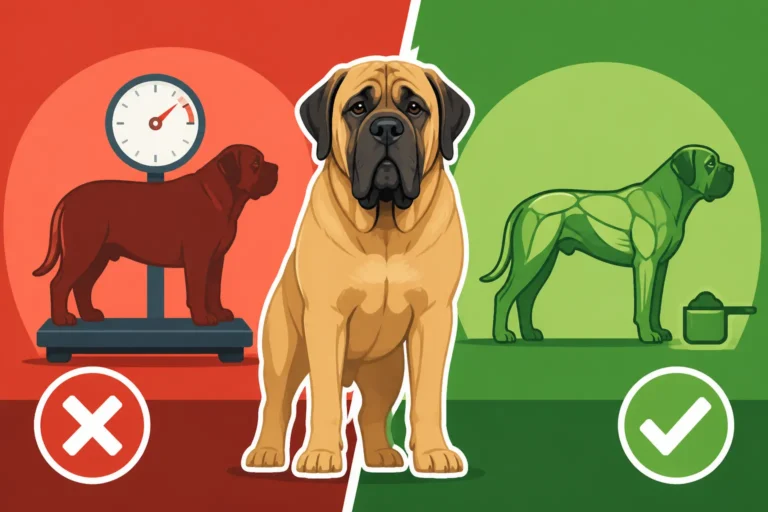
Beyond the outward appearance, significant metabolic and internal changes are taking place within your Mastiff at five years old. Their metabolism begins to slow down quite noticeably. This means that the amount of food they needed as a younger, more active adult might now be too much, leading to unwanted weight gain if their diet isn't adjusted. Excess weight, even a few extra pounds, puts tremendous strain on their already burdened joints and internal organs, further accelerating the aging process and increasing the risk of serious health issues. This is why keeping a Whether a Lean Mastiff Lives Longer is so vital for their long-term health.
Internally, organ function may begin to show early signs of decline. Kidneys and liver might not be as efficient, and their immune system could be slightly less robust, making them a little more susceptible to illness. It’s also a time when conditions that have been silently brewing, like certain cancers or cardiac issues, might start to manifest. Regular veterinary check-ups become paramount for Caring for a Mastiff Past Five, not just once a year, but perhaps even every six months, to catch these subtle internal shifts early. It's about being proactive and understanding that a Mastiff at five isn't just aging; they're entering a critical phase where their unique physiology demands more attentive, specialized care to help them thrive for as long as possible.
Common Health Challenges That Hasten Aging
The sheer size of a Mastiff, while magnificent, unfortunately predisposes them to a range of health issues that often emerge or worsen significantly as they reach middle age. These challenges are a major reason why their lifespan is compressed compared to smaller breeds.
Orthopedic Issues
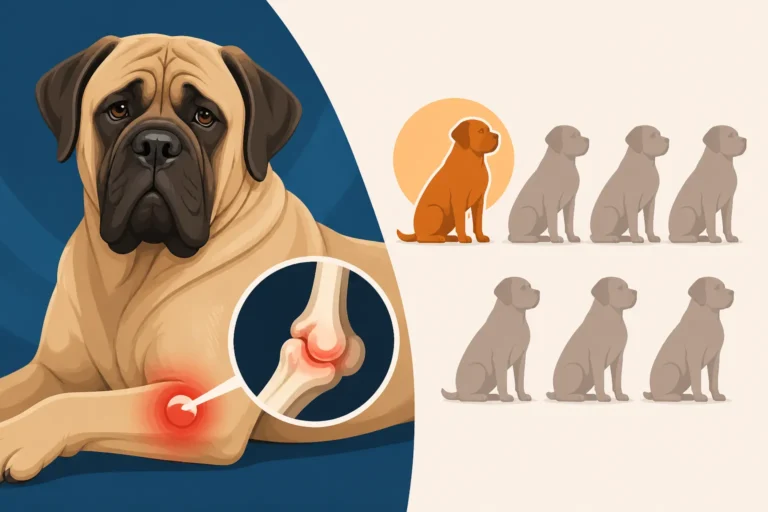
It’s almost impossible to talk about Mastiff health without discussing their joints. Their colossal weight, which can easily exceed 150-200 pounds, places an unimaginable load on their hips, elbows, and other joints with every single step. For many Mastiffs, conditions like hip and elbow dysplasia are already present from a young age due to genetics, but the cumulative effect of five years of bearing such a burden really starts to show around this age. Arthritis, a painful inflammation of the joints, becomes increasingly common, making movement stiff and uncomfortable. Arthritis in a Mastiff at Four is not an unheard-of diagnosis, marking just how early these issues can strike.
You might notice your Mastiff struggling to rise from a lying position, exhibiting a slight lameness after exercise, or showing reluctance to jump or use stairs. These are all signs that their joints are struggling. While joint supplements like glucosamine, chondroitin, and MSM can offer some support for Joint Supplements for a Mastiff, they are rarely a cure. The wear and tear are relentless, and managing their comfort and mobility becomes a central focus of care for a five-year-old Mastiff. Ensuring they have proper traction on floors is also critical; Traction: Why a Mastiff Cannot Live on Bare Hardwood can exacerbate joint issues due to slipping and straining.
Cancer Prevalence
Perhaps one of the most heartbreaking realities for Mastiff owners is the breed's significantly higher predisposition to various forms of cancer. Unfortunately, these aggressive diseases often manifest during what would be considered the prime of life for many other breeds, often around the five to eight-year mark. It's a cruel fact that for Mastiffs, middle age frequently coincides with the onset of serious illness.
Mastiffs are particularly prone to certain types of cancer, including osteosarcoma (bone cancer), lymphoma (cancer of the lymphatic system), and various carcinomas. Which Cancers Mastiffs Get can range widely, and their sheer size means tumors can grow rapidly and aggressively, often before symptoms become obvious. For example, Whether a Mastiff Gets Osteosarcoma is a terrifying question many owners face, as this type of cancer is notoriously aggressive and painful. Similarly, Lymphoma in a Mastiff can spread quickly, requiring immediate and often intensive treatment. Early detection through regular veterinary check-ups and being vigilant about any new lumps, bumps, or changes in behavior is absolutely vital. While pet insurance plans like those offered by Healthy Paws can help cover the substantial costs of diagnosis and treatment, the emotional toll remains immense.
Other Systemic Concerns
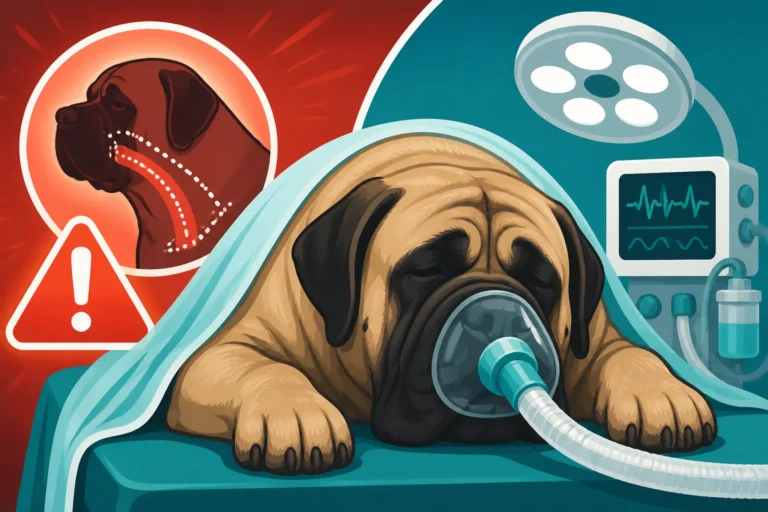
Beyond orthopedic woes and cancer, Mastiffs at five years old can face an increased risk of other systemic health problems that further contribute to their accelerated aging. Bloat, or Gastric Dilatation-Volvulus (GDV), is a life-threatening emergency that can affect any deep-chested breed, and Mastiffs are unfortunately high on that list. While it can occur at any age, the risk generally increases as dogs get older. Understanding Bloat in the Deepest Chest of Any Breed: the Mastiff and knowing The First Sign a Mastiff Is Bloating can be the difference between life and death.
Cardiac issues, while perhaps not as prevalent as in some other giant breeds, can also become a concern with age. Routine checks for Whether a Mastiff Needs a Cardiac Exam become more important, as heart conditions might be silent in their early stages. Additionally, age can bring about or worsen various Eye and Eyelid Disease in a Mastiff, impacting their vision and comfort. These can range from cataracts to more complex retinal issues. All these conditions, whether they directly shorten life or severely impact quality of life, underscore why a Mastiff at five years old is already considered a senior and requires a proactive, vigilant approach to their health care.
Proactive Care for the "Senior" Mastiff at Five
Once your Mastiff hits that five-year milestone, it's time to shift gears in how you approach their daily care. Think of it as tailoring a lifestyle specifically designed to maximize their comfort, health, and happiness in their senior years. Proactivity is key to helping them navigate this phase with grace and dignity.
Tailoring Nutrition and Exercise
As your Mastiff enters their senior years, their dietary needs will change considerably. Their metabolism naturally slows down, and their activity levels might decrease. Continuing to feed them the same quantity and type of food they ate as a younger adult can quickly lead to weight gain, which is incredibly detrimental to their joints and overall health. It's crucial to adjust their diet to a high-quality, senior-appropriate formula that is slightly lower in calories but still provides excellent joint support and essential nutrients. You might need to reduce portion sizes or choose a food specifically formulated for senior large breeds. The goal is to keep them lean – you should be able to feel their ribs easily without seeing them prominently.
Exercise also needs a thoughtful approach. Gone are the days of long, strenuous hikes or intense play sessions. For The Age a Mastiff Starts to Slow, low-impact activities become the gold standard. Gentle, consistent walks are still vital for maintaining muscle mass, joint flexibility, and mental stimulation. Think shorter, more frequent strolls rather than one long trek. Swimming can be an excellent option if your Mastiff enjoys it and has safe access, as it provides exercise without the impact on joints. The key is moderation and listening to your dog. If they seem tired, stiff, or reluctant, it’s time to call it a day. Remember, the goal is to keep them mobile and comfortable, not to push them beyond their limits.
Regular Veterinary Check-ups and Early Detection
This cannot be stressed enough: regular veterinary check-ups become absolutely critical once your Mastiff is five years old. Annual visits are no longer sufficient; ideally, you should aim for twice-yearly appointments. These frequent visits allow your veterinarian to establish a baseline for your dog's health and catch any subtle changes or emerging conditions much earlier than if you waited a full year. During these check-ups, your vet will likely recommend more extensive screenings, including blood panels, urinalysis, and potentially X-rays to monitor joint health.
Early detection of issues like early-stage kidney disease, diabetes, or even a nascent tumor can significantly improve the prognosis and allow for more effective intervention. Discussing any changes in behavior, appetite, mobility, or even their potty habits with your vet is crucial. Working with a veterinarian who has extensive experience with giant breeds is a huge advantage, as they'll be intimately familiar with the unique health challenges Mastiffs face. Investing in pet insurance, such as a plan from Healthy Paws, can be an absolute lifesaver during these years. The costs associated with diagnostics, specialized treatments, and medications for an aging Mastiff can be staggering, and having comprehensive coverage can ensure you never have to choose between your dog's health and your wallet.
Environmental Adjustments for Comfort
Making your home a senior-friendly haven for your aging Mastiff is paramount for their comfort and quality of life. Start with their sleeping arrangements. A thick, supportive orthopedic bed is not just a luxury; it’s a necessity. Their massive bodies need proper cushioning to prevent pressure sores and provide relief for aching joints. You might even consider having multiple beds around the house so they don’t have to travel far to find a comfortable resting spot. How Thick a Bed a Mastiff Needs goes beyond just softness; it needs to offer genuine support.
Next, consider your flooring. Hardwood, tile, or laminate floors, while beautiful, can be incredibly challenging for a Mastiff whose strength and balance may be declining. Their massive paws can slip, leading to painful falls and further joint strain. Lay down runners, non-slip rugs, or carpeted areas, especially in high-traffic zones and pathways to their food and water bowls. If you have stairs, consider whether your Mastiff can navigate them safely, or if a ramp might be needed for access to certain areas. For entry into vehicles, especially if they’ve had a recent injury or surgery, a sturdy ramp is essential. Every small adjustment you make to their environment contributes significantly to their physical well-being and sense of security, helping them to continue enjoying their home life as they age.
Psychological and Behavioral Aspects of Aging
Just like humans, as Mastiffs age, their mental and emotional landscape can shift. It's not always just about the physical aches and pains; their personality and interactions can evolve, demanding our patience, understanding, and continued engagement.
Changes in Disposition and Interaction
A five-year-old Mastiff, now officially a senior, might show subtle changes in their temperament and how they interact with their family and the world. Where they might have once been endlessly tolerant of boisterous young children or other pets, they might now prefer more calm and quiet interactions. A young puppy trying to roughhouse could be met with a low growl or a gentle nudge away, simply because their joints ache, or their patience for high-energy antics has waned. They might seek out more quiet time alone, choosing a sunny spot for a long nap over being in the thick of family activity.
You might also notice shifts in their sleep patterns – perhaps they sleep more deeply during the day but become restless at night, or their senses (sight, hearing) may begin to dull, making them more easily startled. Some older Mastiffs might become a little more clingy, seeking comfort and reassurance from their primary caregivers, while others might become a touch more aloof. It's crucial to be observant, understanding that these aren't necessarily signs of naughtiness, but rather their way of communicating their changing needs. Maintaining a predictable routine can provide a sense of security and reduce anxiety for an aging Mastiff, helping them feel safe and loved even as their world feels a little different.
Maintaining Mental Stimulation
While their physical capabilities may be diminishing, maintaining mental stimulation for your aging Mastiff is just as important as their physical care. A bored senior Mastiff can still develop behavioral issues or become withdrawn. The good news is that mental enrichment doesn't have to be strenuous. Puzzle toys that dispense treats for problem-solving are fantastic, encouraging them to use their brains without putting strain on their bodies. Slow feeders can also turn mealtime into a mental exercise.
Consider incorporating gentle Scent Work as a Mastiff's Low Impact Sport. Hiding treats around the house and encouraging them to sniff them out is a wonderful way to engage their strongest sense and provide a "job" that is entirely non-physical. Continuing with short, positive training sessions, reinforcing basic commands, or even teaching a new, simple trick can keep their minds sharp and strengthen your bond. The key is to keep sessions short, positive, and free of pressure. The goal isn't perfect obedience, but rather to keep their minds active and engaged, preventing cognitive decline and ensuring their golden years are rich and fulfilling, even if they're moving at a slower pace.
Navigating the Journey with Your Aging Mastiff
Acknowledging that your Mastiff is considered old at five is the first step toward providing them with the specialized care they need and deserve. While the thought of their shorter lifespan can be painful, focusing on the quality of the years you have left is paramount. Every gentle walk, every soft orthopedic bed, every tailored meal, and every proactive vet visit contributes to their comfort and well-being. By understanding the unique challenges of giant breed aging and adapting your care, you can ensure your beloved Mastiff enjoys their senior years with dignity, comfort, and all the love you can give.
| Feature | Average Dog (Medium Breed) | Mastiff (Giant Breed) |
|---|---|---|
| "Senior" Age | 7-8 years | 5 years |
| Lifespan | 10-14 years | 6-10 years |
| Growth Rate | Moderate | Extremely rapid |
| Metabolism | Moderate | Slower as an adult |
| Joint Burden | Moderate | Extremely High |
| Cancer Risk | Moderate | Significantly Higher |
| Vet Visit Needs | Annual (younger), Bi-annual (senior) | Bi-annual from 5 years |
| Key Health Focus | General wellness, dental | Orthopedics, Cancer, Bloat |
Disclaimer
As a friendly lifestyle blogger, I share information based on general knowledge and research. This content is not a substitute for professional veterinary advice. Always consult with a qualified veterinarian for any health concerns or before making any decisions about your Mastiff's medical care or diet.