How Thick a Bed a Mastiff Needs
One of the biggest struggles we face as Mastiff parents is finding products that actually stand up to their immense size and weight. When it comes to something as crucial as a dog bed, a flimsy, under-supportive option isn't just a waste of money; it's a direct threat to your gentle giant's joint health and overall comfort. This guide is dedicated to helping you understand exactly what makes a bed truly suitable for a Mastiff, ensuring they get the proper support they need for a long, comfortable life.
Understanding Your Mastiff's Unique Bedding Needs
Let's be real, a Mastiff isn't just a "big dog." They are in a league of their own, often weighing well over 150 pounds, with some males tipping the scales at over 200 pounds. This colossal size and weight mean their needs are fundamentally different from almost any other breed. What works for a Labrador or even a Great Dane often falls short for a Mastiff, especially when it comes to something they spend a huge portion of their day on: their bed.
The Impact of Weight and Size on Bedding
Imagine trying to sleep on a plush pillow that flattens instantly under your weight, leaving you essentially on the hard floor. That's precisely what happens when a typical dog bed meets a Mastiff. Their sheer mass compresses standard foam or fiberfill fillings to nothing, offering zero support. This isn't just about comfort; it's about physics and anatomy. When a Mastiff lies down, their weight is distributed over a smaller surface area than it would be if they were standing, concentrating immense pressure on their joints and bony prominences.
Without adequate cushioning and robust support, those pressure points – elbows, hips, shoulders, and hocks – are grinding against the hard floor. Over time, this constant impact can lead to painful calluses, skin irritation, and even exacerbate underlying orthopedic issues. A properly designed bed, on the other hand, allows their body to be cradled and supported evenly, preventing this "bottoming out" effect and promoting healthy circulation and relaxation. It's not just about stopping them from touching the floor; it's about providing a resilient surface that supports every inch of their massive frame. Think of it as a mattress for a professional wrestler – it needs to be tough and deeply supportive. You can explore How Much a Male Mastiff Weighs or How Much a Female Mastiff Weighs to truly grasp the scale we're talking about.
Vulnerable Joints: Hips, Elbows, and Shoulders
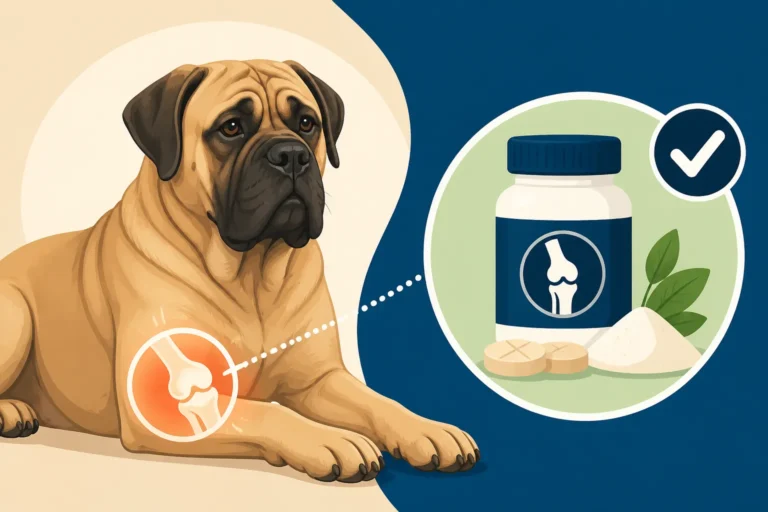
Mastiffs, like many giant breeds, are unfortunately prone to a host of joint and bone issues. Hip and elbow dysplasia are all too common, and as they age, arthritis can become a daily challenge. Even without diagnosed conditions, the sheer strain of carrying such a massive body puts immense pressure on their joints throughout their lives. An improper bed makes these issues significantly worse. When a Mastiff lies on a hard surface, whether it's tile, wood, or a flattened, inadequate bed, their joints bear the brunt of their weight directly.
This constant pressure doesn't just cause discomfort; it can accelerate the degeneration of cartilage, inflame existing arthritic conditions, and make it harder for your Mastiff to get up and down. Imagine a four-year-old Mastiff already struggling with Arthritis in a Mastiff at Four trying to find relief on a thin mat. It's heartbreaking to watch. A truly orthopedic bed distributes their weight evenly, cushioning these vulnerable areas and relieving stress on the joints. It allows their muscles to relax fully, which can reduce stiffness and improve mobility. Investing in the right bed isn't a luxury; it's a vital part of preventative and ongoing care for their lifelong joint health, especially when you consider Why a Mastiff's Hips Fail Under Its Own Weight under their own sheer mass.
Why Traditional Dog Beds Just Don't Cut It
Most dog beds you find at your local big box store are simply not designed for a Mastiff. They're typically filled with loose polyester fiberfill, shredded foam, or a thin slab of low-density foam. While these might seem soft and fluffy initially, they quickly flatten, clump, and lose any semblance of support once a 150-pound-plus dog settles in. It's a frustrating cycle for Mastiff owners: buy a new bed, watch it deflate within weeks, and then find your Mastiff opting for the cooler, harder floor anyway because it offers more consistent support (even if it's the wrong kind).
These beds often lack durable covers, meaning a few stretches, nestings, or even just general wear from a giant dog's movements will result in tears and exposed stuffing. The materials used are rarely breathable enough for a Mastiff, who can easily overheat due to their dense bulk, and they certainly aren't designed to withstand the inevitable drool or shedding. You end up spending money repeatedly on beds that fail, rather than investing once in a product that genuinely supports your dog and lasts. It's a common trap, and it's essential to understand that for a Mastiff, "good enough" is rarely actually good enough.
The Essential Characteristics of a Mastiff-Appropriate Bed
So, what exactly does a Mastiff need in a bed? It goes far beyond just finding the largest size available. We need to think about the engineering of the bed, the materials it's made from, and how it's constructed to ensure it can withstand and properly support such a magnificent, weighty creature.
Density and Loft: Beyond Just "Thickness"
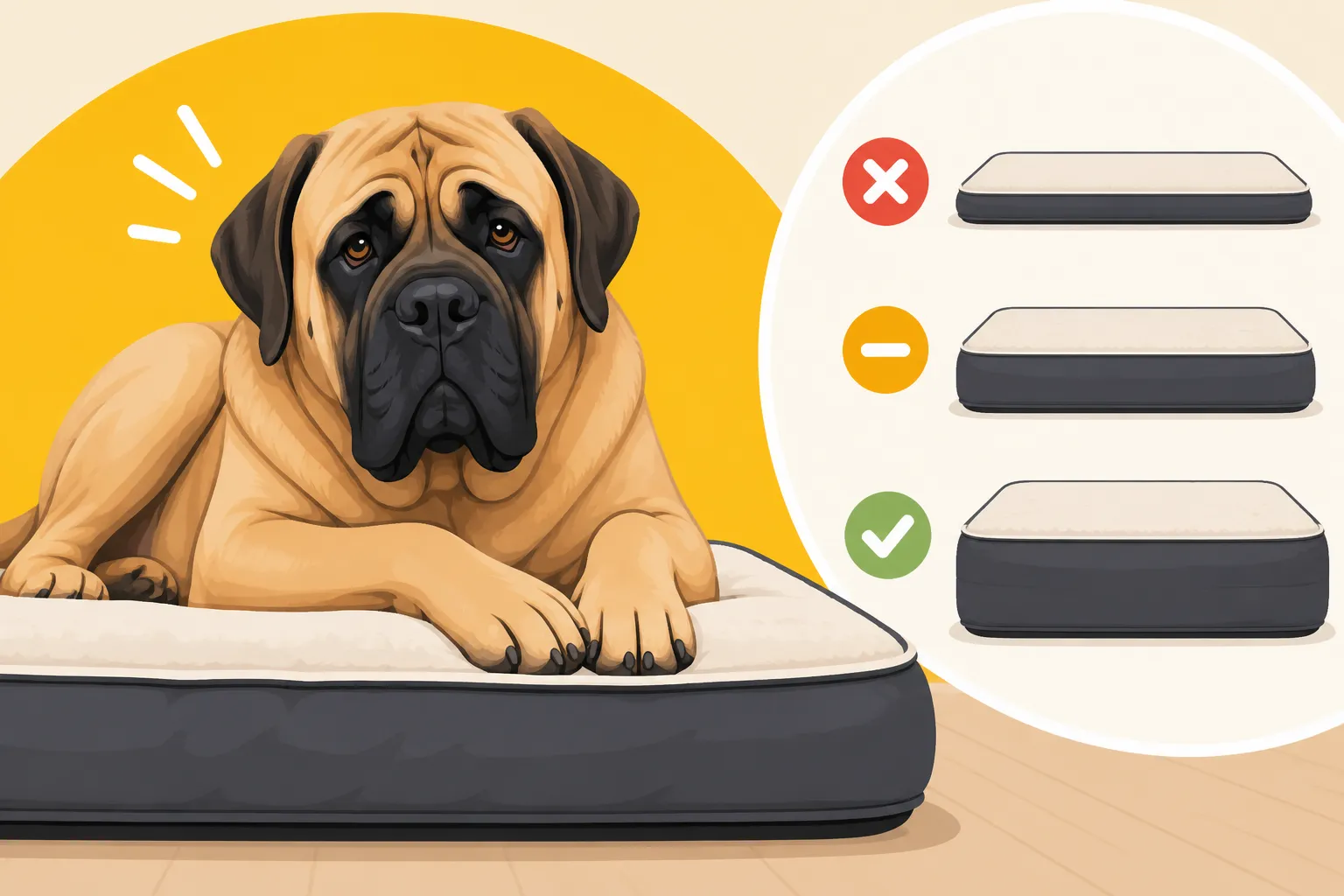
When we talk about a Mastiff bed, "thickness" is often the first thing that comes to mind, and it's important. However, it's not the only, or even the most critical, factor. You could have a 10-inch thick bed filled with soft, airy foam, and a Mastiff would compress it completely within minutes. The real secret lies in density and loft retention. Density refers to the amount of material packed into a given space. A high-density foam will resist compression much better than a low-density foam, meaning it can support more weight without flattening out.
For a Mastiff, you're looking for a bed that offers substantial loft – meaning it stands tall – but also significant density. When your Mastiff lies down, the bed should cradle their body without allowing their heaviest points to press through to the floor. A good starting point for minimum effective thickness, after compression, is usually 4 to 6 inches of high-density orthopedic foam. Anything less, and you risk their joints hitting the hard surface, defeating the entire purpose of the bed. It's about providing a robust, resilient foundation that bounces back, day after day, year after year.
Material Matters: Orthopedic Foam vs. Other Fillings
Forget fiberfill, shredded foam, or cedar chips. For a Mastiff, true orthopedic support comes from specific types of foam. The gold standard is often multi-layered foam systems, combining different densities for optimal comfort and support.
- Memory Foam: This is usually the top layer. High-quality memory foam contours to your Mastiff's body, distributing weight evenly and relieving pressure points. It "remembers" its shape, slowly returning to form when they get up. Look for dense, open-cell memory foam that breathes well.
- Supportive Base Foam: Beneath the memory foam, there needs to be a layer of high-density, firm support foam. This is the workhorse layer that prevents the bed from bottoming out under your Mastiff's weight. Without a robust base, the memory foam alone would still compress too much.
- Other Fillings: While some beds might include gel infusions for cooling or egg-crate foam for airflow, these are typically secondary features. Avoid beds relying solely on these, or on cheap polyester batting, which offers little to no long-term orthopedic benefit for a dog of this magnitude. Quality is absolutely key here, not just the marketing buzzwords.
Durability and Construction: Built for a Giant
A Mastiff isn't just heavy; they're also powerful. Their nails, their stretching, their occasional digging, and simply their sheer presence demand a bed that is built like a tank. The cover material is paramount. Look for heavy-duty, industrial-grade fabrics such as tough canvas, denim, Cordura, or durable microvelvet. These materials are much more resistant to tearing, chewing, and general wear and tear than thinner, decorative fabrics.
Beyond the fabric, inspect the construction. Reinforced stitching is crucial, especially at seams and stress points. Zippers should be heavy-duty, well-concealed, and ideally tucked away to prevent your Mastiff from trying to chew on them. A waterproof or water-resistant liner under the outer cover is also a godsend, protecting the precious foam core from accidents, drool, or wet paws. Think about how a Mastiff uses their bed – they sprawl, they roll, they shift. The bed needs to hold its shape and integrity through all of that, year after year.
Different Types of Orthopedic Beds for Mastiffs
Navigating the world of dog beds can be dizzying, but for a Mastiff, narrowing down to truly effective orthopedic options simplifies things considerably. Each type offers specific advantages, and the best choice often depends on your Mastiff's habits and your home environment.
Memory Foam Beds: The Gold Standard
For most Mastiffs, a well-constructed memory foam bed is truly the gold standard for comfort and orthopedic support. These beds are engineered to conform to your dog's body, distributing their massive weight evenly across the entire surface. This even distribution drastically reduces pressure on vulnerable joints like hips, elbows, and shoulders, which is absolutely critical for giant breeds prone to conditions like arthritis and dysplasia.
High-quality memory foam beds for Mastiffs will often feature a multi-layered design. This typically includes a softer, conforming memory foam layer on top, supported by a much firmer, high-density base foam underneath. This combination ensures that the bed provides both soft cushioning and unyielding support, preventing your Mastiff from "bottoming out" and feeling the hard floor beneath them. Companies that specialize in large breed dog beds, often found on platforms like Amazon or Chewy, frequently offer these types of beds. Remember that while these beds might seem like a larger upfront investment, the long-term benefits for your Mastiff's health and the bed's durability often outweigh the cost of repeatedly replacing cheaper, ineffective options. Choosing a bed like this is an investment in their comfort and well-being, similar to paying for What an Orthopedic Bed for a Mastiff Costs.
Bolster and Crate Beds: Adapting to Their Habits
While flat memory foam slabs are excellent, some Mastiffs prefer a sense of security or a place to rest their massive heads. This is where bolster beds come into play. Bolsters are raised edges around the perimeter of the bed, providing a soft, supportive rim. Many Mastiffs love to lean against them, use them as a pillow, or curl up inside them for a feeling of being den-like and protected. When choosing a bolster bed for a Mastiff, ensure the bolsters are firm enough not to collapse under their weight and that the interior sleeping surface still provides robust orthopedic support, ideally with the same high-density foam core.
For Mastiffs who are crated, especially during the night or when left alone, finding an appropriate crate bed is essential. A thin, flat mat won't cut it. Look for durable, orthopedic crate pads that fit snugly into their enormous crate. These need to withstand confinement and provide continuous support. Remember that crate training, even for a giant, is often crucial, and a comfortable bed makes the crate a much more inviting space. If you're struggling with finding a bed, sometimes looking at brands that focus on health-conscious pet food, like Ollie, can also point you to companies that prioritize high-quality pet products, including beds.
Elevated Beds: Considering Airflow and Support
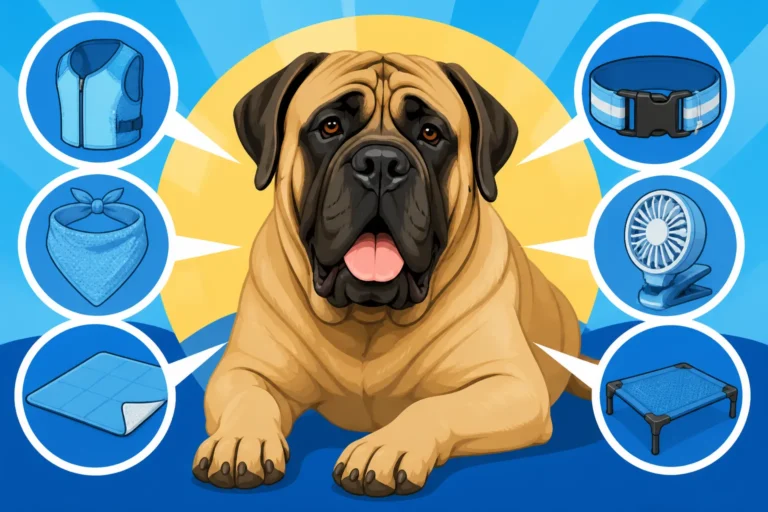
Elevated or "cot-style" beds offer a completely different kind of support, often favored for their breathability and ease of cleaning. These beds typically feature a sturdy frame (metal or heavy-duty PVC) with a taut fabric mesh stretched across it. The main benefit is that they lift your Mastiff off the floor entirely, promoting excellent airflow beneath them, which can be a huge advantage for a breed prone to overheating. This is especially true in warmer climates or during summer months when a Mastiff can quickly become uncomfortable on a dense foam bed.
While they don't offer the same contouring softness as memory foam, many Mastiffs appreciate the firm, even support an elevated bed provides. They are also incredibly durable and resistant to chewing, as there's no soft stuffing to get at. Cleaning is usually a breeze – simply wipe down the fabric or hose it off. Some Mastiff owners even use elevated beds as a primary bed, or as a secondary bed for outdoor use, in kennels, or on patios where cooling is a priority. It's a great option to consider, particularly if you find your Mastiff always gravitating to the coolest, hardest part of the floor.
Placement, Maintenance, and Longevity Considerations
A Mastiff's bed isn't just a place to sleep; it's their sanctuary, their comfort zone, and a critical piece of equipment for their health. Thinking about where it goes, how it's kept clean, and when it needs replacing is just as important as choosing the right one.
Strategic Bed Placement for Comfort and Safety
Where you place your Mastiff's bed can significantly impact their comfort and your daily routine. Consider creating several designated resting spots around your home. This means more than just one bed; a Mastiff benefits from having options. One bed might be in a quiet corner of the living room, another in the bedroom, and perhaps a third in a sunnier spot or by a window. This allows them to choose their preferred resting place based on temperature, light, and where the family is congregating, minimizing unnecessary movement for their large joints. Internal linking to Whether a Mastiff Needs a Bed in Every Room would be relevant here.
Avoid high-traffic areas where they might be constantly stepped over or bumped, and steer clear of drafty hallways or direct vents that might make them too hot or too cold. The location should offer a sense of security. Also, remember that a Mastiff needs room to sprawl. Their beds take up a lot of space, so ensure the area is large enough for them to stretch out fully without bumping into furniture or walls. If they prefer to be near you, make sure their spot doesn't impede doorways or walkways, which can be a tripping hazard for both humans and Mastiffs.
Keeping It Clean: Washability and Hygiene
Let's face it: Mastiffs are not the tidiest creatures. Between their shedding, impressive drool, and the occasional muddy paw print, their beds are going to get dirty. Quickly. This is why a bed with a removable, machine-washable cover is not just a convenience; it's an absolute necessity. Trying to spot-clean a giant bed is a Herculean task that few can sustain.
When selecting a bed, prioritize those with sturdy, industrial-strength zippers that allow for easy removal of the cover. Check the washing instructions – ideally, the cover should be machine washable on a gentle cycle and air dryable or tumble dryable on low. Some beds even come with waterproof liners beneath the outer cover, which is a massive bonus for protecting the foam core from moisture, odors, and bacteria buildup. Regular cleaning not only keeps the bed fresh but also helps manage allergens and keeps your home smelling much better. Consider that a Mastiff's bed will need cleaning far more often than a smaller dog's, especially with the amount of What Drool Cleanup Costs a Mastiff Owner. Understanding Whether a Mastiff Bed Needs a Washable Cover is truly critical for any Mastiff owner.
When to Replace Your Mastiff's Bed: Signs of Wear
Even the highest-quality Mastiff bed won't last forever. Their immense weight and constant use will eventually take their toll. Knowing when to replace it is crucial for continuing to provide adequate support and comfort. One of the most obvious signs is when the bed starts to flatten permanently, no longer springing back to its original loft. If you can feel the floor when you press down on the bed where your Mastiff usually lies, it's time for a replacement.
Other indicators include visible tears or damage to the cover that you can't repair, a persistent odor that won't wash out, or a noticeable change in your Mastiff's behavior. If they start avoiding their bed in favor of the cold, hard floor, or seem to struggle more when getting up from it, the bed might no longer be providing the support they need. Don't wait until the bed is completely destroyed; proactive replacement ensures your Mastiff continues to receive the critical joint support that helps them live comfortably through their Six to Ten Years Is What a Mastiff Gets.
Making the Best Investment for Your Giant Companion
Choosing a bed for your Mastiff is not a trivial purchase. It's a significant investment in their health, comfort, and ultimately, their longevity. Approaching it with a clear understanding of value, where to find quality, and even how to be resourceful, will serve both you and your gentle giant well.
Assessing Value Beyond the Price Tag
It's tempting to opt for a cheaper bed, especially when you see the price tags on those built for giants. However, for a Mastiff, a cheap bed is almost always a false economy. A lower-priced bed will invariably use lower-density foams that quickly flatten, flimsy covers that tear, and inferior construction that falls apart. You'll find yourself replacing it every few months, spending more in the long run than if you had invested in a high-quality orthopedic bed from the start. Think of it as purchasing a car – a cheap, unreliable model will cost you more in repairs and headaches than a well-made, durable one.
The true value of a Mastiff bed lies in its ability to provide consistent, effective orthopedic support over a long period. This means paying for high-density, multi-layered foam, robust, chew-resistant covers, and superior stitching. Look for beds with good warranties – a manufacturer confident in their product will back it up. Consider the bed as a long-term health aid, just as important as quality food or regular vet visits. The difference it makes in preventing pain, improving mobility, and enhancing their quality of life, especially in later years, is invaluable. This is part of the larger financial picture, where The Mastiff's Short Life Buys the Biggest Bills, and understanding How a Mastiff's First Year Compares With Its Last really puts things into perspective.
Where to Find High-Quality Mastiff Beds
Finding a truly excellent bed for a Mastiff can be a bit of a treasure hunt, but reputable online retailers and specialty pet stores are your best bet. Avoid generic department stores or discount pet shops, as their offerings rarely meet the demanding specifications of a giant breed.
Start by looking at dedicated orthopedic dog bed manufacturers that specifically market to large and giant breeds. These companies understand the need for dense foam, durable covers, and generous sizing. Online giants like Chewy and Amazon offer a vast selection, but be sure to filter by size (often XXL or XXXL for Mastiffs) and read reviews carefully, paying close attention to comments from owners of other giant breeds. Look for brands that explicitly state the density and type of foam used, not just "orthopedic." Sometimes, smaller, specialized brands found through online searches or Mastiff owner forums will offer superior quality. Don't be afraid to compare features, materials, and warranty information across several brands before making your decision.
DIY Solutions and Custom Options
If your budget is tight or you have a Mastiff with very specific needs, a DIY or custom solution might be a viable option. One common approach is to purchase high-density foam slabs from upholstery suppliers or online foam retailers. You can often buy these in custom sizes and thicknesses. Look for firm, industrial-grade foam that is designed for seating or mattresses, as this will offer the necessary support.
Once you have the foam, you can create a custom cover using durable fabrics like heavy-duty canvas, denim, or outdoor upholstery fabric. If you're handy with a sewing machine, you can create a cover with a robust zipper. Alternatively, many small businesses specialize in custom pet bed covers, allowing you to choose the fabric and dimensions precisely. While this option requires more effort, it can sometimes be more cost-effective than a high-end commercial bed, and it allows for complete customization to fit your Mastiff's exact requirements. Just ensure the foam you source is truly dense enough to hold their weight without flattening over time.
| Bed Type | Pros for Mastiffs | Cons for Mastiffs | Key Considerations |
|---|---|---|---|
| Memory Foam | Superior joint support, even weight distribution, conforms to body, alleviates pressure points. | Can retain heat (look for cooling gels), often higher upfront cost, can be heavy to move. | Minimum 4-6 inches high-density foam, multi-layered design, durable and washable cover. |
| Bolster Bed | Provides security, headrest for comfort, sense of "den." | Bolsters must be firm to prevent collapse, main sleeping area still needs orthopedic foam. | Ensure bolster material is durable and supportive, check internal sleeping pad quality. |
| Elevated Bed | Excellent airflow for cooling, very durable, easy to clean, firm even support, off the floor. | Lacks soft cushioning/contouring, some Mastiffs may prefer a softer surface, can be bulky. | Sturdy frame (metal/PVC), durable mesh fabric, ensure size accommodates full sprawl. |
Disclaimer
This article is for general informational purposes only and does not constitute professional advice. Laws, prices and regulations vary by location and change over time. Consult a qualified professional for guidance on your specific situation.