Lymphoma in a Mastiff
Finding out your beloved Mastiff might have cancer is one of the most heartbreaking moments a pet parent can face. The sheer size and stoicism of these magnificent dogs can sometimes mask early symptoms, leaving us feeling guilty or blindsided when a diagnosis like lymphoma finally comes. This guide aims to pull back the curtain on lymphoma in Mastiffs, helping you understand what it is, how to spot the signs, and what steps you can take to support your gentle giant through this challenging journey.
Understanding Lymphoma in Mastiffs: What it Is and Why it's a Concern
Cancer is a word that strikes fear into the hearts of any pet owner, and for those of us with Mastiffs, it often feels like a constant shadow. These magnificent dogs, for all their strength and impressive stature, unfortunately, face a higher risk for various cancers, and lymphoma is one that warrants serious attention. It's not just a generic "lump"; it's a systemic disease that can affect multiple parts of their body, making it a particularly insidious opponent.
What is Lymphoma?
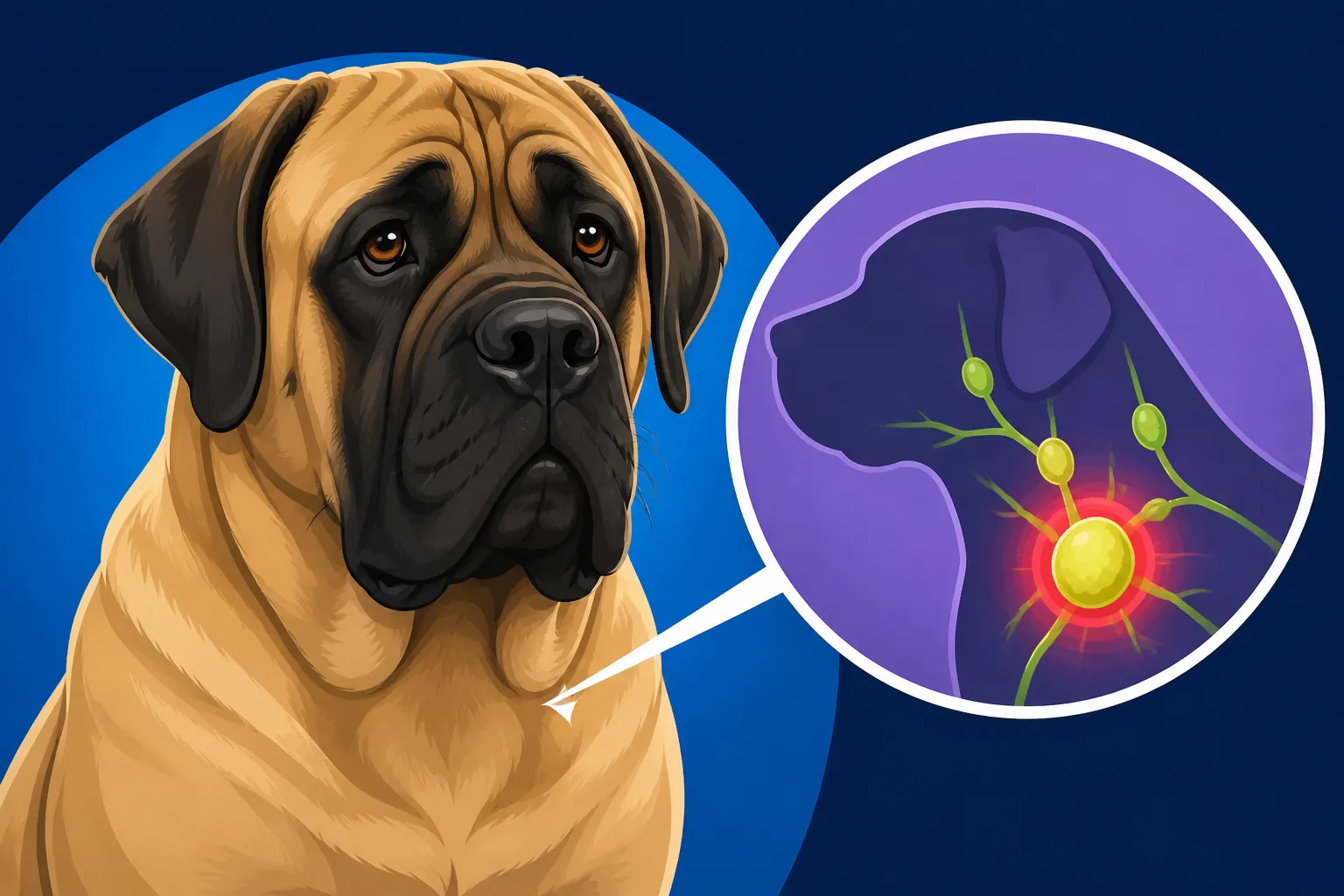
At its core, lymphoma is a cancer of the lymphocytes, which are a type of white blood cell crucial to the immune system. These lymphocytes are found throughout the body in lymph nodes, spleen, bone marrow, and other organs. When lymphoma develops, these cells begin to grow abnormally and uncontrollably, forming tumors wherever lymphatic tissue is present. This is why it's often considered a systemic disease rather than a localized one, meaning it can manifest in many different ways and places in your Mastiff's body.
There are several forms of canine lymphoma, each with its own characteristics:
- Multicentric Lymphoma: This is by far the most common type, accounting for about 80-85% of all cases in dogs. It's characterized by the enlargement of multiple peripheral lymph nodes (those you can feel under the skin). These nodes can become dramatically swollen, sometimes to the size of golf balls or even larger, and are usually firm and non-painful. While these are the most obvious signs, multicentric lymphoma also often affects internal lymph nodes, the spleen, and the liver.
- Mediastinal Lymphoma: This form affects the lymph nodes within the chest cavity, particularly the mediastinal lymph nodes located between the lungs. Because these aren't externally visible, symptoms might include coughing, difficulty breathing, or regurgitation due to pressure on the esophagus. Fluid accumulation in the chest (pleural effusion) can also occur, making breathing even more challenging for your Mastiff.
- Gastrointestinal Lymphoma: When lymphoma affects the stomach or intestines, it can cause a range of digestive issues. This might present as chronic vomiting, diarrhea, weight loss despite a good appetite, loss of appetite, or even blood in the stool. These symptoms can be subtle at first, often mimicking other less severe gastrointestinal problems, which can delay diagnosis.
- Cutaneous Lymphoma: This less common type manifests as skin lesions. These can vary widely, appearing as red, flaky patches, nodules, ulcers, or widespread redness and itchiness. Sometimes, these skin changes might be mistaken for allergies or other dermatological conditions, again highlighting the challenge of early detection.
- Extranodal Lymphoma: This refers to lymphoma that develops in organs outside the lymphatic system, such as the eyes, kidneys, central nervous system, or even bone. Symptoms will depend entirely on the organ affected, making it particularly difficult to pinpoint without specific diagnostic testing.
For a Mastiff owner, understanding these different forms is important because the symptoms you observe will guide your veterinarian's investigation. Lymphoma is a serious diagnosis, and given the impressive size and often stoic nature of Mastiffs, recognizing these variations early can make a real difference in their care.
Why Mastiffs Face a Higher Risk
It’s a sad reality that some breeds are simply more prone to certain health conditions, and giant breeds like our beloved Mastiffs, unfortunately, fall into this category when it comes to various cancers. While no single gene for lymphoma has been definitively identified in Mastiffs, they, along with other large and giant breeds like Golden Retrievers, Boxers, and Rottweilers, do show a higher incidence rate. This suggests a genetic predisposition that is complex and likely involves multiple genes interacting with environmental factors.
Mastiffs are known to be susceptible to a range of cancers. If you've been researching your breed's health, you're likely familiar with the concerns around Which Cancers Mastiffs Get. This inherent risk factors into why we, as owners, need to be hyper-vigilant. The average lifespan of a Mastiff is already shorter than many other breeds, typically Six to Ten Years Is What a Mastiff Gets, and cancer, including lymphoma, often plays a role in What Ends a Mastiff at Eight. This compressed timeline means any health issue feels amplified, and the thought of cancer stealing precious time with our gentle giants is truly heartbreaking.
Moreover, the sheer volume of cells in a larger dog means there are simply more opportunities for cellular mutations to occur, theoretically increasing the statistical chance of cancer developing. While this is a general principle for large breeds, specific genetic markers within the Mastiff breed likely contribute to this elevated risk. It's not a fault of breeding but rather a complex interplay of genetics inherent to the development of such a large and unique animal. The reality is, while we adore their size, it does come with certain health considerations, and being prepared and informed is the best way to be a responsible Mastiff parent.
Recognizing the Signs and Getting a Diagnosis
One of the biggest challenges with lymphoma in a Mastiff is that the early signs can be incredibly subtle or easily mistaken for other, less serious conditions. Our Mastiffs are often laid-back and don't always complain, which means we have to be extra diligent in observing their daily behavior and conducting regular at-home checks.
Common Symptoms to Watch For
The most classic and often the first noticeable sign of multicentric lymphoma is the painless enlargement of peripheral lymph nodes. These are scattered throughout your Mastiff's body, and knowing where to feel for them is crucial:
- Under the Jaw (Submandibular): Feel below their chin, near the angle of their jaw. Normally, you might feel small, bean-sized nodes, if anything at all. With lymphoma, they can swell to the size of walnuts or even larger.
- In Front of the Shoulders (Prescapular): Gently palpate in front of each shoulder blade.
- In the Armpits (Axillary): These are less commonly enlarged with multicentric lymphoma but worth checking.
- In the Groin (Inguinal): Feel in the fold between their back leg and their body.
- Behind the Knees (Popliteal): Gently feel at the back of their stifle (knee) joint.
If you feel any lymph node that is significantly larger than normal, firm, and perhaps feels a bit like a rubber ball under the skin, it's a red flag. Crucially, these enlarged nodes are typically not painful to your Mastiff, which is a key difference from swollen nodes caused by infection. If a node is painful, it's more likely an infection, but still warrants a vet visit. Regularly checking Which Lumps on a Mastiff Need Aspirating can become a routine part of your dog's health checks.
Beyond the visible or palpable lymph nodes, other symptoms can emerge, especially as the disease progresses or if it affects internal organs:
- Lethargy and Decreased Energy: Your usually mellow Mastiff might seem even more tired, reluctant to play, or slower to get up. This isn't just "getting older" but a persistent change.
- Weight Loss: Despite eating normally, or sometimes with a decreased appetite, your Mastiff might start losing weight. This can be harder to spot in a large dog, so regular weigh-ins are helpful.
- Decreased Appetite (Anorexia): Some Mastiffs will simply stop eating their usual meals or become very picky.
- Fever: An intermittent fever of unknown origin can be a sign.
- Increased Thirst and Urination: This can be a symptom, sometimes related to high calcium levels (hypercalcemia) which can be associated with certain types of lymphoma.
- Vomiting or Diarrhea: Especially with gastrointestinal lymphoma, these can be persistent and severe.
- Difficulty Breathing or Coughing: If mediastinal lymphoma is present, the enlarged lymph nodes in the chest can press on the trachea and lungs.
- Skin Changes: As mentioned, cutaneous lymphoma can cause various skin lesions.
It’s vital to remember that these non-specific signs can also indicate other health issues. The key is to notice any persistent changes in your Mastiff's behavior, appetite, or physical condition and to contact your veterinarian promptly.
The Diagnostic Process
Once you've noticed something concerning, the journey to a diagnosis usually begins with your veterinarian's thorough physical examination. They will meticulously palpate all accessible lymph nodes and internal organs.
- Fine Needle Aspiration (FNA) and Cytology: Often, the first step for an enlarged lymph node is an FNA. This involves using a small needle to collect cells from the swollen node. The cells are then spread on a slide and examined under a microscope by a pathologist. An FNA is minimally invasive, quick, and can often provide a presumptive diagnosis of lymphoma. However, it's not always definitive. Sometimes, the sample might not be representative, or it might not provide enough information to determine the specific type of lymphoma, which is important for treatment planning.
- Biopsy: If the FNA is inconclusive or if a more definitive diagnosis and grading of the lymphoma are needed, a biopsy will be recommended. This involves surgically removing a small piece (incisional biopsy) or the entire affected lymph node (excisional biopsy). This tissue is then sent to a specialized veterinary pathologist who can provide a much more detailed analysis. For a Mastiff, any surgical procedure, even a minor one like a biopsy, carries considerations. Why Anesthesia Is Riskier in a Mastiff due to their size and potential for other health issues, so your vet will likely recommend Whether a Mastiff Needs Pre Anesthetic Bloodwork to assess overall health before proceeding.
- Imaging (X-rays, Ultrasound): To determine the extent, or "stage," of the lymphoma, your vet might recommend imaging. Chest X-rays can reveal enlarged lymph nodes in the chest or fluid accumulation. An abdominal ultrasound allows visualization of internal lymph nodes, the spleen, liver, and intestines, helping to identify if these organs are involved.
- Blood Work: Routine blood tests can reveal important clues. A complete blood count (CBC) might show anemia (low red blood cells) or an abnormal white blood cell count. A biochemistry panel can check organ function and may reveal hypercalcemia (high calcium levels), which is seen in about 15% of lymphoma cases and can impact a Mastiff's health significantly.
- Bone Marrow Biopsy: In some cases, to fully stage the disease, a bone marrow biopsy may be performed to see if the cancer has spread to the bone marrow.
Receiving a diagnosis of lymphoma is undoubtedly devastating, but remember that a clear diagnosis is the first step toward understanding the disease and making informed decisions about your Mastiff's care.
Treatment Options and Prognosis for Mastiff Lymphoma
Once a diagnosis of lymphoma is confirmed, the next crucial step is discussing treatment options with your veterinary oncologist. It's a daunting conversation, filled with medical terms and difficult decisions, but it's important to remember that significant advancements have been made in veterinary oncology, offering hope and extending quality time for many dogs.
Navigating Treatment Protocols
For most forms of lymphoma, especially the common multicentric type, chemotherapy is considered the gold standard of treatment. The goal of canine chemotherapy is primarily to achieve remission and maintain a good quality of life, rather than an aggressive, curative approach that might significantly impact the dog's comfort.
- Chemotherapy Protocols: The most common and effective chemotherapy regimen for canine lymphoma is a multi-drug protocol often referred to as CHOP (Cyclophosphamide, Hydroxydaunorubicin (Doxorubicin), Oncovin (Vincristine), Prednisone). This protocol involves a combination of injectable and oral medications administered over a period of 19-25 weeks. Each drug targets cancer cells at different stages of their life cycle, increasing the protocol's effectiveness. While chemotherapy sounds intense, many dogs tolerate it very well, with side effects generally being milder and less frequent than in humans. Potential side effects can include mild gastrointestinal upset (nausea, vomiting, diarrhea), lethargy, or temporary hair thinning (though Mastiffs typically don't experience significant hair loss). For a Mastiff, determining the correct dosage is critical. Remember, Why a Mastiff Is Dosed by Lean Weight and Not Scale Weight, so your veterinary team will carefully calculate their medications based on their actual lean body mass, not just their overall scale weight.
- Oral Chemotherapy Options: In some cases, or as part of a maintenance protocol, oral chemotherapy drugs like chlorambucil or lomustine might be used. These offer the convenience of at-home administration but still require careful monitoring for side effects.
- Steroids: Prednisone is often used as part of chemotherapy protocols, but it can also be used alone for palliative care, especially if owners decline full chemotherapy. Steroids can temporarily shrink tumors, reduce inflammation, and improve appetite and energy levels, offering a brief period of comfort. However, they are not a cure and their effects are usually short-lived.
- Radiation Therapy: While generally not effective for systemic forms of lymphoma that have spread throughout the body, radiation therapy can be a viable option for localized lymphoma (e.g., in the nose) or for palliative relief if a single tumor is causing significant discomfort or obstruction.
- Surgery: Surgery is typically not curative for systemic lymphoma because it's a widespread disease. However, it may be used to remove a single, isolated tumor if it's causing problems or if it's an extranodal lymphoma that hasn't spread. For diagnostic purposes, an excisional biopsy to remove an entire lymph node is a surgical procedure.
- Novel Therapies and Clinical Trials: The field of veterinary oncology is constantly evolving. Depending on your Mastiff's specific type of lymphoma and your location, your oncologist might discuss newer therapies or enrollment in clinical trials, which offer access to cutting-edge treatments.
The decision on which treatment path to take is deeply personal and will depend on many factors, including the type and stage of lymphoma, your Mastiff's overall health, and your family's financial and emotional capacity.
Prognosis and Quality of Life Considerations
Facing a lymphoma diagnosis means confronting the reality of your Mastiff's prognosis. This is where empathy and realism become paramount. The prognosis for lymphoma in Mastiffs, like in other breeds, varies significantly based on several factors: the specific type of lymphoma (e.g., T-cell vs. B-cell, which can be identified through specialized pathology tests), the stage of the disease at diagnosis, the overall health of your Mastiff, and their response to treatment.
Generally, with no treatment, the median survival time (MST) for dogs with multicentric lymphoma is often measured in weeks, typically 4-6 weeks. With steroid-only treatment, this might extend slightly to 2-3 months. However, with multi-agent chemotherapy protocols like CHOP, the MST can significantly improve, often ranging from 6 to 12 months, with some dogs living 18 months or even longer. About 20-25% of dogs can achieve long-term remission (over 2 years). It's a tough pill to swallow, knowing that even with the best treatment, it's often about managing the disease rather than completely eradicating it.
The financial aspect of treating a Mastiff with lymphoma is also a significant consideration. The Mastiff's Short Life Buys the Biggest Bills in general, and cancer treatment, with its specialized consultations, diagnostics, and ongoing chemotherapy, can quickly add up. Many owners find that comprehensive pet insurance plans, such as those offered by Healthy Paws, can provide invaluable support in covering these substantial costs, making advanced treatments a feasible option. Having a reliable insurance policy can help alleviate some of the financial burden, allowing you to focus on your Mastiff's care without added stress. For those considering pet insurance, understanding What Insuring a Mastiff for Its Six to Ten Years Costs can help plan ahead. Even if you don't have a specific plan tailored to cancer, general pet insurance like that from Healthy Paws often covers illnesses that aren't pre-existing, which can be a lifeline.
Throughout the treatment journey, the focus should always be on your Mastiff's quality of life. This means:
- Managing Side Effects: Your vet will work with you to manage any nausea, lethargy, or other side effects of chemotherapy to ensure your Mastiff remains comfortable and happy.
- Monitoring Remission: Regular veterinary visits and possibly further diagnostics will be needed to monitor your Mastiff's response to treatment and detect any recurrence.
- Emotional Support: This journey is emotionally draining. Allow yourself to feel the grief and anxiety, and seek support from your veterinary team, friends, or family.
- When to Say Goodbye: Ultimately, there may come a time when treatment is no longer effective, or your Mastiff's quality of life significantly declines. Making the decision for humane euthanasia is perhaps the hardest choice a pet owner faces, but it's an act of profound love to prevent further suffering. This often comes into play when Making the Decision for an Old Mastiff with any chronic illness.
Supporting Your Mastiff Through Lymphoma
Navigating life with a Mastiff undergoing lymphoma treatment, or even just receiving palliative care, requires dedication and a keen eye for their comfort and well-being. Your role as their primary caregiver becomes even more critical in these challenging times.
At-Home Care and Nutritional Support
Ensuring your Mastiff remains comfortable and well-nourished at home is paramount. Their sheer size means a few extra considerations:
- Maintaining Comfort: A Mastiff spends a significant amount of time lying down, and if they're not feeling well or are weakened by treatment, this becomes even more pronounced. Investing in a high-quality orthopedic bed is not just a luxury; it’s a necessity to prevent pressure sores and provide joint support. What an Orthopedic Bed for a Mastiff Costs is often a concern, but it's an investment in their comfort, especially when dealing with illness. Make sure they have comfortable resting spots in multiple areas of the house, allowing them to choose where they want to be without having to exert themselves too much. Gentle, controlled exercise, if your vet approves, can help maintain muscle mass and circulation without overexerting them.
- Managing Appetite: Chemotherapy or the disease itself can cause a fluctuating appetite. It’s disheartening when your usually food-motivated Mastiff turns their nose up at their bowl.
- Palatable Foods: Try offering highly palatable foods. This might include cooked chicken, lean ground beef, cottage cheese, or small amounts of wet dog food. Discuss with your vet adding supplements or specific therapeutic diets designed for cancer patients, which are often higher in fat and protein to combat cachexia (wasting).
- Small, Frequent Meals: Instead of two large meals, offer smaller portions throughout the day.
- Warming Food: Slightly warming food can enhance its aroma and make it more appealing.
- Appetite Stimulants: Your veterinarian can prescribe appetite stimulants if needed.
- Hydration: Always ensure fresh water is available. Dehydration can worsen nausea and other side effects. If your Mastiff is not drinking enough, you might need to offer water mixed with a little low-sodium chicken broth.
- Hygiene: If your Mastiff becomes immunocompromised due to chemotherapy, maintaining excellent hygiene is crucial to prevent infections. Keep their living area clean and dry. Gently wipe any drool or discharge from their face and ensure their wrinkles are clean, as described in The Wrinkles and Folds a Mastiff Owner Cleans Every Week.
The Importance of Regular Veterinary Monitoring
Once your Mastiff is undergoing treatment, regular check-ups with your veterinary oncologist or general vet become a lifeline. These appointments aren't just about administering the next round of medication; they are critical for monitoring their progress and adjusting their care plan as needed.
- Frequent Check-ups and Blood Tests: Your vet will schedule regular appointments to assess your Mastiff’s overall health, check their lymph nodes, and perform blood tests. These blood tests are essential to monitor white blood cell counts (especially neutrophils, which can drop during chemo, making your Mastiff vulnerable to infection) and to ensure organ function remains stable.
- Adjusting Treatment: Based on your Mastiff's response to treatment and any side effects, your vet may need to adjust chemotherapy dosages or protocols. They might also prescribe medications to manage side effects, such as anti-nausea drugs.
- Recognizing Recurrence: Unfortunately, lymphoma can recur. Regular monitoring helps detect a relapse early, allowing for potential changes in treatment strategy or discussion of second-line therapies.
- End-of-Life Discussions: As much as we hope for a full recovery, it's also important to have honest conversations with your vet about your Mastiff's prognosis and quality of life throughout the process. When treatment is no longer effective or side effects become overwhelming, your vet can help you assess your Mastiff's comfort and guide you through the difficult decisions surrounding palliative care or euthanasia. Knowing when it's time to let go is one of the hardest parts of being a pet owner, but it's a compassionate choice to prevent suffering. For those without pet insurance, the ongoing costs of monitoring and potential future treatments can be overwhelming. Again, this is where a plan from providers like Healthy Paws can be incredibly beneficial, ensuring that you can afford the necessary follow-up care without added financial stress. They understand that managing a long-term illness like lymphoma requires sustained financial commitment for diagnostics, medications, and specialized care.
Your veterinary team is your strongest ally in this fight. Don't hesitate to ask questions, voice your concerns, and lean on their expertise and support.
Lymphoma Symptoms and Diagnostic Tools Overview
To help you keep track of potential signs and the steps your vet might take, here's a brief overview:
| Common Symptoms | What it Might Indicate | Common Diagnostic Tools |
|---|---|---|
| Painless, enlarged peripheral lymph nodes | Multicentric lymphoma (most common) | Physical Exam, Fine Needle Aspiration (FNA), Biopsy |
| Lethargy, decreased energy, reluctance to move | General unwellness, systemic disease progression | Physical Exam, Blood Work (CBC, Chemistry) |
| Weight loss despite normal or reduced appetite | Systemic illness, gastrointestinal involvement, cachexia | Physical Exam, Blood Work, Abdominal Ultrasound |
| Vomiting, diarrhea, changes in stool | Gastrointestinal lymphoma, internal organ involvement | Physical Exam, Abdominal Ultrasound, GI Biopsy (endoscopic or surgical) |
| Coughing, difficulty breathing, regurgitation | Mediastinal lymphoma, chest involvement | Chest X-rays, Thoracic Ultrasound, Bronchoscopy (less common) |
| Increased thirst and urination | Hypercalcemia (sometimes associated with lymphoma) | Blood Work (Chemistry panel) |
| Skin lesions, redness, nodules, itchiness | Cutaneous lymphoma | Physical Exam, Skin Biopsy |
| Fever of unknown origin | Systemic inflammation, disease progression | Blood Work, Rule out other infections |
Disclaimer
The information provided in this article is intended for general knowledge and informational purposes only, and does not constitute veterinary advice. It is essential to consult with a qualified veterinarian for any health concerns or before making any decisions related to your Mastiff's medical care.