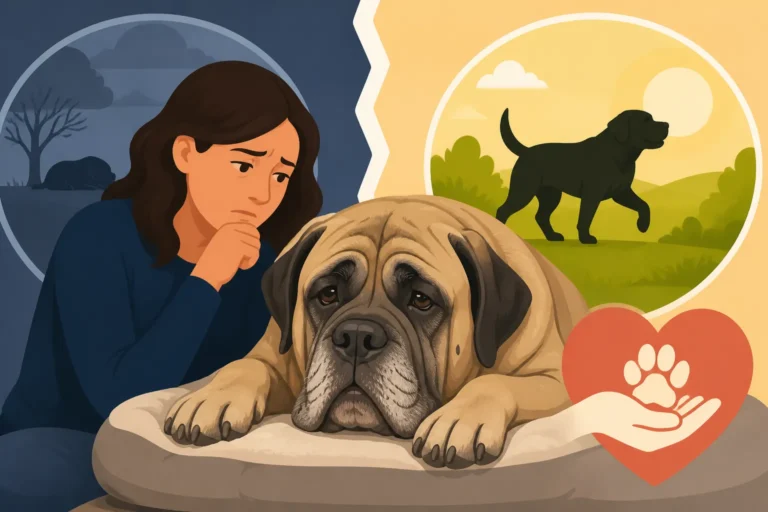
The Age a Mastiff Starts to Slow
It’s a heartbreaking reality that our beloved Mastiffs, with their massive hearts and gentle souls, don't stay with us as long as we'd wish. One of the toughest parts of owning these magnificent giants is watching them transition from playful pups to stately seniors far sooner than many other breeds. This guide aims to prepare you for the inevitable, helping you understand when a Mastiff typically starts to slow down and what you can do to support them through their golden years, ensuring their comfort and happiness.
The Inevitable March of Time: When Youth Fades for a Mastiff
The sheer size and weight that make Mastiffs so awe-inspiring are also factors that contribute to their accelerated aging process. Unlike smaller breeds that might remain spry well into their double-digit years, a Mastiff's body simply carries more burden, leading to an earlier onset of age-related changes.
Why Five Years Feels So Young
For many dog owners, a five-year-old dog is still in the prime of its life, full of energy and vigor. But for a Mastiff, reaching five years old often marks the transition into senior status. It might feel incredibly young to consider your magnificent companion an "old dog" at this age, but their physiology dictates a different timeline. While a small terrier might live to 15 or 16, a Mastiff's journey is typically much shorter, often summed up as Six to Ten Years Is What a Mastiff Gets. This compressed lifespan means every year is equivalent to several human years, and the signs of aging appear rapidly. Their enormous frame, while impressive, places constant stress on their joints, organs, and overall system, leading to wear and tear that simply accrues faster. It's a cruel twist of fate that the very thing we adore about their grand presence also contributes to their earlier decline.
Early Signs of Slowing Down
Spotting the first signs of your Mastiff slowing down can be subtle, almost imperceptible at first, and often dismissed as just a "lazy day." However, these small changes can be crucial indicators that your dog is entering its senior phase and may need adjustments to its care. You might notice a reluctance to jump into the car, or perhaps they take a little longer to rise from a deep sleep, requiring a more deliberate effort to push up their heavy frame. Their once enthusiastic greeting at the door might now be a slower, more measured response, sometimes even just a happy tail wag from a lying position.
Playtime, too, might change. Instead of bounding after a ball with full gusto, they might prefer a gentle game of tug-of-war while lying down, or simply watching the world go by from a comfortable spot. Walks, which used to be an exciting adventure, might become shorter, and they might lag behind more often, sniffing every blade of grass with a profound focus that wasn't there before. Observing these nuances, like a slight hesitation before navigating stairs or choosing the path of least resistance around the house, are key to understanding The Age a Mastiff Starts to Slow and when to start making accommodations. It's not about them becoming less loving; it's about their body asking for a little more grace and support.
What's Really Happening Inside a Slowing Mastiff?
Beneath the surface of a slowing Mastiff, significant physiological changes are taking place. Their large stature, while majestic, brings with it a unique set of challenges that can accelerate the aging process and contribute to their decreased mobility and energy.
Joint Wear and Tear: The Heavy Price of Being Giant
The most common and impactful factor contributing to a Mastiff's slowing down is the sheer wear and tear on their joints. Imagine carrying an extra hundred pounds or more on your frame every single day of your life; that's the reality for a Mastiff. This constant stress takes a toll, often resulting in conditions like arthritis. We frequently see Arthritis in a Mastiff at Four, which is incredibly young for such a debilitating condition. The cartilage in their joints begins to degrade, leading to bone-on-bone friction, inflammation, and pain. Conditions like hip and elbow dysplasia, which can be present from a young age, often become more pronounced and painful as the dog ages, making every movement an effort.
A slowing Mastiff might not cry out in pain, as they are often stoic, but their reluctance to move, their stiff gait, and their preference for soft resting spots are all indicators of discomfort. This is where proactive care, including appropriate joint support, becomes paramount. Many owners find that starting Joint Supplements for a Mastiff even before obvious signs of slowing can help manage the progression of these issues and maintain comfort for longer.
Metabolic and Systemic Changes
Beyond joint issues, a Mastiff's internal systems also begin to change as they age, contributing to a general decrease in energy and vitality. Their metabolism can slow down, making them more prone to weight gain if their diet and exercise aren't adjusted, which in turn exacerbates joint problems. Hormonal imbalances, such as Hypothyroidism in a Mastiff, are not uncommon in the breed and can lead to lethargy, weight gain, and a dull coat, all contributing to a "slowing down" appearance. A simple blood test can often diagnose this, and medication can dramatically improve their quality of life.
Heart conditions can also begin to manifest, reducing their stamina and making them tire more easily. While a full physical exam by your vet will help identify these issues, it's also worth noting that What a Mastiff's Weight Does to Every Line on the Vet Invoice is a constant factor in managing their health. From medication dosages to specialized diagnostics, the cost implications are always higher for giant breeds, making vigilant monitoring even more critical. Understanding these systemic changes means we can better support our Mastiffs, not just physically, but holistically, as they navigate their senior years.
Adapting to Your Mastiff's Golden Years
When your Mastiff starts to slow, it's a clear signal that their needs are changing, and it's our responsibility as their devoted caregivers to adapt their environment and routine to maximize their comfort and well-being. This isn't about giving up on them; it's about giving them the best possible quality of life in their senior phase.
Adjusting Exercise and Routine
The days of long, vigorous hikes or extended periods of intense play might be behind your slowing Mastiff, but that doesn't mean exercise stops. Instead, it becomes about quality over quantity, and gentle movement over strenuous activity. Think shorter, more frequent walks around the block instead of one long trek. These smaller outings still provide mental stimulation and gentle physical activity without overtaxing their joints or cardiovascular system. Pay close attention to their cues; if they seem tired, it's time to head home.
Inside the house, consider making simple modifications. If you have stairs, try to limit their use, or at least provide assistance. Remember, Why Stairs Are Worse for a Mastiff Than Any Breed due to the immense pressure on their joints, especially their hips and elbows. A ramp for getting into vehicles or even up a few steps can be a game-changer, and teaching them to use it early can be incredibly beneficial. For more on this, you might find "Teaching a Mastiff to Use a Ramp" a helpful read. Providing secure footing on slick surfaces is also crucial; Traction: Why a Mastiff Cannot Live on Bare Hardwood is a lesson many giant breed owners learn the hard way. Strategically placed runners or rugs can provide much-needed grip, preventing painful slips and falls that can cause serious injury.
Nutritional Support and Weight Management
Nutrition plays an incredibly vital role in supporting a senior Mastiff. As their metabolism slows and their activity level decreases, it's easy for them to pack on extra pounds, which adds even more strain to already compromised joints. Keeping them lean is paramount. Indeed, research suggests Whether a Lean Mastiff Lives Longer is often true across breeds, and especially so for giants. Consult with your veterinarian about transitioning to a high-quality senior dog food formula, which typically has adjusted calorie content, and sometimes includes ingredients to support joint health.
Beyond the main meal, consider supplementing their diet with joint-specific nutrients if you haven't already. Glucosamine, chondroitin, and omega-3 fatty acids are common additions that can help reduce inflammation and support cartilage health. Just be sure to discuss any supplements with your vet to ensure they are appropriate for your individual Mastiff's needs and won't interact with any existing medications. Portion control is key; measuring food precisely rather than free-feeding can prevent overconsumption and help maintain that crucial lean body condition.
The Importance of Proactive Veterinary Care
As your Mastiff ages and starts to slow, regular veterinary check-ups become even more critical. These aren't just routine visits; they're opportunities for early detection of age-related conditions and for managing pain effectively. Your vet can perform comprehensive exams, including blood work and urinalysis, to screen for issues like thyroid disease, kidney problems, or even early signs of cancer, which often affect older Mastiffs.
Don't hesitate to discuss any changes you observe, no matter how minor they seem. A slight limp, a cough, or even changes in appetite or thirst can be significant. Your vet can assess their pain levels and recommend appropriate pain management strategies, which might include anti-inflammatory medications, physical therapy, or alternative therapies. This proactive approach can make a world of difference in your Mastiff's comfort and longevity. Navigating the costs of senior care can be daunting, but having pet insurance, such as from Healthy Paws, can be incredibly helpful for covering unexpected treatments or ongoing medication needs. They can provide peace of mind that you can afford the best care for your aging giant. For a broader look at managing their later years, you might find Caring for a Mastiff Past Five a valuable resource.
Emotional Toll and Quality of Life
Beyond the physical aspects, the emotional well-being of a slowing Mastiff, and indeed of their human family, is deeply intertwined. It’s vital to acknowledge and address both.
Recognizing Pain vs. "Just Getting Old"
It's tempting, when you see your Mastiff moving more slowly or being less enthusiastic, to simply attribute it to "just getting old." While age is certainly a factor, it’s crucial to understand that "old age" is not a diagnosis for pain. Many signs we associate with aging, like stiffness, reluctance to move, or even irritability, can actually be indicators of discomfort or pain that can be managed. A Mastiff, being a stoic breed, may not vocalize their pain explicitly, but subtle behavioral changes can tell a story. Perhaps they shy away from being petted in certain areas, or they are less tolerant of other pets or children. These are not personality quirks but potential cries for help.
It’s your job to be their advocate. If you suspect pain, talk to your vet. They can help differentiate between normal age-related changes and conditions like Whether Degenerative Myelopathy Is Painful for a Mastiff or severe arthritis. Modern veterinary medicine offers many tools for pain management, from medications to physical therapy, acupuncture, and laser treatments. Investing in addressing their pain can significantly improve their daily comfort and overall quality of life, allowing them to truly enjoy their remaining years.
Cherishing Every Moment
As your Mastiff enters its golden years and begins to slow, the focus shifts from rigorous training or long adventures to providing comfort, security, and unwavering companionship. These years are precious, and it’s a time to truly cherish every quiet moment. Ensure they have multiple soft, orthopedic beds around the house, especially in their favorite nap spots. Knowing How Thick a Bed a Mastiff Needs is crucial; their heavy bodies require significant cushioning to prevent pressure sores and ease joint pain.
Continue to engage their minds with gentle activities, like puzzle toys, scent work indoors, or short, enjoyable car rides. Their need for companionship and gentle affection doesn't diminish with age; in fact, it often increases. Spend time just being with them, offering gentle petting, quiet conversation, and reassurance. These are the moments that strengthen your bond and make their senior years truly golden. While it's a difficult topic to consider, understanding resources like Making the Decision for an Old Mastiff will eventually become part of this journey, and making sure every day they have is filled with love and dignity is the ultimate goal.
Here's a quick table to help you distinguish between typical slowing and potential underlying issues:
| Observation / Symptom | Potential "Normal" Aging (Slowing) | Potential Underlying Medical Issue (Requires Vet) |
|---|---|---|
| Movement & Mobility | Slower to rise, less eager for long walks, preference for naps. | Consistent lameness, limping, sudden inability to stand, yelping in pain, extreme stiffness. |
| Energy Levels | More frequent naps, less sustained playtime. | Extreme lethargy, reluctance to move at all, disinterest in favorite activities. |
| Appetite & Thirst | Slight decrease in appetite, normal drinking. | Significant changes in appetite (loss or excessive hunger), excessive thirst, weight loss or gain. |
| Behavior | More calm, less tolerant of boisterous play, preference for quiet. | Irritability, aggression, increased vocalization (whining, groaning), disorientation, house-soiling. |
| Physical Appearance | Graying muzzle, some muscle loss. | New lumps/bumps, persistent coughing, changes in breathing, dull coat, skin issues, eye/ear discharge. |
Disclaimer
This article is for general informational purposes only and does not constitute professional advice. Laws, prices and regulations vary by location and change over time. Consult a qualified professional for guidance on your specific situation.