What Ends a Mastiff at Eight
The deep ache of knowing your Mastiff's lifespan is cruelly short is a burden every owner carries. Many of us grapple with the painful reality that these magnificent giants often don't see their tenth birthday. This guide delves into the unfortunate but common health challenges that frequently lead to a Mastiff's passing around the age of eight, helping you understand what to watch for and how to provide the best possible care for their precious, albeit brief, journey.
The Harsh Reality of Mastiff Lifespans
It's a truth that hits hard, but the joy a Mastiff brings is often compressed into a shorter timeframe than most other breeds. Owners are often told that their beloved companion will only be with them for "Six to Ten Years Is What a Mastiff Gets". This isn't just a number; it’s a reality steeped in the biology of giant breeds. Understanding why they age faster can help us appreciate their unique needs and challenges.
Why Giants Age Faster
It's a biological paradox: the biggest dogs, like our Mastiffs, tend to have the shortest lives. This accelerated aging process isn't fully understood, but current theories point to rapid growth rates and metabolic differences. Imagine the sheer amount of cellular division and growth happening in a Mastiff puppy that goes from a tiny ball of fluff to a 150-pound adolescent in a year. This intense cell turnover may lead to a higher accumulation of cellular damage and oxidative stress over time, effectively 'wearing out' their bodies faster. Their large size also puts immense strain on their cardiovascular system and joints from an early age, contributing to a quicker decline.
Think about the sheer scale of their organs. A Mastiff's heart has to pump blood through an enormous body, working harder than a smaller dog's. Their bones and joints bear a massive load day in and day out. This constant, high-level physiological demand means that the systems of a giant breed like a Mastiff experience more stress and breakdown over fewer years. It's not a gentle decline; it often feels like a rapid acceleration towards old age, where issues that might appear in a smaller dog's later teens hit a Mastiff by middle age.
The "Golden Years" Are Different for a Mastiff
For many smaller breeds, "senior" status might begin around 7-10 years old, with a gradual slowing down. For a Mastiff, those golden years often start much, much earlier. A Mastiff is considered a senior at around five or six years old. At eight, they are truly in their twilight, facing challenges that a smaller dog might not encounter until 12 or 14. This means owners have a much shorter window to enjoy their dog's active, vigorous years and need to be acutely aware of age-related changes far sooner.
By the age of eight, a Mastiff might be moving slower, have difficulty rising, or show less interest in activities they once loved. Their metabolism shifts, their immune system might weaken, and chronic conditions that were manageable can become more pronounced. This isn't just about graying muzzles; it's about internal systems approaching their limits. It requires a significant shift in care, focusing on comfort, pain management, and adapting their environment to support their declining mobility and overall health.
Cancer: The Silent, Devastating Foe
One of the most heartbreaking realities of owning a Mastiff is their alarming predisposition to various forms of cancer. It’s a leading cause of death in the breed, often striking them down far too early, sometimes even before they reach their projected short lifespan. The statistics are grim, and for many owners, cancer is the thief that steals their beloved giant.
Common Cancers in Mastiffs Around Eight
By eight years old, a Mastiff is at a very high risk for several aggressive cancers. Osteosarcoma, a devastating bone cancer, is notoriously common in large and giant breeds. It often appears as lameness that doesn't resolve, and by the time it's diagnosed, it can be aggressive and quickly metastasize. Other prevalent cancers include lymphoma, affecting the lymphatic system, and hemangiosarcoma, which can silently grow on the spleen or heart before causing a sudden, catastrophic bleed. Fibrosarcomas and mast cell tumors are also seen. These cancers are often aggressive and difficult to treat effectively, especially when the dog is already advanced in years.
These specific types of cancer are particularly challenging. Osteosarcoma, for instance, is often diagnosed after a Mastiff shows a persistent limp, and by then, the disease is already quite advanced. The prognosis is often poor, even with aggressive treatment like amputation and chemotherapy. Lymphoma might present as swollen lymph nodes, lethargy, or loss of appetite, and while chemotherapy can extend life, it's rarely curative. Hemangiosarcoma is often called a "silent killer" because it can progress without obvious symptoms until a rupture occurs, leading to acute collapse. It’s crucial to be aware of "Which Cancers Mastiffs Get" so you can advocate for your dog's health.
Recognizing the Subtle Signs
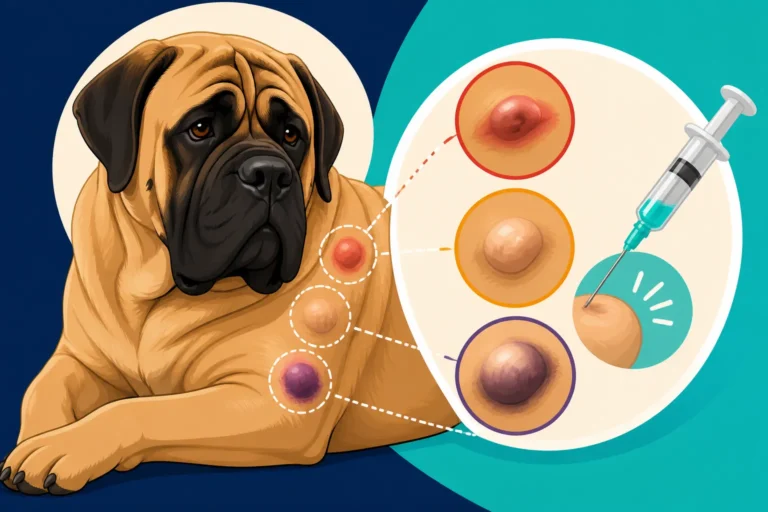
Early detection of cancer in a Mastiff can be incredibly challenging because the initial signs are often vague and easily dismissed as normal aging. A slight limp might be attributed to arthritis, a decrease in appetite to a picky phase, or increased lethargy to simply slowing down. However, these subtle changes are precisely what need careful attention. Any persistent change in behavior, appetite, energy levels, or the appearance of new lumps or bumps should prompt an immediate veterinary visit.
Because of their immense size, examining a Mastiff can be difficult, and owners might not notice subtle changes until they become significant. Regular, thorough check-ups with your veterinarian, especially as your Mastiff approaches middle age, are absolutely critical. Don't hesitate to mention even the smallest concern, as early diagnosis can sometimes make a significant difference in treatment options and quality of life. For instance, if you notice a new lump or bump, even if it feels benign, asking your vet to perform a fine-needle aspirate can provide valuable information. Pet insurance, such as a policy from Healthy Paws, can be an invaluable financial safety net if your Mastiff faces a cancer diagnosis, helping cover the often exorbitant costs of diagnostics and treatment.
Orthopedic and Mobility Challenges
The sheer size and weight of a Mastiff, while impressive, are a double-edged sword when it comes to their joints and skeletal structure. Long before they reach eight, many Mastiffs are already contending with significant orthopedic issues that only worsen with age, eventually leading to severe mobility impairment and pain that can severely impact their quality of life.
Worsening Hip and Elbow Dysplasia
Hip and elbow dysplasia are endemic in giant breeds, and Mastiffs are no exception. Many are born with a genetic predisposition to these conditions, where the joints don't develop properly. By age eight, if not earlier, the cumulative wear and tear on these compromised joints lead to severe arthritis. This means chronic pain, stiffness, and extreme difficulty with movement – standing up, lying down, climbing stairs, or even just walking can become an agonizing chore. The once-graceful giant can become a prisoner in its own body.
Even Mastiffs who had mild cases or were managed well in their younger years will likely experience significant deterioration by eight. The cartilage that once provided cushioning will be severely eroded, bone spurs will form, and inflammation will be constant. This pain is not just physical; it affects their mental well-being, leading to depression and a reluctance to engage. Understanding "How Common Hip Dysplasia Is in Mastiffs" and that "Elbow Dysplasia Affects One Mastiff in Seven" highlights the widespread nature of these problems. Managing this involves a multi-modal approach including pain medication, joint supplements, physical therapy, and sometimes even palliative care.
Degenerative Myelopathy and Other Neurological Issues
Beyond joint problems, neurological conditions can also significantly impact a Mastiff's mobility and quality of life by age eight. Degenerative Myelopathy (DM) is a progressive disease of the spinal cord that is unfortunately seen in Mastiffs. It typically presents as weakness in the hind limbs, slowly progressing to paralysis. It's not painful, but the loss of function is devastating. Symptoms usually start between ages 8 and 14, making eight a prime age for its onset.
Imagine your mighty Mastiff, who once could lumber with surprising agility, gradually losing control of its back legs. It's heart-wrenching. "What Degenerative Myelopathy Does to a Mastiff" is a slow, relentless progression where hind leg weakness turns into wobbling, stumbling, and eventually, the inability to stand or walk without assistance. For a massive dog, this presents immense challenges for both the dog and the owner in terms of care and mobility assistance. We've seen "The Age Degenerative Myelopathy Starts in a Mastiff" often coincides with their senior years, making proper diagnosis crucial to differentiate it from severe arthritis. Other neurological issues, though less common, such as certain spinal cord compressions or nerve degenerations, can also mimic or contribute to severe mobility issues, further compounding the challenges of old age in such a large breed.
Cardiovascular and Organ System Decline
While cancer and joint issues often take center stage in discussions about Mastiff health, the quiet decline of internal organ systems, particularly the heart, liver, and kidneys, can be just as devastating and often contributes to their shortened lifespan around eight years of age. These conditions can progress subtly, often showing minimal outward signs until they reach an advanced stage.
Heart Conditions and Their Progression
Mastiffs, like many large and giant breeds, can be prone to specific heart conditions that become more problematic as they age. Dilated Cardiomyopathy (DCM) is a particularly concerning one, where the heart muscle becomes thin and weak, leading to an enlarged heart that struggles to pump blood effectively. This can lead to congestive heart failure. While some Mastiffs might develop it earlier, by eight years old, if they have an underlying predisposition, the condition may become severe enough to cause significant clinical signs like lethargy, coughing, difficulty breathing, or even sudden collapse.
Subvalvular aortic stenosis (SAS), another heart condition, involves a narrowing below the aortic valve, making the heart work harder. Over time, this extra workload can lead to heart muscle thickening and eventual failure. Regular cardiac check-ups, including echocardiograms, are vital for Mastiffs, especially as they get older, to detect these issues early. We explore "Whether a Mastiff Gets Dilated Cardiomyopathy" in more detail elsewhere, but suffice it to say, it's a significant concern that often becomes life-limiting around this age. Monitoring for subtle changes in endurance or breathing is essential.
Kidney and Liver Failure
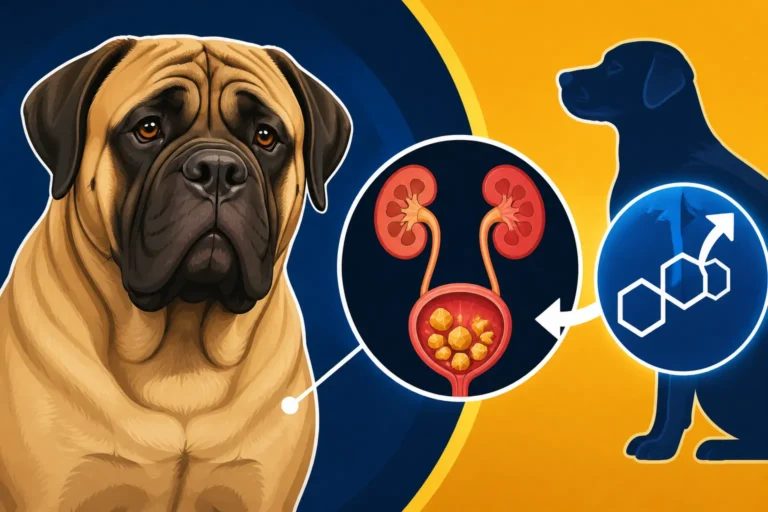
The kidneys and liver are vital organs responsible for filtering toxins, metabolizing nutrients, and maintaining overall bodily balance. As a Mastiff ages, these organs can naturally lose efficiency, or pre-existing conditions can worsen, leading to chronic kidney disease (CKD) or liver failure. These conditions are insidious; dogs are masters at hiding illness, and by the time symptoms like increased thirst, frequent urination, weight loss, vomiting, or jaundice appear, significant organ damage may have already occurred.
Chronic kidney disease, for instance, is a progressive and irreversible condition. While it can be managed with diet, medications, and fluid therapy, it will eventually lead to organ failure. Similarly, liver disease can impact a Mastiff's ability to digest food, detoxify its body, and maintain healthy blood clotting. By eight years old, the cumulative stress on these systems, often exacerbated by other health issues or medications used for pain management, can push them past their functional limits. Regular senior bloodwork panels, often recommended annually from age five or six, are crucial for early detection, giving owners and vets a chance to slow the progression and maintain quality of life. Without the support of pet insurance like Healthy Paws, the ongoing costs of managing chronic kidney or liver disease can be substantial, adding another layer of stress during an already difficult time.
Acute Emergencies: Bloat and More
Even with the best preventative care, an older Mastiff can face acute emergencies that can swiftly turn fatal. Their anatomy makes them particularly susceptible to certain conditions, and their sheer size means that rapid intervention is not just ideal, but absolutely critical.
Gastric Dilatation-Volvulus (Bloat)
No discussion of Mastiff health would be complete without highlighting the ever-present threat of Gastric Dilatation-Volvulus (GDV), commonly known as bloat. This is a life-threatening condition where the stomach fills with gas and often twists, cutting off blood supply and trapping the gas. While it can occur at any age, older Mastiffs may be more prone due to looser ligaments supporting the stomach, or simply because their general health might be declining, making them less resilient to such a shock. "Bloat in the Deepest Chest of Any Breed: the Mastiff" is a constant fear for owners.
The onset of bloat is sudden and terrifying. Symptoms include restlessness, unproductive retching, distended abdomen, excessive drooling, and signs of pain. Without immediate emergency surgery, it is almost always fatal, and even with surgery, the mortality rate is significant. For an eight-year-old Mastiff, who might already have other underlying health issues, undergoing such a major surgery carries even higher risks. Recognizing "The First Sign a Mastiff Is Bloating" can mean the difference between life and death. The decision to pursue such aggressive treatment in an elderly dog is always a difficult one, weighed against their overall health and prognosis.
Unforeseen Accidents and Injuries
As Mastiffs age, their strength, balance, and coordination can decline, making them more susceptible to accidents and injuries that can be severe for a dog of their size. A simple slip on a slick floor, a misstep on stairs, or an awkward landing after jumping off a low surface could result in serious soft tissue injuries, torn ligaments (like a cruciate tear), or even fractures. For a younger, healthier dog, these might be recoverable with surgery and rehabilitation, but for an eight-year-old Mastiff, the recovery can be incredibly challenging, prolonged, and may not lead to a full return to function.
Imagine your older Mastiff, perhaps already dealing with mild arthritis, taking a tumble. The impact on their already stressed joints and weaker muscles can be immense. Healing bones and ligaments in a dog weighing upwards of 150-200 pounds is complex, often requiring prolonged strict rest, which is difficult for any dog, let alone a large, potentially confused senior. The pain management, physical therapy, and sheer logistics of caring for an immobile giant can be overwhelming. Sometimes, a severe injury from which an older Mastiff cannot realistically recover, given their other age-related issues, can tragically become the deciding factor in their end-of-life care. This is where comprehensive pet insurance like Healthy Paws becomes a lifeline, covering unexpected accidents and injuries that can rack up significant veterinary bills.
Quality of Life Considerations and End-of-Life Decisions
When your Mastiff reaches eight years old, discussions about their quality of life become paramount. It's a heavy topic, but one that responsible Mastiff owners must confront with honesty and compassion. Our role shifts from preventing illness to managing comfort and ensuring their final years are as dignified and pain-free as possible.
Assessing a Mastiff's Comfort and Joy
Evaluating a Mastiff's quality of life involves more than just physical health. It's about looking at the whole dog: their mental state, their appetite, their interactions, and their ability to experience joy. Are they still interested in their favorite activities, even if modified? Do they greet you with a wagging tail or a happy rumble? Are they eating and drinking adequately? Are they free from chronic, unmanageable pain? Signs of declining quality of life can include persistent pain that can't be controlled, extreme difficulty with mobility, loss of appetite, incontinence, confusion, or a general disinterest in life.
It’s often a subtle, gradual decline, making it harder to pinpoint a specific "bad day." Keeping a journal of your Mastiff's good days versus bad days, their appetite, their mobility, and their general demeanor can be incredibly helpful for you, your family, and your veterinarian in objectively assessing their well-being. We understand the deep bond, and the desire to hold on, but ensuring your Mastiff isn't suffering is the ultimate act of love. You can read more about "Caring for a Mastiff Past Five" to prepare for these eventualities.
Making the Difficult Choice
Perhaps the most agonizing decision any pet owner faces is knowing when it's time to say goodbye. For a Mastiff around eight years old, with their myriad of health challenges, this decision can come sooner and feel even more unfair. It's a profound responsibility to spare them from prolonged suffering when medical interventions can no longer provide a good quality of life. This isn't about giving up; it's about choosing to end their pain when you can no longer alleviate it.
Your veterinarian can be an invaluable guide in this process, helping you assess your Mastiff's condition objectively and discuss all available options, including palliative care. The conversation often revolves around what their "normal" looks like now, how much discomfort they're experiencing, and whether they can still find pleasure in the things they once loved. The Mastiff Club of America also offers resources and support for owners navigating end-of-life care. Ultimately, the decision comes from a place of deep love and understanding that you are acting in their best interest, even if it breaks your heart. More specific guidance can be found in our article on "Making the Decision for an Old Mastiff".
Here's a quick overview of some common health challenges faced by Mastiffs around age eight:
| Condition | Typical Onset/Severity by Age 8 | Impact on Quality of Life | Potential Outcomes |
|---|---|---|---|
| Cancer | High risk for aggressive types | Severe pain, lethargy, rapid decline, organ dysfunction | Often fatal, difficult to treat effectively |
| Hip/Elbow Dysplasia | Severe arthritis, chronic pain | Extreme mobility issues, reluctance to move, inability to stand/walk without assistance | Chronic pain, euthanasia due to intractable pain/immobility |
| Degenerative Myelopathy | Onset or progression of hind limb weakness | Progressive paralysis, loss of coordination, incontinence, difficulty with daily functions | Euthanasia due to loss of mobility and dignity |
| Dilated Cardiomyopathy | Advanced stages, congestive heart failure | Lethargy, coughing, difficulty breathing, exercise intolerance, fainting | Fatal, often sudden collapse |
| Kidney/Liver Disease | Advanced stages, organ failure | Vomiting, weight loss, increased thirst, lethargy, poor appetite, systemic illness | Fatal, euthanasia due to organ failure/poor prognosis |
| Bloat (GDV) | Ever-present risk | Acute severe pain, circulatory shock, organ damage | Rapidly fatal without emergency surgery |
Disclaimer
Please remember that this article is intended for informational purposes only and should not be taken as professional veterinary advice. Every Mastiff is an individual, and specific health concerns should always be discussed with a qualified veterinarian. Early and regular veterinary care is crucial for the health and well-being of your Mastiff.