Whether a Mastiff Puppy Can Be Tested Before Purchase
Bringing a Mastiff puppy into your home is an incredibly exciting time, full of dreams of a loyal, gentle giant companion. But let's be honest, there's often a nagging worry too: what about their health? Given the breed's predispositions to certain conditions and their notoriously shorter lifespans, it’s only natural to want as much assurance as possible. This guide will meticulously explore whether a Mastiff puppy can be, or even should be, tested for health conditions before you commit to bringing them home, helping you navigate the complexities of genetics and responsible breeding practices.
Understanding the Genetic Landscape of Mastiff Health
The Mastiff is a magnificent breed, but like all purebreds, they come with a genetic roadmap that can predispose them to specific health challenges. As a future owner, it's vital to understand what these are and how they can potentially impact your puppy's life.
Why Early Testing Matters for Mastiffs
When you're looking at a fluffy, adorable Mastiff puppy, it's hard to imagine them ever being anything but robust. However, the sheer size and rapid growth rate of Mastiffs mean that conditions affecting their joints, eyes, and other systems can be particularly debilitating. Imagine the heartbreak and expense of discovering your beloved gentle giant has severe hip dysplasia or is losing their sight at a young age. Early detection or, even better, preventative breeding can make an enormous difference. Given that Six to Ten Years Is What a Mastiff Gets, maximizing their quality of life from day one is paramount. We want to give these wonderful dogs every possible chance at a full, healthy life, and that starts with understanding their genetic predispositions.
The Role of Parental Health Clearances
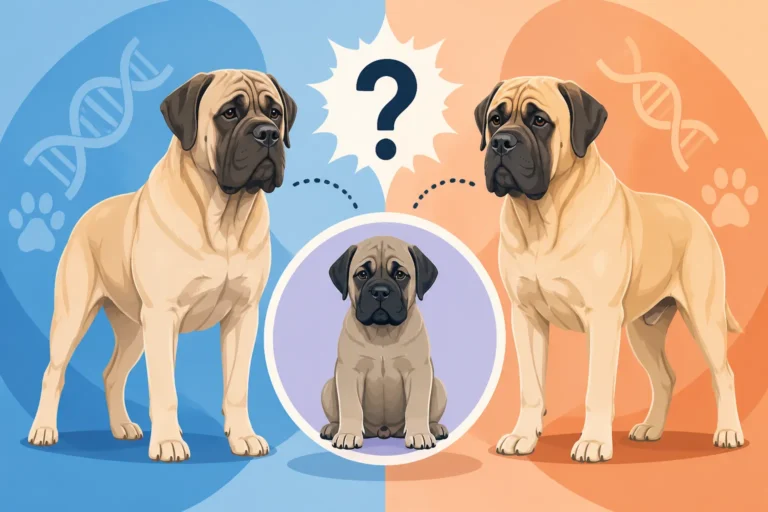
Here’s the first, most crucial point about "pre-purchase testing" for a Mastiff puppy: the most important health screening happens long before your puppy is even conceived. A truly responsible breeder will have put in significant effort to ensure the sire (father) and dam (mother) are thoroughly screened for common genetic conditions. These parental health clearances are your best indicator of a puppy's potential genetic health.
For Mastiffs, this typically involves certifications from organizations like the Orthopedic Foundation for Animals (OFA) for hips and elbows, a board-certified veterinary ophthalmologist for eye health (CAER/CERF), and a cardiologist for heart health. These aren't just arbitrary tests; they’re critical for ruling out or managing inherited conditions. For instance, knowing the parents have excellent OFA hip scores dramatically reduces the likelihood of their offspring developing severe hip dysplasia. Many of these clearances form part of the Canine Health Information Center (CHIC) program, which provides a centralized database for canine health information. A responsible breeder will readily provide you with these certificates and explain what they mean. You can often verify these results directly on the OFA or CHIC websites. Understanding The Four CHIC Tests a Mastiff Breeder Must Clear is a fundamental step for any prospective Mastiff owner.
Direct Genetic Testing Available for Mastiff Puppies
Beyond parental clearances, modern veterinary science offers direct DNA testing for specific conditions that can be performed on a puppy. This gives buyers an added layer of insight into their potential furry family member.
DNA Tests for Specific Conditions
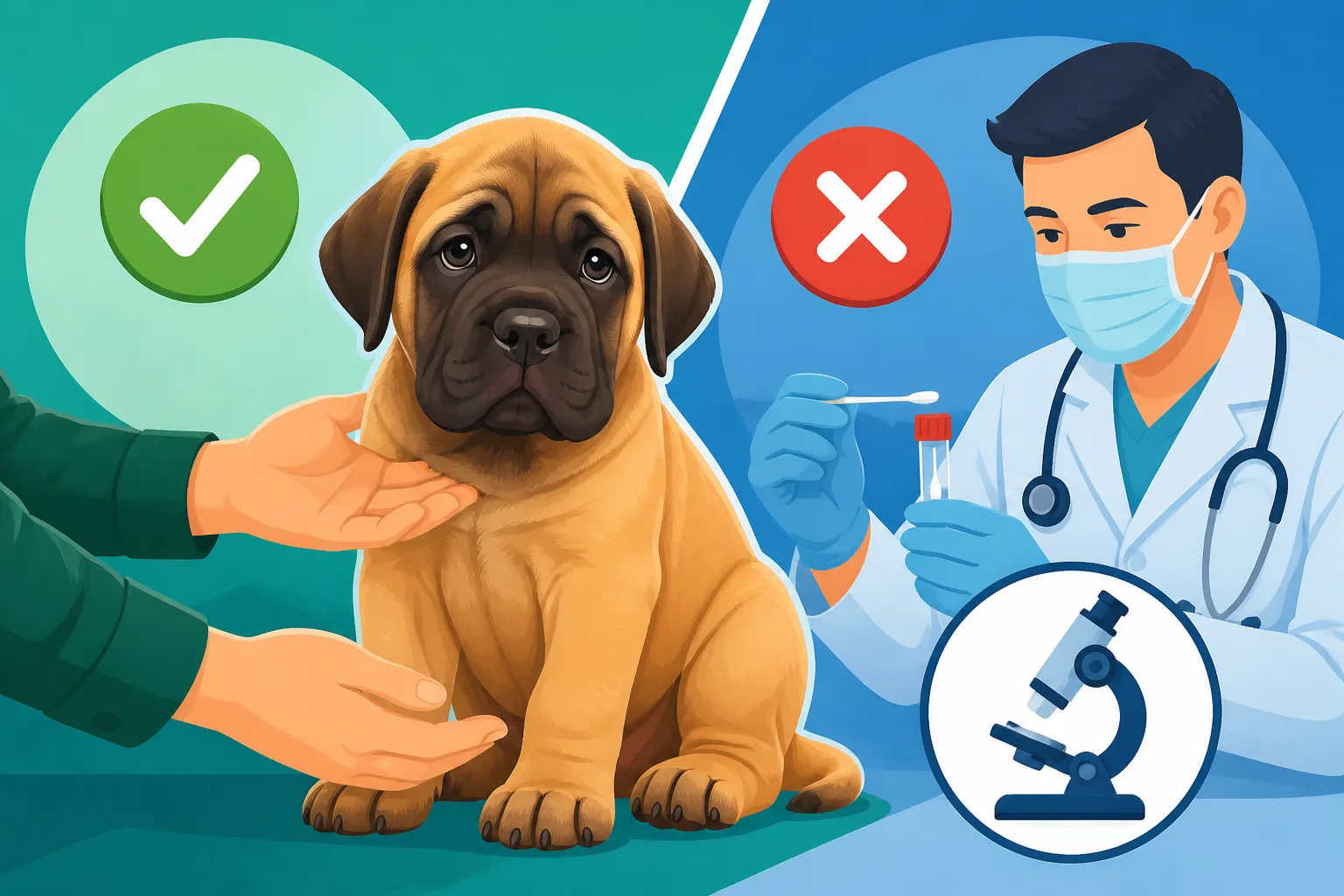
For certain health issues, a simple, non-invasive DNA test can tell you a lot about a Mastiff puppy’s genetic makeup. These tests are typically done using a buccal (cheek) swab and can provide results on carrier or affected status for Mendelian inherited conditions.
- Progressive Retinal Atrophy (PRA): This is a group of degenerative eye diseases that can lead to blindness. Fortunately, there's a DNA test available for the specific form of PRA found in Mastiffs (often designated as prcd-PRA or specific Mastiff PRA variants). This test can identify if a puppy is "clear" (meaning they don't carry the gene), a "carrier" (they carry one copy but won't be affected), or "affected" (they have two copies and are likely to develop the disease). Knowing this early can prepare you for potential vision loss in the future, even if it might not manifest until later in life. Learning about The DNA Test That Finds Mastiff PRA can offer significant peace of mind.
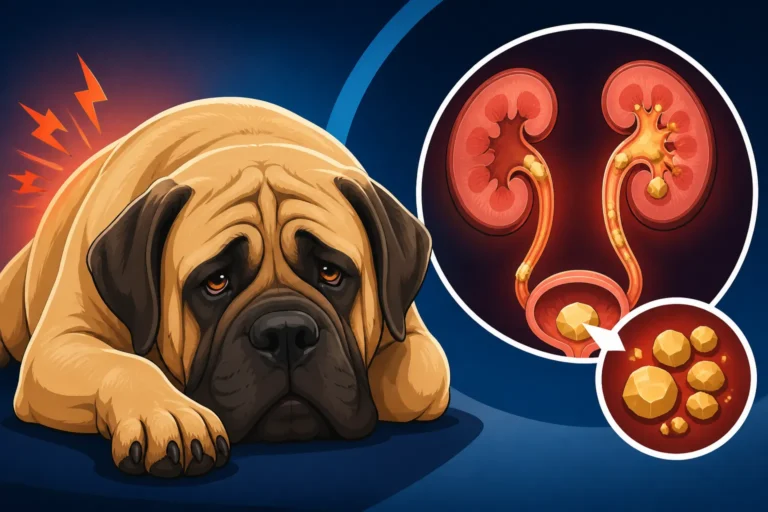
- Cystinuria Type III: This metabolic disorder primarily affects intact male Mastiffs and can lead to the formation of bladder stones, which can cause painful blockages and even be life-threatening. A DNA test can identify if a puppy is genetically predisposed to this condition. If you're considering an intact male Mastiff, this information is incredibly valuable. While a carrier female won't develop stones herself, knowing her status is crucial for any future breeding decisions. You can delve deeper into Cystinuria Type III and the Intact Male Mastiff to understand its nuances.
- Degenerative Myelopathy (DM): While DM is a heartbreaking neurological disease that typically manifests in older dogs, leading to progressive paralysis, a DNA test can identify if a puppy is a carrier or at-risk for developing it. It's important to remember that being "at-risk" doesn't guarantee the dog will get DM, but it indicates a genetic predisposition. Some dogs with two copies of the gene never develop symptoms. However, having this information at a young age allows owners and breeders to make informed decisions and potentially consider early preventative measures or lifestyle adjustments. For more details, explore What Degenerative Myelopathy Does to a Mastiff.
These DNA tests are generally accurate for the specific genetic markers they screen. Reputable labs like Embark Veterinary, Optimal Selection, or Canine HealthCheck offer comprehensive panels that include these and other breed-specific tests.
Limitations and Interpretations of Early DNA Tests
While powerful, it’s crucial to understand the limitations of these DNA tests. A positive result for a "carrier" status, for instance, doesn't mean your puppy will be sick. For recessive conditions like PRA, a carrier only has one copy of the gene and won't develop the disease themselves, but they could pass it on if bred with another carrier. For a pet owner not planning to breed, a carrier status might be less concerning, though still good to know for comprehensive health records.
Furthermore, DNA tests are for specific genetic markers. They are not crystal balls for complex, polygenic conditions like hip or elbow dysplasia, which are influenced by multiple genes and environmental factors like nutrition and exercise. You won't get a DNA test that tells you "this 8-week-old puppy will definitively have perfect hips." That kind of assessment relies heavily on mature skeletal structure, hence the parental OFA clearances remain paramount for these conditions. Think of it this way: DNA tests tell you if the potential for certain diseases is there, but not the certainty for all diseases, especially those with multiple contributing factors.
Veterinary Examinations and Screening Considerations
Beyond genetic testing, a thorough physical examination by a veterinarian, and sometimes more specialized screenings, are critical before bringing a Mastiff puppy home.
Standard Puppy Health Checks
Any responsible breeder will ensure their puppies have a comprehensive health check by a licensed veterinarian before they go to their new homes. This standard check typically includes:
- General Physical Exam: The vet will check the puppy's overall condition, listen to their heart and lungs, palpate their abdomen, check their eyes, ears, and teeth, and assess their gait. This provides a baseline of health.
- Fecal Exam: To screen for common internal parasites like roundworms or coccidia, which can be prevalent in young puppies and severely impact their growth and health.
- Initial Vaccinations and Deworming: Puppies typically receive their first round of vaccinations and deworming treatments around 6-8 weeks of age.
- Microchipping: Many breeders will also microchip puppies before they leave, registering it in the new owner's name.
As a buyer, you should receive a health certificate or a detailed vet record documenting these procedures. Most reputable breeders will also include a clause in their contract requiring you to have the puppy examined by your own veterinarian within 48-72 hours of purchase. This allows an independent assessment and ensures the puppy's health upon arrival, validating the breeder's health guarantee.
Eye and Heart Screenings in Young Mastiffs
While full certifications like OFA Eye (CAER) or OFA Cardiac are typically performed on adult dogs, some early screenings can be done on puppies:
- OFA Eye Exam (CAER/CERF): A board-certified veterinary ophthalmologist can conduct an eye exam on a litter of puppies, usually around 6-8 weeks old. This isn't specifically for the PRA genetic test, but rather to screen for congenital eye abnormalities such as persistent pupillary membranes, retinal folds, cataracts, or entropion/ectropion that might be present at birth. While a puppy might pass this exam, it doesn't guarantee they won't develop age-related eye issues later. However, it can catch significant congenital problems early. To learn more about this, consider reading Why a Mastiff Litter Needs an Eye Exam and Eye and Eyelid Disease in a Mastiff.
- Cardiac Screening: A general practice veterinarian will listen to a puppy's heart during a routine exam, specifically checking for heart murmurs. A murmur in a young puppy can sometimes be an "innocent" or "physiological" murmur that resolves as they grow, but it can also be indicative of a congenital heart defect. If a murmur is detected, further diagnostics, such as an echocardiogram by a veterinary cardiologist, might be recommended, though this is usually done after the puppy is a bit older. Understanding Whether a Mastiff Puppy's Murmur Matters can help you interpret such findings.
Skeletal Issues and X-Rays in Puppies
This is where things get a bit tricky for giant breeds. Many prospective owners ask about getting early x-rays of a Mastiff puppy's hips and elbows to check for dysplasia. However, this is generally not a reliable or recommended practice for several reasons:
- Open Growth Plates: At 8 weeks old, a Mastiff puppy's bones are still developing rapidly, and their growth plates (areas of cartilage at the ends of bones where new bone tissue is formed) are wide open. This makes it impossible to get a definitive assessment of joint conformation that will hold true into adulthood. OFA certification for hips and elbows is typically done at 24 months of age when the growth plates have closed and the joints are mature.
- Sedation Risks: To get good diagnostic X-rays, a puppy would need to be sedated or anesthetized, which carries risks, especially for very young animals. Performing this routinely for a non-diagnostic purpose is not advisable. You can find more information about Why Anesthesia Is Riskier in a Mastiff.
- Environmental Influence: While genetics play a huge role, environment, nutrition, and controlled exercise during a Mastiff's crucial growth period also significantly impact the development of hip and elbow joints. A puppy with good genetics can still develop problems if over-exercised or fed an improper diet.
Therefore, the most robust "pre-purchase screening" for hip and elbow dysplasia comes from the parents' OFA certifications, coupled with the breeder's commitment to raising puppies in an environment conducive to healthy joint development.
What a Responsible Breeder Provides and How to Interpret It
Navigating the world of Mastiff breeders can feel overwhelming, but a truly responsible one will be your best resource and partner in ensuring a healthy puppy.
Transparency and Documentation
A hallmark of a reputable breeder is their absolute transparency. They won't just tell you their breeding dogs are healthy; they will show you the documentation. This includes:
- OFA Certificates: Look for clear, official certificates for hips, elbows, patellas, and cardiac evaluations for both the sire and dam. The best scores are 'Excellent' or 'Good' for hips, and 'Normal' for elbows. You should see a CHIC number, indicating all required health tests have been completed and results are publicly available.
- Eye Certificates (CAER/CERF): Annual eye exams by a board-certified veterinary ophthalmologist are crucial.
- DNA Test Results: For conditions like PRA, Cystinuria Type III, and DM, they should provide official lab reports showing the clear/carrier/affected status of both parents. This is vital, especially when considering How Many Mastiffs Carry the Type III Marker or for understanding Why Mastiff Retinal Atrophy Needs Only One Copy of the Gene.
- Pedigree Information: A multi-generational pedigree can give you insights into the health history of the lineage.
Don't be shy about asking to see these documents, or better yet, verify them on the OFA or CHIC public databases. Any breeder who is evasive or only provides vague assurances should be a red flag. Remember, if a Mastiff puppy seems "too cheap," it’s often because critical health testing was skipped. Researching Whether a Mastiff Under Fifteen Hundred Was Health Tested can give you an idea of what to expect.
Health Guarantees and Contracts
A written health guarantee is a non-negotiable part of purchasing a Mastiff puppy from a reputable breeder. This legally binding contract outlines the breeder's commitment to the health of the puppy they've sold you. While the specifics vary, a good health guarantee typically covers:
- Communicable Diseases: For a short period (e.g., 48-72 hours) after purchase, ensuring the puppy is free of immediate illnesses. This is why your rapid vet check is so important.
- Congenital/Genetic Conditions: For a longer period (e.g., 1-2 years), covering serious inherited conditions like severe hip or elbow dysplasia, certain heart defects, or blindness from PRA. The contract should clearly state what recourse you have if such a condition is diagnosed, which might include a partial refund, a replacement puppy (if available), or assistance with vet bills up to a certain amount.
It’s crucial to read this contract carefully and understand its terms. It offers a layer of protection, but it’s not a blank check. Even with a health guarantee, unexpected vet bills can be substantial for a giant breed. This is where pet insurance, such as a policy from Healthy Paws, can be a lifesaver. While a guarantee might cover a specific genetic issue, pet insurance covers a much broader range of accidents and illnesses throughout your Mastiff’s life, helping you manage the significant costs associated with owning a giant breed.
Making an Informed Decision
Bringing a Mastiff home is a significant commitment, and ensuring their health from the outset is a top priority for any loving owner.
Prioritizing Parental Health Over Puppy Testing
Let's reiterate: the gold standard for "pre-purchase health testing" for a Mastiff puppy begins with the parents. A puppy's genetic health is largely a reflection of its lineage. If the sire and dam have undergone rigorous, verifiable health clearances for hips, elbows, eyes, heart, and relevant DNA conditions, you are already far ahead in mitigating many risks.
While puppy-specific DNA tests for conditions like PRA, Cystinuria Type III, and DM are incredibly valuable and should ideally be done by the breeder (or at least offered), they complement, rather than replace, thorough parental screening. Think of parental clearances as the foundation, and puppy DNA tests as specific structural inspections.
What to Ask Your Breeder and What to Look For
When speaking with a potential breeder, don't hesitate to ask direct, detailed questions. This isn't being pushy; it's being responsible.
Key Questions to Ask:
- "Can I see the OFA and CERF/CAER certificates for both the sire and dam, including their CHIC numbers?"
- "What DNA health tests do you perform on your breeding dogs, and can I see the results?" (Specifically ask about PRA, Cystinuria Type III, and DM for Mastiffs).
- "What is your health guarantee, and can I have a copy of the contract to review?"
- "What veterinary care have the puppies received (vaccinations, deworming, vet checks), and can I see their records?"
- "What is your feeding protocol for the puppies, and what recommendations do you have for their exercise during growth?" (This is crucial for preventing joint issues, as Why a Mastiff Puppy Must Not Be Exercised Hard is something all owners should know).
What to Look For:
- Transparency and Knowledge: A good breeder will be open, eager to share information, and deeply knowledgeable about Mastiff health and genetics. They should be able to explain what all the tests mean.
- Clean and Healthy Environment: Visit the breeder's home (if possible) or ask for video tours. The puppies and adult dogs should be clean, well-socialized, and appear healthy and happy.
- Engagement: The breeder should also be asking you many questions to ensure you're a good fit for one of their puppies.
- No Pressure: A reputable breeder will never pressure you into a sale. They want their puppies to go to the right homes.
Beyond Genetic Testing: Environment and Care
Even with the healthiest genetics, a Mastiff's long-term well-being is heavily influenced by how they are raised. This is where you, as the future owner, play an enormous role.
- Proper Nutrition: Feeding a high-quality, large-breed specific puppy food that supports slow, steady growth is vital for joint health. Avoid overfeeding, which can exacerbate joint problems.
- Controlled Exercise: Protect those rapidly developing joints! Avoid strenuous exercise, excessive jumping, or long walks during puppyhood. Gentle, controlled play and short walks are best. Understanding The Walk Length That Damages a Mastiff Puppy is key to preventing future orthopedic issues.
- Safe Environment: Provide soft bedding to prevent elbow calluses, and ensure traction on floors to prevent slipping and joint strain.
By combining the responsible breeding practices of thorough health testing with diligent care on your part, you greatly increase the chances of your Mastiff living their best, healthiest life. Investing in pet insurance, like a plan from Healthy Paws, can also provide a safety net for unexpected health challenges that can arise even in the most carefully bred and raised dogs.
Summary of Mastiff Puppy Pre-Purchase Health Screening
To help you keep track of the various tests and considerations when looking for a Mastiff puppy, here’s a quick overview:
| Test/Screening Type | What it Checks For | When it's Performed | What it Tells You (for a puppy buyer) |
|---|---|---|---|
| Parental OFA Hips/Elbows | Conformation of hip and elbow joints, likelihood of dysplasia | On adult breeding dogs (24+ months) | Strongest indicator of a puppy's genetic predisposition for good joint health. |
| Parental Eye Exam (CAER) | Inheritable eye diseases, including those that manifest later | Annually on adult breeding dogs | Parents are free from observable eye conditions, reducing puppy risk. |
| Parental Cardiac Exam (OFA) | Inheritable heart conditions (e.g., DCM, subaortic stenosis) | On adult breeding dogs (12+ months) | Parents have healthy hearts, reducing puppy risk for certain conditions. |
| Puppy DNA Panel (PRA, Cystinuria Type III, DM) | Genetic markers for specific conditions like Progressive Retinal Atrophy, Cystinuria Type III, Degenerative Myelopathy | Can be done as early as 6-8 weeks via cheek swab | If puppy is clear, carrier, or at-risk for these specific conditions. |
| Puppy Vet Check | General health, parasites, initial vaccinations | Typically 6-8 weeks (before leaving breeder), then 48-72 hours post-purchase | Immediate health status, confirmation of vaccinations. |
| Puppy Eye Exam (Ophthalmologist) | Congenital eye abnormalities present at birth | 6-8 weeks (often for entire litter) | Checks for structural eye issues present in very young puppies. |
| Puppy Heart Auscultation | Presence of heart murmurs | Part of routine vet check at 6-8 weeks | Detects murmurs, which may or may not be significant. |
This table serves as a helpful checklist, but remember that dialogue with your chosen breeder remains the most important tool in understanding the health profile of your potential Mastiff puppy. Choosing a well-bred puppy means choosing a healthy future for your magnificent companion.
Disclaimer
This article is for general informational purposes only and does not constitute professional advice. Laws, prices and regulations vary by location and change over time. Consult a qualified professional for guidance on your specific situation.