Whether a Mastiff’s Eyelids Roll In or Out
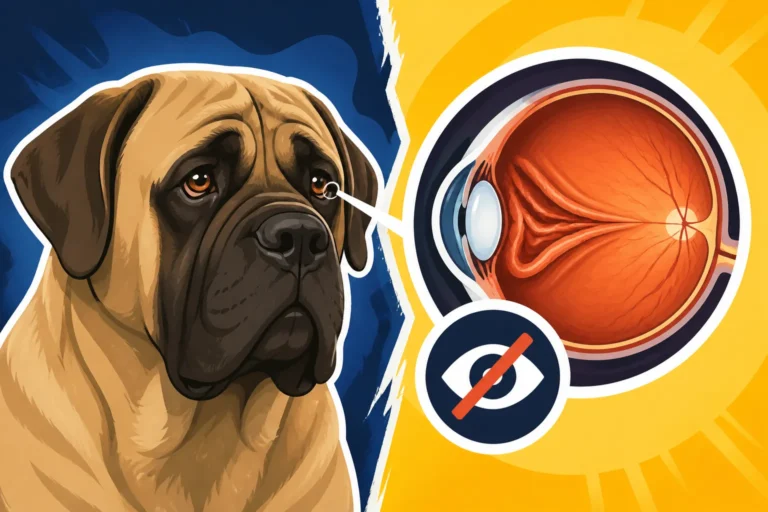
One of the most concerning things for any Mastiff owner is seeing their beloved giant in discomfort, especially when it involves their eyes. The sheer size and distinct facial structure of our Mastiffs, with their beautiful, loose skin, can unfortunately predispose them to frustrating eyelid issues where the lids either roll inward or sag outward. This comprehensive guide will walk you through understanding these conditions, what to look for, and how to ensure your gentle giant receives the best care, minimizing their pain and preserving their precious sight.
Understanding Entropion: When Eyelids Roll Inward
Entropion is a common eyelid abnormality in dogs, and it’s particularly prevalent in breeds with loose facial skin, like our Mastiffs. It's a condition where a portion of the eyelid, usually the lower one, rolls inward towards the eye. This might sound minor, but imagine having your eyelashes constantly scratching against your eyeball – that's what your Mastiff experiences. It's incredibly uncomfortable and can lead to serious complications if not addressed.
What Entropion Looks Like in a Mastiff
When a Mastiff has entropion, you'll notice the eyelid margin turning in, causing the eyelashes and surrounding fur to rub against the cornea, which is the clear outer layer of the eye. In a Mastiff, with their naturally deep-set eyes and often prominent brows, this can sometimes be subtle at first, especially in puppies. You might just see them squinting or blinking more often. Look closely at the lower lid; instead of lying flat against the eyeball, it will appear to curve inwards. In some cases, the upper lid can also be affected, though this is less common.
The tell-tale signs are often easier to spot after your Mastiff has been playing or had a nap, as the muscles around the eye might relax, making the roll more obvious. Their generally stoic nature might make them hide the discomfort, so a keen eye is necessary. This is especially true for young pups; sometimes, the condition will resolve as they grow and their facial structure develops, but persistent symptoms warrant immediate veterinary attention.
Symptoms and Complications of Entropion
The constant rubbing of hair and lashes against the cornea causes significant irritation. You might see your Mastiff pawing at their face, rubbing their head on furniture, or just generally appearing distressed around their eyes. Common symptoms include excessive tearing, a discharge (clear or mucous-like, sometimes yellow or green if infected), redness of the conjunctiva (the pink tissue around the eye), and noticeable squinting or holding the eye partially closed. The pain can be quite intense, making them reluctant to open their eyes fully.
If left untreated, entropion can lead to serious complications. The persistent friction can cause corneal ulcers, which are painful open sores on the surface of the eye. These ulcers can become infected, potentially leading to scarring, vision impairment, or in severe cases, even rupture of the eyeball. Chronic irritation can also result in corneal pigmentation, where dark pigment spreads across the cornea, further reducing vision. It’s not just about comfort; it's about protecting your Mastiff's eyesight and overall quality of life. Owners often worry about Whether a Mastiff's Eyes Water Constantly and entropion is a primary cause.
Diagnosis and Treatment Options for Entropion
Diagnosing entropion is usually straightforward and involves a thorough eye examination by your veterinarian or a veterinary ophthalmologist. They will carefully observe your Mastiff's eyelids and may use a fluorescein stain to check for any corneal abrasions or ulcers. Early diagnosis is crucial to prevent long-term damage. In some mild cases, especially in puppies, temporary solutions like "tacking" sutures can be used to pull the eyelid into the correct position, hoping it will correct itself as the puppy grows. These sutures are usually placed under light sedation and removed after a few weeks.
For adult Mastiffs or cases where tacking doesn't work, surgical correction is often necessary. This procedure, called blepharoplasty, involves removing a small strip of skin and muscle from the affected eyelid to permanently roll it outward. This is a delicate surgery, and it’s important to choose a vet or specialist with experience in these types of procedures, especially with large breeds like Mastiffs. Anesthesia can be Why Anesthesia Is Riskier in a Mastiff, so discussing all risks and precautions beforehand is essential. Post-surgery, your Mastiff will likely wear an Elizabethan collar to prevent them from rubbing their eyes, and you'll need to administer eye drops or ointments. Recovery typically involves a couple of weeks of careful monitoring and medication. Pet insurance providers like Healthy Paws often cover necessary surgical procedures for conditions like entropion, which can be a huge relief given the potential costs.
Navigating Ectropion: When Eyelids Sag Outward
On the flip side of the coin from entropion is ectropion, where the eyelids, typically the lower ones, sag or roll outward, exposing the delicate conjunctiva. While it might look less immediately painful than entropion, it comes with its own set of problems, primarily related to exposure and lack of protection for the eye. Again, the Mastiff's characteristic loose skin and jowls make them particularly susceptible to this condition.
Recognizing Ectropion in Your Gentle Giant
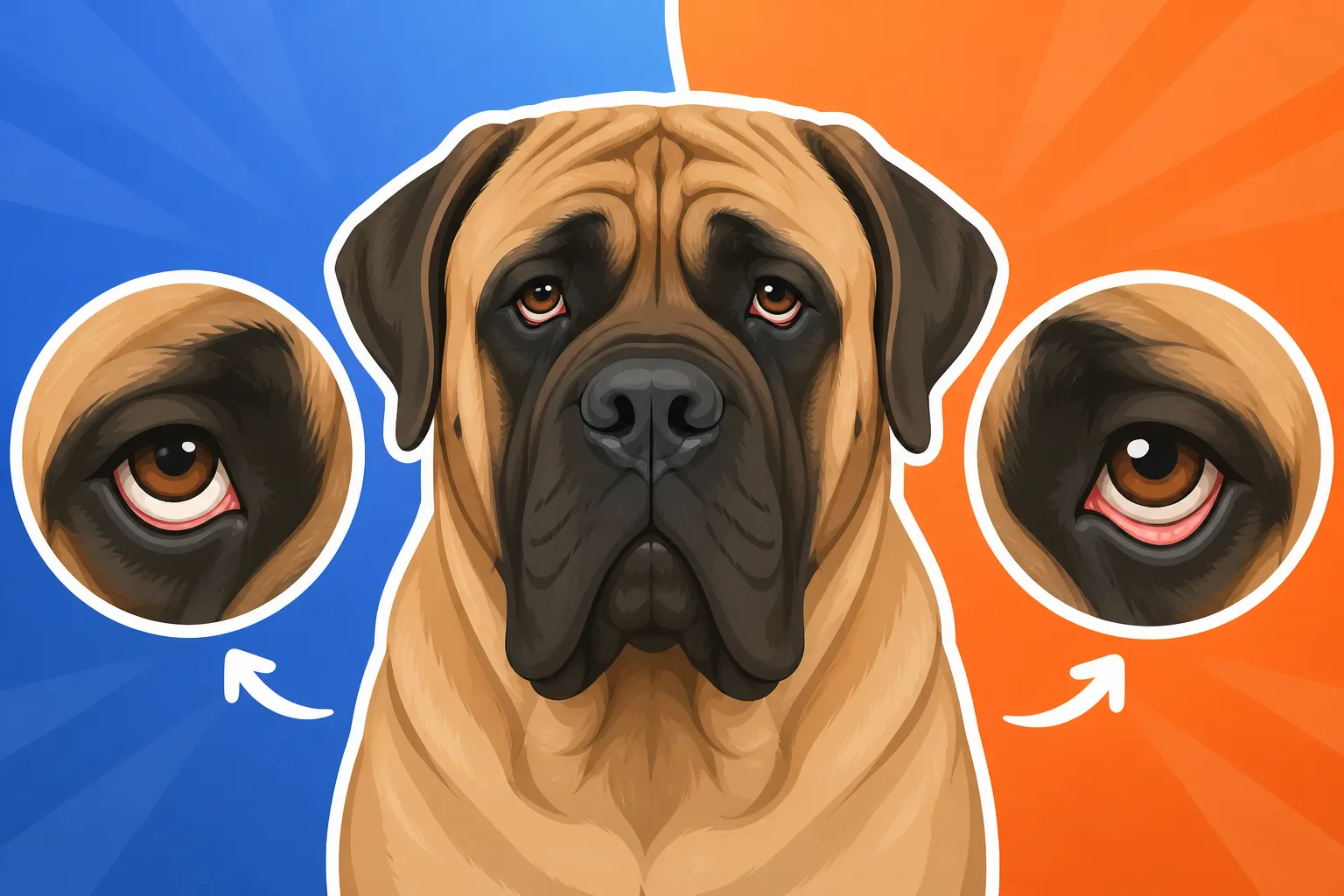
Ectropion is usually quite obvious. You'll see a distinct droop in the lower eyelid, which pulls away from the eye itself. This creates a visible "pocket" where the pink lining of the eyelid (conjunctiva) is exposed. You might even notice the red or pink membrane clearly. Because of this droop, tears don't spread properly across the eye, and they tend to pool in the exposed area or spill over the lower lid and down your Mastiff's face. This can lead to chronic wetness and staining under the eyes, which can be mistaken for just excessive tearing.
The degree of ectropion can vary from a slight droop to a very pronounced eversion of the entire lower lid. While it often affects both eyes, one eye might be more severely impacted than the other. Just like with entropion, the Mastiff's unique facial features, particularly their heavy brows and jowls, can make them look perpetually sad or sleepy if they have ectropion. Observing your Mastiff after they wake up or during rest can make the condition more pronounced as their facial muscles are relaxed.
Health Risks Associated with Ectropion
The main issue with ectropion is the chronic exposure of the conjunctiva and cornea to environmental irritants like dust, dirt, and wind. This constant exposure dries out the delicate tissues, leading to inflammation and recurrent conjunctivitis, which presents as red, itchy, and sometimes swollen eyes. The tear film, which normally cleans and lubricates the eye, isn't distributed effectively, exacerbating the dryness. Your Mastiff might frequently blink or rub their eyes in an attempt to relieve the irritation.
Over time, this chronic irritation and dryness can make the eye more vulnerable to bacterial infections. The exposed conjunctiva can become thickened and discolored. While not as immediately damaging as the corneal scratching from entropion, long-term ectropion can still lead to chronic pain, discomfort, and potentially more serious eye conditions if not managed. Owners often find themselves regularly wiping away discharge and dealing with recurrent infections, which is a frustration nobody wants. This concern can tie into general Eye and Eyelid Disease in a Mastiff discussions.
Management and Surgical Correction for Ectropion
Mild cases of ectropion might be managed symptomatically. This involves keeping the eyes clean, gently wiping away any discharge with a soft, damp cloth, and using lubricating eye drops or artificial tears to keep the exposed tissues moist. Regular flushing of the eyes with a sterile saline solution can also help remove irritants. However, these are palliative measures and don't correct the underlying anatomical problem.
For more severe or recurrent cases, especially if your Mastiff is experiencing chronic discomfort or infections, surgical correction is recommended. A common procedure is a canthoplasty or a modification of blepharoplasty, which aims to shorten the eyelid length and lift the sagging portion. The goal is to restore the natural contour of the eyelid so it sits snugly against the eyeball. As with entropion surgery, careful planning by an experienced veterinary ophthalmologist is key, especially considering the large size and specific facial anatomy of a Mastiff. The recovery involves similar post-operative care, including an Elizabethan collar and eye medications. Pet insurance, such as a comprehensive plan from Healthy Paws, can be invaluable for covering the costs of such specialized surgeries, ensuring you don't have to compromise on your Mastiff's health due to financial concerns. Discuss with your vet if Whether a Mastiff Needs a Referral Hospital for Surgery for these procedures.
Why Mastiffs Are Prone to Eyelid Issues
It's heartbreaking to see our Mastiffs suffer from these conditions, and it's natural to wonder why these gentle giants seem so susceptible. The answer lies largely in their very essence – their breed characteristics, particularly their magnificent, loose skin and profound facial features.
Genetic Predisposition and Breed Standards
The Mastiff breed standard calls for a broad, wrinkled head with well-developed jowls and dewlaps. While these features contribute to their regal and noble appearance, they also unfortunately create a predisposition for both entropion and ectropion. The excessive skin around the face and eyes can, in some individuals, lead to the eyelids not sitting correctly against the eyeball. It’s a delicate balance; you want the characteristic Mastiff look without the accompanying health issues.
Responsible breeders understand this genetic tendency and work diligently to minimize its occurrence. They conduct thorough health screenings, including eye examinations, on their breeding stock to ensure they are not passing on genes that lead to these conditions. When looking for a Mastiff puppy, it's crucial to ask breeders about their lines and whether they screen for ocular issues. The CHIC Tests Both Mastiff Parents Must Clear often include eye certifications to help reduce the incidence of such inheritable conditions. Even with the best breeding practices, however, sometimes a puppy will develop these issues, highlighting the complexity of genetic traits.
Age, Trauma, and Other Contributing Factors
While genetics play a significant role, other factors can also contribute to the development or worsening of eyelid conditions in Mastiffs. As Mastiffs age, the elasticity of their skin can decrease, sometimes leading to a loosening that can exacerbate ectropion or, less commonly, cause entropion. This is a common concern as you begin Caring for a Mastiff Past Five. Trauma to the eye or surrounding facial area, such as an injury from rough play or an accident, can also cause scarring or damage that alters the eyelid structure, leading to either condition.
Furthermore, rapid changes in weight can sometimes affect the tautness of the facial skin, potentially influencing eyelid positioning. Certain underlying health conditions or severe dehydration can also temporarily affect skin turgor and, by extension, eyelid presentation. It’s important to distinguish between a temporary issue and a structural problem, which is why veterinary assessment is always recommended. For any surgery, you'll want to understand How Much Anesthetic a Two Hundred Pound Mastiff Takes.
The Importance of Early Detection and Care
Given their predisposition, vigilant observation of your Mastiff’s eyes is paramount. Regular visual checks for redness, discharge, squinting, or obvious changes in eyelid position can make a world of difference. If you notice any of these signs, don't delay in consulting your veterinarian. Early intervention can prevent significant discomfort and potentially irreversible damage to your Mastiff’s eyes.
Your vet might suggest a referral to a veterinary ophthalmologist, especially for complex cases or surgical planning. These specialists have advanced training and equipment to provide the best possible care for your Mastiff's eyes. Remember, prevention and early treatment are always better than reacting to a crisis. Staying on top of routine vet visits and being aware of any subtle changes will ensure your gentle giant maintains their clear vision and comfort throughout their life. Also, inquiring about coverage from a pet insurance provider like Healthy Paws for these kinds of conditions before they arise can provide immense peace of mind.
Here’s a quick overview to help you differentiate between the two conditions:
| Feature | Entropion (Lids Roll Inward) | Ectropion (Lids Sag Outward) |
|---|---|---|
| Appearance | Eyelid margin turns in, lashes/fur rub on eye | Eyelid sags away from eye, exposing pink conjunctiva |
| Primary Risk | Corneal damage (scratches, ulcers, infection, scarring) | Exposure keratitis, chronic dryness, conjunctivitis, infection |
| Symptoms | Squinting, excessive tearing, discharge, pain, pawing eye | Visible red/pink lining, tears spilling, redness, dryness |
| Effect on Eye | Mechanical irritation and potential vision loss | Environmental exposure and chronic irritation |
Disclaimer
This article is for general informational purposes only and does not constitute professional advice. Laws, prices and regulations vary by location and change over time. Consult a qualified professional for guidance on your specific situation.