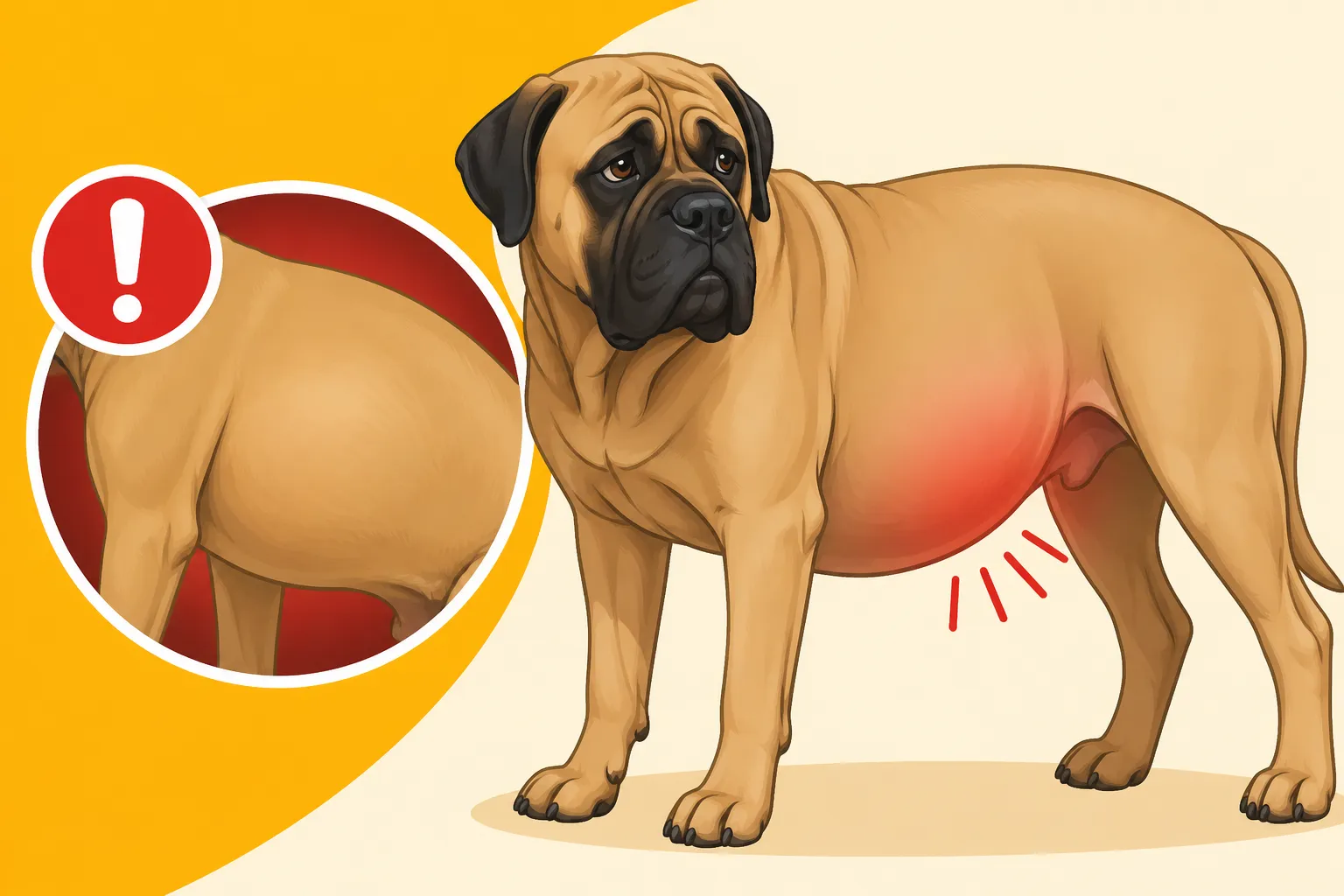
The First Sign a Mastiff Is Bloating
It’s a heart-stopping moment for any Mastiff owner: that sudden, inexplicable change in your giant companion, a subtle shift that whispers of something being terribly wrong. Bloat, or Gastric Dilatation-Volvulus (GDV), is a terrifying, fast-acting condition that strikes deep-chested breeds like our beloved Mastiffs with frightening regularity, and knowing the very first signs can literally mean the difference between life and death. This guide aims to empower you with the knowledge to identify those critical initial indicators, so you can act swiftly and decisively to protect your gentle giant.
Understanding the Silent Threat: Gastric Dilatation-Volvulus
For many Mastiff owners, the fear of bloat looms large, and for good reason. It's an emergency that develops rapidly, often without much warning, and the statistics are grim. When a Mastiff bloats, their stomach fills with gas and often twists, cutting off blood supply and leading to shock and organ damage. It’s a race against the clock, and early recognition is paramount.
Why Mastiffs Are Particularly Susceptible to Bloat
Our magnificent Mastiffs, with their deep, expansive chests, are unfortunately at a higher risk for GDV than many other breeds. This anatomical characteristic, while contributing to their impressive stature, also creates the perfect environment for their stomach to distend and potentially rotate. Think of it like a bowling pin – easy to knock over in the right circumstances. While the exact trigger can sometimes feel elusive, factors such as eating too quickly, stress, heavy exercise after eating, or even simply the genetic predisposition of the breed can play a role. Understanding Why the Mastiff Has the Deepest Chest of Any Breed helps explain this vulnerability, but it doesn't make the threat any less terrifying.
The sheer size of a Mastiff means that when bloat occurs, the problem is compounded by the volume of gas and the strain on their massive body. A two-hundred-pound dog in distress is a formidable challenge for any veterinary team, making proactive prevention and immediate action even more critical.
The Mechanism of GDV: What Happens Inside
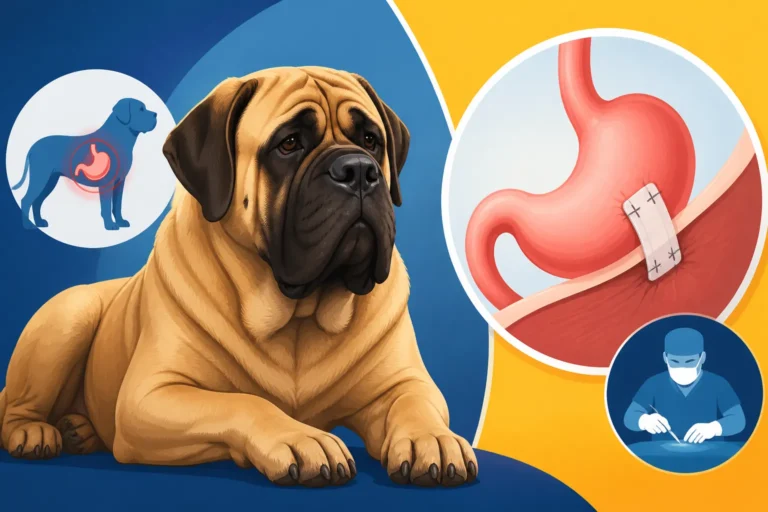
Imagine your Mastiff's stomach as a balloon. In simple dilatation, it inflates with gas, putting pressure on surrounding organs and the diaphragm, making it hard to breathe. This alone is painful and dangerous. However, in volvulus, that gas-filled stomach then twists on its axis, effectively pinching off both the entrance (from the esophagus) and the exit (to the small intestine). This traps all the gas and food inside, creating a life-threatening scenario. The blood vessels supplying the stomach can be compromised, leading to tissue death and the release of toxins into the bloodstream, quickly causing the dog to go into shock. This is why How Long a Bloating Mastiff Has Before Surgery is measured in mere hours, not days. It's a true emergency that requires immediate veterinary intervention.
Recognizing the Subtle, Early Signs of Bloat
This is where your vigilance as a Mastiff owner becomes your dog's greatest defense. The very first signs of bloat can be incredibly subtle, easily mistaken for general discomfort or a bit of an upset stomach. It’s not always the dramatic, obvious distension that you might see in advanced cases. You need to become an expert in your dog’s normal behavior, so any deviation stands out.
Restlessness and Pacing
One of the earliest and most overlooked signs of discomfort in a Mastiff, especially after a meal, is restlessness. Your usually calm giant might start pacing aimlessly around the house, unable to settle in their favorite spot. They might get up and lie down repeatedly, sighing or shifting positions in an attempt to find comfort. This isn't just "being fidgety"; it's a silent signal that something is off. They might look at their flank, as if trying to understand the source of their internal unease. This often happens before any visible swelling is present.
Unproductive Retching or Vomiting
This symptom is a huge red flag. An affected Mastiff will often try to vomit, heaving and gagging, but nothing or very little comes up. Sometimes, it's just foamy saliva or white phlegm. This "unproductive retching" is a classic indicator that something is blocking the normal digestive process. The stomach is attempting to expel its contents, but the twist prevents anything from passing. If you see your Mastiff making repeated attempts to vomit without success, especially if it’s accompanied by other signs, it's time to act without delay.
Drooling and Excessive Salivation
While Mastiffs are renowned for their impressive jowls and occasional drooling, a sudden increase in salivation, particularly when paired with other signs of discomfort, should not be ignored. If your Mastiff is drooling excessively, with strings of slobber that are unusual for them, it could be a sign of nausea or an attempt to lubricate a blocked esophagus. This isn't just a bit of a messy drink; it's a symptom that, in context, can point directly to bloat.
Visible Abdominal Distension
This is often what people think of when they hear "bloat," but it's usually a later sign, though it can develop rapidly. The abdomen, particularly the area behind the ribs, will appear swollen, firm, and tight, almost drum-like. If you gently tap on it, it might even sound hollow. However, it's crucial to remember that this distension isn't always immediately obvious, especially in very large or heavily muscled Mastiffs, or those with a thick coat. Sometimes, the swelling can be more pronounced on one side than the other, or harder to spot from above if your dog is lying down. It's why focusing on the earlier behavioral changes is so important.
Whining, Groaning, or Increased Vocalization
Mastiffs are generally stoic dogs, not prone to excessive whining or complaining. If your Mastiff starts to vocalize more than usual, whether it's soft whimpers, low groans, or cries of pain when their belly is touched, it indicates significant discomfort. This pain can range from a dull ache to sharp, excruciating cramps as the stomach distends and puts pressure on nerves. Any unusual vocalization from your Mastiff warrants a closer look, particularly if it's accompanied by other potential bloat symptoms.
Pale Gums and Increased Heart Rate
As bloat progresses, your Mastiff can quickly go into shock due to reduced blood flow. Check their gums: are they their normal healthy pink, or are they pale, grayish, or even bluish? If you press your finger on their gum and it takes longer than two seconds for the color to return (capillary refill time), that’s a sign of poor circulation. You might also notice their heart rate is elevated, or their breathing is rapid and shallow, indicating distress. These are advanced signs, but if present, they confirm a severe emergency.
Here's a quick reference table for early bloat signs:
| Symptom | Description | Urgency Level |
|---|---|---|
| Restlessness/Pacing | Unable to settle, repeatedly changing position, looking at flanks. | High |
| Unproductive Retching | Repeated attempts to vomit, but nothing (or only foam/mucus) comes up. | Critical |
| Excessive Drooling | More drool than usual, especially thick or foamy, not related to food. | High |
| Abdominal Distension | Belly appears swollen, firm, or tight to the touch, often drum-like. (Can be subtle early on). | Critical |
| Whining/Groaning | Unusual vocalizations indicating pain or discomfort, particularly when abdomen is touched. | High |
| Lethargy/Weakness | Appears tired, weak, less responsive, reluctance to move. | Critical |
| Pale Gums/Rapid Breathing | Gums are pale, grey, or blue; breathing is shallow and fast; capillary refill time > 2 seconds. | Critical |
Distinguishing Bloat from Other Ailments
This is often the hardest part for owners, because many of the early signs of bloat can mimic other, less severe issues. It's natural to panic, but also to second-guess yourself, especially with a dog as large and sometimes dramatic as a Mastiff. The key is to err on the side of caution.
When Is It Just an Upset Stomach?
Every dog has an off day. Maybe they ate something they shouldn't have, or their stomach is just a bit grumpy. A normal upset stomach might involve vomiting (where actual food or bile comes up), diarrhea, or mild lethargy. The crucial difference with bloat is the unproductive retching and the rapid progression of discomfort. If your Mastiff vomits once and then settles, or has some loose stools but is otherwise bright and responsive, it's likely not bloat. However, if they are continuously trying to throw up without success, or if their condition rapidly declines within an hour or two, it's time to worry.
For Mastiffs, even minor gastric upset can feel more intense due to their size. Owners sometimes struggle to differentiate between bloat and a minor stomach bug. Always observe closely, and if there's any doubt, a quick vet call is always the safest bet.
The Urgency of Differentiation
Because bloat progresses so quickly, you simply don't have time to wait and see if it "gets better." If you observe even a couple of the early warning signs – especially unproductive retching or unexplained restlessness after a meal – it's an emergency. It’s better to make an unnecessary trip to the emergency vet only to find out it was gas than to wait too long for definitive bloat. Unfortunately, sometimes a Mastiff will present with signs of illness that could be bloat, or something else equally serious like What Degenerative Myelopathy Does to a Mastiff or even Which Cancers Mastiffs Get, but the immediacy of bloat demands rapid diagnosis.
Immediate Action When You Suspect Bloat
Once you suspect bloat, your role shifts from observer to swift actor. Every minute counts, and hesitation can have dire consequences.
Do Not Wait: Get to the Emergency Vet NOW
This cannot be stressed enough: if you suspect bloat, even faintly, drop everything and get your Mastiff to the nearest emergency veterinary clinic. Do not try to induce vomiting, give over-the-counter medications, or wait for your regular vet to open. This is a medical emergency requiring immediate professional intervention. Call ahead if you can, to let them know you’re coming with a suspected GDV case. This allows them to prepare for your arrival, saving precious minutes. Remember, for a condition like this, even five minutes can matter.
What to Expect at the Clinic
When you arrive, the veterinary team will immediately assess your Mastiff. They will likely take X-rays of the abdomen to confirm if the stomach is dilated and, more importantly, if it has twisted. Blood tests will be run to check for signs of shock or organ damage. If bloat is confirmed, stabilization will begin immediately, often involving IV fluids to combat shock and pain medication. Decompression of the stomach, usually through a tube passed down the esophagus or sometimes with a large needle through the abdominal wall, may be attempted to relieve pressure.
Ultimately, if a volvulus (twist) is present, surgery is the only definitive treatment. This involves untwisting the stomach and often performing a gastropexy – a procedure where the stomach is surgically tacked to the abdominal wall to prevent future twisting. This can be a complex and costly surgery, and understanding What Stone Surgery Costs on a Mastiff might give you a sense of the financial burden, though bloat surgery can be even more expensive. This is where pet insurance, perhaps from a provider like Healthy Paws, can be a real lifesaver, allowing you to focus on your dog's care rather than the overwhelming financial implications.
The Role of Gastropexy in Prevention
Many Mastiff owners opt for a prophylactic gastropexy, which means tacking the stomach even before bloat occurs. This is often done at the time of neutering or spaying. While a gastropexy doesn't prevent the stomach from dilating (bloating with gas), it drastically reduces the chance of it twisting, which is the most dangerous aspect of GDV. If you’re considering this, discussing When a Mastiff's Gastropexy Should Be Done with your veterinarian is crucial. Even a gastropexied Mastiff can still experience painful gas buildup, but the risk of fatal torsion is significantly lowered. Knowing that a gastropexy can provide this peace of mind is invaluable.
The recovery from bloat surgery is intensive, requiring careful monitoring and management of pain. The financial strain can be considerable, often ranging into thousands of dollars. Having a robust pet insurance plan, such as one offered by Healthy Paws, can truly ease the burden during such a critical time. It ensures you can make medical decisions based on what’s best for your Mastiff, without the added stress of crushing veterinary bills.
Supporting Your Mastiff Post-Emergency
After a bloat scare, or certainly after surgery, your Mastiff will need careful care. Their diet might need to be adjusted, potentially to smaller, more frequent meals. Stress should be minimized, and intense exercise after eating should be strictly avoided. For some Mastiffs, a history of bloat might mean a lifetime of very careful management. Even if your Mastiff is insured with Healthy Paws and the bills are covered, the emotional and physical toll on both dog and owner is immense. Learning more about preventing recurrence, such as by understanding What Triggers Bloat in a Mastiff, will be an ongoing effort.
The journey with a Mastiff is full of joy, but also unique challenges. Being prepared for emergencies like bloat is an unfortunate but necessary part of loving these magnificent, deep-chested dogs. Your attention to their subtle signals is their best chance for a long and healthy life.
Disclaimer
The information provided in this article is for educational purposes only and is not a substitute for professional veterinary advice. If you suspect your Mastiff is experiencing bloat or any other medical emergency, seek immediate veterinary attention. Always consult with a qualified veterinarian for any health concerns or before making any decisions related to your pet's care.