Whether a Mastiff Should Use Stairs at All
One of the trickiest things about sharing your home with a Mastiff, especially a growing puppy or an aging senior, is navigating everyday obstacles like stairs. It’s a common worry for many Mastiff owners: are stairs actually okay for these magnificent, heavy-boned dogs, or are we inadvertently causing them harm? This guide will dive deep into the unique challenges Mastiffs face with stairs and offer practical advice to keep your gentle giant safe and comfortable.
The Unique Challenges Mastiffs Face with Stairs
When you look at a Mastiff, their sheer size and mass are immediately apparent. What might seem like a simple flight of stairs to us can be a monumental obstacle and a significant source of stress on their delicate skeletal system. It’s not just about getting up or down; it’s about the cumulative impact on a breed predisposed to certain joint issues. Understanding these challenges is the first step in providing a truly safe home environment.
Immense Size and Rapid Growth
Mastiffs are giants, and they don't get there slowly. They grow at an astonishing rate, sometimes gaining several pounds a week as puppies. This explosive growth means their bones and joints are constantly undergoing rapid changes, making them incredibly vulnerable to injury and developmental problems. Imagine a building under construction where the foundation isn't fully cured, yet heavy loads are being constantly applied. That's essentially what happens to a Mastiff puppy's joints during its formative months. Every jarring step, every leap, and every descent down a flight of stairs can put undue strain on still-soft growth plates and developing cartilage.
This rapid increase in body mass, coupled with the inherent clumsiness of a rapidly growing large breed puppy, means that stairs present a disproportionately high risk. Their substantial weight, even as a juvenile, means the impact forces are far greater than they would be for a smaller breed. We talk a lot about Restraining the Growth of a Mastiff Puppy for good reason, and limiting stair use is a huge part of that. It's not about stifling their natural puppy exuberance, but about channeling it in ways that protect their long-term health, especially when we consider conditions like Why a Mastiff's Hips Fail Under Its Own Weight which can be exacerbated by excessive strain during growth.
Anatomical Considerations
Beyond just their weight, a Mastiff's very anatomy makes stairs a particular hurdle. Their deep chests, broad shoulders, and often somewhat stiff gait aren't built for the agile, fluid movements required to navigate stairs effortlessly. Picture trying to go up or down stairs while carrying a large, heavy backpack – it throws off your balance and forces your body into awkward positions. A Mastiff experiences something similar, only their "heavy backpack" is their own body.
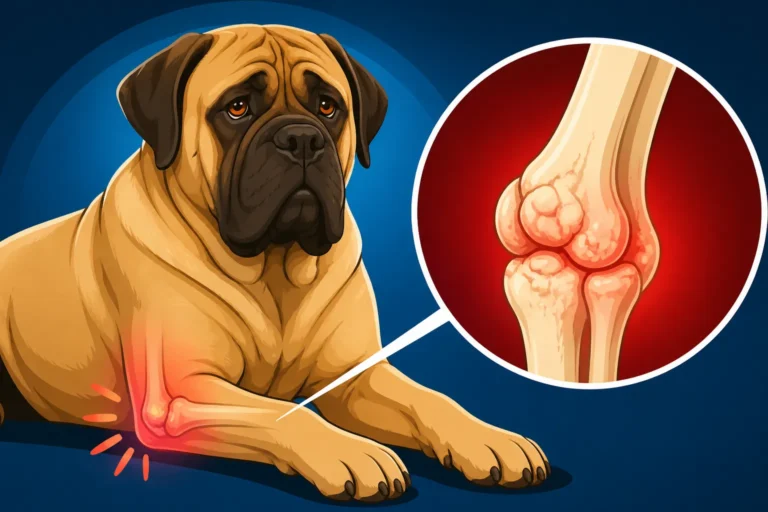
Their heavy bone structure means they lack the nimbleness of lighter, more athletic breeds. Each step up requires a significant push from their hindquarters, putting immense pressure on their hips, knees, and ankles. Going down is even more challenging, demanding precise coordination and strong core muscles to control their descent and prevent them from tumbling. The jarring impact of landing on each step sends shockwaves through their elbows and shoulders, which are already vulnerable in a breed prone to Elbow Dysplasia Affects One Mastiff in Seven. Their natural inclination might be to lumber or even bound down a few steps, which looks cute, but is incredibly damaging to their growing or aging joints. This is truly why Why Stairs Are Worse for a Mastiff Than Any Breed is such an important consideration.
Puppyhood and Stairs: A Critical Period
The puppy stage is undeniably adorable, but it's also the most crucial time for a Mastiff's skeletal development. The decisions you make about stair access during these early months can have a profound impact on their joint health for the rest of their, sadly, relatively short lives. Ignoring the risks now could lead to significant pain and mobility issues later.
Why Stairs Are a Big No-No for Mastiff Puppies
During their first year to eighteen months, a Mastiff puppy's bones are still forming and their growth plates are open. These plates are areas of soft, growing cartilage at the ends of their long bones, which gradually harden into bone. Activities that involve repetitive impact, twisting, or sudden stops and starts – like running up and down stairs – can easily damage these delicate growth plates. Such damage can lead to abnormal bone development, increasing the risk of painful conditions like hip and elbow dysplasia, which can plague them for years and lead to early onset Arthritis in a Mastiff at Four.
Even seemingly gentle activities can be too much for a young Mastiff's developing frame. We often discuss limiting The Walk Length That Damages a Mastiff Puppy to protect their joints, and stair climbing falls squarely into the same category of high-impact stress. The awkward angles and forces involved in navigating stairs are far from natural movements for a large breed puppy. It’s not just about falls; it’s about the constant micro-traumas that build up over time, potentially leading to irreversible damage that could severely limit their mobility and quality of life as they age.
Practical Solutions for Managing Puppy Stair Access
Given the risks, it’s imperative to manage your Mastiff puppy’s access to stairs effectively. The simplest solution is often the most effective: baby gates. Invest in sturdy, tall baby gates that can withstand a determined Mastiff puppy’s attempts to get past them. Install them securely at the top and bottom of any staircases in your home. This creates a physical barrier that removes the temptation and the danger. You can find robust options on sites like Amazon or Chewy that are designed for larger breeds and can stand up to their weight.
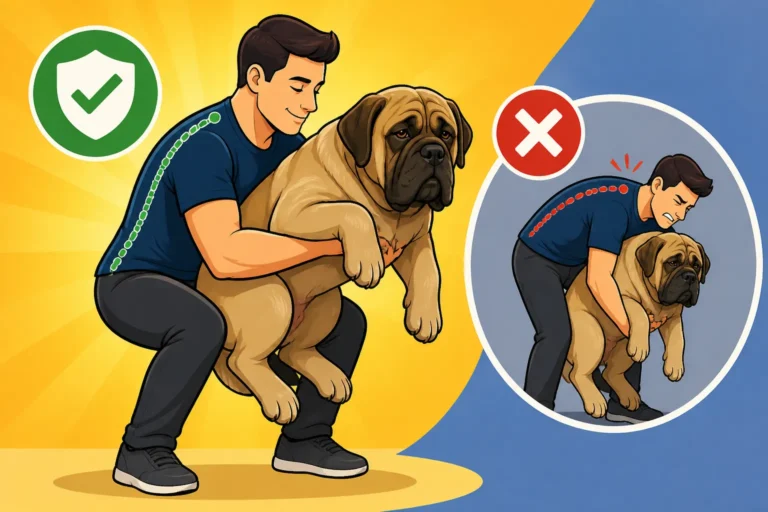
If you absolutely must transport your puppy up or down a few stairs, and they are still small enough, carrying them is the safest option. However, Mastiff puppies grow incredibly quickly, and this window closes fast. Soon, they'll be too heavy to lift safely, both for you and for their own developing bodies. This highlights the importance of proactive planning in a Mastiff home, much like considering Why a Mastiff Puppy Must Be Lifted Into a Car when they're still small enough. Some owners find training a young puppy to use a ramp, perhaps leading to a raised dog bed or a vehicle, can also instill good habits for when they eventually outgrow being lifted entirely, or when stairs become a complete impossibility in their golden years.
Adult Mastiffs and Stair Navigation
Once your Mastiff is fully grown and their growth plates have closed (typically around 18-24 months), the risks associated with stairs change, but they don't disappear. Adult Mastiffs still face significant challenges, and their ability to use stairs safely will depend on several individual factors.
Assessing Risk Factors for Adult Mastiffs
Even a healthy adult Mastiff can find stairs taxing. Their immense weight still puts considerable strain on their joints with every ascent and descent. However, several factors can elevate this risk. Age is a primary concern; as Mastiffs mature and then enter their senior years, muscle mass can decrease, balance may become less precise, and existing joint issues like arthritis can worsen. A Mastiff who sailed up and down stairs easily at two might struggle significantly at five or six, especially if they are suffering from Arthritis in a Mastiff at Four. Keep a keen eye on any changes in their gait, hesitation, or reluctance to use stairs, as these can be early indicators of pain or discomfort.
Weight is another crucial factor. An overweight Mastiff will experience even greater impact forces on their joints, exacerbating any underlying conditions. Regular vet check-ups are essential to monitor their joint health and address any emerging issues. The type of stairs also plays a role: steep, slick, or narrow stairs are far more challenging and dangerous than wide, carpeted, or gently sloped ones. If you notice your adult Mastiff struggling, a veterinary visit is paramount to rule out pain or neurological issues that might be affecting their coordination or strength. They might also suggest specific joint supplements, like those you can find on Chewy or even specialized diets available from brands like Ollie, tailored for large breeds.
Strategies for Safe Stair Use (If Unavoidable)
In many homes, completely eliminating stair use for an adult Mastiff might not be feasible. In such cases, the goal shifts to making stair navigation as safe and comfortable as possible. The first rule is slow and controlled. Never encourage your Mastiff to rush up or down stairs. Train them to take each step deliberately, one at a time. This reduces jarring impacts and gives them time to adjust their balance. Using a verbal cue like "slowly" or "easy" can be helpful.
Adding non-slip treads or carpeting to hard stairs is a game-changer. Traction: Why a Mastiff Cannot Live on Bare Hardwood applies just as much to stairs as it does to flat floors. Slipping on stairs is incredibly dangerous and can lead to severe injuries. For Mastiffs with mobility challenges or those getting older, a sturdy, full-body support harness with handles can be invaluable. This allows you to provide gentle assistance, taking some of their weight and stabilizing them as they move up or down. These harnesses are readily available on Amazon and can make a huge difference, particularly when you start thinking about Lifting an Old Mastiff That Cannot Get Up as a necessity rather than an option. The key is intervention before a crisis, not after.
| Age / Condition | Recommendation for Stair Use | Rationale |
|---|---|---|
| Puppy (0-18 months) | Strictly avoid. Use baby gates at all staircases. Carry if absolutely necessary and possible. Provide ramps for vehicle access or elevated surfaces if lifting isn't an option. | Rapid growth, open growth plates, and soft cartilage are highly vulnerable to repetitive impact and twisting, leading to potential developmental orthopedic diseases like hip and elbow dysplasia. Falls are also a major risk. |
| Adult (18 months – 5 years) | Minimize. Only allow if absolutely necessary and with caution. Ensure non-slip surfaces. Supervise closely. Consider a supportive harness for assistance if any hesitation or weakness is observed. | While growth plates are closed, the immense body weight still places significant strain on joints, contributing to wear and tear. Over time, this can accelerate arthritis development. |
| Senior (5+ years) | Avoid whenever possible. If unavoidable, use only with full supervision and strong physical support (e.g., a sturdy harness with handles). Invest in ramps or consider modifying home layout to eliminate stair dependence. | Age often brings decreased muscle mass, reduced balance, and the onset or worsening of arthritis. Stairs become increasingly painful and dangerous, with a high risk of falls and severe injury. Prioritizing comfort and safety is paramount as they enter Caring for a Mastiff Past Five. |
| Any age with known joint issues | Strictly avoid. Consult with your veterinarian for specific guidance. Implement all precautions mentioned for puppies and seniors, regardless of chronological age. Ramps are strongly recommended for any elevation changes if mobility is compromised. | Pre-existing conditions mean joints are already compromised and highly susceptible to further damage, pain, and deterioration from stair use. Preservation of remaining mobility is critical. |
Long-Term Joint Health and Stair Management
Caring for a Mastiff means playing the long game when it comes to their health. Their relatively short lifespan makes every effort to preserve their mobility and comfort even more vital. Managing stair use is not just a short-term fix; it's a foundational element of their lifelong care plan.
The Cumulative Impact of Stair Use
Think of stair climbing as small, repetitive stresses on a Mastiff's body. Each step up, each controlled (or uncontrolled) step down, sends impact through their joints. Over months and years, these micro-traumas can accumulate, accelerating the wear and tear on cartilage, ligaments, and tendons. For a breed already prone to orthopedic issues, this cumulative impact can be devastating, leading to earlier onset and more severe cases of conditions like arthritis. We often talk about how Six to Ten Years Is What a Mastiff Gets, and a significant portion of that time can be overshadowed by mobility struggles if their joints aren't carefully managed from day one.
This is where prevention becomes key. Alongside careful stair management, consider supportive measures. Many Mastiff owners begin giving Joint Supplements for a Mastiff as early as a year old, incorporating glucosamine, chondroitin, and MSM into their diet. Quality dog food brands, like those found on Chewy, often have large breed formulas with added joint support. Some owners even explore fresh food options like Ollie, which can offer highly digestible nutrients that may benefit overall health, including joint integrity. Discussing these options with your vet is always a good idea to tailor a plan specifically for your Mastiff's needs.
Creating a Stair-Safe Home Environment
Ultimately, the best approach for a Mastiff is to create a home environment where stairs are either completely inaccessible or unnecessary for their daily routine. This might sound daunting, but it's a worthwhile investment in your Mastiff's quality of life. Start by strategically placing baby gates at all stairwells, making them a permanent fixture, not just a temporary solution.
For homes with unavoidable stairs, consider covering them with durable, non-slip carpeting or rubber treads. This provides much-needed traction and cushions the impact of each step. Beyond stairs, think about the rest of your home. If your Mastiff regularly slips on hard floors, lay down runners or area rugs, particularly in high-traffic zones. Remember, What Bare Floors Do to a Growing Mastiff isn't just about puppies; adults and seniors also struggle with traction, increasing the risk of painful slips and falls. You might even consider installing permanent ramps if you have a few steps leading into your home or up to a favorite elevated spot. These measures, while an initial effort, will provide immense relief and safety for your Mastiff throughout their life.
Disclaimer
This article is for general informational purposes only and does not constitute professional advice. Laws, prices and regulations vary by location and change over time. Consult a qualified professional for guidance on your specific situation.