How Much Cooling a Mastiff Household Needs
For anyone who shares their home with a magnificent Mastiff, one of the biggest, and frankly, most overlooked challenges is keeping them cool, especially when the weather warms up. These gentle giants aren't built for heat; their sheer size and unique physiology mean they can go from comfortably snoozing to dangerously overheated in what feels like moments. This guide is here to walk you through exactly how much cooling a Mastiff household truly needs, offering practical solutions and heartfelt advice to keep your big companion safe and comfortable year-round.
The Inherent Challenge: Why Mastiffs Overheat So Easily
It's not just that Mastiffs are big dogs; it's how they're built that makes them particularly susceptible to overheating. Their massive bodies are like giant heat sinks, absorbing and retaining warmth, and they just don't dissipate it as efficiently as many other breeds. Understanding these fundamental challenges is the first step to truly safeguarding your Mastiff in warmer conditions.
Their Massive Bulk and Dense Coat
Imagine trying to cool down a literal mountain of muscle and bone. That's essentially what your Mastiff is trying to do when temperatures rise. Their immense body mass, which can easily exceed 200 pounds for a male and often 160 pounds for a female, generates a lot of internal heat. Unlike smaller dogs that have a greater surface area to volume ratio, allowing heat to escape more readily, a Mastiff's bulk makes it much harder for that heat to radiate away from their body. They are carrying a lot of thermal inertia.
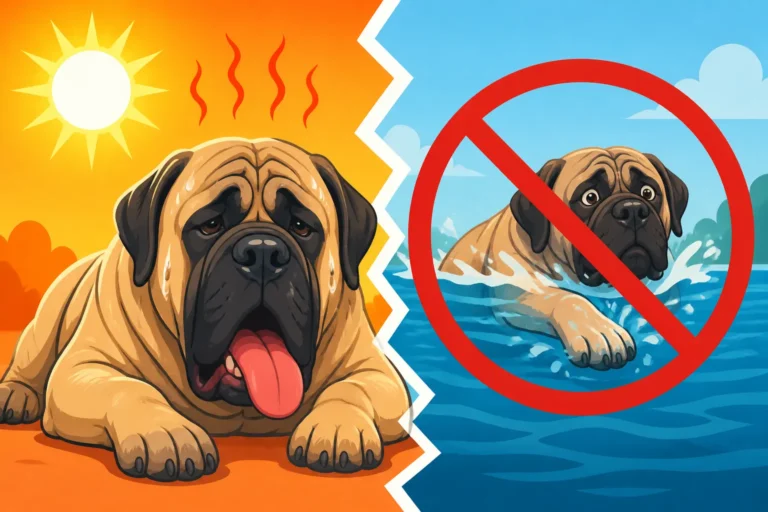
Even though Mastiffs have a relatively short coat, it's incredibly dense. This dense, often coarse hair provides a surprising amount of insulation, which is great in cooler weather but becomes a major liability when the mercury climbs. It traps a layer of air close to their skin, preventing the efficient exchange of heat with the cooler surrounding environment. You might think a short coat means less worry, but with a Mastiff, it's less about the length and more about the sheer volume and density of hair that covers such a large surface area. A short walk on a humid 75-degree day might leave a smaller, lean dog panting a little, but it can put a Mastiff in a serious struggle to regulate its core temperature, quickly escalating to dangerous levels. How Much Cooling a Mastiff Household Needs isn't a casual question; it's a matter of health and safety.
Brachycephalic Tendencies and Breathing Difficulties
While not as severely brachycephalic (short-nosed) as breeds like French Bulldogs or Pugs, Mastiffs do possess a somewhat shortened muzzle and a looser facial structure compared to many other dogs. This anatomical feature, combined with their characteristic heavy jowls and often redundant soft tissue in the throat, impacts their ability to cool themselves effectively through panting. Panting is a dog's primary mechanism for thermoregulation, as it allows for evaporative cooling from the moist surfaces of the tongue and respiratory tract.
With a less efficient airway and sometimes more restricted airflow due to their facial structure, a Mastiff has to work harder to move the same volume of air, making their panting less effective at releasing heat. This increased effort in breathing actually generates more heat, creating a vicious cycle. You might notice your Mastiff's panting becomes louder, more labored, and shallower when they are hot, rather than the deep, rhythmic breaths needed for effective cooling. This is a clear signal that their system is struggling, and immediate action is needed to help them cool down. This is particularly true if they have any underlying respiratory issues or are prone to Why a Mastiff Has the Deepest Chest of Any Breed.
Essential Home Cooling Strategies for Your Mastiff
When you share your life with a Mastiff, your home essentially needs to be their personal sanctuary from the heat. Relying solely on a few open windows simply won't cut it. You need a multi-faceted approach to ensure their environment remains consistently cool and comfortable, minimizing any risk of heat stress.
Prioritizing Ambient Air Temperature
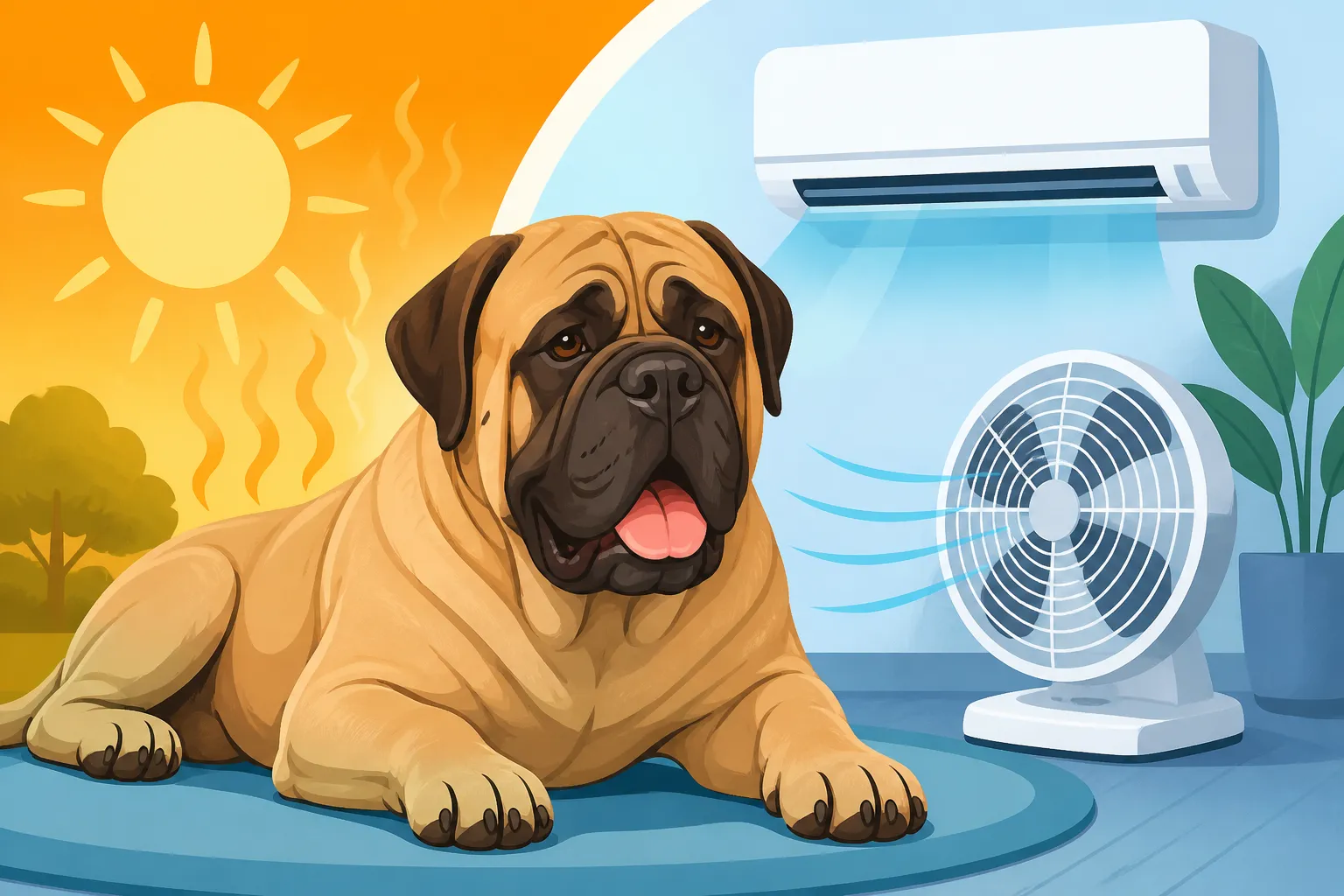
The most critical factor in keeping your Mastiff cool is controlling the overall ambient temperature of your living space. For most Mastiff owners, this means investing in and diligently maintaining a robust air conditioning system. Central air is ideal, allowing for uniform cooling throughout the house. If central air isn't an option, a powerful window unit or even multiple units might be necessary, strategically placed to cool the main areas where your Mastiff spends their time. Aim to keep your home's temperature consistently in the low to mid-70s Fahrenheit during warm weather. Many Mastiff owners find that even this might not be enough on truly hot and humid days, and they might set their thermostat even lower.
Consider the implications if your AC were to fail on a scorching summer day; for a Mastiff, this isn't just an inconvenience, it's a potential emergency. In regions with extremely hot climates, having a backup plan or even a dedicated "cool room" with a powerful window unit is not an extravagance, but a necessity. For those living in drier climates, evaporative coolers (often called "swamp coolers") can also be quite effective, adding moisture to the air while lowering the temperature, which aids evaporative cooling for your dog. However, in humid climates, these are less effective and can even make the air feel muggier. Regular maintenance of your cooling systems is non-negotiable; a neglected filter or a unit running inefficiently could put your Mastiff at risk. Remember, prevention is always better than an emergency vet visit, especially given Why Anesthesia Is Riskier in a Mastiff.
Direct Cooling Aids and How to Use Them
Beyond cooling the air, providing direct contact cooling can offer immense relief to your Mastiff. Cooling mats are a fantastic invention for this purpose. These mats often contain a gel that activates with pressure, absorbing and dissipating body heat. Other versions can be filled with water or require refrigeration/freezing before use. Place these mats in your Mastiff's favorite resting spots – under their bed, in their crate, or simply on the floor where they tend to sprawl. Make sure to have a couple available, so one can be cooling while the other is in use, or to give them options in different rooms. You can find a good selection of durable cooling mats suitable for a large breed on sites like Chewy or Amazon. When selecting one, ensure it's robust enough to withstand a Mastiff's weight and isn't easily punctured.
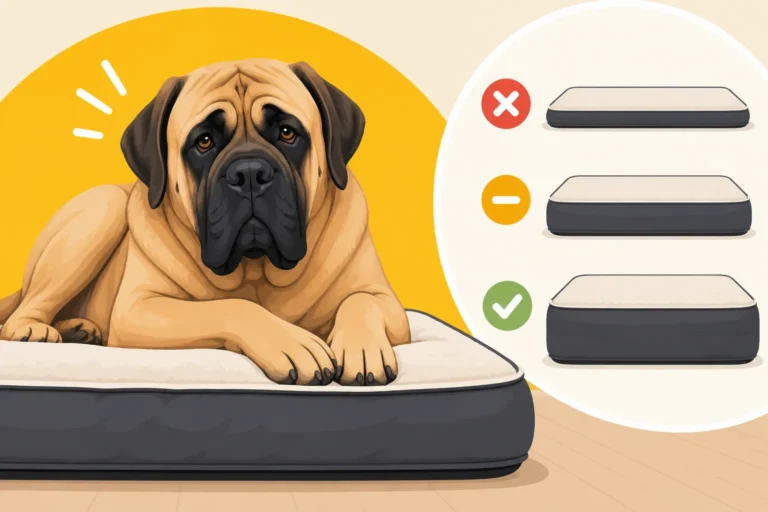
Fans, while not cooling the air itself, are crucial for circulating air and aiding in evaporative cooling from your Mastiff's skin and respiratory tract. A strong floor fan pointed directly at their resting spot, or a ceiling fan above them, can make a significant difference. The moving air helps to carry away the heat your Mastiff is radiating and the moisture from their panting. You might consider purchasing large, industrial-strength fans that can move a lot of air, available on Amazon, especially for areas where your Mastiff hangs out. Elevated dog beds are another excellent option, as they lift your Mastiff off the floor, allowing air to circulate underneath them, preventing heat from building up where they lie. These simple tools, when used in conjunction with a cool ambient temperature, create a much more comfortable environment for your big friend.
Hydration and Water Access for Overheating Prevention
Just like us, a Mastiff needs ample hydration to help their body regulate temperature. But for a dog of their size, "ample" means a lot. It's not just about offering water; it's about making it irresistible and constantly available, ensuring they are taking in enough fluids to compensate for what they lose through panting and normal bodily functions.
Constant Availability of Fresh, Cool Water
You can never have too much fresh water available for a Mastiff, especially in warmer weather. Place multiple large water bowls throughout your home, in every room where your Mastiff spends time. These bowls should be heavy and sturdy to prevent tipping, and large enough that they don't empty after just a few gulps. Consider ceramic or stainless steel bowls, which tend to keep water cooler than plastic. The water should always be cool, not just room temperature. Adding ice cubes to their water bowls several times a day can make a huge difference, encouraging them to drink more and providing an internal cooling boost. You'll be amazed at how quickly a Mastiff can empty a large bowl, so diligent refilling is key.
Think about it this way: if your Mastiff wakes up from a nap, or comes in from a quick potty break, they shouldn't have to seek out water. It should be immediately accessible. A Mastiff panting heavily from exertion or heat needs water now, not after a trek across the house. On exceptionally warm days, even a slight increase in panting means they're losing more fluid, making constant, appealing water access paramount. A large automatic water fountain or dispenser can also be a great investment, ensuring a continuous supply of filtered water, which some dogs prefer. You can find many options that hold gallons of water on Chewy.
Cooling Food and Treats
Beyond just drinking water, you can also use food and treats as a way to help cool your Mastiff down. Frozen treats are a fantastic option. Simple ice cubes are often a favorite, but you can get creative by freezing diluted, low-sodium chicken or beef broth in ice cube trays for a tasty, cooling snack. Kong toys stuffed with wet food or peanut butter and then frozen are another popular choice that provides both cooling and mental stimulation. Many Mastiff owners also freeze slices of banana or other dog-safe fruits and vegetables as a refreshing treat.
While most Mastiffs thrive on high-quality dry kibble, offering slightly moistened or fresh food can also contribute to their hydration. Brands like Ollie offer fresh, human-grade dog food that often has a higher moisture content than dry kibble, which can be beneficial in adding to their overall fluid intake. Even if you feed kibble, you can add a little cool water to their meal to make it more appealing and hydrating. Just remember that any dietary changes should be introduced gradually to avoid digestive upset, especially with a sensitive giant like a Mastiff. Always ensure any treats are appropriate for their diet and not given in excessive amounts. How Much Water a Cystinuric Mastiff Needs is a related consideration, highlighting the importance of hydration for this breed.
Behavioral Adjustments and Management in Warm Weather
No matter how well you cool your home or how much water you provide, some common-sense behavioral adjustments are absolutely necessary to protect your Mastiff when the temperatures soar. These aren't just suggestions; they are vital components of responsible Mastiff ownership.
Avoiding Peak Heat Hours
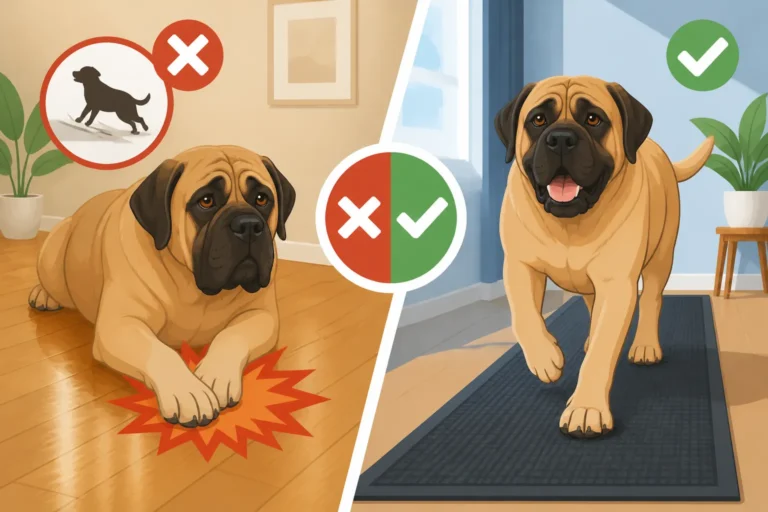
This is perhaps the simplest yet most crucial adjustment: do not take your Mastiff out during the hottest parts of the day. This means early morning walks (think sunrise) and late evening strolls, long after the sun has begun to set and pavement has cooled. The ground temperature can be significantly hotter than the air temperature, baking your Mastiff's paw pads and radiating heat back up into their body. A good rule of thumb is if you can't comfortably hold your hand on the pavement for ten seconds, it's too hot for your dog's paws. Even short potty breaks in the yard should be timed to avoid direct midday sun exposure.
During the peak heat hours, your Mastiff should be indoors, in their cool, climate-controlled environment, ideally napping or engaging in low-energy activities. Resist the temptation for a quick "burst" of exercise, as a Mastiff's bulk means they can overheat remarkably quickly, even with minimal exertion. Their enthusiasm for a ball or a romp can override their natural caution, leading to dangerous consequences. Remember, The Temperature at Which a Mastiff Should Stay Indoors is often lower than you might assume for other breeds. Keep any outdoor playtime brief, supervised, and restricted to shaded, grassy areas, if at all.
Recognizing Signs of Overheating
Knowing the signs of overheating or heatstroke is literally life-saving for a Mastiff owner. Because of their size and predisposition, a Mastiff can go from slightly warm to critically overheated faster than you might expect. The moment you suspect your Mastiff is struggling with the heat, you need to act quickly. Early signs include excessive panting that seems more labored or frantic than usual, increased drooling (even for a Mastiff!), red or dark gums, and rapid heart rate. You might also notice their tongue getting very wide and dark red.
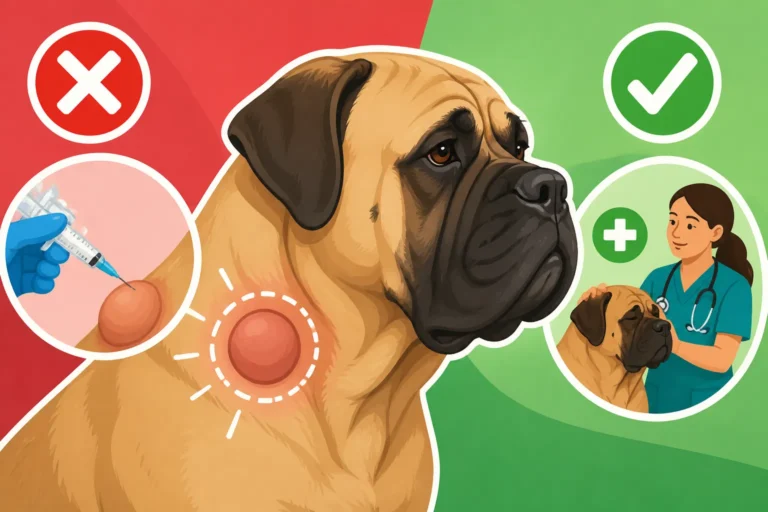
As their condition worsens, you could see lethargy, weakness, unsteady gait or staggering, vomiting, diarrhea, and even seizures. If you observe any of these symptoms, immediately move your Mastiff to the coolest possible spot, offer water, and begin active cooling. This means using cool (not icy!) wet towels on their armpits, groin, and neck, and directing a fan at them. Get them to a veterinarian immediately. This is one of those situations where "wait and see" is simply not an option. How Long a Bloating Mastiff Has Before Surgery reminds us that with Mastiffs, health emergencies often require immediate, decisive action, and heatstroke is no different.
Cooling Method Comparison
Here's a quick look at some common cooling methods for your Mastiff and their effectiveness:
| Cooling Method | Pros | Cons | Ideal Use |
|---|---|---|---|
| Air Conditioning | Most effective for overall ambient cooling, keeps entire home cool. | High energy consumption, expensive to run, requires maintenance. | Primary cooling for homes in warm climates. |
| Cooling Mats | Direct contact cooling, portable, no electricity needed for gel mats. | Can get warm over time, gel can be punctured (less common with quality mats). | Dog beds, crates, or favorite resting spots for direct relief. |
| Fans | Aids evaporative cooling, circulates air, relatively inexpensive. | Doesn't cool the air, just moves it; less effective in high humidity. | Pointed at resting Mastiff, in conjunction with AC, to aid panting. |
| Elevated Beds | Allows airflow underneath, keeps dog off hot floor, comfortable. | Not direct cooling, requires purchase, some dogs prefer solid beds. | Primary sleeping/resting surface in warmer months. |
| Ice in Water Bowls | Encourages drinking, internal cooling, simple, inexpensive. | Melts quickly, needs constant refilling. | Daily water bowls, especially after activity or hot weather. |
| Frozen Treats | Provides cooling and mental stimulation, variety of options. | Can be messy, calorie consideration, some dogs don't like frozen. | Occasional enrichment and cooling, especially during midday heat. |
| Wet Towels (Cool) | Immediate emergency cooling, easy to apply. | Requires constant re-wetting, can create a mess, temporary. | Emergency use, specific body areas (armpits, groin, neck). |
Disclaimer
This article is for general informational purposes only and does not constitute professional advice. Laws, prices and regulations vary by location and change over time. Consult a qualified professional for guidance on your specific situation.