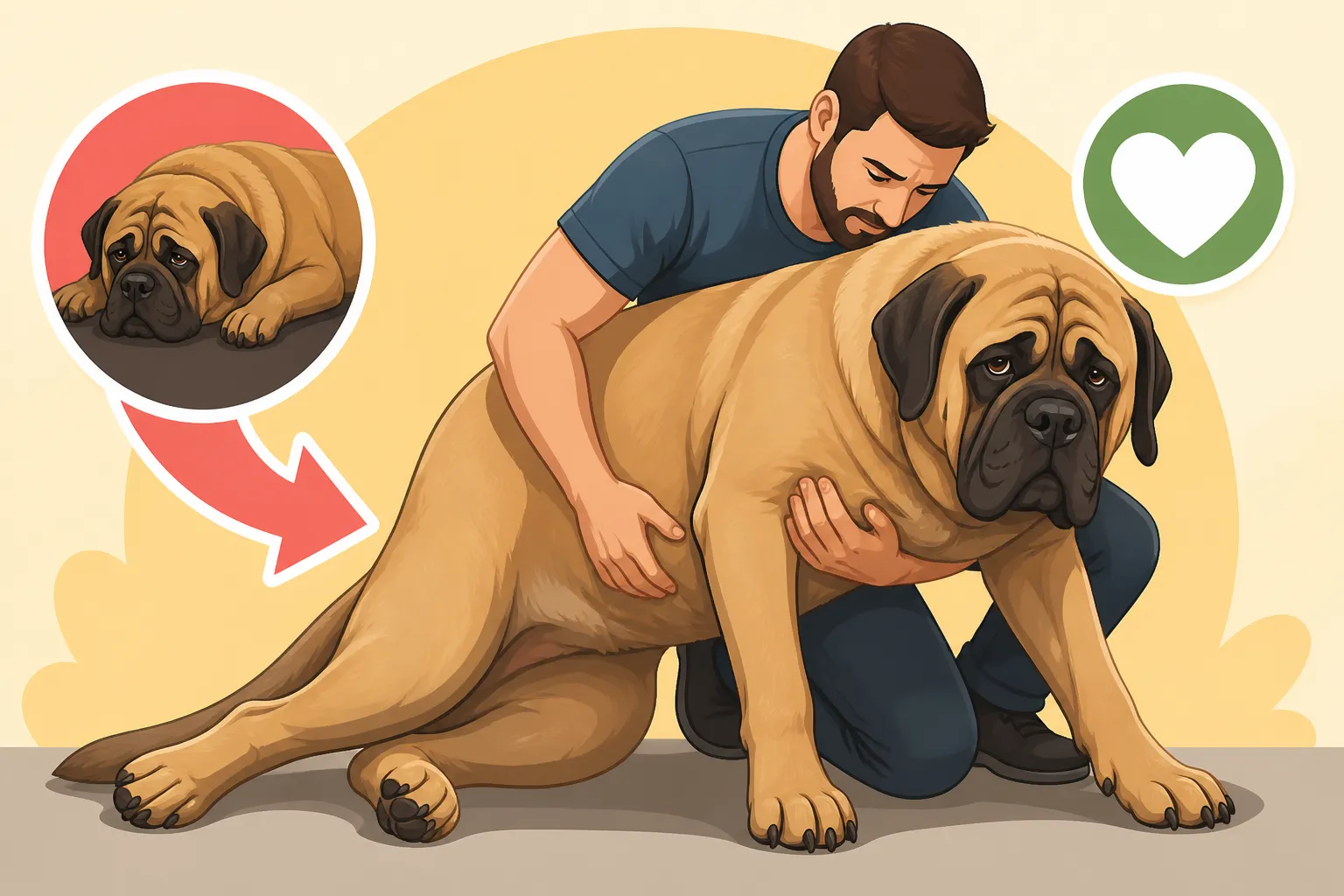
Lifting an Old Mastiff That Cannot Get Up
There are few things as heartbreaking for a Mastiff owner as watching their beloved giant struggle to stand up, or worse, finding them unable to get to their feet at all. It's a moment that hits hard, reminding us of their immense size and the fragility that comes with age. This guide aims to walk you through the difficult process of lifting an old Mastiff that cannot get up, offering practical advice, essential tools, and an empathetic understanding of the challenges you face.
Understanding Why Your Old Mastiff Struggles to Rise
When your grand old Mastiff, who once bounded with effortless grace, suddenly can't get up, it's a terrifying moment. It’s not just about their size; it's about the emotional connection you share and the worry that floods you. Several underlying health issues can contribute to this loss of mobility, and understanding them is the first step toward effective care.
Common Causes of Mobility Loss in Aging Mastiffs
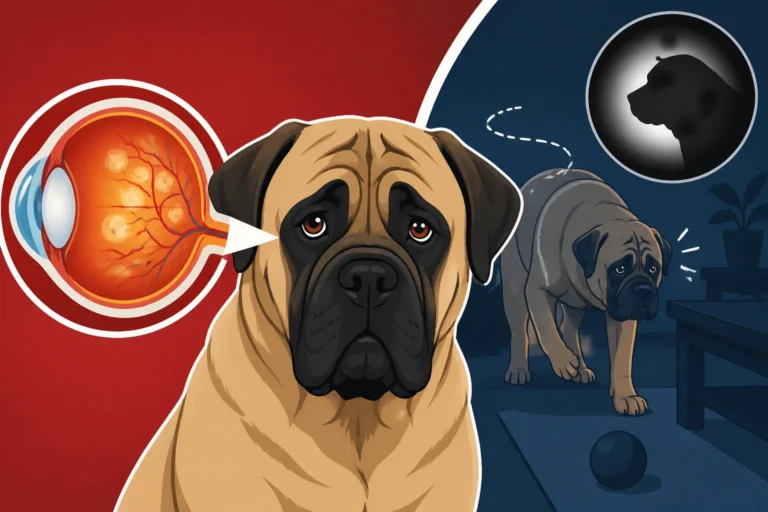
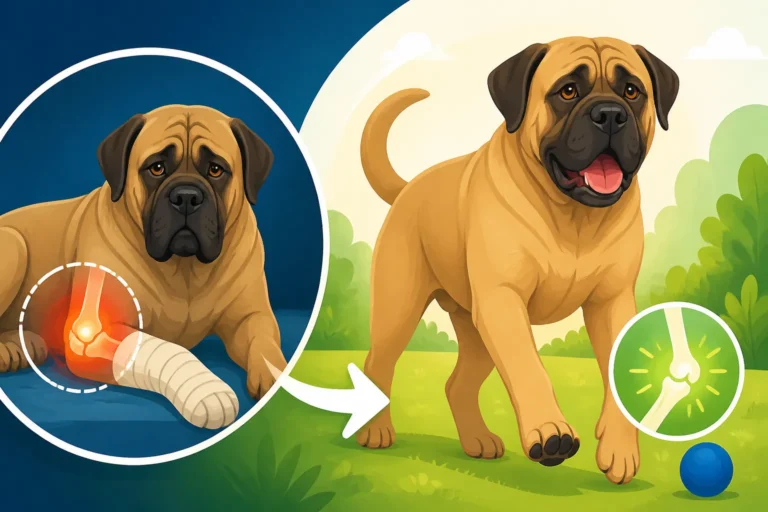
Mastiffs, with their incredible bulk, are unfortunately prone to a range of orthopedic and neurological issues as they age. Their sheer weight puts immense strain on their joints and spine over a lifetime. One of the most common culprits is arthritis, often a result of conditions like hip and elbow dysplasia that develop earlier in life. When arthritis flares up, the pain can make pushing off the ground agonizing, especially after a long rest. You might notice them favoring a limb, or a general stiffness that worsens in cold weather. It's a slow, insidious thief of their independence.
Beyond arthritis, degenerative conditions like Degenerative Myelopathy in a Mastiff can also manifest, causing progressive weakness and incoordination in the hind limbs. This isn't usually painful, but it severely impacts their ability to control their movements and bear weight. It’s like their brain isn’t talking to their legs properly anymore. Sometimes, a sudden inability to rise could be due to an acute injury, a slipped disc in their back, or even a sudden onset of weakness from a systemic illness. Heart conditions, for instance, can lead to overall weakness that affects their ability to stand. Knowing Why an Old Mastiff Cannot Get Up is crucial for tailoring the right support.
Recognizing the Signs and Symptoms
Before a complete inability to rise, you'll often see subtler signs that your Mastiff is struggling. They might be slower to get up in the mornings, taking several attempts, or using furniture to brace themselves. You might observe a pronounced limp or stiffness, especially after exercise or rest. Their gait might become wobbly or unsteady, particularly in their hindquarters. They might start hesitating at stairs or even avoid jumping into the car, something they once did with enthusiasm.
Other signs can include reduced interest in walks, a change in their posture, or even vocalizing softly when they move. Some Mastiffs, being stoic by nature, might try to hide their pain, so you'll need to be extra vigilant, watching for subtle behavioral changes like reluctance to play or a decrease in appetite. These are often indicators that their comfort and mobility are declining, signaling that it's time to intervene and provide them with extra support. Catching these early signs can make a huge difference in managing their comfort and preserving their mobility for as long as possible.
Immediate Steps When Your Mastiff Cannot Get Up
Finding your Mastiff unable to stand is a terrifying and stressful situation. Your mind races with panic, worry, and a desperate desire to help your giant friend. The immediate actions you take are critical for their safety and your own.
Assessing the Situation and Ensuring Safety
First, take a deep breath. Panicking won't help either of you. Gently approach your Mastiff and assess their condition. Are they showing signs of pain – whimpering, panting excessively, or guarding a particular area of their body? Is there any visible injury? Try to determine if they can move any part of their body, even just shifting their head or front paws. This initial assessment helps you gauge the severity of the situation.
Next, ensure the area around them is clear. Remove any obstacles, rugs that might slip, or small furniture. If they are in a precarious spot, like at the top of stairs or on a slippery floor, you'll need to carefully consider how to move them without causing further injury. Remember, a Mastiff can weigh upwards of 200 pounds, so attempting to lift them incorrectly can result in injury to both you and your dog. Don't rush into a lift if you're not sure how. Your priority is to keep them comfortable and still while you figure out a plan. Call your veterinarian immediately to describe the situation and get professional advice. This is one of those times when waiting truly isn't an option, especially if you suspect a serious injury or condition like The First Sign a Mastiff Is Bloating, which can also cause collapse.
Gentle Encouragement and Support
Once you’ve assessed the situation, you can try gentle encouragement. Speak to your Mastiff in a calm, reassuring voice. Offer a high-value treat to see if they can motivate themselves to shift or try to stand. Sometimes, a brief moment of panic can make them freeze, and a little encouragement can help.
If they can move their front end, you might be able to help them brace themselves against a wall or sturdy furniture. However, never force them to stand if they are in pain or clearly unable. Your goal is to support, not to push. If you have a lifting harness or sling readily available, this is the time to carefully position it. If not, a sturdy towel or blanket can serve as a makeshift sling under their abdomen to offer some support if they try to push up on their own. The aim is to provide stability and leverage without putting undue pressure on their spine or injured areas. This is where Whether a Mastiff Needs a Harness With Handles can become incredibly useful, making it easier to assist them.
Tools and Techniques for Lifting a Giant Dog
Lifting a Mastiff, especially one that can't bear its own weight, is a monumental task that requires the right tools and techniques to prevent injury to both you and your beloved companion. It’s a challenge that many giant breed owners unfortunately face.
Specialized Lifting Harnesses and Slings
For an aging Mastiff, a good quality lifting harness or sling is an absolute game-changer. These aren't just for emergencies; they're vital for daily assistance. A full-body harness, often with handles over the hips and shoulders, allows you to distribute their weight evenly and provide steady support. Brands like Help 'Em Up Harness or Ruffwear offer robust options designed for large dogs. These harnesses are meant to be worn for extended periods, making it easy to assist your dog when they need to get up, go outside, or navigate slippery floors.
For more temporary or emergency situations, a simple lifting sling can be effective. This is often a wide, padded band that goes under their abdomen, or individual slings for the front and hindquarters. While these don't offer the same continuous support as a full harness, they are invaluable for quick lifts. Imagine your Mastiff trying to get up from their bed to go to the bathroom; a sling allows you to help them without straining your back or putting all their weight on one part of their body. Having these tools readily available, rather than scrambling in a crisis, is a critical part of owning a senior giant breed. Many owners find peace of mind knowing they have these tools, and some even consider pet insurance from providers like Healthy Paws, which might help with the cost of specialized equipment if prescribed by a vet.
DIY Solutions for Emergency Lifts
If you don't have a specialized harness on hand, you can improvise for an emergency lift. A large, sturdy bath towel or a heavy-duty canvas tote bag (cut to make handles) can be used as a temporary sling. Slide it under your Mastiff's abdomen, just in front of their hind legs. If you need to assist their front end, a second towel or a long scarf can be placed under their chest.
When attempting a lift, always ensure you have a second person, if possible. One person can support the front, and the other the rear. Coordinate your movements, counting "one, two, three, lift!" to ensure you move together smoothly. Bend at your knees, not your back, and use your legs to lift. Keep your back straight. The goal is a controlled, gentle lift that minimizes jerking or sudden movements that could cause pain or further injury. This is where understanding Lifting an Old Mastiff Without Hurting Yourself becomes paramount.
Here's a quick comparison of common lifting aids:
| Lifting Aid | Description | Pros | Cons | Best Use Case |
|---|---|---|---|---|
| Full-Body Harness | Designed to be worn continuously, with multiple support points and handles. | Excellent weight distribution, comfortable for long wear, stable. | Can be bulky, initial fitting might be challenging, higher cost. | Daily assistance for walking, standing, potty breaks. |
| Hind Leg Sling | A padded band placed under the hips/abdomen with handles. | Good for hind-end weakness, relatively easy to put on, portable. | Does not support front, can put pressure if not used correctly. | Assisting with standing, climbing stairs, short walks. |
| Front Leg Sling | Similar to hind leg sling, but for chest and front legs. | Helps with front-end weakness or balance issues. | Does not support hind, less common than hind leg slings. | Helping with front stability, getting into vehicles. |
| Towel/Blanket (DIY) | A large, sturdy fabric used as a makeshift sling. | Readily available, cost-effective for emergencies, versatile. | Can slip, less supportive, might bunch uncomfortably, no handles. | Emergency lifts, temporary assistance until proper equipment arrives. |
Proper Lifting Techniques and Safety Precautions
When it's time to actually lift, clear communication is key if there's more than one person. Designate one person as the leader to count down the lift. Position yourselves so you can lift from a squat, using your powerful leg muscles, not your back. For a Mastiff, lifting them entirely off the ground might be too much for many people. Instead, aim to assist them in gaining their footing, providing just enough lift to take the pressure off their struggling limbs.
If your Mastiff is fully down and cannot move, consider sliding a sturdy blanket or tarp underneath them while they are lying down. Then, with multiple people, you can lift the edges of the blanket like a stretcher to gently move them to a more suitable location, perhaps closer to an exit or their orthopedic bed. Always be mindful of their spine; try to keep their body as straight as possible during any movement. If you suspect a serious spinal injury, it's best to wait for professional veterinary help, as improper movement could worsen the damage. Remember, their comfort and safety are paramount.
Long-Term Management and Prevention
Once you've navigated the immediate crisis of your Mastiff being unable to get up, the focus shifts to long-term care. Living with an aging giant breed means proactively managing their comfort and mobility, and preparing for their evolving needs. This commitment is a hallmark of truly dedicated Mastiff ownership.
Home Modifications and Supportive Care
Making your home Mastiff-friendly as they age is essential. Start with flooring. Hardwood and tile floors, while beautiful, are incredibly treacherous for an old dog with weak joints. Lay down runners, rugs, or non-slip mats in all high-traffic areas where your Mastiff walks. This provides much-needed traction and confidence. Consider the investment in What a Bed That Holds a Mastiff Costs – a high-quality orthopedic bed with dense foam is crucial to support their heavy joints and prevent pressure sores. Having multiple beds around the house means they don't have to travel far to rest comfortably.
Ramps can be invaluable for helping them get into vehicles or navigate a few steps if they’re still able. Raised food and water bowls can also make eating and drinking more comfortable, reducing strain on their neck and joints. Regular, gentle grooming, especially around their hind end, becomes important for hygiene if they have accidents or struggle to clean themselves. These small adjustments can significantly improve their quality of life and your ease of care.
Veterinary Care, Medications, and Supplements
Regular veterinary check-ups are non-negotiable for an aging Mastiff. Your vet can help diagnose the underlying causes of their mobility issues, whether it's Arthritis in a Mastiff at Four or other conditions. They can prescribe pain management medications, anti-inflammatories, or other treatments to improve comfort. Don't hesitate to discuss all available options; your vet is your most important partner in this journey.
Beyond traditional medication, many owners explore Joint Supplements for a Mastiff such as glucosamine, chondroitin, and omega-3 fatty acids, often starting these even before significant mobility issues arise. While supplements aren't a cure-all, they can support joint health and reduce inflammation. Physical therapy, hydrotherapy (swimming in a controlled environment), or even acupuncture can also be incredibly beneficial for maintaining muscle mass, improving range of motion, and alleviating pain. These therapies can be costly, but organizations like Healthy Paws often have policies that cover such treatments when prescribed by a veterinarian, making advanced care more accessible.
Maintaining Quality of Life and End-of-Life Planning
The goal is always to maximize your Mastiff's quality of life. This means adjusting expectations for exercise – Whether an Old Mastiff Should Still Be Walked might need to be shorter and more frequent, focused on gentle movement rather than long excursions. Mental stimulation, through puzzle toys or gentle training sessions, remains important. Continue to engage with them, providing affection and ensuring they feel loved and comfortable.
As your Mastiff enters their golden years, it's natural for their needs to become more demanding, both physically and emotionally for you. This often means preparing for their Nursing a Mastiff Through Its Last Two Years. There may come a time when, despite all your efforts, their quality of life diminishes significantly. This is perhaps the hardest decision a pet owner faces: Making the Decision for an Old Mastiff. Having open, honest conversations with your veterinarian and your family about when that time might come can help you prepare. It's an act of profound love to alleviate their suffering, even when it means letting go. Remember, you've given them a wonderful life, and ensuring a peaceful, dignified end is the final, most important gift you can offer.
Disclaimer
This article is for general informational purposes only and does not constitute professional advice. Laws, prices and regulations vary by location and change over time. Consult a qualified professional for guidance on your specific situation.