Lifting an Old Mastiff Without Hurting Yourself
It's an incredibly difficult and heartbreaking stage of life when your once-robust Mastiff starts to struggle with mobility. That moment when your giant companion, who used to bound to greet you, can no longer stand unassisted, or worse, collapses and can't get back up, can be truly terrifying and physically daunting. This guide will walk you through practical strategies and essential tools for safely lifting and assisting an older Mastiff, ensuring you protect both your beloved dog and yourself from injury.
The Physical and Emotional Toll of Impaired Mobility in an Old Mastiff
Watching a magnificent Mastiff, a dog built for power and presence, lose its ability to move freely is one of the toughest parts of owning such a noble breed. As they age, many Mastiffs will face challenges like arthritis, degenerative myelopathy, or other conditions that compromise their hind end strength or overall coordination. This isn't just a minor inconvenience; it can mean the difference between independence and being entirely reliant on you for basic movements.
Why Old Mastiffs Struggle with Mobility
Age hits giant breeds particularly hard, and Mastiffs are no exception. Their sheer size, while impressive in their youth, becomes a significant burden on their joints and muscles as they get older. Conditions such as Arthritis in a Mastiff at Four can begin to show up far earlier than in smaller breeds, making simple acts like standing up or navigating stairs a painful ordeal. The cartilage cushioning their massive joints wears down, and their powerful muscles weaken, making it incredibly difficult for them to manage their own immense weight. It's not just a matter of being tired; often, there's a genuine loss of nerve function or structural integrity that prevents them from executing movements they once took for granted.
Consider a dog that weighs upwards of 150 to 200 pounds, sometimes even more. Every step, every transition from lying down to standing, is an immense physical effort. Their large frame means that even minor instability can lead to a fall, and once down, the lack of leverage and strength can make getting back up nearly impossible. This can lead to a vicious cycle: less movement leads to muscle atrophy, which further reduces mobility, exacerbating the problem. The emotional impact on a dog that has always been so physically capable can be profound, leading to frustration, anxiety, and even depression.
The Impact on the Caregiver
The physical demands of caring for an aging Mastiff with mobility issues are immense. You're not just dealing with a pet; you're often assisting a creature that weighs as much as or more than a human adult. The frustration and heartbreak of seeing your dog struggle are compounded by the physical strain on your own body. Trying to haul a large, uncooperative, or suddenly limp Mastiff can easily result in back injuries, strained muscles, or worse. Many owners find themselves constantly sore, worried, and feeling utterly helpless.
Beyond the immediate physical risks, there's the mental and emotional burden. The constant vigilance, the interrupted sleep for potty breaks, and the pervasive worry about their comfort and safety can take a significant toll. You might feel isolated, as not everyone understands the unique challenges of a giant breed. It's crucial to acknowledge these feelings and recognize that you need support and proper techniques to navigate this difficult period. Understanding that you are not alone in these struggles is the first step toward finding sustainable solutions.
Essential Tools and Techniques for Safe Lifting
When your Mastiff can no longer manage on its own, having the right tools and knowing how to use them safely can make all the difference. These aids are designed to distribute weight, provide leverage, and protect both you and your dog from injury. Think of them as extensions of your own strength, allowing you to help your Mastiff retain dignity and mobility for as long as possible.
Full Body Support Harnesses
A well-designed full body harness is arguably the most critical piece of equipment for assisting a large, immobile Mastiff. These aren't just for walks; they're built with multiple support points and handles to allow you to lift or steady your dog with greater control and less strain. Look for harnesses with wide, padded straps that won't dig into your Mastiff's sensitive skin, especially in areas where pressure is applied during lifting. Many excellent options are available from retailers like Chewy and Amazon, offering different styles for various needs.
When choosing a harness, consider the specific areas where your Mastiff needs help. Some harnesses provide excellent support for the hindquarters, which is often where problems begin, while others offer more comprehensive front-to-back support. Getting the right fit is paramount; a harness that's too loose can shift and rub, causing sores, while one that's too tight can restrict movement or breathing. Practice using it when your Mastiff is still relatively mobile, so both of you become accustomed to it before a crisis hits. You might find that Whether an Old Mastiff Needs a Harness With Handles is a question many owners ponder, and the answer is almost universally yes, they do.
Rear-End Support Slings
For Mastiffs whose primary issue is hind leg weakness, a simple rear-end support sling can be a lifesaver. These are essentially padded straps that go under your dog's abdomen, just in front of their back legs, with handles for you to lift. They allow you to support their rear weight, taking pressure off their hips and knees, while their front legs still bear some weight. This is particularly useful for helping them get up from a lying position, navigate a few steps, or assist them during potty breaks.
Slings are generally less cumbersome than full harnesses for quick assists, and they can be easier to put on and take off. However, they don't offer the same stability or control as a full body harness and are not suitable for carrying your Mastiff entirely. It’s important to ensure the sling is wide enough to distribute weight comfortably across their belly, preventing a concentrated pressure point. Many come with soft fleece lining or similar padding for maximum comfort during use.
Ramps and Steps for Accessibility
While not direct lifting tools, ramps and steps are invaluable in preventing the need for heavy lifting in many situations. Getting into a car, navigating a few porch steps, or even getting onto a favored piece of furniture can become impossible for an old Mastiff. Ramps provide a gentle incline, allowing your dog to walk up or down with less strain on their joints. Look for sturdy, non-slip ramps that can support your Mastiff's considerable weight.
Portable ramps are fantastic for vehicles, while permanent or semi-permanent ramps can be installed for steps around the house. For couches or beds, sturdy pet steps designed for large breeds can provide a helpful intermediate solution, but always ensure they are wide and stable enough so your Mastiff feels secure using them. Training your Mastiff to use a ramp or steps early, even when they don't strictly need it, can save a lot of heartache (and backache) down the line.
Emergency Lifting and Specialized Equipment
There will be times, despite all your preparations, when your Mastiff is down and truly cannot move. This is where emergency lifting techniques come in, and sometimes, specialized equipment might be necessary. For a truly collapsed Mastiff, a simple blanket or tarp can be used as an impromptu stretcher by two people. Carefully slide it under your dog and lift together, keeping their body as flat and supported as possible. This minimizes twisting and further injury. For extreme cases, a local veterinary clinic or emergency animal hospital often has gurneys and trained staff who know How a Clinic Moves a Collapsed Mastiff.
Some companies also offer more sophisticated lifting aids, like wheeled gurneys or even specialized dog carts for long-term mobility. These are significant investments, but for a very large, completely incapacitated Mastiff, they might be the only way to move them safely and comfortably around the home or to a vet appointment. Always prioritize your Mastiff's comfort and safety, and don't hesitate to consult your veterinarian for advice on which tools would be most beneficial for your specific dog's condition.
Strategies to Prevent Injury to Yourself and Your Mastiff
The goal of assisting your old Mastiff is to improve their quality of life, not to jeopardize your own health or accidentally hurt them. Safe lifting and handling require careful thought, proper mechanics, and a realistic understanding of your own physical limits. Remember, your Mastiff depends on you, so protecting yourself is a critical part of continuing to be their loving caregiver.
Proper Body Mechanics
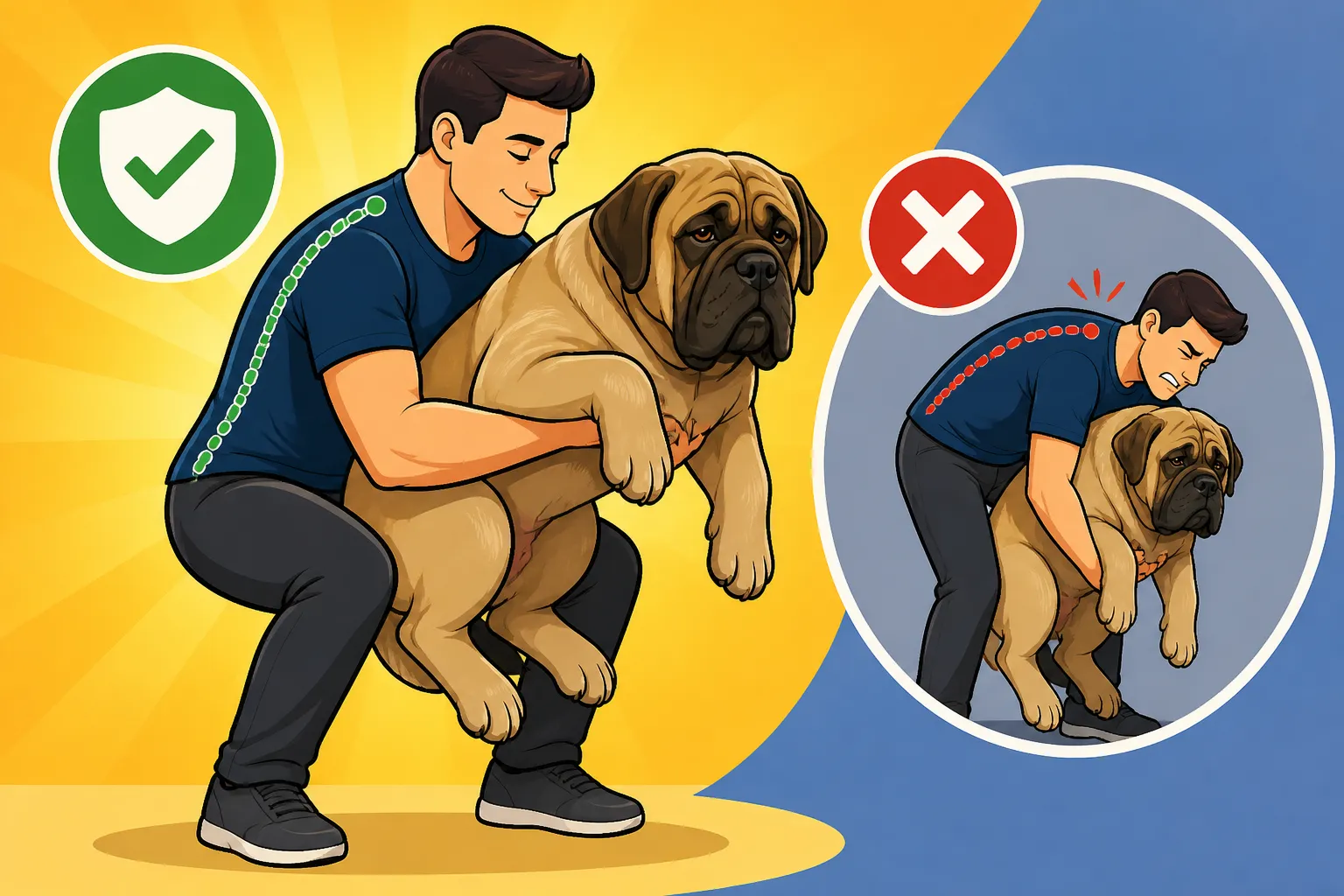
This is perhaps the most crucial piece of advice for anyone regularly lifting or supporting a heavy dog. Forget trying to lift with your back; always engage your core, bend your knees, and lift with your legs. Keep your Mastiff's body as close to yours as possible to reduce strain. If you're using a harness or sling, grasp the handles firmly and lift smoothly, avoiding sudden jerks.
If working alone, try to break the lift into smaller, manageable movements. For instance, if your Mastiff is lying down, try to first help them into a sternal (sitting up with front legs extended) position, then assist them to stand. Never attempt to lift the entire weight of a large Mastiff by yourself from a dead lie if you feel any strain. It's always better to get help or use mechanical aids than to risk a serious injury to yourself. A strained back can leave both you and your Mastiff in a much worse situation.
Enlist Help When Needed
It cannot be stressed enough: do not be a hero. Lifting a large Mastiff, especially one that is struggling or panicking, is often a two-person job. If you anticipate needing to lift your Mastiff regularly, arrange for a family member, friend, or even a professional pet care service to be available for assistance. Coordinating efforts makes the lift smoother, safer, and less stressful for everyone involved.
Practice with your helper before an emergency arises. Decide who will lift which end, how you'll coordinate the count, and what signals you'll use. This preparation can drastically reduce chaos and risk during a real mobility crisis. Knowing that you have a reliable support system in place can also alleviate some of the daily anxiety that comes with caring for a giant breed with compromised mobility.
Creating a Safe and Accessible Home Environment
Beyond direct lifting, modifying your home environment can significantly reduce the need for manual assistance and prevent falls. Start by ensuring all walking surfaces are non-slip. What Bare Floors Do to a Growing Mastiff applies just as much, if not more, to an old Mastiff. Bare hardwood, tile, or linoleum can be treacherous, causing slips and falls that can lead to further injury. Use runners, carpets, or non-slip mats in high-traffic areas where your Mastiff walks.
Invest in a high-quality orthopedic bed, or several, placed in different rooms. What an Orthopedic Bed for a Mastiff Costs might seem like a lot, but it's vital for cushioning their heavy joints and providing proper support. Make sure their food and water bowls are easily accessible and consider elevated bowls to reduce strain on their neck. Remove clutter and arrange furniture to create clear, wide pathways for them to navigate. These small adjustments can make a huge difference in your Mastiff's comfort and confidence, and by extension, reduce your need to intervene physically.
Regular Veterinary Consultations
Maintaining open and frequent communication with your veterinarian is paramount. They can help diagnose the underlying cause of your Mastiff's mobility issues, recommend appropriate medications for pain management, or suggest physical therapy exercises. Pain can make a dog more reluctant to move or cooperate with lifting, so managing it effectively is key. Your vet can also advise on the best type of supportive equipment for your Mastiff's specific condition and progression.
They might also recommend joint supplements for a Mastiff to help support cartilage health, or specific diets. As your Mastiff's condition progresses, your vet can provide guidance on when it might be time for more intensive interventions or, sadly, help you navigate Making the Decision for an Old Mastiff. Regular check-ups ensure that you are always one step ahead, adapting your care plan as your Mastiff's needs evolve.
Daily Mobility Support and Quality of Life
Lifting and moving your old Mastiff isn't just about getting them from point A to point B; it's about maintaining their quality of life, their dignity, and their connection to you. Incorporating daily routines that support their remaining mobility, comfort, and mental well-being is crucial during their twilight years. These small, consistent efforts can make a profound difference.
Assisting with Potty Breaks
One of the most frequent reasons an owner needs to lift or support an old Mastiff is for potty breaks. When they can't stand or walk independently, they often struggle to get into a squatting position or balance long enough to relieve themselves. This is where a rear-end support sling truly shines. It allows you to support their hindquarters, taking the weight off their back legs, enabling them to assume a natural posture for urination or defecation.
Consistency is key. Try to take them out frequently, especially after waking up and after meals, to prevent accidents indoors. If they do have an accident, clean it up promptly and calmly, avoiding scolding. Remember, they aren't doing it on purpose; they're simply unable to control their body as they once could. Patience and understanding are vital during this challenging time. It ties into Why an Old Mastiff Cannot Get Up, as standing for a prolonged period, let alone balancing to potty, becomes an immense task.
Gentle Exercise and Physical Therapy
While strenuous exercise is out of the question for an old, struggling Mastiff, gentle movement is still incredibly beneficial. Short, slow walks with the aid of a supportive harness can help maintain muscle tone, stimulate circulation, and provide mental enrichment. Even just a few minutes of carefully supervised movement a few times a day can prevent stiffness and improve their mood. Consult your vet or a certified canine rehabilitation therapist for guidance on safe exercises.
Hydrotherapy, or water therapy, can also be wonderfully therapeutic for Mastiffs with joint issues. The buoyancy of water reduces the impact on their joints, allowing them to move their limbs more freely and build strength without bearing their full weight. Even if formal hydrotherapy isn't an option, a controlled shallow walk in a pool or a lake with a life vest can provide similar benefits, provided it's done safely and supervised. Remember that Whether a Mastiff Should Swim for Its Joints is a valid question, and for many, it's a great low-impact option.
Nutritional Support and Weight Management
Keeping your Mastiff at a lean, healthy weight is even more critical as they age and their mobility declines. Every extra pound puts additional stress on already compromised joints. Your vet can help you determine the ideal weight for your Mastiff and recommend a diet plan. Senior-specific dog foods often contain ingredients to support joint health, such as glucosamine and chondroitin.
Consider foods that are easier to digest or incorporate joint supplements into their diet. Retailers like Ollie or other fresh food services can provide tailored nutrition, but always discuss significant dietary changes with your vet. Proper nutrition combined with weight management can slow the progression of joint disease and make it easier for your Mastiff to move, reducing the frequency of situations where you might need to lift them. This also relates to The Age a Mastiff Starts to Slow, and how their metabolic needs begin to shift.
Maintaining Mental Well-being
An old Mastiff with limited mobility can easily become bored or isolated, which impacts their overall well-being. Continue to engage them with gentle playtime, puzzle toys, and plenty of affection. Even if they can't go for long walks, short outings in a sturdy dog stroller or simply spending time in the yard watching the world go by can provide valuable mental stimulation.
Keep their environment enriched with familiar smells and sounds. Continue with gentle grooming, which can be a comforting bonding experience and also allows you to check for any skin issues or pressure sores. Providing consistent love, comfort, and mental engagement ensures that despite their physical challenges, your old Mastiff still feels like an important, cherished member of your family right up until The Oldest a Mastiff Realistically Gets.
| Tool/Technique | Best Use Case | Benefits | Considerations |
|---|---|---|---|
| Full Body Harness | General mobility, support, controlled lifting | Distributes weight, multiple handles, comprehensive support | Can be bulky, requires correct fit, may take time to put on |
| Rear-End Support Sling | Hind leg weakness, potty breaks, quick assists | Easy to use, less bulky, targets specific weakness | No front support, less stability, not for full lifting |
| Ramps/Steps | Car access, small inclines, furniture access | Prevents heavy lifting, promotes independence, reduces joint strain | Requires training, space for ramp, must be sturdy/non-slip |
| Proper Body Mechanics | All lifting and assisting actions | Prevents handler injury, safer for dog, builds confidence | Requires conscious effort, can be forgotten in a panic |
| Enlisting Help | Emergency lifting, multi-person tasks | Significantly reduces strain, increases safety for all | Requires coordination, may not always be available |
| Non-Slip Flooring | Home environment safety | Prevents falls, increases dog confidence, reduces need for lifting | Can be expensive to install, may require many runners |
| Orthopedic Beds | Joint cushioning, comfort, pressure sore prevention | Supports heavy joints, improves sleep quality | Can be expensive, may need multiple beds, flattens over time |
| Vet Consults | Pain management, diagnosis, treatment plans | Addresses underlying issues, appropriate medication, specialized advice | Ongoing cost, requires travel if dog is immobile |
Disclaimer
This article is for general informational purposes only and does not constitute professional advice. Laws, prices and regulations vary by location and change over time. Consult a qualified professional for guidance on your specific situation.