Why a Mastiff’s Hips Fail Under Its Own Weight
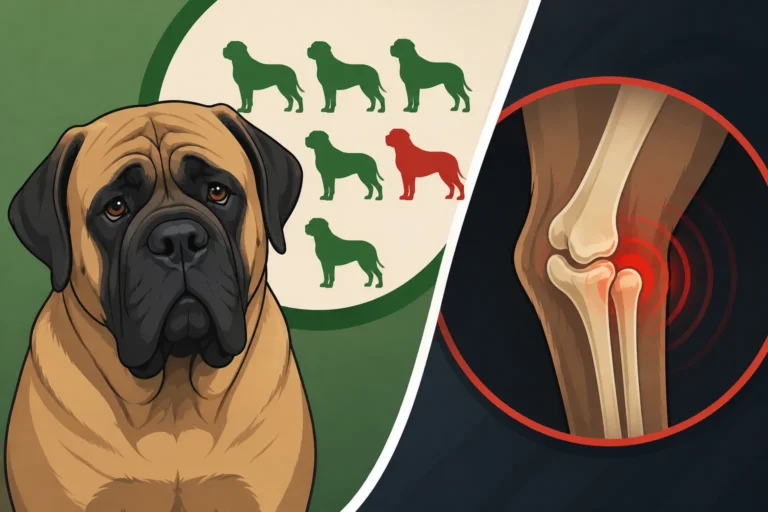
It’s a heart-wrenching reality many Mastiff owners grapple with: watching your magnificent, gentle giant struggle with the very foundation that carries their impressive bulk – their hips. The immense weight of a Mastiff, a defining characteristic we adore, can unfortunately become their Achilles' heel, leading to debilitating joint issues like hip dysplasia. This guide is dedicated to exploring why a Mastiff's hips are so prone to failure under their own substantial weight, delving into the intricate factors at play, and offering insights into prevention, diagnosis, and compassionate management for these beloved dogs.
The Unyielding Force of Gravity: Why Weight Is the Core Issue
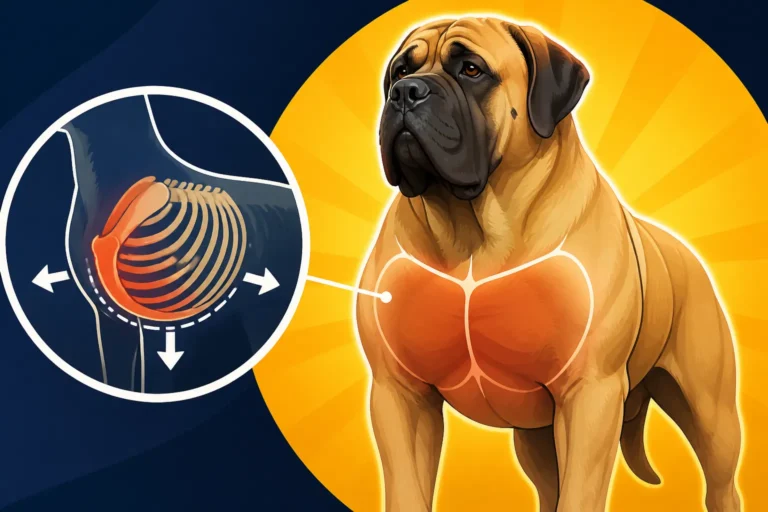
There's no getting around it: Mastiffs are big dogs. And while their size is part of their undeniable appeal, it's also a constant, unavoidable stressor on their skeletal system, particularly their hips. Imagine carrying an extra person on your back every single day, for years. That's essentially what a Mastiff's joints endure.
The Sheer Scale of a Mastiff's Frame
A mature male Mastiff can easily weigh between 160 to 230 pounds, and sometimes even more, standing up to 30 inches at the shoulder. Females, while typically smaller, still often fall into the 120 to 170-pound range. This isn't just a lot of muscle and bone; it's an enormous amount of force distributed across relatively small joint surfaces. Every step, every jump (even a small one), every time they lie down or stand up, those hip joints are bearing an immense load. It's a fundamental engineering challenge for their bodies. This constant compression and shear force can, over time, lead to wear and tear that outpaces the body's ability to repair itself, especially if the joint isn't perfectly formed to begin with. Think of it like a poorly aligned car tire – it will wear down much faster under the same driving conditions.
When we consider the historical context, Mastiffs were bred for guarding and protection, tasks that often required bursts of strength but not necessarily sustained, high-impact activities. Their very structure, while imposing, wasn't designed for endless miles of running or extreme agility. The sheer mass, combined with a sometimes less-than-perfect anatomical structure, makes them particularly vulnerable. The concern over their massive size leading to orthopedic problems is so prevalent that many responsible breeders and owners worry about How Weight Shortens a Mastiff's Life. It’s a sad irony that the grandeur we cherish can contribute to their physical challenges.
How Rapid Growth Exacerbates Joint Stress
It's not just the final weight that matters, but how a Mastiff puppy achieves that weight. These puppies grow at an astonishing rate, sometimes gaining several pounds a week in their first year. This rapid growth spurt means their bones, muscles, and connective tissues are developing at an incredible pace. During this crucial period, the soft cartilage and developing bone plates are particularly vulnerable. If the growth isn't well-managed, or if there's any underlying genetic predisposition, the joints can form incorrectly.
Imagine trying to build a skyscraper at warp speed, without letting the concrete fully cure between floors. You'd expect structural weaknesses. It's a similar principle with a Mastiff puppy. The skeleton is still cartilaginous in many areas and hasn't fully ossified into hard bone. During this phase, any excessive stress, whether from too much high-impact exercise or an imbalanced diet, can deform the developing hip socket (acetabulum) and femoral head, leading to the laxity and malformation characteristic of hip dysplasia. This is why strict control over a Mastiff puppy's diet and activity levels is paramount, as detailed in guides like Why a Mastiff Puppy Must Not Be Exercised Hard. The delicate balance of accelerating growth without overwhelming the developing joints is a tightrope walk for any Mastiff owner.
Unpacking Hip Dysplasia in Our Gentle Giants
Hip dysplasia is far from a simple condition; it's a complex developmental disorder that affects the hip joints, often resulting in pain, stiffness, and eventually, crippling arthritis. For Mastiffs, given their profound size, the impact of this condition can be particularly severe.
What Hip Dysplasia Truly Means for a Mastiff
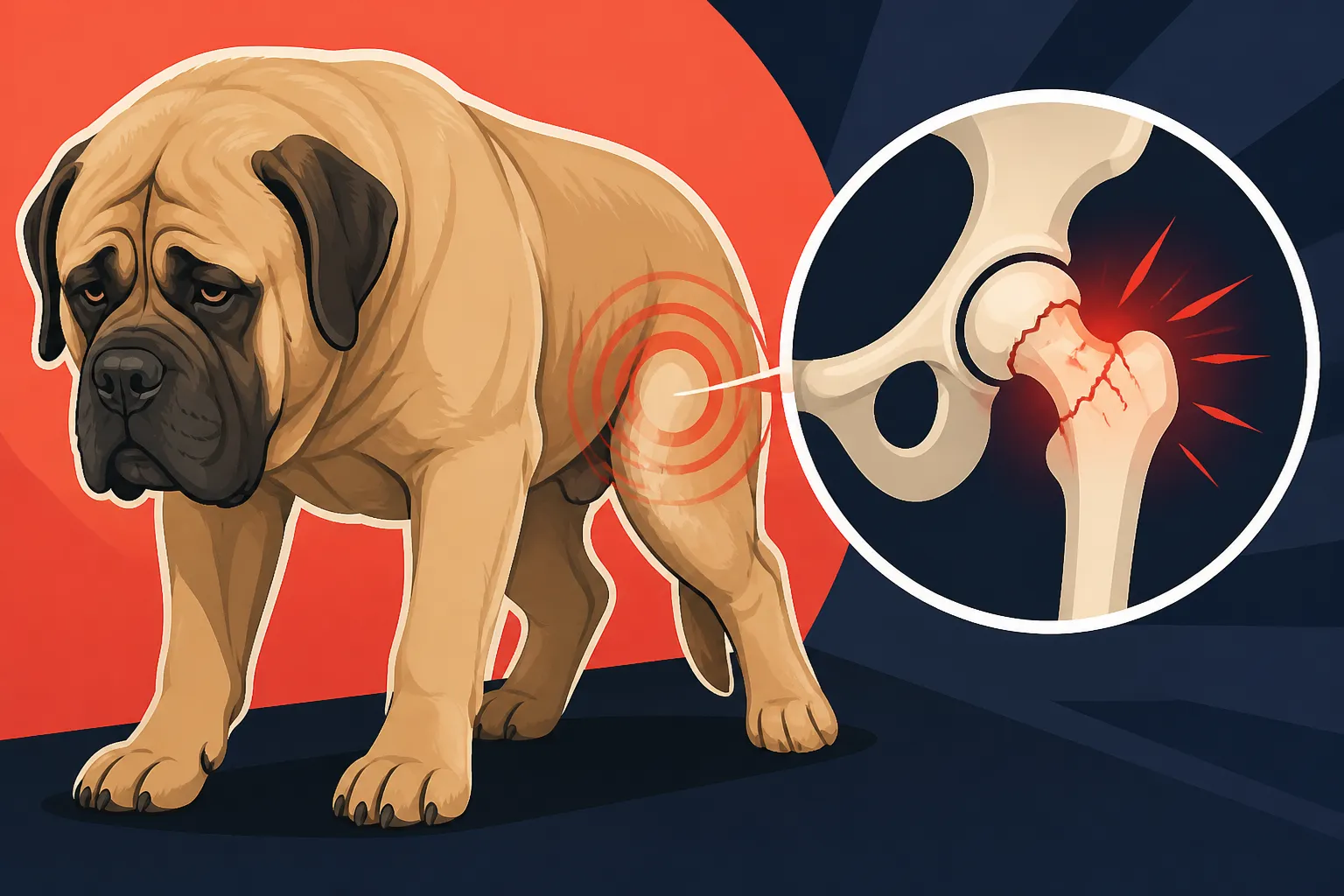
At its core, hip dysplasia occurs when the ball (the head of the femur, or thigh bone) and socket (the acetabulum in the pelvis) of the hip joint don't fit together properly. Instead of a smooth, congruent fit that allows fluid movement, the joint is loose, or "lax." This laxity causes the bones to rub and grind against each other over time, rather than gliding smoothly. This abnormal wear and tear leads to the degeneration of the joint cartilage, the formation of painful bone spurs (osteophytes), and eventually, osteoarthritis.
For a Mastiff, whose sheer mass already places immense pressure on their joints, this incongruity is a recipe for disaster. The symptoms can vary wildly – some Mastiffs might show signs of discomfort or lameness as early as six months old, exhibiting what's often referred to as The Shifting Lameness of a Growing Mastiff, while others might not display obvious signs until they are much older, even when X-rays show significant changes. The pain can manifest as difficulty getting up from a lying position, a reluctance to climb stairs, a "bunny hopping" gait, or a noticeable limp. The quality of life for a Mastiff with severe hip dysplasia can be dramatically compromised, making everyday activities a painful struggle. It's truly heartbreaking to witness such a noble animal suffer from a condition so inherent to their breed.
The Genetic Hand We're Dealt
Genetics play a profound role in hip dysplasia. It's considered a polygenic trait, meaning multiple genes contribute to its expression, rather than just one. This complex inheritance pattern is why even parents with seemingly good hips can, in rare cases, produce offspring with dysplasia, though the risk is significantly lower with properly screened parents. Breeders dedicated to the Mastiff breed strive to reduce the incidence of hip dysplasia by carefully selecting breeding stock that has been screened and certified clear of the condition.
Organizations like the Orthopedic Foundation for Animals (OFA) provide a standardized method for evaluating hip quality. Responsible breeders will typically have both sire and dam certified, often not breeding dogs that receive grades lower than "Fair" or "Good." While genetics are a major factor, it's not the only factor. Environmental influences during a puppy's development can either mitigate or exacerbate an underlying genetic predisposition. This is why buyers should always inquire about the parents' certifications and understand The CHIC Four Plus the DNA Stack Behind a Mastiff's Price, as these health clearances directly impact the puppy's potential for a healthier life. Ensuring your puppy comes from a lineage with a solid track record of healthy hips is arguably the single most important step an owner can take to prevent this devastating condition.
How Environmental Factors Tip the Scales
While genetics load the gun, environmental factors pull the trigger. Even a Mastiff puppy with excellent genetic potential for sound hips can develop dysplasia if not managed correctly during its crucial growth phase. The environment encompasses everything from nutrition and exercise to flooring and injury.
- Overfeeding and Rapid Weight Gain: This is one of the most significant environmental culprits. Allowing a Mastiff puppy to grow too quickly or become overweight puts excessive stress on their immature joints. Their skeletal system simply isn't ready to support that kind of rapid bulk. Controlling How Fast a Mastiff Puppy Puts On Weight is essential to their long-term health.
- Excessive or Inappropriate Exercise: High-impact activities like jumping, long runs, or repetitive stair climbing can damage developing joints. Puppies need play, but it needs to be controlled and low-impact.
- Slippery Surfaces: Constantly slipping and splaying on hardwood or tile floors can cause micro-traumas and abnormal stress on the hip joints, contributing to laxity. Providing traction through rugs or runners is crucial.
- Injury: Trauma to the hip area during puppyhood, even seemingly minor incidents, can potentially disrupt normal joint development.
Owners often feel a powerful urge to see their Mastiff puppy become massive quickly, associating larger size with breed type. However, for a Mastiff, slower, steady growth is healthier growth. This delicate balance of environment and genetics illustrates why responsible puppy rearing is so vital.
The Crucial Role of Nutrition and Exercise in Puppyhood
The first year or two of a Mastiff's life is absolutely critical for proper bone and joint development. Mistakes made during this period can have lifelong consequences, making attentive care during puppyhood non-negotiable.
Balancing the Diet for Optimal Bone Development
Feeding a Mastiff puppy isn't as simple as just pouring kibble into a bowl. Their unique growth requirements necessitate a carefully formulated diet, often distinct from what a typical "all-breed" puppy food might offer. The biggest mistake often made is overfeeding, or feeding a diet too rich in calories, protein, and calcium.
Giant breed puppy foods are specifically designed with lower calcium and phosphorus levels and a balanced calcium-to-phosphorus ratio to prevent accelerated bone growth and metabolic bone diseases. Excessive calcium, in particular, can interfere with normal bone maturation and calcification, leading to conditions that predispose them to hip and elbow dysplasia. As explored in discussions around What Excess Calcium Does to a Mastiff's Elbows, the same principles apply to hip development. The goal isn't to make them grow as fast as possible, but as soundly as possible. Feeding a controlled amount of a high-quality, large or giant breed puppy formula until at least 18-24 months of age is generally recommended. Always consult with your veterinarian or a veterinary nutritionist to ensure your Mastiff puppy's diet is perfectly tailored to their needs, especially if considering alternative feeding methods. Brands like Healthy Paws, while an insurance provider, often highlight the importance of preventative care, including proper nutrition, in their resources.
The Paradox of Exercise: Too Much, Too Soon
It might seem counterintuitive, but for a Mastiff puppy, less is often more when it comes to structured exercise. Their enormous frame develops slowly, and their joints are incredibly vulnerable during this time. High-impact activities like long walks, running, jumping on and off furniture, or even extended play sessions with other boisterous dogs can put undue stress on their developing hips and other joints.
Instead, controlled, low-impact exercise is key. Short, frequent walks on soft surfaces like grass are preferable to long treks on pavement. Free play in a secure, level yard is great, but should be supervised to prevent excessive roughhousing or jumping. Avoid stairs whenever possible, and consider using ramps for vehicles. The goal is to build muscle tone and promote healthy bone density without causing microtrauma to the joint surfaces. It’s a delicate balance that often frustrates new owners eager to take their robust puppy on adventures, but understanding The Walk Length That Damages a Mastiff Puppy is crucial. Remember, you're investing in their long-term soundness; patience now pays dividends later.
Early Detection and Screening: Shining a Light on Hip Health
One of the most proactive steps owners and breeders can take is thorough screening for hip dysplasia. Early detection allows for informed decisions regarding breeding and, if a Mastiff is affected, prompt management to maintain their quality of life.
Navigating OFA and PennHIP Evaluations
For decades, the Orthopedic Foundation for Animals (OFA) has been the gold standard for hip and elbow evaluations in dogs. The OFA system involves taking specific X-ray views of the hips and having them evaluated by a panel of three independent, board-certified veterinary radiologists. The hips are then graded on a scale from Excellent to Severely Dysplastic. Dogs with Excellent, Good, or Fair ratings are considered suitable for breeding, provided they meet other health criteria. The age at which a Mastiff is certified by OFA is typically two years old, as this is when their joints are considered mature enough for an accurate assessment.
Another widely recognized method is PennHIP, developed by the University of Pennsylvania. PennHIP uses a different technique, measuring hip laxity (looseness) with greater precision. It requires three distinct X-ray views, including a compression view and a distraction view, which actively reveal how much play is in the joint. PennHIP evaluations can be performed on puppies as young as 16 weeks, offering an earlier indication of a dog's predisposition to hip dysplasia. This can be invaluable for breeders making early decisions. While both systems aim to identify healthy hips, they offer slightly different information, and some breeders choose to utilize both for the most comprehensive picture. It's vital that owners understand the nuances of these tests and their significance when evaluating a potential puppy's lineage.
Understanding the Grades and What They Mean
When reviewing OFA certifications, you'll encounter grades like Excellent, Good, Fair, Borderline, Mild, Moderate, and Severe.
- Excellent, Good, Fair: These hips are considered within normal limits and suitable for breeding. An "Excellent" hip has a deeply seated femoral head and a tight fit. "Good" hips are well-formed with slightly less congruity than excellent. "Fair" hips are still functionally normal but might have minor irregularities.
- Borderline: This is a tricky grade, suggesting there are minor irregularities that prevent a "normal" rating, but without definitive signs of dysplasia. The recommendation is often to re-evaluate in 6-12 months.
- Mild, Moderate, Severe: These grades indicate hip dysplasia, with increasing severity. Dogs with these ratings should not be bred.
PennHIP results are expressed as a Distraction Index (DI), a numerical measurement of hip laxity. A DI closer to 0 indicates very tight hips, while a DI closer to 1 indicates very loose hips. Each breed has a benchmark DI, and dogs with DIs below this benchmark are considered to have a lower risk of developing hip dysplasia. Understanding these grades is paramount for any prospective Mastiff owner. Don't be shy about asking breeders for documentation of hip scores for both parents, even asking about grandparents, as this historical data gives a clearer picture of genetic health risks. This due diligence is a cornerstone of responsible ownership, protecting both your future companion and the breed as a whole.
| OFA Hip Rating | Description | Breeding Recommendation |
|---|---|---|
| Excellent | Superior hip conformation, deeply seated femoral head, very tight joint. | Recommended |
| Good | Well-formed congruent hip joint, minimal joint space, slightly less perfect than excellent. | Recommended |
| Fair | Functional hips, but minor irregularities in joint congruity. Still considered within normal limits. | Recommended |
| Borderline | Sufficient irregularities to prevent a normal rating, but no definitive signs of dysplasia. Re-evaluation advised. | Proceed with caution |
| Mild Dysplasia | Significant subluxation, shallow acetabulum, early arthritic changes. | Not Recommended |
| Moderate Dysplasia | Obvious signs of dysplasia, marked subluxation, significant arthritic changes. | Not Recommended |
| Severe Dysplasia | Complete luxation of the femoral head, extensive secondary arthritic changes. | Not Recommended |
Living with Hip Dysplasia: Management and Support
Receiving a diagnosis of hip dysplasia can be devastating, but it's not the end of the world for your Mastiff. Many dogs with hip dysplasia can live fulfilling lives with proper management, which often involves a combination of conservative care and, in some cases, surgical intervention.
Conservative Management: Keeping Them Comfortable
For many Mastiffs, especially those with mild to moderate dysplasia, or those who aren't candidates for surgery, conservative management is the primary approach. The goal is to minimize pain, maintain muscle mass, and slow the progression of osteoarthritis.
- Weight Management: This is paramount. Keeping your Mastiff lean significantly reduces the load on their compromised joints. Even a few extra pounds can make a huge difference in their comfort level. This might mean strictly monitoring their food intake and ensuring treats are kept to a minimum.
- Controlled Exercise: Continue low-impact activities like swimming (which is excellent for joint health as it's non-weight bearing) and short, leash-led walks. Avoid strenuous activity, jumping, and running on hard surfaces.
- Pain Management: Your veterinarian might prescribe non-steroidal anti-inflammatory drugs (NSAIDs) to manage pain and inflammation. Other medications, like gabapentin, might be used for neuropathic pain.
- Joint Supplements: Supplements containing glucosamine, chondroitin, MSM, and Omega-3 fatty acids can support joint health and reduce inflammation. While not a cure, Joint Supplements for a Mastiff can certainly help improve comfort and joint lubrication. Look for high-quality products recommended by your vet.
- Physical Therapy: Hydrotherapy, therapeutic massage, and specific exercises can help strengthen surrounding muscles, improve range of motion, and reduce pain. A certified canine rehabilitation therapist can develop a tailored plan.
- Acupuncture/Chiropractic: Some owners find alternative therapies like acupuncture or veterinary chiropractic beneficial for pain relief and improved mobility.
It's about creating a holistic approach to keep your Mastiff as comfortable and mobile as possible. Insurance providers like Healthy Paws often cover these ongoing conservative treatments, which can be a huge relief for owners facing chronic care costs.
Surgical Interventions: When and Why
When conservative management is no longer sufficient to maintain an acceptable quality of life, surgery might be an option. The choice of surgical procedure depends on the Mastiff's age, size, the severity of the dysplasia, and the degree of osteoarthritis present.
- Juvenile Pubic Symphysiodesis (JPS): This procedure is performed on very young puppies (typically 12-20 weeks old) and aims to alter the growth of the pelvis, encouraging the hip sockets to rotate and deepen. It's a preventative measure for puppies identified as high-risk.
- Triple Pelvic Osteotomy (TPO) / Double Pelvic Osteotomy (DPO): These surgeries involve cutting the pelvis in specific places and rotating the bone segments to create a better fit for the femoral head within the acetabulum. TPO/DPO are generally performed on younger dogs (under 10-12 months) who have hip laxity but not yet significant osteoarthritis.
- Femoral Head Ostectomy (FHO): In an FHO, the head of the femur is removed, and a "false joint" forms from scar tissue. This eliminates the painful bone-on-bone rubbing. While it doesn't create a normal hip joint, it can significantly alleviate pain, especially for smaller dogs. For Mastiffs, due to their immense size and weight, FHO is often considered a salvage procedure for one hip, as it can be challenging for the remaining limb to fully compensate.
- Total Hip Replacement (THR): This is the most effective surgical solution for severe, painful hip dysplasia, involving replacing both the ball and socket with prosthetic components. THR offers the best chance for a pain-free, functional joint. However, for Mastiffs, the size of the implants required, the complexity of the surgery, and the sheer force on the artificial joint make it an extremely specialized and costly procedure, typically performed by an orthopedic specialist. While effective, the sheer logistical challenge of working on a dog this size means Which Surgeries a Mastiff Needs a Specialist For almost always includes THR. The decision for surgery is always a significant one, requiring careful consideration with your veterinary team about the potential benefits, risks, and financial implications.
Creating a Joint-Friendly Home Environment
Beyond medical interventions, adjustments to your home environment can dramatically improve a Mastiff's comfort and mobility, especially as they age or if they are diagnosed with hip dysplasia.
- Traction is Key: Mastiffs often struggle on slippery floors like hardwood, tile, or laminate. Their large, sometimes splayed gait, combined with compromised hips, makes falls a serious risk. Laying down runners, rugs, or non-slip mats in high-traffic areas can provide much-needed grip. This helps prevent slips that can exacerbate joint pain or cause further injury.
- Orthopedic Beds: Investing in high-quality orthopedic dog beds with dense, supportive foam is crucial. These beds evenly distribute your Mastiff's weight, reducing pressure points on their hips, elbows, and shoulders. Having multiple beds around the house encourages rest and prevents them from trying to lie on hard surfaces.
- Ramps and Steps: Avoid letting your Mastiff jump in and out of cars or climb stairs, particularly if they are already showing signs of discomfort. Ramps designed for large dogs can safely facilitate car access, and strategically placed ramps or dog steps can help them access elevated areas like beds or couches, if allowed.
- Assisted Mobility Devices: For Mastiffs whose hindquarters are significantly weakened, mobility slings or harnesses with handles can be invaluable for helping them stand up or navigate short distances. Companies like Help'EmUp Harness offer excellent options for giant breeds, allowing you to assist your Mastiff without straining your own back. These tools become even more critical when Lifting an Old Mastiff That Cannot Get Up becomes a daily challenge.
These seemingly small changes can make a profound difference in your Mastiff's daily comfort and prevent further injury, allowing them to navigate their home with greater ease and dignity.
The Future of Mastiff Hip Health
The journey with a Mastiff and their hip health is often a long and dedicated one. As owners, our choices can impact not just our own dogs, but the future of the breed.
The Breeder's Responsibility and Ethical Choices
Responsible Mastiff breeders are the frontline defense against widespread hip dysplasia. Their commitment to ethical breeding practices is paramount. This means more than just showing certificates; it involves a deep understanding of pedigrees, health trends within lines, and a willingness to make difficult decisions.
- Comprehensive Health Testing: Beyond OFA hips and elbows, responsible breeders pursue other relevant health clearances, often including cardiac, eye, and DNA tests. Knowing Which Four Tests the Mastiff Club of America Requires is a good start, but many go further.
- Transparency: Reputable breeders are open and honest about the health of their breeding stock and previous litters. They should be willing to discuss any instances of hip dysplasia in their lines, how they are working to mitigate it, and provide references.
- Mentorship and Support: A good breeder doesn't just sell a puppy and disappear. They offer lifelong support, guidance on nutrition and exercise, and are a resource for any health concerns that may arise, including hip issues.
- Choosing for Health, Not Just Size: There can be a temptation to breed for ever-increasing size, but ethical breeders prioritize soundness and health over extreme measurements, understanding that excessive weight can be detrimental.
Unfortunately, not all breeders adhere to these standards. Puppy mills and irresponsible breeders often cut corners on health testing to maximize profit, leading to a higher incidence of genetic conditions like hip dysplasia. This makes thorough research and careful selection of a breeder absolutely critical for prospective Mastiff owners. Your choice of breeder can dictate the health trajectory of your Mastiff for their entire lifespan.
Ongoing Research and What It Means for Owners
The veterinary scientific community continues to make strides in understanding and treating hip dysplasia. Researchers are exploring more sophisticated genetic markers, refined diagnostic techniques, and innovative treatment options.
- Genetic Research: Scientists are working to identify more specific genes involved in hip dysplasia, which could lead to more accurate DNA tests in the future, allowing breeders to make even more informed decisions.
- Advanced Imaging: New imaging techniques could provide earlier and more precise assessments of joint health, potentially allowing for preventative interventions at an even younger age.
- Regenerative Medicine: Therapies like platelet-rich plasma (PRP) and stem cell injections are showing promise in helping to reduce inflammation and promote tissue repair in arthritic joints, offering new hope for pain management and improved mobility in affected Mastiffs. While still evolving, these fields represent exciting possibilities.
- Pharmacological Advancements: New medications are continually being developed to target pain and inflammation more effectively, with fewer side effects, offering better options for long-term conservative management.
For owners, staying informed about these advancements, discussing them with your veterinarian, and perhaps even participating in clinical trials can contribute to the collective knowledge and improve outcomes for all Mastiffs. Organizations like the AKC Canine Health Foundation and the Orthopedic Foundation for Animals (OFA) often fund this crucial research. Pet insurance plans, such as those from Healthy Paws, are also increasingly valuable, as they can help cover the costs of these cutting-edge diagnostics and treatments, making them more accessible to owners when a beloved Mastiff faces these health challenges. The ongoing commitment from researchers, breeders, and dedicated owners is what will ultimately pave the way for a healthier future for our beloved Mastiffs, allowing them to enjoy their majestic lives with fewer burdens on their massive, yet vulnerable, frames.
Disclaimer
The information provided in this article is for educational and informational purposes only, and does not constitute veterinary advice. Always consult with a qualified veterinarian for any health concerns or before making any decisions about your Mastiff's care, diet, or treatment.