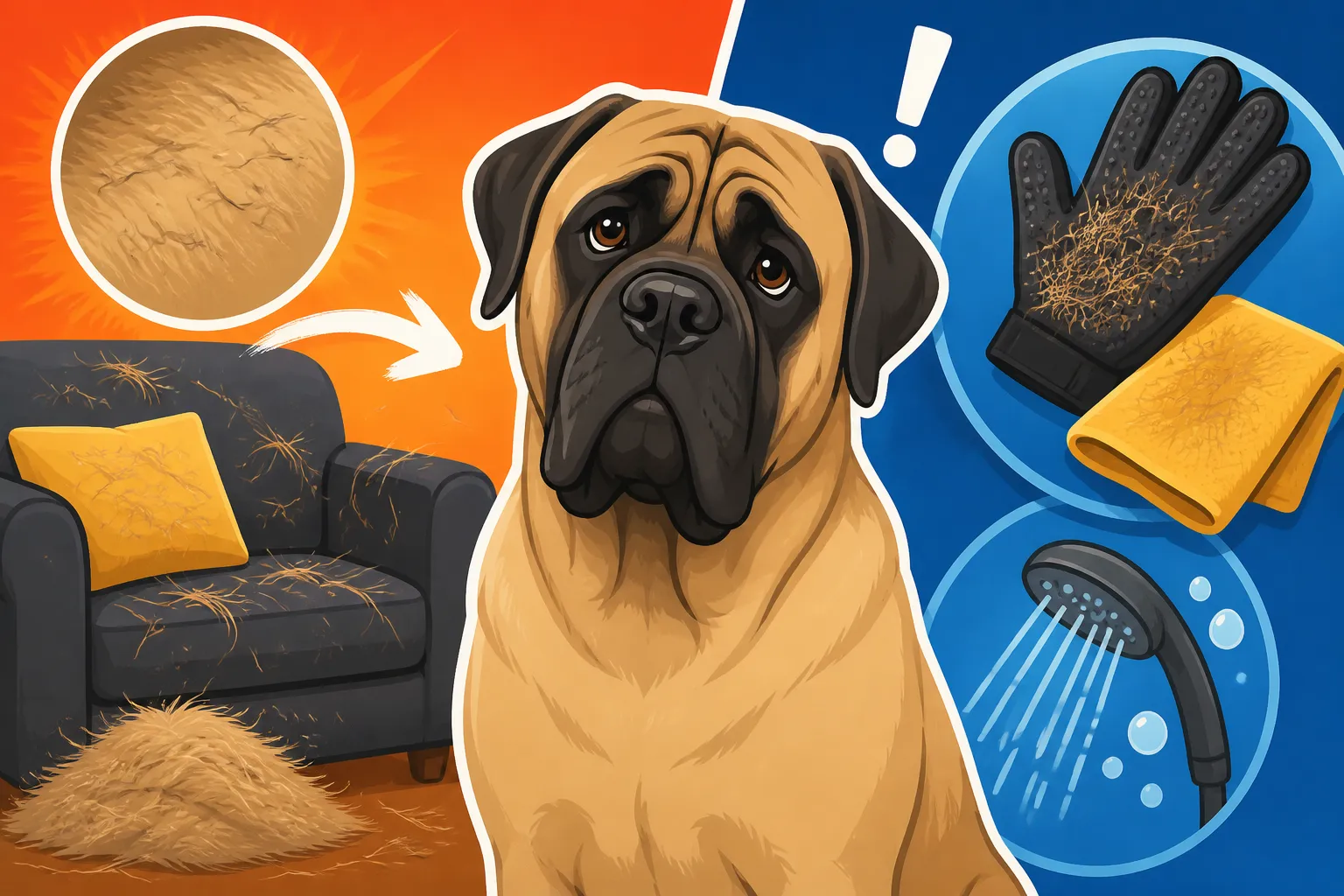
Why a Mastiff’s Short Coat Is Not Low Maintenance
When you first look at a Mastiff, with that beautifully short, dense coat, it's easy to fall into the trap of thinking, "Oh, this will be so low maintenance!" We've all been there, admiring their majestic presence and assuming that without long, flowing locks, grooming must be a breeze. But let me tell you, as a veteran Mastiff owner and enthusiast, that short coat hides a world of specific care needs that can catch even experienced dog owners by surprise. This guide is here to unravel the truth about keeping that magnificent Mastiff coat healthy, clean, and managed, dispelling the myth of its "easy" nature.
The Misconception of the Short Coat
It’s almost a universal truth in the dog world: short hair equals less work, right? Many people, when considering a Mastiff, picture quick brushes, minimal shedding, and certainly no elaborate trimming or dematting sessions like you'd find with a Newfoundland or an Old English Sheepdog. Their coat lies flat, it looks sleek, and it certainly doesn't appear to be a tangled mess waiting to happen. This initial impression is often where the biggest surprise lies for new Mastiff owners.
Why Short Hair Seems Easy
The simplicity of a Mastiff's coat, visually speaking, is incredibly deceptive. It's not woolly, it's not corded, and it doesn't have feathering that catches burrs and debris from every outdoor excursion. You don't need expensive grooming appointments for a Mastiff, nor do you typically spend hours with a hairdryer after a bath. This apparent lack of demanding style requirements leads many to believe that a quick once-over with a brush is all that’s ever needed. It’s this surface-level assessment that sets up owners for a rude awakening when the reality of Mastiff hair takes over their home.
The Dense Undercoat Surprise
What many don't realize until they've lived with a Mastiff for a while is the presence of a surprisingly dense undercoat. While the outer guard hairs are short and coarse, providing protection from the elements, underneath lies a softer, thicker layer designed for insulation. This undercoat is often what contributes to the sheer volume of hair shed. It's not just a few stray hairs; it's a constant, never-ending snowfall of tiny, stiff hairs that weave themselves into carpets, upholstery, and every piece of clothing you own. It's the kind of hair that doesn't just sit on the surface, it truly embeds itself. This undercoat is a major factor in Why a Mastiff's Short Coat Is Not Low Maintenance.
Beyond Shedding: Unique Mastiff Challenges
Beyond the relentless shedding, the Mastiff's short coat comes with other unique challenges directly tied to their breed-specific anatomy. Their magnificent, wrinkled faces, for instance, aren't just for show; those folds require meticulous care to prevent skin infections. Their sheer size means that simple tasks like bathing or thorough brushing become major logistical operations. What might be a five-minute job for a smaller, short-coated breed can easily turn into a half-hour workout for a Mastiff owner. It’s not just about the hair itself, but about managing the dog with the hair.
Shedding: A Daily Reality
Let's be brutally honest: Mastiffs shed. A lot. Anyone who tells you otherwise probably hasn't owned one, or they've mastered the art of selective memory. This isn't a seasonal annoyance; it's a year-round phenomenon, a continuous offering of dog hair to your home and wardrobe. It's a fundamental truth of living with these gentle giants.
The Constant Ebb and Flow of Hair
Mastiffs, despite their short coats, are constant shedders. Their hair follicles are always in a cycle of growth, rest, and shedding. This means you’ll find hair everywhere, all the time. It adheres to everything – your dark clothes, your light clothes, your sofa, your car seats. It’s like glitter, once it's there, it's virtually impossible to completely eradicate. I've found Mastiff hairs in my breakfast cereal, in my purse, and even sometimes tucked into my hair tie. It's a small price to pay for their incredible companionship, but it's a price nonetheless.
This constant shedding requires a proactive approach. Daily brushing is not just recommended; it's almost essential if you want to keep the hair in your home from reaching truly overwhelming levels. Regular vacuuming, often daily, becomes part of the routine, and lint rollers become as indispensable as your car keys. Many owners invest in robotic vacuums or powerful pet-specific vacuums to keep up with the steady deluge. It's a never-ending battle, but one that can be managed with consistent effort.
Managing Household Hair: Tools and Routines
To effectively manage the hair, you'll need the right tools. A good quality deshedding tool, like those offered by Furminator or under the Chewy house brand, can work wonders. While it might seem counterintuitive for a short-coated dog, these tools are designed to reach through the outer guard hairs and pull out the loose undercoat before it can settle onto your furniture. Regular brushing, even if it's just 10-15 minutes a day, will make a significant difference in the amount of ambient hair in your home.
Beyond brushing, consider your cleaning routine. Hardwood floors are often easier to sweep or vacuum than carpet, but even they will collect impressive dust bunnies made entirely of Mastiff fluff. For carpets, a vacuum with strong suction and a good brush roll designed for pet hair is invaluable. Fabric furniture can benefit from sticky lint rollers or specialized pet hair removal brushes. It's about establishing a consistent routine, rather than tackling a massive problem once a week. Think of it as preventative maintenance for your sanity and your home's cleanliness.
Seasonal "Blows": When Shedding Intensifies
While Mastiffs shed year-round, there are definitely periods when the shedding intensifies, commonly known as "blowing coat." This usually happens twice a year, in spring and fall, as their bodies adjust to the changing temperatures. In spring, they shed their thicker winter undercoat to prepare for warmer weather, and in fall, they shed their lighter summer coat to grow in a denser one for winter. During these times, the volume of hair can feel absolutely astronomical.
During a seasonal blow, you might feel like you're brushing enough hair off your Mastiff to create a second, smaller Mastiff. This is when daily, thorough deshedding sessions become critical. It’s also a time when you might want to consider professional grooming for a deep deshedding treatment if you have access to a groomer with equipment large enough to handle a Mastiff. These professional tools can extract an incredible amount of loose hair, providing some temporary relief from the furry onslaught. Remember that even with diligent care, you'll still find some hair. It's just the Mastiff way.
Skin Folds and Wrinkles: Hidden Maintenance
The Mastiff’s iconic face, with its deep wrinkles and impressive jowls, is undeniably charming. These features are a hallmark of the breed, contributing to their wise and noble appearance. However, what looks distinguished on the outside often requires diligent, hidden maintenance to prevent health issues. These skin folds, particularly around the face, neck, and sometimes even the tail base, create warm, moist environments where bacteria and yeast can thrive, leading to painful infections if not properly cared for. The Wrinkles and Folds a Mastiff Owner Cleans Every Week is a crucial part of owning this breed.
Anatomy of a Mastiff's Folds
Let's talk about those magnificent folds. A Mastiff typically has prominent wrinkles on their forehead, around their eyes, and especially their jowls and lips. Some Mastiffs also have skin folds around their neck and occasionally at the base of their tail. These folds, while visually appealing, are essentially skin-on-skin contact points. Think about how easily skin can get irritated when it's constantly rubbed together and exposed to moisture. Now imagine that on a much larger scale, with a dog who is prone to drooling and getting food trapped in those areas.
The skin within these folds is delicate and prone to inflammation. When moisture (from drool, water, or even tears) gets trapped, it creates a perfect breeding ground for bacteria and yeast. This can quickly escalate from a minor irritation to a full-blown infection, which is not only uncomfortable and painful for your Mastiff but can also produce a foul odor. It's a silent problem until it's not, and by then, you're usually dealing with a trip to the vet.
Daily Cleaning: A Non-Negotiable Task
Because of the potential for infection, daily cleaning of your Mastiff’s folds is not just a good idea; it's absolutely essential. This isn't just a quick wipe; it's a thorough, gentle cleaning to remove any trapped moisture, food debris, or environmental irritants. You'll need soft cloths, cotton pads, or specialized dog wipes. I prefer unscented baby wipes or specific pet-friendly fold wipes that you can often find on Amazon or Chewy.
To clean, gently pull back the folds, exposing the skin underneath. Wipe thoroughly but gently, making sure to get into all the crevices. After cleaning, it’s vital to ensure the area is completely dry. You can use a clean, dry cloth or even a cool setting on a hairdryer (held at a distance) to ensure no moisture remains. Leaving any dampness will counteract your cleaning efforts and potentially encourage the growth of bacteria or yeast. This routine might sound tedious, but it's far less complicated and costly than treating an infection.
Signs of Infection and Preventative Care
Knowing the signs of a fold infection is crucial. Look for redness, inflammation, a strong unpleasant odor, discharge (which might be clear, yellow, or greenish), and any signs of discomfort or itching in your Mastiff. Your dog might paw at their face, rub against furniture, or resist having their folds touched if an infection is brewing. If you notice any of these symptoms, it's time for a vet visit. Early intervention can prevent a minor issue from becoming a severe problem requiring antibiotics or antifungals.
Beyond daily cleaning, good preventative care also involves considering your Mastiff’s overall hygiene. Keeping their face clean after meals, especially if they are messy eaters, is important. Some owners also use a very thin layer of medicated powder or specific skin fold balms, always under veterinary guidance, to help keep the areas dry and protected. Regular check-ups with your vet can also help you stay on top of any potential skin issues before they become serious.
Bathing a Giant: More Than Just Soap and Water
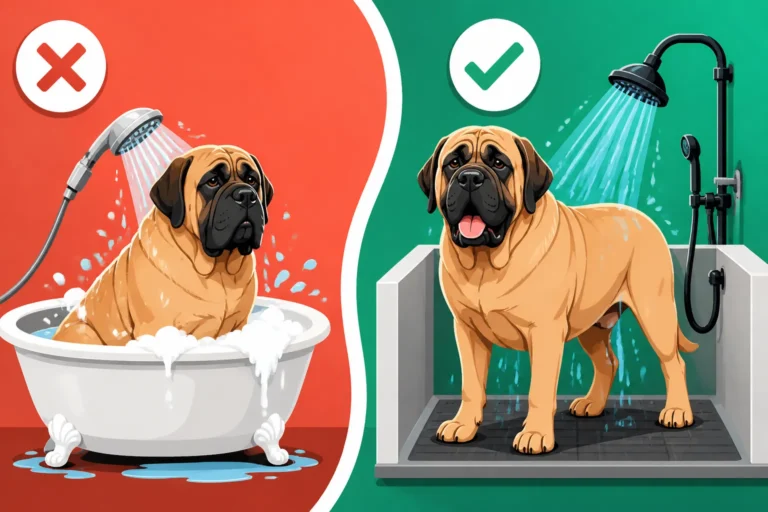
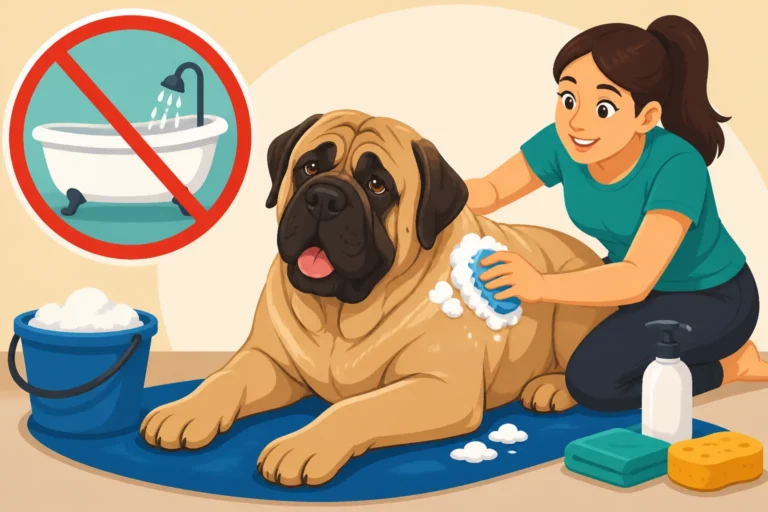
Bathing a Mastiff is not for the faint of heart, or for those with small bathrooms. Their sheer size and weight transform what might be a simple splash for a smaller dog into a full-scale logistical operation. It’s definitely more involved than just grabbing a bottle of shampoo and hosing them down. Bathing a Mastiff You Cannot Lift Into a Tub is a very real challenge.
The Logistical Challenge of Bathing a Mastiff
Let's face it: a Mastiff isn't fitting into your kitchen sink, and most standard bathtubs struggle to contain their bulk (and certainly don't offer much room for you to maneuver around them). This is where many Mastiff owners realize that a dedicated washing station or a creative approach is needed. Some turn to professional groomers who have large, walk-in tubs with ramps and powerful dryers. Others utilize walk-in showers with detachable sprayers, or, weather permitting, bathe their Mastiffs outdoors with a hose.
The challenge isn't just getting them in the washing area, but keeping them there and ensuring they're safe. A slippery floor can be dangerous for a heavy dog, so anti-slip mats are a must. You'll also need ample space to move around your dog to ensure every inch of their massive body gets properly washed. This isn't a quick task; plan for it to take a significant chunk of time, especially if your Mastiff isn't thrilled about bath time.
Choosing the Right Products for Their Skin
With great size comes great skin. Mastiffs can be prone to sensitive skin, so choosing the right shampoo and conditioner is paramount. Avoid harsh chemicals, strong fragrances, or anything that could strip their natural oils and cause irritation. Look for gentle, pH-balanced formulas specifically designed for dogs. Oatmeal-based shampoos are often a good choice for sensitive skin, and many brands like Earthbath or Vet's Best offer excellent options available at places like Chewy.
After shampooing, a good rinse is critical. Any residue left behind can cause itching and skin irritation. Because their coat is so dense, even though it's short, it can hold onto shampoo surprisingly well. Rinse, rinse, and then rinse again, making sure the water runs clear from every part of their body. A quality conditioner can also help maintain skin moisture and coat health, making the coat smoother and potentially reducing shedding. Always consider your Mastiff's individual skin needs; if they have allergies or specific skin conditions, your vet might recommend a medicated shampoo.
Drying Dilemmas: Preventing Skin Issues
Just as important as washing is drying. Because of their dense coat and deep body folds (like those under their armpits or around their neck), leaving a Mastiff damp can quickly lead to skin infections, yeast overgrowth, or hot spots. Air-drying might sound easy, but for a Mastiff, it can take hours, and often leaves moisture trapped in those problematic areas.
Towels are a start, and you'll need many of them. Super absorbent microfiber towels can help significantly. For a more thorough dry, a high-velocity pet dryer is a game-changer. These dryers blow air at a strong force, pushing water out of the coat without using excessive heat, which can irritate skin. If you don't have a professional-grade dryer, a regular human hairdryer on a cool or low-heat setting, held at a safe distance, can work. The goal is to get your Mastiff as dry as possible, paying special attention to those folds and areas where skin touches skin. This meticulous drying process is key to preventing skin issues.
Seasonal Challenges and Coat Health
The environment plays a significant role in the health and appearance of your Mastiff’s coat. Just like our skin and hair react to changes in weather, so too does a Mastiff's. Understanding these seasonal challenges and adjusting your care routine accordingly can prevent a host of problems, keeping their coat healthy and comfortable year-round.
Summer Heat and Skin Irritation
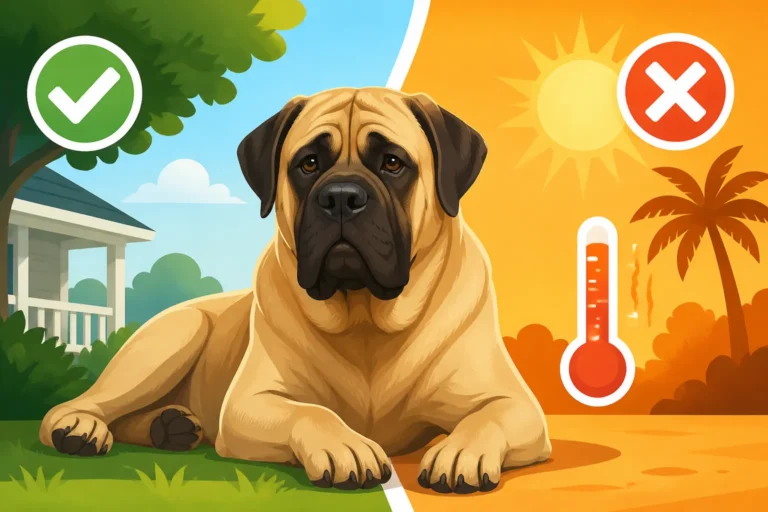
Summer brings heat, humidity, and often more outdoor activity. For a Mastiff, especially one with deep wrinkles, these conditions can be a recipe for disaster. Increased humidity can exacerbate moisture trapped in skin folds, leading to a higher risk of bacterial or yeast infections. Heat can also cause general skin irritation, making already sensitive areas more prone to discomfort. Additionally, some Mastiffs can develop "summer rash" or hot spots if their skin isn't kept clean and dry.
During warmer months, extra vigilance is needed. Increase the frequency of fold cleaning, perhaps even wiping them down twice a day if your Mastiff is particularly drooly or active outdoors. After any water play or swimming (which can be a challenge in itself for a Mastiff), ensure your dog is thoroughly dried, especially in those hard-to-reach areas. Consider lightweight, breathable bedding, and ensure your Mastiff has plenty of access to shade and cool surfaces. [Keeping a Mastiff's Skin Folds Clean] is essential to prevent these summer-related issues.
Winter Dryness and Coat Dullness
Conversely, winter presents its own set of challenges. Cold, dry air, especially when combined with indoor heating, can strip moisture from your Mastiff's skin and coat. This can lead to dry, flaky skin, increased itching, and a dull, lackluster coat. Static electricity can also become an issue, making brushing more difficult and potentially uncomfortable for your dog.
To combat winter dryness, you might need to adjust your bathing schedule. While regular bathing is important, over-bathing in dry conditions can worsen skin dryness. Consider using moisturizing shampoos and conditioners, and supplementing with a leave-in conditioner or a hydrating spray. Adding omega-3 and omega-6 fatty acids to their diet, which we'll discuss later, can also greatly improve skin hydration and coat health from the inside out. Regularly brushing helps distribute natural oils, providing some protection against the dry air.
Allergies: Environmental and Food-Related Impacts
Allergies, whether environmental or food-related, can manifest significantly through a Mastiff’s skin and coat. Environmental allergens like pollen, dust mites, or mold can cause itchy skin, redness, and excessive scratching or licking, leading to secondary infections. Food allergies or sensitivities can also trigger skin reactions, often presenting as chronic ear infections, paw licking, or generalized itchiness. Identifying and managing these allergies is critical for coat health.
If you suspect allergies, a trip to the vet is in order. They can help pinpoint the cause through elimination diets or allergy testing. For environmental allergies, your vet might recommend antihistamines, medicated shampoos, or even allergy shots. For food allergies, a diet change is usually necessary. Brands like Ollie or specialized veterinary diets often offer formulations designed for sensitive dogs. Even when managed, allergies can require consistent effort to keep your Mastiff comfortable and their coat looking its best.
Beyond the Brush: Nutritional Impact on Coat
You can brush, bathe, and clean folds all you want, but if your Mastiff's diet isn't up to par, their coat will reflect it. Nutrition plays an incredibly foundational role in the health and luster of a dog's skin and coat. A shiny, healthy coat isn't just about aesthetics; it's a strong indicator of overall well-being. What a Mastiff Needs Every Day includes proper nutrition.
The Crucial Role of Diet in Skin and Coat Health
Think of your Mastiff's coat as an outward projection of their internal health. A diet lacking essential nutrients, healthy fats, or proper protein can lead to a dull, dry, brittle coat, excessive shedding, and even skin problems like flakiness or increased susceptibility to infections. High-quality protein is vital for hair growth, as hair is primarily made of protein. Essential fatty acids, particularly omega-3s and omega-6s, are crucial for maintaining skin barrier function and reducing inflammation, leading to a softer, shinier coat.
Choosing a high-quality dog food specifically formulated for large breeds or adult dogs (depending on their age) is the first step. Look for ingredients like real meat as the first ingredient, and healthy fat sources. Some owners also explore fresh dog food options, such as those offered by Ollie, as they can provide highly digestible nutrients that might contribute to superior skin and coat health. The goal is to provide a balanced diet that supports every aspect of your Mastiff's health, from their massive bones to their luxurious (yet demanding) coat.
Supplements for a Lustrous Coat
Even with a good diet, some Mastiffs benefit from targeted supplements to boost their skin and coat health. Omega fatty acid supplements are probably the most common and effective. Fish oil, rich in EPA and DHA, can significantly reduce inflammation, alleviate dry, itchy skin, and promote a glossy coat. You can find many reputable fish oil supplements at pet supply stores or online marketplaces like Amazon or Chewy. Always choose a product specifically for dogs and follow dosing instructions based on your Mastiff's lean weight.
Other supplements that might be beneficial include biotin, zinc, and vitamin E, all of which play roles in skin and hair health. Biotin can help strengthen hair and nails, while zinc is crucial for skin repair and immune function. Vitamin E is an antioxidant that can protect skin cells from damage. Before adding any supplements to your Mastiff's regimen, it’s always best to consult with your veterinarian. They can help you determine the appropriate type and dosage based on your dog's individual needs and health status.
Hydration: The Forgotten Ingredient
It's easy to overlook, but adequate hydration is just as important for coat health as diet and supplements. Water is essential for every bodily function, including maintaining skin elasticity and hair follicle health. A dehydrated dog's skin can become dry and flaky, and their coat can lose its natural shine and become brittle. Given a Mastiff’s sheer size, they require a substantial amount of fresh water throughout the day.
Ensure your Mastiff always has access to fresh, clean water. Using large, heavy bowls that are difficult to tip over is a good idea. If your Mastiff is a particularly messy drinker (and many are, thanks to those jowls!), consider using a "no-spill" or fountain-style water bowl to encourage more frequent drinking and keep the area cleaner. Some owners also add a splash of water or low-sodium broth to their dog's kibble to increase fluid intake, especially if their Mastiff isn't a huge drinker. A well-hydrated Mastiff will not only have better skin and coat but will also generally be healthier and more comfortable.
Addressing Common Coat and Skin Issues
Despite your best efforts, Mastiffs can still face a variety of common coat and skin issues. Their unique anatomy, combined with their sheer size, sometimes predisposes them to certain problems. Knowing what to look for and how to address these issues promptly can save your Mastiff discomfort and you a lot of worry (and potentially, vet bills).
Hot Spots and Irritated Skin
Hot spots, or acute moist dermatitis, are intensely itchy, red, inflamed, and often oozing lesions that appear suddenly on a dog’s skin. They are typically caused by self-trauma – a Mastiff obsessively licking, chewing, or scratching an area due to an underlying irritation like an insect bite, an allergy, or trapped moisture. Given their dense fur and propensity for skin folds, Mastiffs are quite susceptible to these. Once a hot spot starts, it can grow alarmingly quickly.
Treatment often involves clipping the hair around the lesion to allow air to reach it, gently cleaning the area with an antiseptic, and applying a topical medication prescribed by your vet. In severe cases, oral antibiotics or anti-inflammatories might be necessary. Preventing hot spots involves identifying and addressing the initial irritation, meticulous drying after baths or swims, diligent fold cleaning, and effective flea/tick prevention. If your Mastiff starts persistently licking a spot, check it immediately – early intervention is key.
Allergies: Identifying and Managing Triggers
As mentioned earlier, allergies are a frequent cause of skin and coat problems in Mastiffs. These can be environmental (atopy), food-related, or contact allergies. Symptoms often include generalized itchiness, redness, recurrent ear infections, paw licking, and sometimes even gastrointestinal upset. Untreated allergies can lead to chronic skin inflammation, secondary bacterial or yeast infections, and a very unhappy Mastiff.
Diagnosing allergies often requires a multi-faceted approach from your vet, including a thorough history, physical exam, and potentially elimination diets or allergy testing. Managing them involves avoiding triggers where possible (e.g., specific foods), environmental controls (e.g., frequent vacuuming for dust mites), and medications to control symptoms. These might include antihistamines, steroids, or newer immunomodulatory drugs. Consistent communication with your vet and a proactive approach are crucial to keeping allergy-prone Mastiffs comfortable and their coats healthy.
Parasites: Prevention and Treatment
Parasites, particularly fleas, ticks, and mites, can wreak havoc on a Mastiff's skin and coat. A single flea bite can trigger intense itching in a sensitive dog, leading to a flea allergy dermatitis that causes widespread discomfort and secondary skin infections. Ticks can transmit diseases, and mites can cause conditions like sarcoptic or demodectic mange, leading to hair loss, severe itching, and thickened skin.
Regular, year-round parasite prevention is non-negotiable for a Mastiff. There are many effective options available, including oral medications, topical treatments, and collars. Discuss the best preventative strategy with your veterinarian, taking into account your local parasite prevalence and your Mastiff’s lifestyle. If you suspect your Mastiff has fleas, ticks, or mites, seek vet attention promptly. Timely diagnosis and treatment are essential to alleviate discomfort and prevent further complications.
| Mastiff Coat Care Aspect | Low Maintenance Expectation | Realistic Mastiff Maintenance | Recommended Tools/Products |
|---|---|---|---|
| Shedding | Minimal, occasional | Constant, heavy year-round, intense seasonally | Deshedding tool (Furminator), high-quality vacuum, lint rollers, rubber curry brush |
| Wrinkle/Fold Care | Unnecessary, self-cleaning | Daily thorough cleaning, drying, vigilance for infection | Unscented pet wipes, soft cloths, medicated balms (vet-approved) |
| Bathing | Quick rinse, easy drying | Major logistical event, large tub/shower, meticulous drying | Gentle shampoo/conditioner, high-velocity dryer, absorbent towels, non-slip mats |
| Skin Sensitivity | Robust, rarely an issue | Prone to dryness, irritation, allergies, hot spots | Hypoallergenic products, omega fatty acid supplements, vet-prescribed medications |
| Nutrition | Any kibble is fine | High-quality diet crucial for skin/coat health | Premium large breed dog food, fish oil supplements, fresh food (e.g., Ollie) |
Disclaimer
This article is for general informational purposes only and does not constitute professional advice. Laws, prices and regulations vary by location and change over time. Consult a qualified professional for guidance on your specific situation.