Whether a Mastiff Needs Eyelid Surgery
It’s disheartening to watch your beloved Mastiff struggle with uncomfortable eye issues, from constant tearing to eyelids that seem to bother them daily. These aren't just cosmetic quirks; they can lead to chronic pain, infections, and even vision impairment, causing immense worry for any dedicated owner. This comprehensive guide is here to shed light on common Mastiff eyelid conditions and thoroughly explore whether eyelid surgery is a necessary and beneficial solution for your giant companion.
Understanding Common Mastiff Eyelid Conditions
Mastiffs, with their distinctive noble heads and often generous facial folds, are unfortunately prone to several specific eyelid conditions. These aren't just minor annoyances; they can seriously impact your dog's comfort, vision, and overall quality of life. Owners often feel a pang of guilt or frustration when they see their Mastiff squinting or rubbing their eyes, wondering what could be done.
Entropion and Ectropion: The Inward and Outward Roll
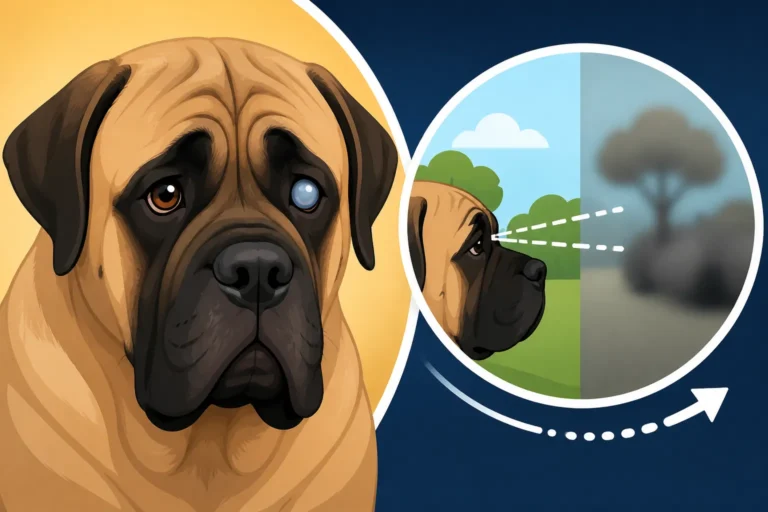
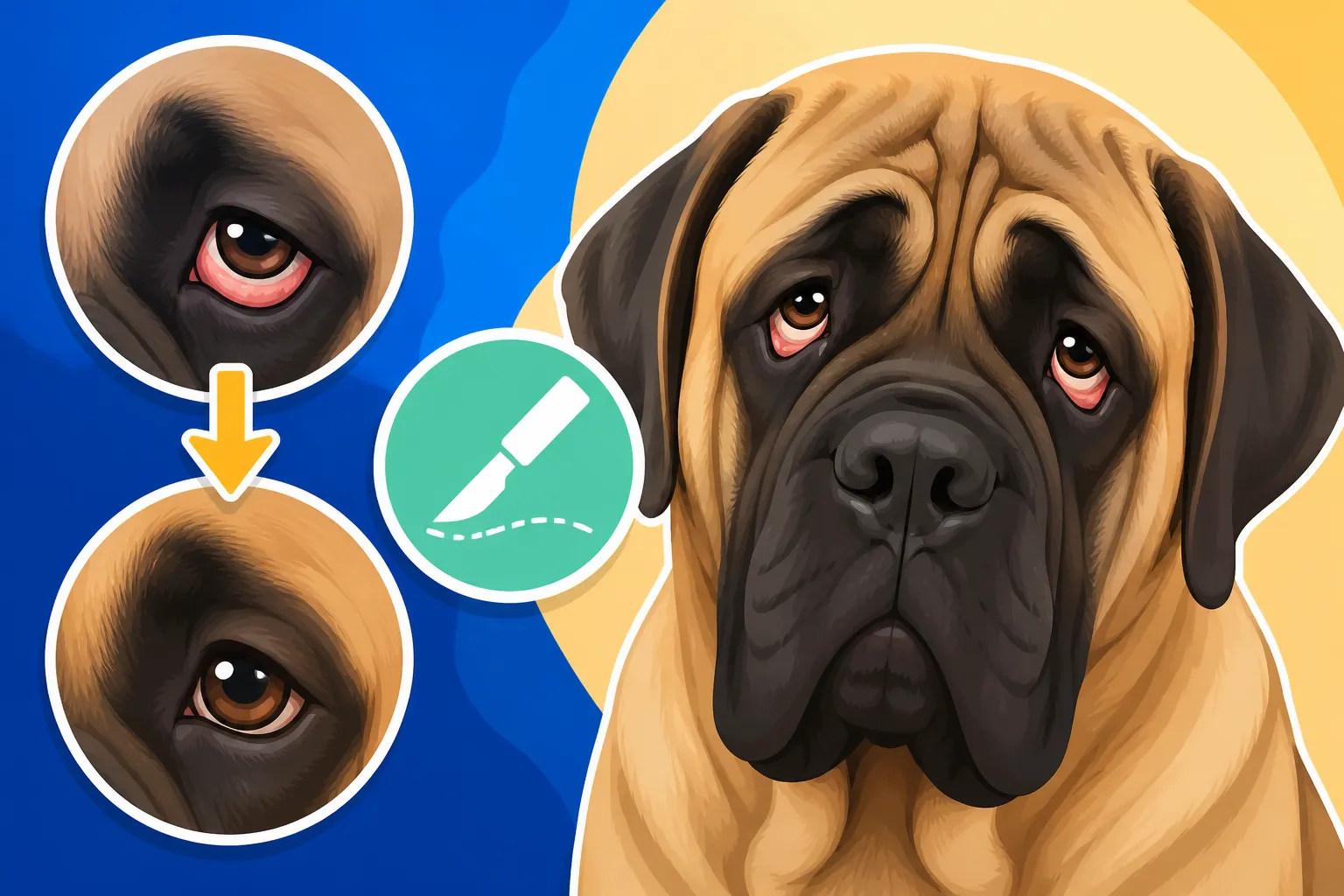
Perhaps the most recognized eyelid issues in Mastiffs are entropion and ectropion, conditions that affect the way the eyelid sits against the eyeball. With entropion, the eyelid rolls inward, causing the eyelashes and skin to rub directly against the cornea. Imagine having a constant irritant in your eye – that's what your Mastiff experiences. This constant friction can lead to painful corneal ulcers, chronic inflammation, and scarring, potentially impairing vision over time. It’s not just a minor irritation; it's a source of genuine suffering. You might notice your Mastiff blinking excessively, holding an eye partially closed, or having noticeable discharge.
Conversely, ectropion is when the eyelid rolls outward, exposing the delicate conjunctiva (the pink lining of the eyelid) and sometimes even the lower part of the eyeball itself. This "droopy eye" look, while often considered characteristic of some Mastiff lines, leaves the eye vulnerable to environmental irritants like dust, dirt, and wind. It also makes the eye more susceptible to bacterial infections and chronic dry eye because tears don't spread properly. While it might look less immediately painful than entropion, the long-term consequences of exposure and dryness can be just as debilitating. Many Mastiffs with ectropion also experience constant tearing, as their tear ducts struggle to cope with the exposed surface, leading to tear staining around the eyes, which is messy and can cause skin irritation. If you're seeing signs like these, it's worth a trip to the vet to discuss the full spectrum of Eye and Eyelid Disease in a Mastiff.
Cherry Eye and Other Eyelid Anomalies
Beyond the inward and outward rolling of the eyelids, Mastiffs can also suffer from other conditions. "Cherry eye," medically known as nictitans gland prolapse, occurs when the gland of the third eyelid (a protective membrane in the inner corner of the eye) pops out of its normal position and appears as a red, swollen mass. It looks exactly like a small cherry in the corner of your Mastiff's eye, which can be quite alarming to owners. This prolapsed gland is not only unsightly but also highly irritating and can disrupt tear production, leading to dry eye. It's crucial to address it promptly, not just for aesthetics but for the long-term health of the tear gland.
Additionally, Mastiffs can experience issues like distichiasis, where extra eyelashes grow from abnormal locations on the eyelid margin, often rubbing against the cornea. Another is ectopic cilia, where a single eyelash grows through the conjunctiva and irritates the eye. While seemingly minor, even a single errant lash can cause significant pain and corneal damage. These subtle issues highlight why it's so important to have a vet thoroughly examine your Mastiff's eyes if you suspect any discomfort. Understanding Whether a Mastiff's Eyelids Roll In or Out is just one piece of the puzzle; there's a lot more to look for.
Recognizing When Eyelid Surgery Might Be Necessary
Deciding on surgery for your gentle giant is a big deal, and it's completely natural to feel overwhelmed by the prospect. After all, nobody wants their dog to go under the knife unnecessarily. However, for certain eyelid conditions in Mastiffs, surgery isn't just an option; it's often the most effective, and sometimes the only, way to alleviate suffering and prevent irreversible damage.
Assessing the Severity and Impact on Quality of Life
The first step in determining if surgery is needed is a thorough assessment by your veterinarian, ideally one with ophthalmology experience. They will evaluate the severity of the condition. Is it mild entropion that only causes occasional irritation, or is it severe, leading to chronic corneal ulcers? Is the ectropion causing constant infections or just minor weeping? The impact on your Mastiff's quality of life is paramount. Is your dog constantly pawing at their eyes, squinting, or showing signs of pain like lethargy or loss of appetite? Are there frequent trips to the vet for antibiotic eye drops due to recurring infections? These are clear indicators that the problem is more than just cosmetic and is actively diminishing their comfort.
A vet will use specialized tools to examine the eye, checking for corneal abrasions, ulcers, or other damage caused by the eyelid issue. They might also perform a Schirmer tear test to check for dry eye, especially with ectropion or prolapsed third eyelid glands. If your Mastiff is experiencing severe pain, frequent infections, or has signs of corneal damage, waiting to see if it improves often leads to worse outcomes. In these cases, the discomfort is real, and proactive intervention is compassionate. This is a common discussion point for owners concerned about their Mastiff constantly tearing up, as explored in Whether a Mastiff's Eyes Water Constantly.
When Medical Management Isn't Enough
For very mild cases, your vet might initially suggest medical management. This could involve lubricating eye drops, antibiotic ointments to address secondary infections, or anti-inflammatory medications. These treatments aim to soothe the irritation and prevent complications, but they rarely correct the underlying anatomical problem. For example, eye drops can't "fix" an eyelid that consistently rolls inward. They can only provide temporary relief.
If, despite consistent medical management, your Mastiff's symptoms persist, worsen, or recur frequently, it’s a strong signal that surgery is warranted. Continuing with only medical management in such scenarios often means subjecting your dog to ongoing discomfort and the risk of more serious, long-term damage, including permanent vision loss. Surgery, in these instances, becomes a long-term solution rather than a temporary fix. It addresses the root cause, providing lasting relief and protecting your Mastiff's vision for the years to come. This is especially true for conditions like cherry eye, where the gland needs to be tucked back into place; medical management alone is almost never successful for a permanent solution.
The Surgical Process and Post-Operative Care
Once the decision for surgery has been made, understanding what to expect can help ease your mind. It's a significant undertaking for any dog, especially a giant breed like a Mastiff, but with proper care, the outcome is usually very positive.
Types of Eyelid Surgery for Mastiffs
The specific surgical technique used will depend entirely on the type and severity of the eyelid condition.
- For Entropion: The most common procedure is called a Hotz-Celsus technique or a variation thereof. This involves carefully removing a small, crescent-shaped piece of skin and muscle from the eyelid to create tension that pulls the eyelid margin outward, away from the eye. The incision is tiny, and the sutures are usually very fine. The goal is to evert the eyelid just enough so that it no longer rubs the cornea. Sometimes, a second, less invasive procedure might be needed if the initial correction isn't quite enough, but often, one surgery is sufficient.
- For Ectropion: Surgical correction for ectropion often involves techniques to shorten the eyelid, such as removing a V-shaped wedge of tissue from the outer eyelid margin and then suturing it together. This pulls the eyelid tighter against the eyeball, reducing the droopy appearance and preventing exposure. For more severe cases, techniques like the "pocket technique" or canthoplasty might be employed to reconstruct the eyelid margin.
- For Cherry Eye: The preferred surgical method for cherry eye is to reposition the prolapsed gland back into its normal anatomical pocket behind the third eyelid. This is often called the "pocket technique" or "orbital rim tacking." It’s crucial to preserve the gland if possible, as it produces a significant portion of the eye's tears. Simply removing the gland can lead to severe and chronic dry eye later in life, which requires lifelong management, as discussed in Whether a Mastiff Gets Dry Eye.
Anesthesia, Risks, and Recovery
Any surgery involving anesthesia carries inherent risks, and for a large breed like a Mastiff, these considerations are amplified. Their sheer size means higher doses of anesthetic, and giant breeds can metabolize drugs differently. Your vet will conduct thorough pre-anesthetic bloodwork and a physical exam to ensure your Mastiff is as healthy as possible before surgery. It's also important to understand Why Anesthesia Is Riskier in a Mastiff and for your vet to have protocols in place for giant breed patients. Modern veterinary anesthesia is very safe, but being informed helps.
Post-operatively, your Mastiff will likely come home with an Elizabethan collar (the "cone of shame") to prevent them from rubbing or scratching at the surgical site. This is non-negotiable, as interfering with the stitches can lead to infection or undo the surgical repair. You'll be given pain medication and often antibiotic eye drops or ointments to apply for several days or weeks. Rest is crucial during recovery; no rough play or strenuous exercise. Monitoring the incision site for redness, swelling, or discharge is important, and you'll have follow-up appointments for suture removal (if non-dissolvable) and to assess healing. The full recovery period typically ranges from 2-4 weeks.
The cost of eyelid surgery can vary significantly depending on the region, the specific condition, and whether a general practitioner or a board-certified veterinary ophthalmologist performs the procedure. On average, you might expect costs to range from $800 to $3,000 per eye. This is a substantial investment, and many owners find relief in pet insurance plans, like those offered by Healthy Paws, which can help mitigate the financial impact of unexpected surgical needs. While you might wonder What Eyelid Surgery Costs on a Mastiff, the long-term comfort and health of your dog are often priceless. It's a similar financial consideration to understanding Whether Pet Insurance Covers a Mastiff's Elbows – knowing you have support for major health events can be a game-changer.
Eyelid Surgery Comparison Table
| Condition | Description | Typical Surgical Approach | Recovery Time (Approx.) | Potential Complications |
|---|---|---|---|---|
| Entropion | Eyelid rolls inward, causing hair/lashes to rub the cornea. | Hotz-Celsus (removing skin wedge) | 2-4 weeks | Over-correction (ectropion), under-correction (recurrence) |
| Ectropion | Eyelid rolls outward, exposing conjunctiva; prone to dryness/infection. | Wedge resection, K-canthoplasty (tightening/shortening eyelid) | 2-4 weeks | Under-correction (persistence), slight cosmetic change |
| Cherry Eye | Gland of the third eyelid prolapses, appearing as a red mass. | Pocket technique, orbital rim tacking (repositioning the gland) | 2-3 weeks | Recurrence, infection, dry eye (if gland removed) |
| Distichiasis/Ectopic Cilia | Abnormal eyelashes growing from or through the eyelid, irritating eye. | Cryosurgery, electrocautery, surgical excision (removing the follicle) | 1-2 weeks | Recurrence, scarring, eyelid notching |
Long-Term Management and Prevention of Eyelid Issues
While surgery offers a solution for many Mastiff eyelid problems, it's essential to consider the broader picture of long-term care and potential preventative strategies, especially given the breed's predisposition.
Post-Surgical Care and Monitoring
After a successful surgery, your Mastiff will likely experience significant relief. However, ongoing monitoring is still important. Regular vet check-ups, even if just routine, allow your veterinarian to assess the long-term success of the surgery and catch any new issues early. For instance, sometimes with entropion repair, a slight adjustment or a second, minor procedure may be necessary months later if the eyelid position isn't perfect or if the condition recurs. It's not common, but it can happen, especially if the dog grows significantly after surgery. For those with a history of severe ectropion, ensuring the eyes remain well-hydrated, particularly in dry or dusty environments, might still be a good habit.
If your Mastiff had cherry eye surgery, continue to monitor for any signs of recurrence, although successful procedures typically prevent this. Should the gland have been removed (which is generally discouraged), vigilant management for dry eye (Keratoconjunctivitis Sicca or KCS) would be a lifelong commitment, involving daily eye drops. This type of dedication is part of Caring for a Mastiff Past Five, ensuring their comfort throughout their later years. Knowing that Healthy Paws, or similar pet insurance providers, can cover follow-up care for certain conditions can provide peace of mind in these situations.
Breeding Considerations and Genetic Predisposition
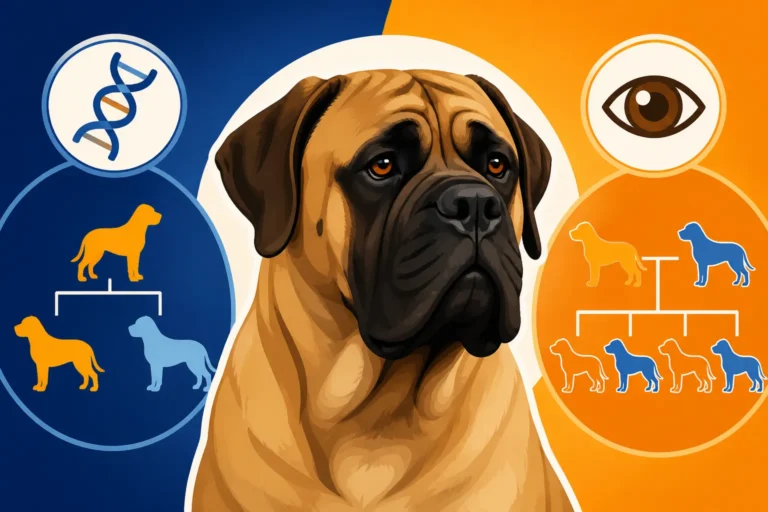
Many Mastiff eyelid conditions, particularly entropion and ectropion, have a strong genetic component. This means that they can be passed down from parent to puppy. Responsible Mastiff breeders are acutely aware of this and strive to select breeding stock that is free from these inheritable conditions. If you're considering getting a Mastiff puppy, always ask the breeder about the eye health of the parents and their lineage. Reputable breeders should be transparent about any eye conditions that have occurred in their lines and often have their dogs screened by a veterinary ophthalmologist and certified by organizations like the Orthopedic Foundation for Animals (OFA) Eye Certification Registry (CAER).
Avoiding breeding dogs with severe or recurring eyelid issues is a critical step in reducing the prevalence of these problems within the Mastiff breed. While environmental factors can sometimes exacerbate conditions, the underlying genetic predisposition is a major driver. By supporting breeders who prioritize health and genetic screening, you contribute to a healthier future for Mastiffs and help reduce the likelihood of your own dog needing corrective surgery later in life. It's a proactive measure that benefits the entire breed, helping to ensure that these majestic dogs can live their lives without the burden of painful, preventable eye problems.
Disclaimer
This article is for general informational purposes only and does not constitute professional advice. Laws, prices and regulations vary by location and change over time. Consult a qualified professional for guidance on your specific situation.