Whether a Mastiff Gets Dry Eye
It’s a heartbreaking sight to see your majestic Mastiff struggling with something as fundamental as comfort in their own eyes. Many of us worry about our Mastiffs' general health, and eye issues can be particularly concerning because they impact their quality of life and even their ability to navigate the world. This guide is here to shed light on whether Mastiffs are susceptible to dry eye, also known as Keratoconjunctivitis Sicca (KCS), how to recognize it, and what you can do to keep those soulful eyes healthy and comfortable.
Understanding Dry Eye (KCS) in Mastiffs
When we talk about "dry eye" in our Mastiffs, we're not just referring to a mild irritation; we're talking about a genuine medical condition called Keratoconjunctivitis Sicca, or KCS. It’s a chronic and often progressive disease where the eyes don't produce enough tears, or the tears they do produce aren't of the right quality. This isn't just uncomfortable; it can lead to serious complications if left unaddressed.
What Keratoconjunctivitis Sicca (KCS) Means for a Mastiff
Imagine trying to blink and having your eyelid drag across a gritty, dry surface. That’s a bit like what KCS feels like for a dog. The tear film, which is vital for eye health, is made up of three layers: a mucous layer that helps the tears adhere to the eye, an aqueous (watery) layer that nourishes and cleanses, and an oily layer that prevents evaporation. In KCS, the aqueous layer is primarily deficient, meaning the eye essentially dries out because it lacks sufficient lubrication. This constant dryness can damage the cornea, the clear outer layer of the eye, making it vulnerable to inflammation, infection, and even vision loss. For a large breed like a Mastiff, who already has some unique anatomical features around their eyes, this can be particularly problematic.
Why Mastiffs Are Prone to Eye Issues
Mastiffs, with their distinctive massive heads, deep-set eyes, and often loose facial skin and prominent jowls, are unfortunately predisposed to a range of eye conditions. While KCS isn't exclusive to Mastiffs, certain aspects of their breed standard can contribute to eye irritation and secondary issues that might exacerbate or mask dry eye. For example, some Mastiffs may experience conditions like Entropion and Ectropion in a Mastiff, where the eyelids roll inwards or outwards, causing hair to rub against the cornea or exposing too much of the eye surface to drying air. These conditions, while distinct from KCS, can make the eye more vulnerable to the effects of tear film deficiency or make KCS harder to spot initially. The sheer size of their head and the deep orbits can also create pockets where dust and debris might accumulate, causing further irritation. Therefore, vigilant attention to your Mastiff's eye health is always a good idea. You might even want to ensure your Mastiff has a yearly eye exam to catch any developing issues early.
Spotting the Signs of Dry Eye in Your Big Companion
Recognizing dry eye in a Mastiff can sometimes be tricky because their general placid demeanor might mask early discomfort, or the symptoms could be mistaken for other common eye irritations. However, knowing what to look for can make all the difference in getting timely treatment.
Subtle Early Indicators
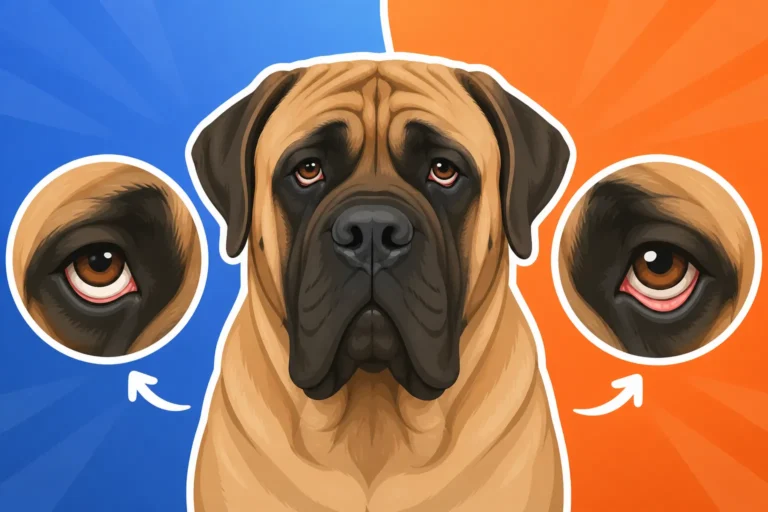
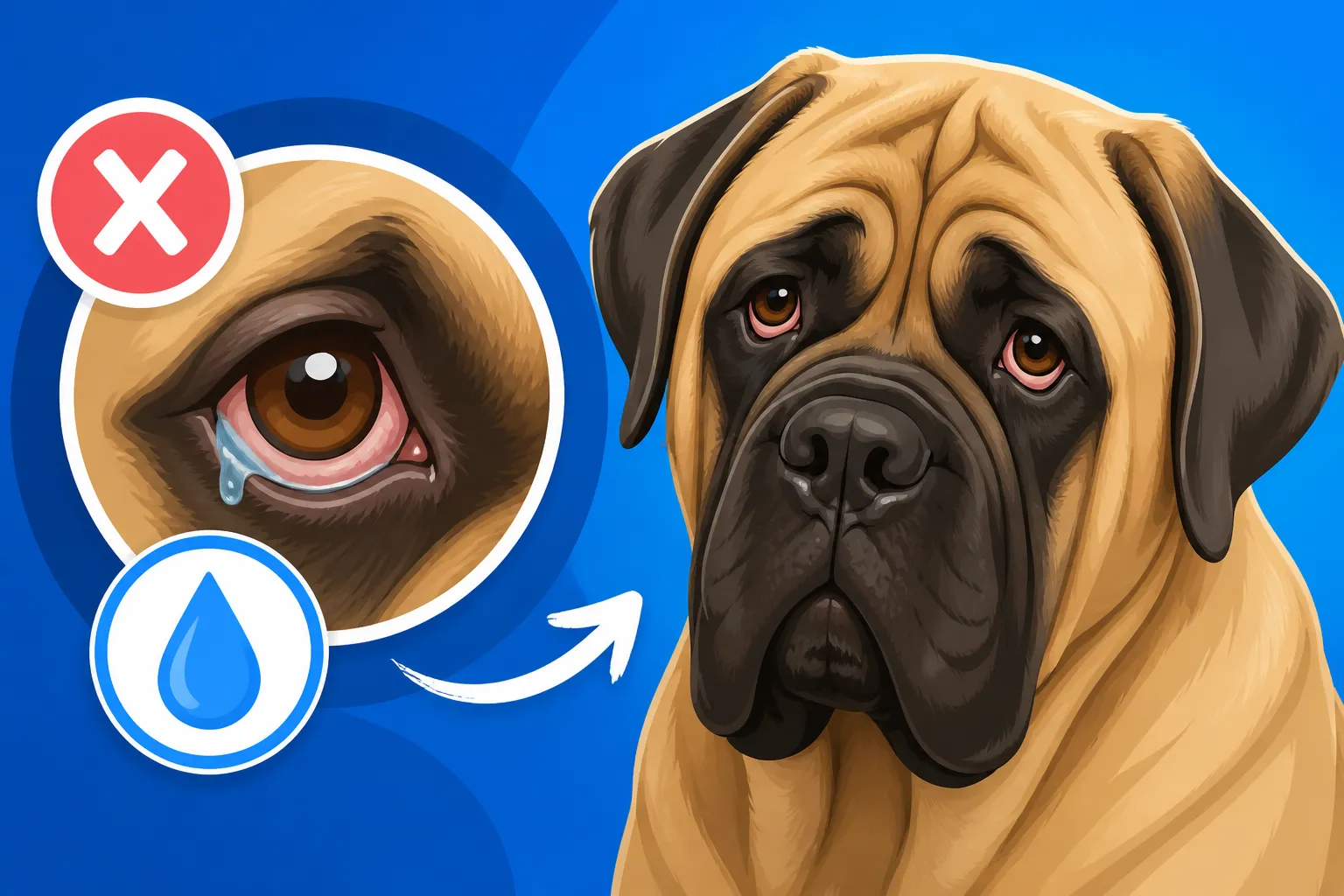
Initially, the signs of KCS might be quite subtle, making them easy to overlook, especially in a dog as stoic as a Mastiff. You might notice your Mastiff blinking more frequently, as if trying to clear something from their eye. There might be a slight redness in the whites of their eyes (the conjunctiva), which can often be dismissed as simple irritation from dust or pollen. A very thin, almost stringy, mucous discharge might start to appear in the corners of the eyes. This isn't like the thick pus you'd see with a bacterial infection, but more like a clear or whitish thread. Sometimes, they might paw at their face or rub their head against furniture more than usual, signaling general discomfort. It’s these seemingly minor changes that are often the first whispers of KCS. Keep a close watch, especially if you have a Mastiff with prominent facial folds around their eyes, as these areas can harbor moisture and bacteria, making early detection of dryness even harder.
Advanced Symptoms and Complications
If dry eye is left untreated, these subtle signs will inevitably progress to more severe and painful symptoms. The eye's natural defense mechanisms are compromised, leading to chronic inflammation and a higher risk of secondary bacterial infections. You'll likely see a thick, tenacious, yellowish-green discharge accumulating in the eyes, which can crust over and even seal the eyelids shut after sleep. The cornea, deprived of proper lubrication and nourishment, will start to undergo changes. It might appear dull, cloudy, or even develop dark pigmentation (melanin deposits) over time, a protective response by the body that unfortunately can impair vision. In severe cases, painful corneal ulcers can form, which are essentially open sores on the eye's surface. These ulcers are not only excruciating but can lead to scarring, infection spreading deeper into the eye, or even rupture of the eyeball, resulting in permanent blindness. The longer KCS goes untreated, the more difficult and less successful treatment becomes, reinforcing why early detection and consistent care are paramount for your Mastiff.
Getting a Diagnosis: What to Expect at the Vet
When you suspect your Mastiff might have dry eye, a trip to the veterinarian is essential. Don't try to self-diagnose or treat it with over-the-counter human eye drops, as you could inadvertently worsen the condition or delay proper treatment. Your vet will perform a thorough examination, including specific tests to confirm KCS.
The Schirmer Tear Test
The cornerstone of diagnosing KCS is the Schirmer Tear Test (STT). It’s a simple, quick, and non-invasive procedure that measures your Mastiff's tear production. Here’s how it typically works:
- Preparation: Your vet will take thin strips of specialized filter paper, each marked with a precise measurement scale.
- Placement: One end of a strip is gently hooked over the lower eyelid margin of each eye, usually for about 60 seconds. This is often done before any drops or ointments are placed in the eye to get an accurate baseline.
- Measurement: The tears produced by your Mastiff's eye will moisten the paper strip. After the minute is up, the vet removes the strips and measures how many millimeters of the paper have been wetted.
A normal reading for a dog is typically above 15 mm/minute. If your Mastiff's readings consistently fall below 10 mm/minute, it indicates significantly reduced tear production and a diagnosis of KCS. Readings between 10-14 mm/minute might be considered borderline and warrant close monitoring or further investigation. This objective measurement is crucial for confirming the condition and gauging the severity.
Ocular Exam and Other Diagnostics
Beyond the Schirmer Tear Test, your veterinarian will conduct a comprehensive ocular examination. This will involve carefully inspecting the entire eye structure, including the eyelids, conjunctiva (the pink membranes around the eye), cornea, and sometimes even checking the internal structures if warranted. They'll look for signs of inflammation, discharge, corneal cloudiness, or any other abnormalities.
One vital part of the exam often includes fluorescein staining. This involves placing a harmless orange dye into the eye. If there are any corneal abrasions or ulcers – a common complication of KCS due to the lack of protective tear film – the dye will adhere to the damaged areas, glowing bright green under a special blue light. This helps the vet identify and assess the severity of any corneal damage that needs immediate attention. Your vet may also check for other conditions, such as Cherry Eye in a Mastiff, which can sometimes present with similar redness or discharge, ensuring a holistic understanding of your Mastiff's eye health. Depending on the findings, further tests might include checking for bacterial infections with a swab or even blood work if underlying systemic causes are suspected.
Living with KCS: Treatment and Ongoing Care
Once your Mastiff has been diagnosed with KCS, it’s important to understand that it’s generally a lifelong condition requiring consistent management. The goal of treatment is to stimulate tear production, replace missing tear components, and manage any secondary issues to keep your Mastiff's eyes healthy and comfortable.
Lifelong Medical Management
The cornerstone of KCS treatment involves daily medication designed to stimulate natural tear production. The most common medications are topical (applied directly to the eye) and include:
- Cyclosporine (e.g., Optimmune): This is often the first-line treatment. Cyclosporine works by suppressing the immune system in the tear glands, which helps to reduce inflammation and stimulate the natural production of tears. It usually comes as an ointment or drops and needs to be applied one to two times daily, consistently.
- Tacrolimus: Similar to cyclosporine, tacrolimus is another immunosuppressant that can be highly effective, especially in cases where cyclosporine alone isn't sufficient. It also helps to increase tear production.
In addition to these medications, your vet will likely recommend artificial tears to provide immediate lubrication and comfort, washing away irritants and protecting the corneal surface. Brands like Systane or Refresh eye drops, formulated for human use, are often suitable for dogs, but always check with your vet first. These need to be applied frequently throughout the day, sometimes every few hours, to supplement the natural tears and keep the eye moist. The challenge with a Mastiff, given their size and sometimes stubborn nature, can be consistent application of drops and ointments. Patience, positive reinforcement, and a comfortable setup are key. Many owners find that setting a routine and using gentle restraint can make the process smoother. The ongoing cost of these medications can add up, and this is where pet insurance, like a comprehensive policy from Healthy Paws, can provide significant financial relief for chronic conditions.
Addressing Secondary Issues
Since KCS leaves the eye vulnerable, secondary issues like bacterial infections and corneal ulcers are unfortunately common.
If your Mastiff develops a bacterial infection, your vet will prescribe topical antibiotics to be administered alongside the KCS medication. It's crucial to complete the full course of antibiotics, even if the eye appears to improve quickly, to ensure the infection is fully cleared.
Corneal ulcers are more serious and can be very painful. Treatment will involve specific medications to promote healing, prevent further infection, and manage pain. This might include antibiotic drops, atropine to relieve muscle spasms and pain, and sometimes even protective contact lenses for the eye. In very rare, severe, or non-responsive cases of KCS, surgical options like parotid duct transposition might be considered. This procedure reroutes a salivary duct to deliver saliva to the eye, essentially using saliva as a tear substitute. However, this is a complex surgery and is typically a last resort, as saliva isn't an ideal replacement for tears and can come with its own set of complications.
The Importance of Regular Vet Check-ups
Managing KCS is a marathon, not a sprint. Regular follow-up appointments with your veterinarian or a veterinary ophthalmologist are crucial. These check-ups allow your vet to:
- Monitor tear production: Repeat Schirmer Tear Tests will determine if the current medication regimen is effective and if tear production is improving or maintaining adequate levels.
- Assess eye health: They'll examine the cornea for signs of healing, new ulcers, pigmentation, or scar tissue.
- Adjust medication: Dosage or type of medication might need to be adjusted based on your Mastiff's response. What works initially might need tweaking over time.
- Address new concerns: Early detection of any new complications, like a flare-up of infection or the development of other eye issues, is vital.
These regular visits are fundamental to your Mastiff's comfort and long-term eye health. They help ensure that the treatment plan remains optimal for your specific dog. While the initial investment for a Mastiff puppy may not seem to include these kinds of ongoing expenses, things like a visit to measure tear production certainly add to the cost, which is why considering options like Healthy Paws early on can be beneficial.
Proactive Steps for Your Mastiff's Eye Health
While KCS often has an autoimmune component and isn't entirely preventable, there are definitely things you, as a Mastiff owner, can do to support overall eye health and potentially reduce the severity of symptoms if KCS does develop.
Environmental Factors and Hygiene
Your Mastiff's environment plays a significant role in their eye health.
- Keep Eyes Clean: With their deep facial folds and jowls, Mastiffs can accumulate debris and moisture around their eyes. Gently wiping around your Mastiff's eyes daily with a soft, damp cloth or a vet-approved eye wipe can help remove irritants and prevent secondary infections. Be sure to be extra gentle, as the skin around the eyes is sensitive.
- Avoid Irritants: Smoke, excessive dust, strong household cleaners, or even certain airborne allergens can irritate your Mastiff's eyes and worsen dry eye symptoms. Try to keep your home environment as clean and dust-free as possible. If you use air fresheners or diffusers, ensure they are dog-safe and don't directly expose your Mastiff.
- Grooming Facial Folds: If your Mastiff has pronounced facial wrinkles, these need regular cleaning to prevent moisture and bacteria from causing irritation or infection that could spread to the eyes. Our guide on The Wrinkles and Folds a Mastiff Owner Cleans Every Week offers comprehensive advice on this vital aspect of Mastiff care.
Nutritional Support and General Health
A well-balanced diet and good general health are fundamental to a Mastiff's well-being, including their eyes.
- Balanced Diet: Ensure your Mastiff is on a high-quality, balanced diet appropriate for a giant breed. While no specific diet prevents KCS, good nutrition supports overall immune function and tissue health.
- Omega-3 Fatty Acids: Some studies suggest that omega-3 fatty acids, found in fish oil, can have anti-inflammatory properties that may benefit eye health, among other things. If you're considering Joint Supplements for a Mastiff that contain fish oil, discuss the appropriate dosage with your vet.
- Regular Vet Care: Beyond eye-specific issues, regular veterinary check-ups for overall health can help catch underlying conditions that might contribute to KCS or other eye problems. Your vet can advise on the best preventive care, including vaccinations and parasite control. Because of their size and unique physiology, Mastiffs can incur significant veterinary expenses, so staying proactive with their care, and potentially having a pet insurance plan from a provider like Healthy Paws, can prevent smaller issues from becoming larger, more costly ones down the line. Caring for a Mastiff past five, when they are considered senior, also brings a new set of considerations for their health and well-being.
Common Mastiff Eye Issues: A Quick Comparison
It's easy to confuse various eye problems in Mastiffs since many present with similar general symptoms like redness or discharge. Here's a quick table to help differentiate KCS from some other common Mastiff eye ailments.
| Condition | Key Symptoms | Primary Cause | Treatment Approach |
|---|---|---|---|
| Keratoconjunctivitis Sicca (KCS) | Dry, red eyes; thick, stringy discharge; corneal cloudiness/pigmentation; blinking. | Autoimmune destruction of tear glands (aqueous layer deficiency). | Tear-stimulating medications (Cyclosporine/Tacrolimus), artificial tears, antibiotics for secondary infection. |
| Entropion | Eyelids roll inward; eyelashes/hair rub on cornea; excessive tearing; pain. | Genetic predisposition (loose facial skin); usually requires surgical correction. | Surgical correction to reposition eyelid, temporary sutures, lubricating drops. |
| Ectropion | Eyelids roll outward; exposed conjunctiva; chronic irritation; watery eyes. | Genetic predisposition (loose facial skin); typically requires surgical correction. | Surgical correction, lubricating drops to prevent dryness/irritation. |
| Allergies | Red, itchy eyes; clear, watery discharge; rubbing face; often seasonal. | Environmental allergens (pollen, dust mites, food allergens). | Antihistamines, anti-inflammatory drops, identifying/avoiding allergens. |
| Conjunctivitis | Red, swollen conjunctiva; discharge (watery to pus-like); discomfort. | Bacterial, viral, allergic, or irritant (dust/debris). | Antibiotic drops, anti-inflammatory drops, addressing underlying cause. |
Disclaimer
The information provided in this article is for general educational purposes only and should not be considered a substitute for professional veterinary advice. Always consult with a qualified veterinarian for any health concerns or before making any decisions related to your Mastiff's health and treatment.