Whether a Mastiff Gets Aortic Stenosis
It’s a terrifying moment when you notice something isn't quite right with your gentle giant. Maybe they're breathing a little heavier after a short stroll, or perhaps their usual zest for life seems just a tiny bit dulled. When you own a Mastiff, every sniffle, every sigh, and every change in routine can send a ripple of anxiety through you, especially when it comes to their heart health. This guide is here to shed light on Aortic Stenosis, a specific heart condition, and help you understand if your Mastiff is at risk, what to look for, and how it's managed.
Understanding Aortic Stenosis in Dogs
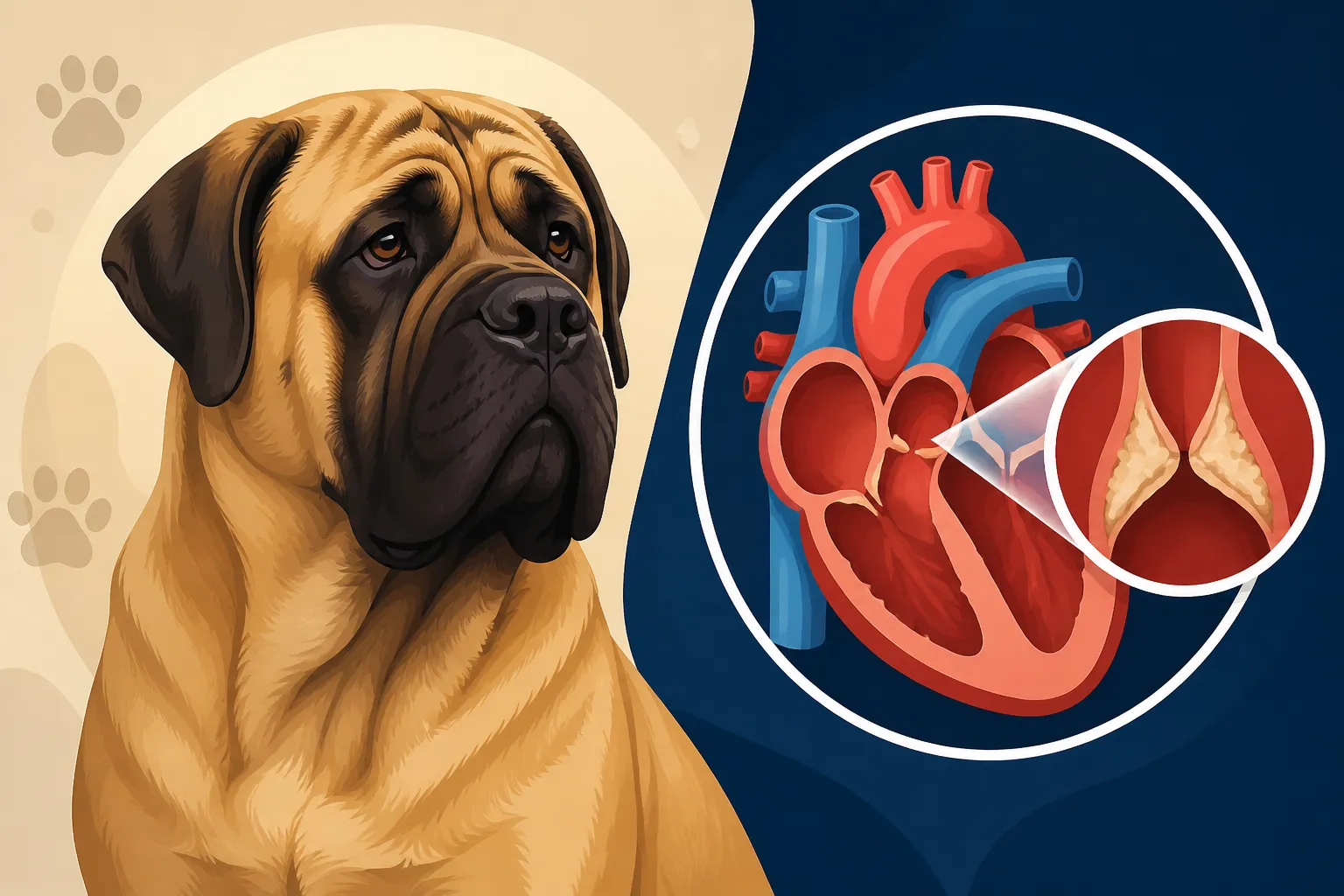
Aortic Stenosis (AS) is a heart condition where the aortic valve, the main valve leading out of the left ventricle of the heart to the rest of the body, is narrowed. This narrowing makes it harder for the heart to pump blood effectively to the body. Think of it like trying to push a huge volume of water through a much smaller pipe – the pressure inside the pump (your Mastiff's heart) builds up significantly, making the heart work much harder. Over time, this extra effort can lead to the thickening of the heart muscle, a condition known as left ventricular hypertrophy, and eventually, heart failure.
This condition is most commonly congenital, meaning puppies are born with it. While it might not show symptoms immediately, it's a structural defect that impacts their heart's function from day one. In some rare cases, it can be acquired later in life due to other underlying health issues, but the vast majority of AS diagnoses in dogs are developmental. The severity can range widely; some dogs might have a very mild narrowing that causes no significant issues for years, while others can have severe stenosis that leads to serious complications much earlier in life.
Is Aortic Stenosis a Concern for Mastiffs?
While Aortic Stenosis is a recognized congenital heart defect in several large and giant breeds, such as Newfoundlands, Boxers, Golden Retrievers, German Shepherds, and Rottweilers, it’s not as frequently cited as a primary breed-specific concern for Mastiffs as it might be for some others. However, saying it's not a primary breed concern doesn't mean Mastiffs are immune. Given their sheer size and the inherent demands on a giant heart, any cardiac anomaly, including AS, can have significant implications.
Mastiffs, like all large and giant breeds, are predisposed to various heart conditions simply due to the massive organ they need to power. The workload on a Mastiff's heart is immense, circulating blood through a body that can weigh over 200 pounds. While other conditions like Dilated Cardiomyopathy (DCM) might be more commonly discussed in relation to Mastiff heart health, Aortic Stenosis can and does occur. It’s crucial for owners and breeders alike to remain vigilant about all potential cardiac issues, especially since early detection can significantly impact management and prognosis. If you’re wondering, "Whether a Mastiff Gets Dilated Cardiomyopathy," that's another important conversation to have with your vet.
Symptoms and Early Warning Signs in Mastiffs
Recognizing the symptoms of Aortic Stenosis in a Mastiff can be challenging because, especially in milder cases, they might not show obvious signs until the condition has progressed. Moreover, a Mastiff's natural, often laid-back demeanor can sometimes mask subtle health changes that might be more apparent in a higher-energy breed.
Early signs often include a heart murmur, which a veterinarian might detect during a routine check-up, perhaps even as a puppy. This is why paying attention to "Whether a Mastiff Puppy's Murmur Matters" is so important, even if the puppy seems otherwise healthy. If your vet hears a murmur, don't just brush it off. It warrants further investigation. As the disease progresses and the heart struggles more, you might start noticing more apparent clinical signs.
Here are some symptoms to watch for:
- Exercise Intolerance: Your Mastiff might tire more easily during walks or playtime, or simply not want to engage in activities they once enjoyed. They might be reluctant to go for their usual strolls or seem winded after minimal exertion.
- Weakness or Lethargy: A general decrease in energy levels, spending more time resting, or just seeming "off." This can be easily mistaken for just an aging Mastiff slowing down, but it's important to differentiate.
- Fainting or Collapse (Syncope): This is a more severe symptom and indicates that the brain is not receiving enough oxygenated blood, usually after exertion or excitement. This is a medical emergency and requires immediate veterinary attention.
- Difficulty Breathing or Coughing: As the heart struggles, fluid can build up in the lungs, leading to coughing, especially when resting, or noticeable difficulty breathing.
- Pale Gums: A sign of poor circulation.
- Sudden Death: Sadly, in severe, undiagnosed cases, sudden death, often during or immediately after exercise, can occur.
It's important to remember that these symptoms can overlap with many other health issues. Therefore, observing any combination of these signs warrants an immediate visit to your veterinarian for a thorough examination.
Table: Common Symptoms of Aortic Stenosis in Mastiffs
| Symptom | Description | Severity Indicator |
|---|---|---|
| Heart Murmur | Abnormal sound heard through a stethoscope, often the first sign. | Mild to Severe |
| Exercise Intolerance | Tires quickly, reluctance to play or walk, reduced stamina. | Mild to Moderate |
| Lethargy/Weakness | General lack of energy, increased sleeping, less interested in activities. | Mild to Moderate |
| Fainting/Collapse (Syncope) | Sudden loss of consciousness, often after exertion. | Moderate to Severe |
| Coughing | Dry or moist cough, especially at night or when resting. | Moderate to Severe |
| Difficulty Breathing | Labored breathing, open-mouth breathing at rest, increased respiratory rate. | Moderate to Severe |
| Pale Gums | Gums appear lighter than normal pink, indicating poor blood flow. | Moderate to Severe |
| Growth Stunting (Puppies) | Affected puppies may be smaller or fail to thrive compared to littermates. | Mild to Severe |
Diagnosing Aortic Stenosis
If your veterinarian suspects Aortic Stenosis, likely after hearing a heart murmur during a routine physical exam, they will recommend further diagnostic tests to confirm the condition and assess its severity. The diagnostic process is crucial, especially for a large breed like a Mastiff where heart conditions can be complex. You might even discuss "Whether a Mastiff Needs a Cardiac Exam" as part of their regular health screening.
The primary diagnostic tool for AS is an echocardiogram. This is an ultrasound of the heart that allows the veterinary cardiologist to visualize the heart's structure and function in real-time. During an echocardiogram, the specialist can:
- Measure the degree of narrowing in the aorta.
- Assess the velocity of blood flow through the narrowed valve, which helps quantify the severity of the stenosis.
- Examine the heart muscle for any thickening (hypertrophy) that has occurred due to the increased workload.
- Check for any other concurrent heart abnormalities.
Other diagnostic tests might include:
- X-rays (Radiographs): These can show the overall size and shape of the heart, as well as look for signs of fluid buildup in the lungs (pulmonary edema), which indicates congestive heart failure.
- Electrocardiogram (ECG): An ECG measures the electrical activity of the heart and can detect abnormal heart rhythms (arrhythmias) or signs of heart muscle enlargement.
- Blood Tests: These are usually run to assess overall health, kidney function, and liver function, especially before starting any long-term medications, and to rule out other causes for symptoms.
The diagnosis of AS can be an expensive journey. An echocardiogram performed by a board-certified veterinary cardiologist can be quite costly. This is where comprehensive pet insurance plans, like those offered by Healthy Paws, can be incredibly beneficial, helping to cover a significant portion of these specialist diagnostic fees.
Managing Aortic Stenosis in Mastiffs
Once Aortic Stenosis is diagnosed, the goal of treatment is to manage the symptoms, reduce the heart's workload, and improve the Mastiff's quality of life. The specific treatment plan will depend heavily on the severity of the stenosis and whether your dog is showing clinical signs.
For Mastiffs with mild, asymptomatic AS, your vet might recommend regular monitoring, including periodic re-checks and echocardiograms, to track the progression of the disease. In these cases, proactive management focuses on preventing complications.
For Mastiffs with more significant AS or those showing symptoms, medication is typically prescribed. These medications aim to:
- Reduce the heart's workload: Beta-blockers (e.g., atenolol) are commonly used to slow the heart rate and reduce the force of contraction, helping the heart work more efficiently and protecting it from damage.
- Control arrhythmias: If abnormal heart rhythms are present, anti-arrhythmic drugs may be used.
- Manage congestive heart failure: If heart failure has developed, diuretics (e.g., furosemide) might be prescribed to reduce fluid buildup, and ACE inhibitors (e.g., enalapril) to improve blood flow and reduce strain on the heart.
It's important to understand that medication doesn't cure Aortic Stenosis; it manages the symptoms and slows the progression. Regular follow-up appointments with your veterinarian or a veterinary cardiologist will be necessary to monitor your Mastiff's response to medication and adjust dosages as needed. This ongoing care is a testament to the long-term commitment of "Caring for a Mastiff Past Five" and beyond.
Dietary management, such as a low-sodium diet, might also be recommended, especially if heart failure is present. Exercise restriction is often advised to prevent putting undue strain on the heart, particularly avoiding intense or prolonged activity. Short, gentle walks are usually acceptable, but your vet will provide specific guidelines.
Surgical options for AS in dogs are limited and complex. Balloon valvuloplasty, a procedure to widen the narrowed valve, is performed by highly specialized veterinary cardiologists, but it's not always feasible or successful in all cases, especially given the size and individual heart anatomy of a Mastiff. The decision for such a procedure is made on a case-by-case basis and carries significant risks, which is further complicated by "Why Anesthesia Is Riskier in a Mastiff."
The financial implications of managing a chronic heart condition in a Mastiff can be substantial. Medications can be costly, and specialist consultations and ongoing diagnostics add up. Many owners find that investing in pet insurance early, from a provider like Healthy Paws, helps cushion the financial blow of such conditions. It's an important consideration, especially when you think about "What a Mastiff's Weight Does to Every Line on the Vet Invoice."
Prognosis and Quality of Life
The prognosis for a Mastiff with Aortic Stenosis varies widely, depending on the severity of the condition at diagnosis and how well it responds to treatment. Dogs with mild AS might live a normal lifespan with minimal intervention. However, those with severe AS often have a guarded prognosis, with a significantly shortened life expectancy, even with medication.
The goal is always to maintain the best possible quality of life for your Mastiff for as long as possible. This means close monitoring for any changes in symptoms, strict adherence to medication schedules, and following all veterinary recommendations regarding diet and exercise. Life with a Mastiff facing a chronic health challenge means being exceptionally attentive to their daily comfort and well-being. This journey underscores why "Six to Ten Years Is What a Mastiff Gets" is often a poignant reality, and how precious each moment is.
It’s a tough reality that Mastiffs, despite their robust appearance, can face significant health hurdles. Understanding conditions like Aortic Stenosis empowers you to be the best advocate for your beloved companion, ensuring they receive timely diagnosis and appropriate care. Remember, you're not alone in navigating these health challenges; your vet and veterinary specialists are your partners in this journey. The commitment to a Mastiff is deep, and part of that commitment involves understanding and addressing their potential health issues head-on, as discussed in "The Full Cost of Eight Years With a Mastiff."
Breeding Considerations and Prevention
When we talk about Aortic Stenosis, especially its congenital form, breeding practices become a critical part of the conversation. Reputable Mastiff breeders are acutely aware of the genetic predispositions to various health conditions within the breed, and cardiac health is certainly one of them. While AS might not be as universally screened for as some orthopedic conditions, responsible breeders often have their breeding stock undergo cardiac evaluations.
Part of this evaluation often includes an echocardiogram performed by a board-certified veterinary cardiologist. This screening helps identify any murmurs or structural abnormalities that could indicate AS or other heart defects before a dog is bred. The goal is to avoid passing on genetic predispositions to future generations. If a Mastiff is diagnosed with Aortic Stenosis, it should ideally be removed from a breeding program to prevent perpetuating the condition. This aligns with the broader principles of responsible breeding, often involving a comprehensive set of tests like "The Four CHIC Tests a Mastiff Breeder Must Clear," which includes a cardiac exam.
For prospective Mastiff owners, inquiring about the cardiac health of the parent dogs is paramount. Don't hesitate to ask breeders for documentation of cardiac screenings, including echocardiogram results from a veterinary cardiologist. While a "clear" report doesn't guarantee a puppy will never develop any heart condition, it significantly reduces the risk of inheriting known congenital defects like severe AS. This due diligence during puppy selection contributes to supporting healthier lines and reducing the prevalence of such conditions in the breed over time. It's a key part of understanding "The CHIC Four Plus the DNA Stack Behind a Mastiff's Price" and what that investment truly means for a puppy's future health.
Disclaimer
The information provided in this article is for general informational purposes only and does not constitute veterinary medical advice. Always consult with a qualified veterinarian or veterinary specialist for any health concerns or before making any decisions related to your Mastiff's health or treatment.