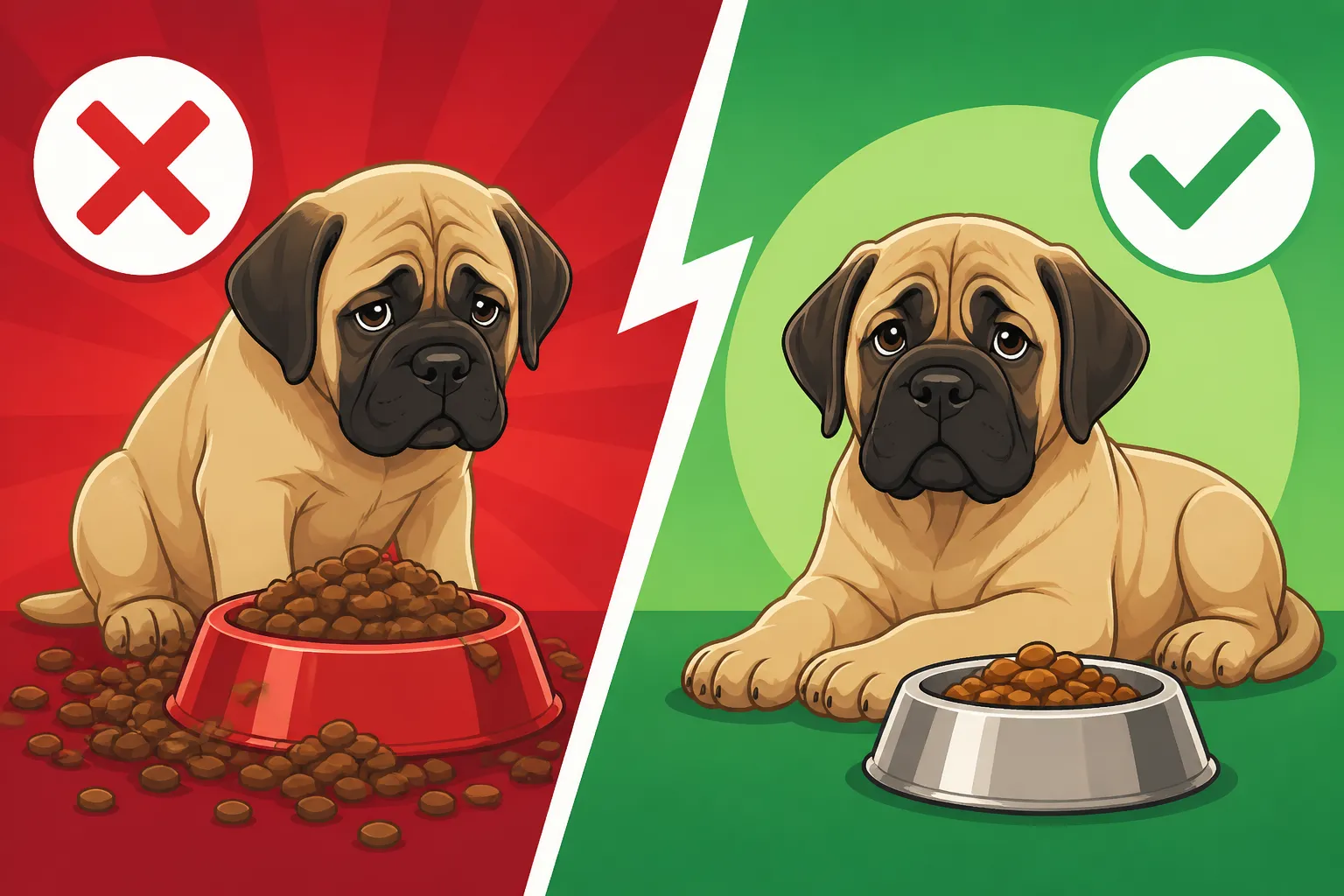
Why a Mastiff Puppy Is Never Free Fed
One of the most common pitfalls new Mastiff puppy owners tumble into is the seemingly harmless practice of free-feeding. You might think, "My puppy will eat what it needs," or "It's just easier to keep the bowl full." But for a giant breed like our beloved Mastiffs, this approach isn't just suboptimal; it can actively pave the way for a lifetime of serious health problems. This guide will walk you through precisely why free-feeding is a no-go for a Mastiff puppy and how a structured meal plan can safeguard their future health and well-being.
The Unique Nutritional Needs of a Growing Mastiff Puppy
When you bring home a Mastiff puppy, you're not just adopting a cute, clumsy ball of fur; you're taking on the responsibility of guiding a creature that will grow into one of the largest dog breeds on the planet. This isn't a growth spurt like a Labrador might experience; it's an architectural feat of nature, demanding careful oversight. Their massive frames, heavy bones, and rapid development mean their nutritional needs are fundamentally different from smaller breeds. Ignoring these unique requirements can have devastating, lifelong consequences for their skeletal health and overall longevity. It's a journey of deliberate, slow growth, not a race to reach maximum size.
Why Controlled Growth is Paramount for Giant Breeds
Imagine building a skyscraper. You wouldn't rush the foundation, pour all the concrete at once, and expect it to stand strong, would you? The same principle applies to a Mastiff puppy's skeletal system. Their bones and joints are developing at an astonishing rate, laying the groundwork for a body that will eventually carry hundreds of pounds. If this growth is too fast, too aggressive, or fueled by an imbalance of nutrients, the delicate cartilage and bone plates can't keep up. They become weak, malformed, or susceptible to damage under the immense weight that's rapidly accumulating.
This is why we constantly preach about controlled growth. The goal isn't to make your Mastiff puppy as big as possible, as fast as possible. In fact, it's the opposite. We want them to grow steadily and slowly, allowing their bones and joints to ossify and strengthen properly. Conditions like hip and elbow dysplasia, which are already prevalent in giant breeds, are significantly exacerbated by rapid growth. A puppy that grows too quickly puts undue stress on immature joints, leading to painful and often debilitating issues down the line. It's about nurturing robust, healthy development, not pushing for impressive puppy weight numbers. This meticulous approach is central to understanding Why a Mastiff Puppy Must Grow Slowly.
The Dangers of Excess Calories and Nutrients
It's natural to want to spoil your new puppy, and a full bowl of food might seem like the ultimate treat. However, with Mastiff puppies, more is definitely not better, especially when it comes to calories and certain key nutrients. While all nutrients are important, an excessive intake, particularly of calcium and phosphorus, can be incredibly detrimental during their critical growth phases. These minerals are vital for bone development, but too much can actually throw the delicate balance out of whack.
When a Mastiff puppy consumes too many calories, they gain weight too quickly. This extra weight puts increased strain on their developing joints, which are already under pressure. Think of it like a child wearing shoes that are too big and trying to run – they're clumsy, prone to falling, and their feet aren't developing correctly. In a Mastiff, this can lead to conditions like osteochondritis dissecans (OCD), where cartilage fails to develop properly and can even detach. Furthermore, an overabundance of calcium can interfere with bone remodeling and calcification, leading to structural abnormalities. It's a counterintuitive truth: while calcium is essential for strong bones, too much, especially in a giant breed puppy, can actually cause problems. It messes with the intricate hormonal regulation of bone growth. This critical balance is precisely what makes controlled feeding so important, and why understanding What Excess Calcium Does to a Mastiff's Elbows is key.
The Risks Associated with Free-Feeding a Mastiff Puppy
Free-feeding, where a bowl of food is left out all day for a dog to graze on, might seem convenient, but it's a practice fraught with peril for a Mastiff puppy. It removes all control from your hands, turning mealtime into an unregulated free-for-all that can wreak havoc on their delicate growth and development. This method simply doesn't align with the specific needs of a breed that experiences such monumental physical changes in its first couple of years.
Overeating and Rapid Weight Gain
The most immediate and obvious risk of free-feeding a Mastiff puppy is uncontrolled overeating, which inevitably leads to rapid weight gain. Puppies, especially those who love their food (and most Mastiffs do!), lack the self-regulation to eat only what they need when a limitless supply is available. They'll gorge themselves, often out of boredom or simple puppy exuberance, consuming far more calories than their growing bodies can healthily process.
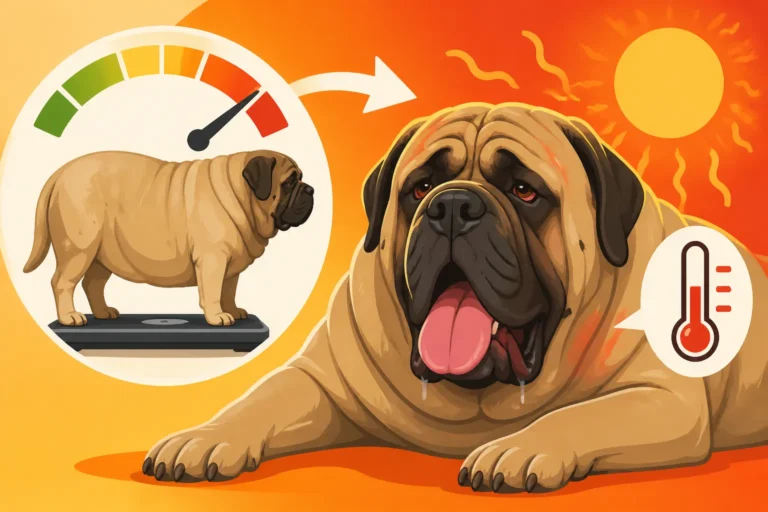
This accelerated weight gain is a direct pathway to orthopedic nightmares. Their bones, joints, and ligaments are not designed to support an excessive amount of weight before they've had a chance to fully mature and strengthen. Imagine a toddler trying to squat 100 pounds; it's an impossible and damaging task. For a Mastiff puppy, every extra pound of weight gained too quickly puts immense, abnormal stress on their growth plates and developing joints. This can trigger or worsen conditions like hip and elbow dysplasia, leading to pain, lameness, and potentially costly surgeries down the road. Not only does this impact their physical structure, but studies consistently show that lean, slowly grown giant breed dogs tend to live longer, healthier lives. Keeping your Mastiff puppy at a healthy, lean weight is crucial for their long-term well-being and is a better predictor of lifespan than simply chasing bigger numbers on the scale. When they are fully grown, knowing The Weight Range a Male Mastiff Should Hold or The Weight Range a Female Mastiff Should Hold will be vital.
Nutritional Imbalances and Dietary Control
Even if you're meticulously selecting a high-quality, large-breed puppy food designed for Mastiffs, free-feeding undermines your efforts to provide a nutritionally balanced diet. These specialized foods are formulated with specific protein, fat, and mineral ratios (especially calcium and phosphorus) to support slow, steady growth. However, these ratios are only effective if consumed in appropriate, measured portions.
When a puppy free-feeds, you lose all ability to accurately monitor their daily intake of these crucial nutrients. They might eat too much on some days, too little on others, or simply graze sporadically, leading to inconsistent nutrient absorption. This erratic intake can lead to subtle but significant nutritional imbalances over time, which, as we discussed, can compromise skeletal development. A structured feeding schedule allows you to precisely control what and how much your puppy consumes, ensuring they receive the consistent, measured nutrition necessary for healthy growth. It also helps you spot changes in appetite, which can be an early indicator of illness or discomfort. Without this control, you're flying blind, hoping your puppy's instincts match their complex physiological needs, which they often do not.
Undermining Training and Schedule Establishment
Beyond the physical health implications, free-feeding can significantly complicate the training and routine-building process for your Mastiff puppy. Establishing a predictable schedule is fundamental for house training, obedience, and building a strong bond with your new companion. Food plays a surprisingly large role in this.
When food is always available, it loses its value as a training motivator. Many Mastiffs, while loving, can be quite "what's in it for me?" when it comes to learning. If they can get food anytime, anywhere, they're less likely to be eager to perform a "sit" or a "stay" for a kibble reward. Furthermore, a consistent feeding schedule is a cornerstone of effective house training. Puppies generally need to relieve themselves shortly after eating. If they're eating randomly throughout the day, their potty schedule becomes unpredictable, making accidents more likely and house training much more challenging. By having set meal times, you can anticipate their need to go out, creating opportunities for success and reinforcing good habits. This consistent routine is key to everything from potty breaks to basic manners, and it's built around understanding and implementing The Meal Schedule a Mastiff Puppy Needs.
Implementing a Structured Feeding Plan for Your Mastiff Puppy
Moving away from free-feeding might feel like a big change, especially if you're used to letting smaller dogs graze. But for your Mastiff puppy, it's a commitment to their long-term health and a much more responsible way to manage their care. A structured feeding plan gives you control, ensures proper nutrition, and helps establish crucial routines. It’s an investment in their future.
Determining the Right Portions and Frequency
This is where the real work begins, but it's not as daunting as it sounds! First and foremost, you should always consult your veterinarian and your breeder. They are invaluable resources who know your specific puppy's lineage and individual health needs. While the food bag offers a starting point, remember that those guidelines are generic. Your vet or breeder can help tailor recommendations based on your puppy's current weight, age, activity level, and growth trajectory.
Generally, Mastiff puppies do best on three meals a day for the first several months, gradually transitioning to two meals a day as they approach adulthood. This helps distribute their caloric intake, aiding digestion and reducing the risk of bloat, a serious concern for deep-chested breeds. For example, dividing their total daily allowance into three equal portions at 7 AM, 1 PM, and 7 PM can work wonderfully. You might notice your puppy is still quite ravenous, but resist the urge to increase their portions too quickly. Slow and steady is the name of the game for a Mastiff. Keep a close eye on their body condition (more on that below) and adjust portions gradually, always under the guidance of a professional. This careful daily management ties directly into The Feeding Chart a Mastiff Puppy Should Follow and recognizing Why a Mastiff Stays on Three Meals Longer.
Choosing the Right Food for Giant Breed Puppies
The market is flooded with dog foods, and it can feel overwhelming to choose the "right" one. For a Mastiff puppy, selecting a high-quality, large-breed specific puppy formula is paramount. These foods are specifically designed with controlled levels of protein, fat, calcium, and phosphorus to support the slower, more deliberate growth required by giant breeds. Avoid regular puppy foods, which often have higher protein and calorie counts intended for smaller, faster-growing dogs, as these can easily lead to Whether a Mastiff Puppy Grows Too Fast on Rich Food.
When you're shopping, read labels carefully. Look for foods that explicitly state they are for "large and giant breed puppies." Brands like Purina Pro Plan, Royal Canin, or Eukanuba often have excellent giant breed puppy formulas. You can find these readily available from online retailers like Chewy, which often has competitive pricing and home delivery for those massive bags of kibble. Alternatively, Amazon can also be a good source for various specialized dog food brands, allowing you to compare options and read reviews. Always check the guaranteed analysis for calcium content; ideally, it should be between 1.0% and 1.5% on a dry matter basis. Discuss specific brands and nutrient profiles with your vet to ensure it's the best fit for your puppy's individual needs.
Monitoring Growth and Body Condition
One of the most powerful tools you have to ensure your Mastiff puppy is growing healthily is regular monitoring of their growth and body condition. This isn't just about stepping on a scale; it's about visually assessing and physically feeling your puppy to understand if they are at an ideal weight.
A Mastiff puppy should always appear lean, even a bit "ribby" or lanky. You should be able to easily feel their ribs with slight pressure, but not see them prominently. Their waist should be evident when viewed from above, and there should be a tuck-up from their chest to their abdomen when viewed from the side. If you have trouble feeling their ribs, or if they look round and plump, they are likely overweight, which, as we've discussed, is dangerous for their developing joints. This visual assessment is crucial for knowing How Ribby a Mastiff Puppy Should Look.
Keep a growth chart, recording their weight every week or two. This helps you spot trends and allows your vet to make informed decisions during check-ups. Here’s a quick guide to body condition scoring:
| Score | Description | Appearance |
|---|---|---|
| 1 | Emaciated | Ribs, lumbar vertebrae, pelvic bones, and all bony prominences are evident from a distance. No discernible body fat. Obvious loss of muscle mass. |
| 2 | Very Thin | Ribs, lumbar vertebrae, and pelvic bones are easily visible. No discernible body fat. Minimal loss of muscle mass. |
| 3 | Thin | Ribs easily palpable and may be visible with no palpable fat. Tops of lumbar vertebrae visible. Pelvic bones becoming prominent. Obvious waist and abdominal tuck. |
| 4 | Underweight (Ideal for Growing Giant Breeds) | Ribs easily palpable with minimal fat covering. Waist easily noted when viewed from above. Abdominal tuck apparent. (This is often the target for Mastiff puppies to ensure slow, lean growth.) |
| 5 | Ideal | Ribs palpable without excess fat covering. Waist observed behind ribs when viewed from above. Abdominal tuck present. (This is generally the goal for adult Mastiffs.) |
| 6 | Overweight | Ribs palpable with slight excess fat covering. Waist discernible but not prominent. Abdominal tuck may be absent. |
| 7 | Heavy | Ribs difficult to palpate due to heavy fat cover. Obvious fat deposits over lumbar area and base of tail. Waist absent or barely visible. No abdominal tuck. |
| 8 | Obese | Ribs not palpable under heavy fat cover. Heavy fat deposits over lumbar area, face, limbs, and base of tail. Abdomen obviously distended. No waist or abdominal tuck. |
| 9 | Severely Obese | Massive fat deposits over chest, spine, and base of tail. Waist and abdominal tuck absent. Obvious abdominal distention with fat deposits. Extensive fat deposits everywhere. |
Aim for a score of 4 for your growing Mastiff puppy. This lean physique provides the best chance for their skeletal system to develop without undue stress. Regular checks, even a few times a week, will allow you to quickly identify if your puppy is getting too heavy or growing too fast and adjust their portions of How Much a Mastiff Puppy Should Eat accordingly.
Beyond the Bowl: Other Considerations for a Growing Mastiff
While controlled feeding is undoubtedly the cornerstone of healthy Mastiff puppy development, it's part of a larger ecosystem of care. Their massive size means that nearly every aspect of their upbringing needs careful consideration to prevent future problems. Nutrition sets the stage, but activity levels, veterinary oversight, and a long-term perspective complete the picture.
Exercise and Activity Levels
It's a common misconception that a big dog needs a ton of exercise, even as a puppy. For a Mastiff, nothing could be further from the truth. Just like their diet, their exercise needs to be carefully controlled to support healthy skeletal development. Too much, too soon, or too intense exercise can be just as damaging to their developing joints as overfeeding.
Imagine the impact of repetitive jarring or high-impact activities on growth plates that are still open and vulnerable. Running, jumping, long walks, or rough play with other dogs can cause microscopic damage that accumulates over time, contributing to orthopedic issues later in life. Instead, focus on short, controlled walks on soft surfaces, gentle play sessions, and plenty of mental stimulation. A 10-15 minute leisurely stroll a couple of times a day is far more beneficial than a frantic run at the dog park. Think "potty breaks and sniffari" rather than "marathon training." As they mature, their stamina will increase, but the first year is all about protecting those joints. This deliberate approach is crucial for preventing harm, highlighting why The Walk Length That Damages a Mastiff Puppy is so minimal.
Regular Vet Check-ups and Breeder Guidance
Your veterinarian and, ideally, your reputable breeder are your primary partners in navigating your Mastiff puppy's growth journey. Never hesitate to pick up the phone and ask questions or schedule an extra visit if you have concerns. These professionals have a wealth of knowledge and can offer personalized advice that no generic online article can match.
During regular check-ups, your vet will monitor your puppy's weight, growth, and overall health. They can assess their gait, palpate their joints, and address any early signs of orthopedic issues. They'll also be crucial in guiding you through dietary adjustments as your puppy grows, making sure their nutritional plan evolves with their changing needs. Your breeder, having raised many Mastiff puppies, can offer invaluable insights into what's "normal" for the breed and their specific lines. They often have firsthand experience with what works best and can provide tailored advice based on their extensive experience. They are your first line of defense against problems, and their guidance can save you a lot of heartache (and vet bills!).
The Long-Term Impact of Early Nutrition
The choices you make about your Mastiff puppy's nutrition and exercise in their first year or two will profoundly impact their entire life. This isn't just about avoiding problems; it's about setting them up for a lifetime of comfort, mobility, and vitality. A Mastiff that grows slowly and maintains a lean body condition is much less likely to develop severe hip or elbow dysplasia, and if they do, the symptoms are often less debilitating.
Think of it as laying the groundwork for a solid, resilient future. While genetics play a role in conditions like How Common Hip Dysplasia Is in Mastiffs and Why a Mastiff's Hips Fail Under Its Own Weight, proper nutrition and controlled growth can act as powerful mitigating factors. A healthy start means less joint pain, less need for medication or surgery, and a higher quality of life as they age. This careful attention to early care directly correlates to a longer, more active life, demonstrating how foundational choices can truly affect How Weight Shortens a Mastiff's Life. It ensures your gentle giant can enjoy their comparatively short lifespan to the fullest, free from preventable pain and mobility issues.
Disclaimer
This article is for general informational purposes only and does not constitute professional advice. Laws, prices and regulations vary by location and change over time. Consult a qualified professional for guidance on your specific situation.