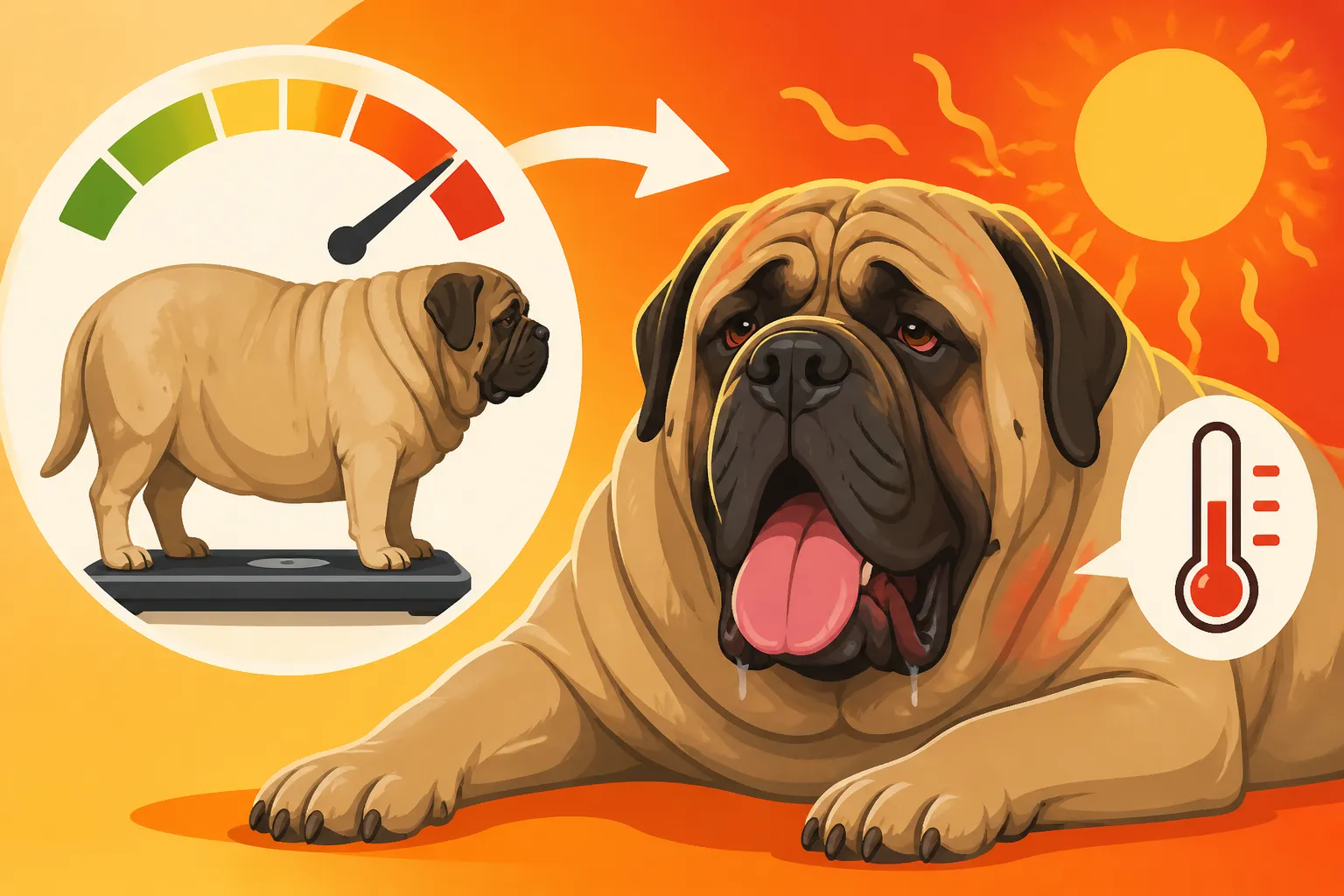
Why Bulk Makes a Mastiff Overheat
One of the biggest challenges of sharing your life with a magnificent Mastiff is coming to terms with just how vulnerable their sheer bulk makes them to overheating. It's not just about them feeling a bit warm; it's a genuine, life-threatening concern that every Mastiff owner must understand and actively manage, especially as the temperatures rise. This guide will walk you through the specifics of why their impressive size is a double-edged sword when it comes to regulating their body temperature, how to spot the danger signs, and crucially, what you can do to keep your gentle giant safe and comfortable.
The Fundamental Challenge of a Mastiff's Immense Size
When you look at a Mastiff, you see power, presence, and an incredible amount of dog. What you might not immediately consider is how all that wonderful mass works against them when the mercury starts to climb. Their sheer volume, combined with their physiology, creates a perfect storm for heat retention. It's a constant battle for their bodies to dissipate the heat they generate, and unfortunately, their design isn't optimized for hot weather.
How Weight Impacts Thermoregulation
Think about it this way: a small dog has a much higher surface area to volume ratio. This means they have more skin relative to their body mass through which to lose heat. A Mastiff, on the complete opposite end of the spectrum, has a comparatively low surface area to volume ratio. Their massive body generates a significant amount of metabolic heat, but there's simply less external surface area for that heat to escape efficiently into the surrounding air. It's like trying to cool a giant, insulated thermos—it holds onto warmth for a very long time.
Adding to this, a Mastiff's musculature and fat reserves, while contributing to their impressive physique, also act as insulating layers. While great for staying warm in cooler climates, this insulation becomes a significant disadvantage when the weather heats up. Every ounce of their substantial weight contributes to their core temperature, making them less able to shed heat quickly. This is why you need to be so mindful of their activity levels, especially when they are young and still rapidly gaining weight. How Fast a Mastiff Puppy Puts On Weight can give you an idea of just how quickly they develop this bulk.
The Mastiff's Natural Cooling Limitations
Dogs primarily cool themselves by panting, a process where rapid, shallow breathing causes evaporation of moisture from the tongue, mouth, and respiratory tract. While all dogs pant, the Mastiff faces additional hurdles. Their brachycephalic (short-nosed) tendencies, though less extreme than a Bulldog or Pug, still impact their ability to efficiently move air. Their airways can be less open, making panting a less effective cooling mechanism. They have to work harder to achieve the same evaporative cooling as a longer-nosed breed, which in turn generates more body heat.
Beyond panting, dogs also release some heat through their paw pads, but for a dog as large as a Mastiff, this is a minimal contributor to overall cooling. Unlike humans, they don't sweat efficiently through their skin. So, when their primary cooling method (panting) is compromised by their facial structure and their body's inherent insulation, they become incredibly susceptible to overheating. This vulnerability means that simply being in warm air, even without strenuous activity, can quickly become dangerous for them. Why Bulk Makes a Mastiff Overheat is a reality that demands constant vigilance from their owners.
Recognizing the Signs of Overheating in a Mastiff
Knowing why your Mastiff can overheat is crucial, but equally important is knowing when it's happening. These dogs are stoic, and sometimes the early signs can be subtle, easily mistaken for general tiredness or stubbornness. You need to be able to distinguish between your Mastiff just being a bit warm and truly being in distress, because seconds can count when heatstroke sets in.
Subtle Early Indicators
Before full-blown heatstroke, a Mastiff might show milder signs that they're struggling with the heat. Pay close attention to these cues. You might notice their panting becomes a little more labored than usual, even if they haven't been particularly active. Their tongue might appear slightly wider or darker than normal, and their gums might look redder. They might seem more lethargic or reluctant to move, preferring to lie down in any patch of shade they can find. You might also notice their skin, especially in their groin or armpits, feels unusually warm to the touch.
Another tell-tale sign is increased drooling that isn't typical for your Mastiff. While Mastiffs are known for their drool, excessive, thick, or foamy drool in warm weather is a red flag. They might also appear a bit disoriented or less responsive to commands. If you notice any of these signs, even mild ones, it's time to take immediate action to cool them down. Don't wait for things to escalate. For a detailed rundown, check out Signs a Mastiff Is Overheating.
Urgent Symptoms Requiring Immediate Action
When the initial signs are missed or ignored, a Mastiff's condition can rapidly worsen, leading to severe heatstroke. At this stage, symptoms are much more alarming and demand immediate veterinary intervention. Look for extremely rapid and heavy panting that sounds almost desperate, an even wider and bright red or purple tongue, and gums that are brick red, gray, or even bluish. They might stumble, stagger, or even collapse, unable to get back up.
Vomiting, often bloody, and diarrhea are also common severe symptoms. Their eyes might appear glazed, and their pulse could be very rapid. In the most critical stages, they may experience seizures or lose consciousness. If you see any of these urgent symptoms, you are in a medical emergency. You need to begin cooling efforts immediately while simultaneously getting your Mastiff to the nearest emergency veterinary clinic. The clock is ticking, and rapid cooling is vital for their survival.
Environmental Factors That Exacerbate Heat Stress
It's not just your Mastiff's internal workings; the environment plays a massive role in how quickly they can overheat. Understanding these external factors can help you make smarter decisions about when and where to take your Mastiff, and how to set up your home to keep them safe. What might seem like a pleasant summer day to you could be a danger zone for your big dog.
The Impact of Humidity and Temperature
High ambient temperatures are an obvious concern, but humidity is often an overlooked villain. Remember, dogs primarily cool themselves through evaporative cooling when they pant. When the air is already saturated with moisture (high humidity), the rate at which water can evaporate from their respiratory tract dramatically decreases. This makes panting much less effective. So, a day that's 80 degrees Fahrenheit with 90% humidity is far more dangerous for your Mastiff than a day that's 90 degrees Fahrenheit with 30% humidity.
Always consider the "feels like" temperature, not just the number on the thermometer. Direct sunlight also compounds the problem, absorbing heat directly into their dark coats and skin. Being outside in full sun on a hot, humid day is one of the quickest ways to push a Mastiff into heatstroke territory. Ideally, keep your Mastiff indoors during the hottest and most humid parts of the day. You might be surprised at The Temperature at Which a Mastiff Should Stay Indoors for their safety.
Surfaces and Settings That Trap Heat
Even if the air temperature isn't scorching, the surfaces your Mastiff walks or lies on can significantly contribute to overheating. Asphalt and concrete absorb and retain a tremendous amount of heat from the sun. Think about how hot pavement feels to your bare feet; imagine what it's like for a Mastiff whose paw pads are in direct contact with it. These surfaces can literally cook their paws and radiate heat up into their bodies.
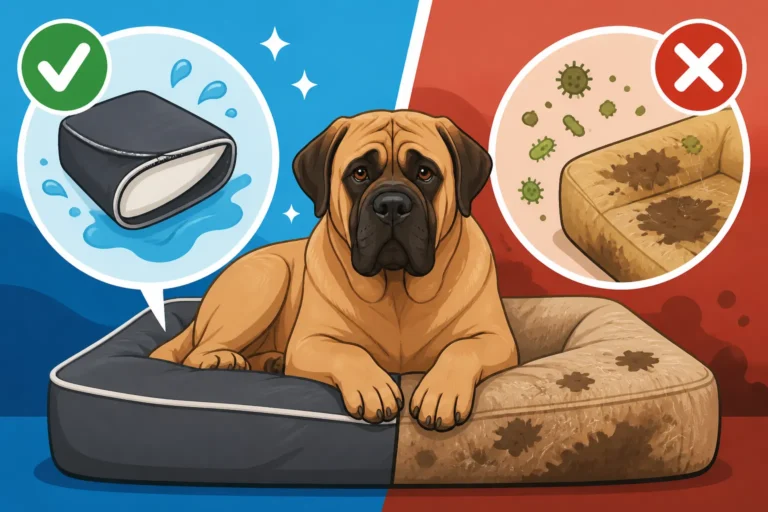
Similarly, even indoors, a large dog bed that isn't breathable or is placed in a sunny spot can become an oven. Carpets can hold heat, and areas without good air circulation can become stagnant and warm. Cars, even on a mild day, become death traps incredibly quickly; never, ever leave a Mastiff in a parked car, not even for a minute. Even a shaded dog run with a concrete slab can be problematic. Focus on cool, shaded, and well-ventilated areas, and consider alternatives to pavement for walks.
Proactive Strategies for Keeping Your Mastiff Cool
Preventing overheating is always better than treating it. With a Mastiff, this means being highly proactive and adjusting your routines, your home environment, and even their diet to mitigate the risks. A little foresight and planning can make all the difference in ensuring your gentle giant enjoys the warmer months safely.
Adapting Daily Routines and Exercise
The simplest and most effective strategy is to adjust your daily schedule. During warm weather, shift all outdoor activities to the coolest parts of the day: early morning or late evening. This means walks, potty breaks, and any backyard playtime. Even on these cooler parts of the day, keep activity moderate. A Mastiff does not need intense, prolonged exercise; in fact, it can be detrimental to their joints as puppies and risky for their heart and heat regulation as adults. Why a Mastiff Puppy Must Not Be Exercised Hard is an important read, as is understanding their adult exercise needs.
When you do go out, stick to shaded routes, like walking through parks with lots of trees rather than open sidewalks. Keep walks short, just enough for them to stretch their legs and do their business. Avoid dog parks during hot weather, as the excitement and interaction with other dogs can easily lead to overexertion. Always carry plenty of water and offer it frequently. Consider replacing long walks with indoor playtime or mental stimulation to keep them engaged without overheating.
Smart Hydration and Nutrition Choices
Proper hydration is paramount for a Mastiff, especially in warm weather. Always ensure they have constant access to fresh, cool water. Consider placing multiple water bowls around the house, and if they're outside for even a short period, bring water out to them. Adding ice cubes to their water bowl can make it more appealing and help slightly cool them from the inside out. For a detailed look at hydration needs, especially for dogs with certain health conditions, you might want to read How Much Water a Cystinuric Mastiff Needs.
Some owners find that adding a little plain broth (low sodium!) to their water can encourage drinking. When it comes to food, avoid feeding large meals during the hottest parts of the day, as digestion itself generates heat. Break their daily food allowance into smaller, more frequent meals. You might also explore cooling treats like frozen Kongs stuffed with safe fillings or dog-specific popsicles. Brands like Ollie offer fresh food options, and while not explicitly "cooling," ensuring they are consuming high-quality, easily digestible nutrition helps their overall system function optimally.
Utilizing Cooling Products and Home Modifications
There's a wide array of products designed to help keep dogs cool, and many are essential for a Mastiff. Cooling vests, bandanas, and mats can provide welcome relief. Look for options with hydrogel or evaporative cooling technology. A great place to check for these is Amazon or specialized pet supply retailers like Chewy. Just be sure to read reviews and select products sized appropriately for your giant.
Inside the house, maximize air circulation with fans and air conditioning. Ensure your Mastiff has a dedicated cool spot to retreat to, perhaps on tile or a cooling mat, away from direct sunlight. Blackout curtains can help keep rooms cooler. If you have outdoor access, a kiddie pool with a few inches of water can be a fantastic way for them to cool off, but always supervise them. Remember, What a Cooling Bed Suits a Mastiff can be a game-changer, and investing in good climate control, as discussed in How Much Cooling a Mastiff Household Needs, is not just a luxury but a necessity for Mastiff owners.
When to Seek Veterinary Intervention for Heatstroke
Despite all best efforts, sometimes overheating can escalate. Knowing when to make that urgent trip to the vet and what to expect during an emergency is critical for your Mastiff's survival and recovery. Time is of the essence, and prompt, professional care can dramatically improve the outcome.
Differentiating Between Heat Exhaustion and Heatstroke
It's helpful to understand the difference between heat exhaustion and heatstroke, though in an emergency, it's always safest to treat severe symptoms as heatstroke. Heat exhaustion is the milder form of overheating. Your Mastiff might be excessively panting, seeking shade, have reddish gums, and seem a bit sluggish. Their body temperature might be elevated but still below the critical heatstroke threshold (usually around 103-104°F). At this stage, immediate removal from the heat, slow cooling (cool, not cold, water), and rest can often reverse the condition.
Heatstroke, however, is a severe, life-threatening condition where the body's temperature regulation system has failed, and the internal temperature rises rapidly to dangerous levels (typically above 104°F, often higher). At this point, organ damage can occur very quickly. Symptoms like collapse, seizures, bloody vomiting or diarrhea, severe disorientation, and loss of consciousness indicate heatstroke. If you suspect heatstroke, do not try to cool them entirely at home; begin immediate cooling measures (wetting their body with cool water, focusing on armpits and groin) and transport them to the vet immediately.
Emergency Protocols and Long-Term Care
When you arrive at the emergency vet with a Mastiff suffering from heatstroke, expect swift action. The veterinary team will focus on lowering their core body temperature safely and quickly. This might involve intravenous fluids, cool water enemas, cool water baths, or cool compresses. They'll also monitor for secondary complications like organ damage (kidneys, liver, brain), disseminated intravascular coagulation (a serious bleeding disorder), and electrolyte imbalances. Blood tests will be run to assess organ function.
Recovery from severe heatstroke can be prolonged and complicated. Your Mastiff may require hospitalization for several days, depending on the extent of organ damage. Even after returning home, they will need careful monitoring. They may be more susceptible to future heat-related issues, and their veterinarian might recommend specific follow-up care or dietary adjustments. The cost of such an emergency can be substantial, which sadly highlights that The Mastiff's Short Life Buys the Biggest Bills, but saving your beloved companion is always worth it. Prevention, again, is truly the best medicine.
Disclaimer
This article is for general informational purposes only and does not constitute professional advice. Laws, prices and regulations vary by location and change over time. Consult a qualified professional for guidance on your specific situation.