The Feeding Chart a Mastiff Puppy Should Follow
Bringing home a Mastiff puppy is an exhilarating experience, full of slobbery kisses and clumsy giants-in-training. But let's be honest, the excitement often comes with a healthy dose of anxiety, especially when it comes to feeding. You've heard the warnings about giant breed growth, and suddenly every bag of kibble feels like a high-stakes gamble for your puppy's future health. This guide is here to cut through the confusion and provide a clear, empathetic roadmap for feeding your Mastiff puppy to support their healthy, steady development.
The Unique Nutritional Needs of a Mastiff Puppy
It’s easy to look at those adorable, rapidly expanding paws and think "more food equals bigger, stronger dog," but for a Mastiff puppy, nothing could be further from the truth. Their immense size and incredible growth rate mean their nutritional needs are fundamentally different from smaller breeds. Getting it wrong in these critical early months can have lifelong consequences.
Why Slow Growth is Paramount for Giant Breeds
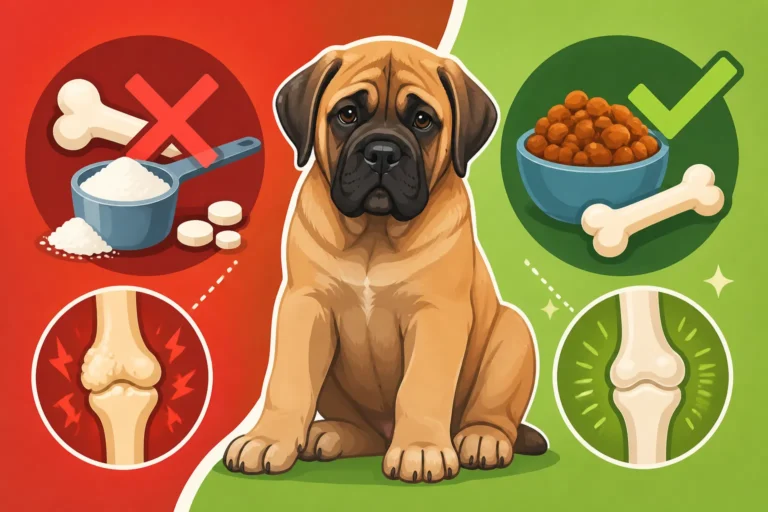
Imagine trying to build a skyscraper in a few weeks, throwing up steel girders and concrete without letting anything properly set. That's essentially what happens to a Mastiff puppy's skeletal system if they grow too quickly. Their bones, joints, and cartilage are developing at an astounding pace, and they need time, and the right building blocks, to solidify properly. Rapid weight gain and growth spurts put immense stress on these immature structures, significantly increasing the risk of developmental orthopedic diseases like hip and elbow dysplasia. These conditions can lead to chronic pain, costly surgeries, and a much-reduced quality of life for your gentle giant. Our goal isn't the biggest Mastiff on the block, but the healthiest one, which often means a lean, slower-growing puppy. It really is crucial to understand Why a Mastiff Puppy Must Grow Slowly.
Key Nutrients: Protein, Calcium, and Phosphorus Balance
When you're looking at dog food labels, it's easy to get caught up in flashy marketing or mistakenly think that more protein is always better. For a Mastiff puppy, it's about balance, not excess.
- Protein: While essential for muscle development, excessive protein isn't necessarily harmful, but it's often linked to higher calorie content, which can lead to too-rapid growth. Look for moderate protein levels, typically in the 23-26% range, from quality animal sources.
- Calcium and Phosphorus: This is where things get truly critical for giant breeds. The correct calcium-to-phosphorus ratio, and the absolute amount of calcium, is paramount. Too much calcium can interfere with bone remodeling and cartilage development, leading to serious skeletal issues. This isn't just about avoiding milk or calcium supplements; it means choosing a kibble specifically formulated for large or giant breed puppies. These formulas are designed with lower calcium levels and an optimal calcium-to-phosphorus ratio to promote controlled bone growth. Trying to "DIY" your puppy's diet or adding supplements without veterinary guidance is a recipe for disaster. This balance is central to The Protein and Calcium Ceiling for a Mastiff Puppy.
Deciphering the Feeding Chart: Guidelines and Practical Application
So, you've got your giant breed puppy food, now what? Those charts on the back of the bag can be intimidating, listing ranges that seem massive. Remember, these are starting points, not commandments set in stone.
Age-Appropriate Feeding Schedules and Portions
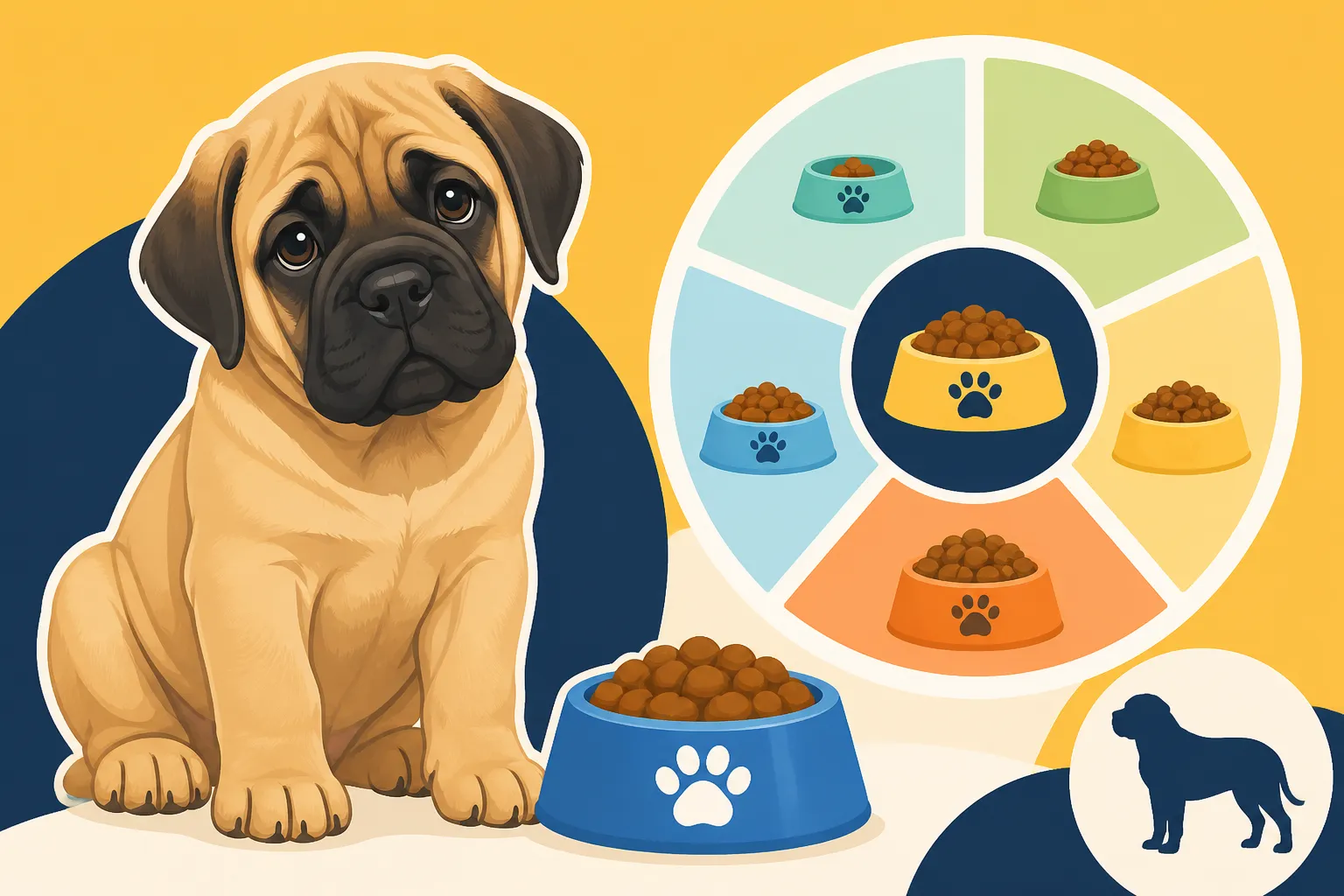
A Mastiff puppy's feeding schedule evolves as they grow, much like a human baby's. Here’s a general breakdown, but always watch your individual puppy, not just the clock.
- 8 to 12 Weeks: Your new arrival at this age will typically need three to four meals a day. Their stomachs are small, and their energy demands are high. Frequent meals prevent blood sugar dips and ensure a steady supply of nutrients for their explosive growth. The total daily amount will be divided across these meals.
- 3 to 6 Months: Many puppies will transition to three meals a day by around four months. Their digestive systems are maturing, and they can handle larger portions per meal. Keep observing their energy levels and stool quality to ensure the new schedule suits them.
- 6 to 12 Months (and beyond): Most Mastiffs will be doing well on two to three meals a day by six months. Some owners find three smaller meals prevent "bloat" concern, but two larger meals are often sufficient if the total daily intake is right. The key is consistency and ensuring adequate rest before and after eating, particularly relevant for a breed prone to bloat.
How to Read a Kibble Bag and Adjust for Your Puppy
This is where many new Mastiff owners get tripped up. The feeding charts on kibble bags are often designed to sell more food, or they cater to a wide range of activity levels and metabolisms. For a Mastiff, especially one where slow growth is key, you'll almost always be feeding less than the recommended maximum.
Start with the lower end of the recommended range for your puppy's weight and age. Then, monitor their body condition closely. Can you feel their ribs easily without seeing them? Do they have a noticeable waist when viewed from above? If not, they might be getting too much food. If you can clearly see ribs, they might need a little more. This isn't about precise measurements every single day, but about consistent observation.
Different brands will have different caloric densities. A high-quality large breed puppy food from a brand you might find on Chewy or even Amazon, will provide clear guidelines, but you'll still need to use your judgment. Remember, these are guidelines, and your puppy’s individual metabolism and activity level will dictate the true amount needed. A puppy who zooms around the yard (even though they shouldn't be over-exercised) might need slightly more than a more sedate sibling.
Monitoring Your Mastiff Puppy's Growth
Regular monitoring is your most powerful tool in ensuring healthy growth. Don't rely solely on the scale, though regular weigh-ins are helpful. The "hands-on" approach is even better.
- Body Condition Scoring (BCS): This is veterinary speak for checking if your dog is too fat or too thin. For a Mastiff puppy, you want to easily feel their ribs when you run your hands along their sides, but you shouldn't see them prominently. When viewed from above, there should be a slight tuck in their waist, not a straight barrel. From the side, their abdomen should tuck up slightly from their chest, rather than hanging low. A slightly "ribby" look in a giant breed puppy is often healthier than a round, pudgy one. Don't be afraid if your Mastiff puppy looks a bit lean – it’s a good thing! This lean look is really important to keep in mind, as discussed in How Ribby a Mastiff Puppy Should Look.
- Regular Weigh-Ins: Weigh your puppy weekly or bi-weekly. While we want slow growth, they still need to gain weight steadily. You'll notice they put on a significant amount of weight each week, but it should be a steady curve, not sudden spikes. Keep a little chart in your phone or on the fridge. It gives you an objective measure of progress.
- Veterinary Check-ups: Your veterinarian is your best partner in this journey. They can assess your puppy's growth curve, provide professional body condition scores, and catch any potential issues early. Don't hesitate to ask them if your puppy's weight and growth are on target. They'll also be able to advise you on How Much a Mastiff Puppy Gains in a Week.
Here’s a simplified example of how a feeding chart might look, emphasizing the need for individual adjustment:
| Age (Months) | Meals per Day | Approximate Daily Amount (Cups) | Notes |
|---|---|---|---|
| 2-3 | 3-4 | 4-6 | Divide into smaller, frequent meals. Monitor closely. |
| 4-5 | 3 | 6-8 | Adjust based on activity and body condition. |
| 6-8 | 2-3 | 8-10 | Transitioning to fewer meals. Keep an eye on rib coverage. |
| 9-12 | 2 | 9-12 | Many will be close to adult size but still growing. |
| 12-18 | 2 | 10-14 | May transition to adult large/giant breed formula. Continue monitoring. |
Disclaimer: This table provides extremely general guidelines. Always consult your specific food's recommendations and, more importantly, your veterinarian, while meticulously monitoring your puppy's body condition. Overfeeding is a common and dangerous mistake for Mastiff puppies.
Transitioning and Troubleshooting Feeding Challenges
The journey of feeding a Mastiff puppy isn't always smooth sailing. There will be questions, concerns, and perhaps a moment or two of panic. Knowing what to expect and how to handle it can make a world of difference.
When to Switch from Puppy to Adult Food
For most breeds, the switch from puppy to adult food happens around 9-12 months. For a giant breed like a Mastiff, this timeline is often extended. Many veterinarians and breeders recommend keeping a Mastiff puppy on a large or giant breed puppy formula until they are 18 months to two years old. Why so long? Because even though they may look like adults by a year old, their bones and joints are still maturing and growing.
The specialized large breed puppy formulas continue to support that slower, controlled growth. Once your vet gives the green light, transition to a high-quality large breed adult formula. This transition should be gradual, mixing increasing amounts of the new food with decreasing amounts of the old over 7-10 days to avoid digestive upset. It's a significant milestone, and one that often marks The Age a Mastiff Finishes Filling Out.
Common Feeding Mistakes to Avoid
The best intentions can sometimes lead to pitfalls when it comes to feeding these magnificent puppies.
- Overfeeding: This is, hands down, the most common and damaging mistake. We touched on it before, but it bears repeating: a pudgy Mastiff puppy is not a healthy Mastiff puppy. Excess weight puts undue strain on developing joints and can exacerbate genetic predispositions to orthopedic issues. Many new owners worry about their puppy being hungry, but a healthy, lean puppy is worth a few extra pleas for food. This directly leads to problems, as detailed in Whether Overfeeding a Mastiff Puppy Ruins Its Elbows.
- Supplementing Calcium or Other Minerals Unnecessarily: Unless specifically instructed by your vet, never add calcium, vitamins, or other mineral supplements to your Mastiff puppy's diet. As discussed, the calcium-to-phosphorus balance in commercial large breed puppy foods is carefully calibrated. Adding more can throw this balance off and lead to serious skeletal problems, including conditions like osteochondritis dissecans (OCD) or panosteitis. It's truly dangerous, and you can learn more about this in What Excess Calcium Does to a Mastiff's Elbows.
- Free-Feeding: While some dogs can handle free-feeding (leaving food out all day), it is generally a bad idea for a Mastiff puppy. It makes it impossible to accurately monitor their intake, can lead to overeating and rapid growth, and complicates house training. Moreover, a dog that grazes isn't developing a healthy mealtime routine. For a Mastiff, especially, you want to ensure they eat their meals in a calm, controlled environment to minimize bloat risk later in life. Scheduled meals allow you to monitor appetite, which is an important health indicator. This is why Why a Mastiff Puppy Is Never Free Fed is such critical advice.
- Too Many High-Calorie Treats: Those puppy dog eyes are hard to resist, but treats add up! Choose low-calorie, healthy treats and use them sparingly for training. If you're giving a lot of treats, reduce the amount of kibble in their meals to compensate.
Addressing Picky Eaters or Digestive Upset
Sometimes, despite your best efforts, your Mastiff puppy might turn up their nose at food or experience an upset stomach.
- Picky Eaters: Mastiffs aren't typically known for being overly picky, but it can happen. First, rule out any medical issues with a vet visit. If healthy, stick to a consistent feeding schedule and avoid offering endless alternatives. If they skip a meal, pick it up after 15-20 minutes and offer it again at the next scheduled feeding. They'll eat when they're hungry. You can try adding a splash of warm water to their kibble to make it more appealing, or a tiny dollop of plain canned pumpkin for flavor and fiber. Exploring options from places like Ollie, known for fresh food, might also offer more appealing textures if traditional kibble is consistently being refused, but ensure it's specifically formulated for large breed puppies or adult dogs when appropriate.
- Digestive Upset: Loose stools or vomiting can be alarming. If it’s severe, prolonged, or accompanied by other symptoms like lethargy, call your vet immediately. For mild, temporary upset, a bland diet of boiled chicken and rice (plain, no seasoning) for a day or two can often help reset their system. Gradually reintroduce their regular food. Probiotic supplements, approved by your vet, can also aid digestive health. Always transition foods slowly to prevent stomach issues.
Feeding a Mastiff puppy correctly is one of the most important jobs you have as an owner. It sets the foundation for a lifetime of health and happiness. By prioritizing slow, steady growth, choosing the right food, and diligently monitoring their condition, you're giving your magnificent companion the very best start possible.
Disclaimer
This article is for general informational purposes only and does not constitute professional advice. Laws, prices and regulations vary by location and change over time. Consult a qualified professional for guidance on your specific situation.