Why a Mastiff Slips on Hardwood
It's a disheartening sight, isn't it? Your magnificent Mastiff, a creature of such power and grace, suddenly looking clumsy and insecure, struggling to maintain its footing on your otherwise beautiful hardwood floors. Many of us Mastiff owners have watched our beloved giants slip, splay, and sometimes even take a tumble, leaving us feeling helpless and worried. This guide is here to walk you through exactly why your big dog struggles on smooth surfaces and, more importantly, what you can do to make your home a safer, more comfortable haven for them.
The Unfair Physics of a Giant Dog on Slippery Surfaces
When you have a dog that can easily outweigh an adult human, the laws of physics come into play in a very different way than they do for, say, a Jack Russell terrier. A Mastiff’s sheer size and weight, combined with its unique body mechanics, create a perfect storm for losing traction on anything less than a grippy surface. It’s not about clumsiness; it’s about a design not optimized for polished floors.
The Sheer Mass and Center of Gravity
Think about a bowling ball versus a tennis ball. The bowling ball, with its immense mass, exerts far more pressure on the surface it's on. Now imagine that bowling ball trying to stop quickly on ice. That's a bit like your Mastiff on hardwood. Their incredible weight means that every step, every shift of balance, every sudden movement, carries a huge amount of force. When that force meets a low-friction surface like polished wood, there’s often nothing to counteract it.
Furthermore, a Mastiff’s center of gravity is relatively high for its width, especially when they stand tall. This makes them inherently less stable when their feet start to slide out from under them. A smaller, lower-to-the-ground dog might simply do a quick little shuffle and regain balance, but a Mastiff's larger frame and higher center of gravity make recovery much harder. Once one leg starts to go, the domino effect of their own mass can quickly pull the rest of their body down. It’s a terrifying thing to watch your gentle giant flail, and it highlights just how vulnerable their impressive bulk can make them on the wrong kind of floor.
The Force of Momentum and Sudden Stops
Picture your Mastiff, trotting along, maybe heading to greet you at the door or going for a drink of water. They build up momentum, which, because of their weight, is considerable. If they need to stop or change direction quickly – perhaps they hear a noise, or another family member moves unexpectedly – that momentum needs to be abruptly canceled out. On carpet or a textured outdoor surface, their paws can dig in and provide the necessary friction to halt or pivot.
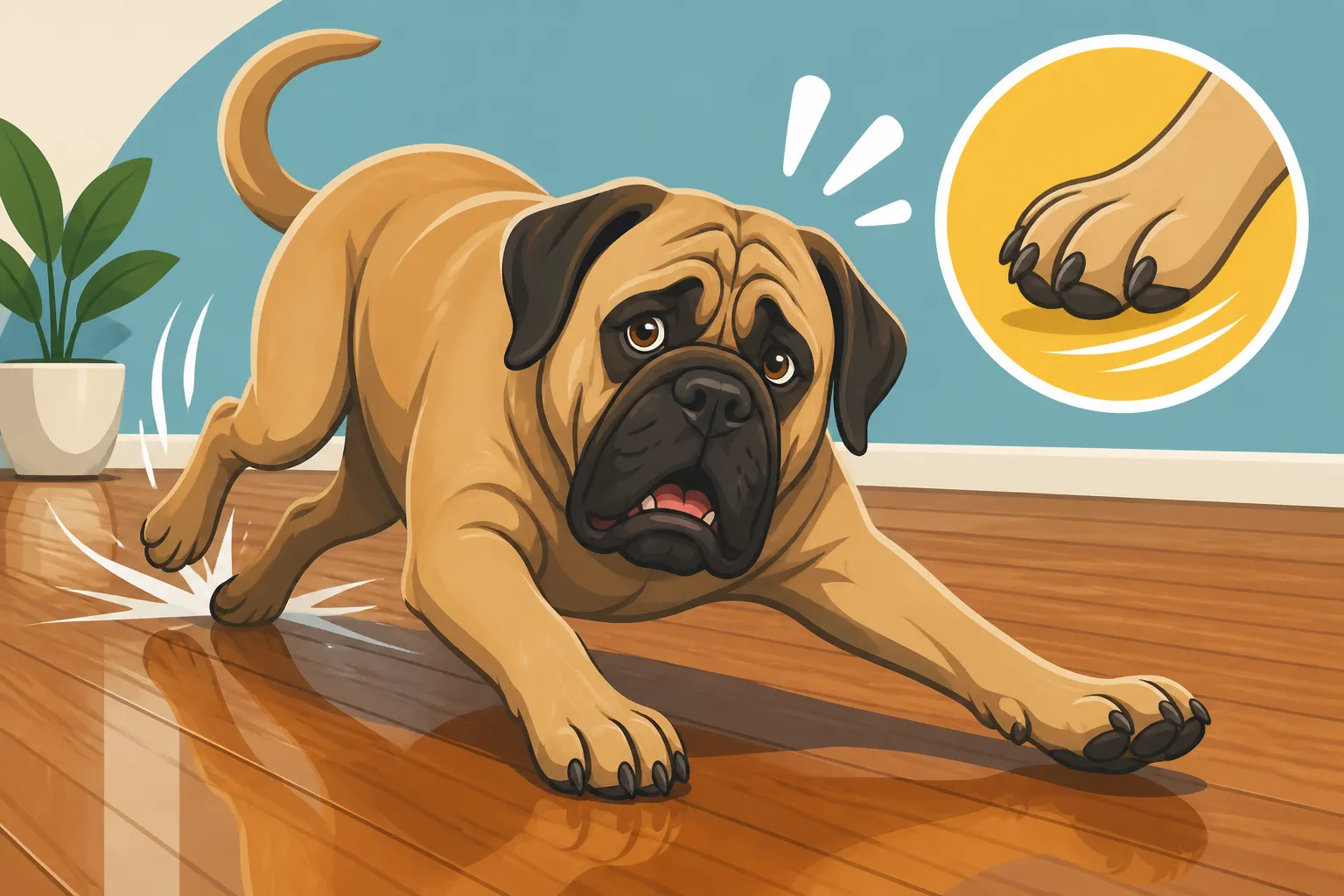
On a smooth hardwood floor, that friction simply isn’t there. Instead of stopping, their paws slide forward, often splaying out to the sides. This isn't just an inconvenience; it can be incredibly jarring and even painful. A split-second decision to stop can turn into an uncontrolled slide, potentially leading to falls, strains, or even serious injuries like a torn cruciate ligament. Whether a Mastiff Tears a Cruciate Ligament is a real concern when they repeatedly slip and lose footing. It’s particularly heartbreaking because it often happens during moments of excitement or innocent exploration, turning a joyful interaction into a moment of peril. Their powerful muscles, designed for pushing off stable ground, become a liability when the ground itself offers no resistance.
Anatomy of a Mastiff's Paw and Its Grip Challenges
Beyond the sheer physics of their size, the very anatomy of a Mastiff’s paw can exacerbate the problem of slipping. What looks like a robust, powerful paw is often ill-equipped for the unique demands of smooth indoor flooring without proper care.
The Role of Paw Pads and Reduced Traction
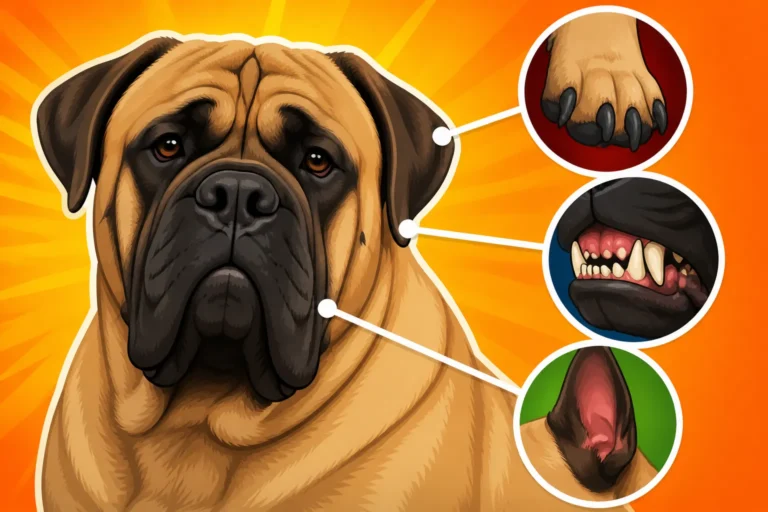
A dog’s paw pads are their primary interface with the ground. They are designed to be tough, somewhat textured, and provide grip, almost like the treads on your car tires. However, on smooth, hard surfaces, even healthy paw pads can struggle to find purchase. Over time, especially if a Mastiff spends a lot of time on hard floors, these pads can become smoother, harder, and less supple, further reducing their natural gripping ability. It’s a vicious cycle: they slip, their pads get smoother, and then they slip more easily.
Furthermore, some Mastiffs can develop dry, cracked paw pads, which might seem counterintuitive but can also reduce traction. While moisture is usually the enemy of grip, excessively dry pads lack the natural elasticity and slight stickiness that helps them conform to and grip surfaces. Regular moisturizing with a good quality paw balm can help keep pads supple and improve their natural grip. Thinking about how you’d treat your own dry, cracked hands after a harsh winter can give you a good idea of the kind of care your Mastiff’s pads might need.
Overlong Nails: A Common Culprit
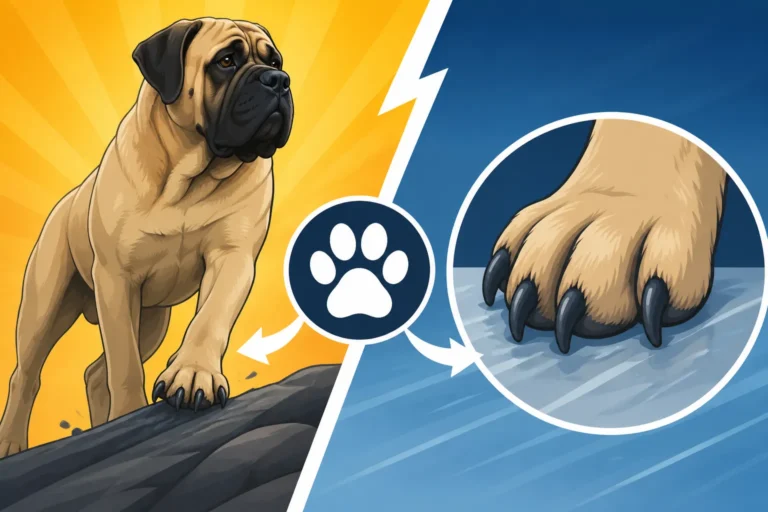
This is perhaps one of the most overlooked, yet easily correctable, reasons your Mastiff might be slipping. When a dog’s nails are too long, they act like ice skates on hard floors. Instead of the paw pads making full contact with the ground, the nails hit the floor first, lifting the pads slightly off the surface. This dramatically reduces the amount of friction available and makes slipping almost inevitable. Imagine trying to walk across a polished floor in high heels – it's a similar principle.
For a Mastiff, whose weight already challenges their stability, overlong nails are a major hazard. Not only do they cause slipping, but they can also lead to long-term issues with paw structure and gait, putting undue stress on their joints. The dog ends up compensating, splaying their toes and adjusting their posture, which can contribute to joint pain and arthritis down the line. It's not just about preventing falls; it's about their long-term orthopedic health. Getting those nails properly trimmed and maintained is one of the most impactful things you can do for their stability. Regularly trimming your Mastiff's nails to the correct length is crucial for preventing this issue and improving their overall comfort and mobility. Keeping a Mastiff's Nails Short Enough for Traction is a vital aspect of their care.
Hair Between the Toes: Another Hidden Issue
Another subtle but significant factor contributing to slippery paws, especially in Mastiffs with thicker coats or feathering on their feet, is excess hair growing between their paw pads. This seemingly innocuous hair can create an additional layer of slipperiness, much like walking on a shag carpet on a slick floor. The hair accumulates dirt, dust, and moisture, which further reduces the natural friction provided by the paw pads.
When your Mastiff’s paw pads are essentially walking on a cushion of hair rather than making direct contact with the floor, their ability to grip is severely compromised. It's like trying to get traction on a smooth surface while wearing fuzzy slippers. This issue is often overlooked because the hair isn't immediately visible unless you turn the paw over and spread the toes. Regular grooming, including trimming this interdigital hair flush with the paw pads, can make a surprising difference in your Mastiff's stability. It's a simple, inexpensive fix that can significantly improve their confidence and safety on hard floors, preventing unnecessary slips and slides.
How Your Home's Flooring Choices Impact Your Mastiff
The surfaces in our homes are often chosen for aesthetics, durability, or ease of cleaning, sometimes without full consideration for how they impact a giant breed like a Mastiff. The wrong flooring can turn your beautiful home into a hazardous obstacle course for your dog.
The Perils of Hardwood, Tile, and Laminate
These types of flooring are undeniably gorgeous, easy to clean, and durable – qualities that appeal to many homeowners, especially those with pets. However, for a Mastiff, they are fundamentally problematic. The smooth, non-porous surfaces offer virtually no friction for their large, heavy paws.
- Hardwood: While beautiful, its polished surface is a classic culprit for slips. The grain might offer a tiny bit of texture, but it's rarely enough to counteract a Mastiff's weight and momentum.
- Tile: Often even worse than hardwood, especially if glazed. The grout lines offer small islands of grip, but the tiles themselves are extremely slick. Imagine trying to walk on ice patches connected by tiny rough ridges – that’s what it can feel like for a Mastiff.
- Laminate: Designed to mimic wood or tile, laminate surfaces are typically very smooth and offer minimal traction. They can sometimes even be slicker than real wood, depending on the finish.
These floor types not only make slipping a daily occurrence but can also be incredibly intimidating for a dog. A Mastiff that has experienced a few bad falls can become visibly hesitant, slow, and anxious when navigating these surfaces. This reluctance isn't stubbornness; it's a learned fear response from repeated negative experiences. What Bare Floors Do to a Growing Mastiff is a serious consideration, as repeated slipping can lead to long-term joint damage even in younger dogs. They might start to creep along, splay their legs out wide for stability, or even refuse to enter rooms with these floor types, which severely impacts their quality of life and engagement with the family.
The Importance of Strategic Rug Placement
Given the challenges presented by hard flooring, strategic rug placement becomes not just an aesthetic choice, but a critical safety measure for your Mastiff. You don't necessarily have to carpet your entire home, but creating "traction pathways" and safe zones can make an immense difference.
Think about the areas your Mastiff frequents most: from their bed to the water bowl, from the door to the couch where they might lean on you. Laying down runners and area rugs in these high-traffic areas provides consistent, reliable grip. The key is to choose rugs with a non-slip backing or use rug pads underneath to prevent the rugs themselves from sliding, which would only create a new hazard. What Floor Runners for a Mastiff Cost can vary, but it's an investment in their health and confidence.
Beyond pathways, consider placing larger area rugs in rooms where your Mastiff spends a significant amount of time relaxing or interacting with the family. This gives them a large, stable surface to lie down on, stand up from, and generally move around without fear of slipping. It also provides cushioning for their joints. A well-placed rug by the bed or water bowl can save them from those precarious first steps after resting or the frantic scramble for a drink. Companies like Amazon or Chewy offer a wide variety of anti-slip rug pads and runners in various sizes and materials, making it easy to find options that fit your home's decor and your Mastiff's needs. This simple addition can drastically reduce their anxiety and improve their mobility, allowing them to enjoy their home without constant worry.
Age and Health Conditions That Worsen Slipping
While slipping on hardwood can affect Mastiffs of any age, certain life stages and health conditions make the problem significantly worse. As our gentle giants get older, or if they develop specific health issues, their ability to cope with slippery floors diminishes dramatically.
Arthritis and Joint Pain in Aging Mastiffs
This is perhaps the most common and heartbreaking reason an older Mastiff starts to struggle on smooth surfaces. Arthritis, the inflammation of joints, is unfortunately prevalent in large and giant breeds like Mastiffs. As their joints become stiff, painful, and less flexible, their natural gait changes. They might walk with a shorter stride, be hesitant to fully extend or flex their limbs, and find it incredibly difficult to push off with force or absorb impact effectively.
When an arthritic Mastiff steps onto a hardwood floor, the lack of immediate grip, combined with the pain of movement, can lead to a terrifying loss of balance. Their painful joints can't quickly adjust or brace themselves against a slide, making falls more likely and more impactful. The fear of falling can lead to a reduction in activity, which, in turn, worsens muscle atrophy and joint stiffness, creating a downward spiral. It's a cruel irony that the very floors we live on can become torture for our aging companions. Providing traction for these dogs is not just about comfort; it's about pain management and maintaining their quality of life. Arthritis in a Mastiff at Four is a reality many owners face, and it only gets tougher as they age. Supplementation can help, and many owners turn to products from Chewy to find quality Joint Supplements for a Mastiff.
Neurological Issues and Hind End Weakness
Beyond arthritis, various neurological conditions can significantly impair a Mastiff's coordination and strength, making slippery floors a major challenge. Conditions like Degenerative Myelopathy (DM), cervical spondylomyelopathy (Wobbler Syndrome), or even general nerve impingement can lead to hind end weakness, ataxia (uncoordinated gait), and proprioceptive deficits (a reduced awareness of where their limbs are in space).
A Mastiff suffering from these issues might drag their paws, stumble frequently, or have their hind legs splay out uncontrollably on slick surfaces. Their brain isn't effectively communicating with their limbs, or their muscles simply aren't strong enough to provide stability. On a grippy surface, they might still manage to walk, albeit awkwardly, but on hardwood, they become incredibly unstable. The risk of serious injury from a fall is extremely high for these dogs, and it’s heart-wrenching to see their once powerful bodies fail them. For these Mastiffs, a completely carpeted or heavily rugged environment is essential for their safety and dignity, as their ability to recover from a slip is severely compromised. What Degenerative Myelopathy Does to a Mastiff is a grim reality, and managing their environment becomes paramount.
Vision Changes Affecting Confidence
It's easy to focus on physical ailments, but a Mastiff's vision can also play a subtle yet significant role in their ability to navigate slippery floors, especially as they age. Just like humans, dogs can experience age-related vision decline, cataracts, or other eye conditions that make them less confident in their surroundings.
A Mastiff with impaired vision might misjudge distances, struggle to perceive changes in floor texture, or simply not see potential hazards as clearly. On a highly reflective hardwood floor, glares and shadows can create confusing visual cues, making the dog even more hesitant. If they can't clearly see where they're stepping or anticipate a slippery patch, their natural caution increases. This can lead to a slower, more deliberate, but paradoxically, less stable gait, as they might hesitate and shift weight awkwardly. The fear of the unknown underfoot can make them freeze or move clumsily, increasing the risk of a slip. The Age a Mastiff's Vision Starts to Go is a factor that often goes unnoticed, but can dramatically impact their confidence on smooth surfaces. Providing consistent, well-lit pathways with good traction can help immensely, allowing them to rely more on their tactile sense of the floor and less on potentially unreliable visual information.
Practical Solutions for a Safer Home Environment
Watching your Mastiff struggle on hard floors is stressful for both of you. The good news is that there are many practical and effective strategies you can implement to make your home a much safer and more comfortable place for your giant companion. These solutions often involve a combination of environmental adjustments, routine care, and sometimes, supportive aids.
Providing Ample Traction with Runners and Carpets
This is arguably the most immediate and impactful solution you can implement. While you might love your hardwood floors, your Mastiff desperately needs surfaces that offer grip.
- Strategic Runners and Area Rugs: As mentioned earlier, identify your Mastiff's primary pathways and congregation points. Lay down non-slip runners in hallways, from doorways to main living areas, and around key furniture where your dog interacts with the family. Large area rugs in living rooms and bedrooms provide ample space for them to relax, get up, and move around without fear. Look for options with built-in rubber backing, or invest in high-quality rug pads (often found on Amazon or Chewy) that adhere to the floor and prevent the rug itself from becoming a slip hazard.
- Carpeted Zones: If a full re-carpeting isn't an option, consider adding wall-to-wall carpeting in specific rooms where your Mastiff spends most of their time, such as a designated dog room or a heavily used den. This offers consistent, reliable traction and cushioning.
- Temporary Solutions: For temporary relief or during specific activities, yoga mats or non-slip utility mats can be used. These are great for placing under food and water bowls or near grooming areas.
The goal is to create a seamless "carpeted landscape" that your Mastiff can navigate with confidence, reducing their anxiety and preventing painful slips. It's about meeting them where they are and modifying the environment to suit their physical needs.
| Solution Type | Benefit for Mastiffs | Key Considerations |
|---|---|---|
| Runners/Rugs | Immediate traction, cushioning for joints | Must have non-slip backing/pad, cover main pathways |
| Paw Trims | Allows paw pads to contact floor, prevents "skating" | Regularity is key, use appropriate tools |
| Paw Hair Trims | Exposes paw pads for better grip | Trim flush with pads, avoid cutting skin |
| Paw Balms | Keeps pads supple, improves natural friction | Apply regularly, choose non-greasy formulas |
| Paw Grips/Socks | Direct traction on paws, protective | Proper fit crucial, dog must tolerate them |
| Orthopedic Beds | Support for joints, easier to get up from | Adequate thickness and firmness, placed on stable ground |
| Ramps | Avoids risky jumps/stairs, reduces joint impact | Must be sturdy and wide enough for a Mastiff, non-slip |
| Harness with Handles | Assists with mobility, provides control | Distributes weight evenly, comfortable fit |
Maintaining Paw Health: Trims and Hair Control
This is a proactive approach that significantly contributes to your Mastiff's stability. Neglecting paw health is like trying to drive a car with bald tires; it just won't grip.
- Regular Nail Trims: This is paramount. Overgrown nails push the paw pads up, reducing direct contact with the floor. You should aim for a length where the nails do not touch the ground when your Mastiff is standing naturally. For a Mastiff, this often means trimming every 2-4 weeks. If you're nervous about trimming, especially with their dark nails, consider using a Dremel tool for a smoother, shorter finish, or have a professional groomer or vet tech do it. Whether a Dremel Suits a Mastiff's Nails is a common question, and many find it less stressful than clippers.
- Trimming Interdigital Hair: The hair that grows between the paw pads can create a slick surface, especially on hard floors. Use blunt-nosed scissors or small clippers to carefully trim this hair flush with the paw pads. This exposes the natural texture of the pads, allowing them to make full contact and gain better traction. Be very careful not to cut the skin.
- Paw Pad Moisturizing: Dry, cracked paw pads can also lack the elasticity needed for good grip. A quality paw balm or moisturizer (you can find many options on Chewy or Amazon) applied regularly can keep the pads supple and healthy, improving their natural ability to grip. Just be sure it’s a non-greasy formula that won’t make the pads even more slippery.
These seemingly small acts of routine care can make a huge difference in your Mastiff's confidence and ability to move safely around your home.
Supportive Gear and Mobility Aids
Sometimes, even with the best floor modifications and paw care, a Mastiff might need a little extra help, especially as they age or if they have existing orthopedic or neurological conditions.
- Paw Grips/Traction Socks: These are non-slip rubberized pads or socks that fit over your Mastiff's paws, providing direct traction on slick surfaces. They can be particularly helpful for older dogs or those with hind-end weakness. Ensure you get a size appropriate for a giant breed and that they fit snugly without restricting circulation. Brands available on Amazon often specify sizes for large breeds.
- Orthopedic Beds: While not directly preventing slips, a good orthopedic bed helps your Mastiff get up more easily and provides vital joint support. A thick, supportive bed placed on a non-slip rug can make those first few steps less precarious. What an Orthopedic Bed for a Mastiff Costs can be significant, but it's an investment in their comfort and mobility.
- Ramps: For accessing vehicles, elevated beds, or even a few steps, a sturdy ramp can eliminate the need for risky jumps or climbs, which can be devastating for a Mastiff's joints, especially on slippery approaches. Ensure the ramp has a non-slip surface and is rated for your Mastiff's weight.
- Harnesses with Handles: For Mastiffs with significant mobility challenges, a full-body harness with sturdy handles over the back can be a lifesaver. It allows you to provide support and stability, helping them stand up, navigate difficult areas, or prevent a full fall. This is crucial for their safety and for protecting your own back when Lifting an Old Mastiff That Cannot Get Up. Whether a Mastiff Needs a Harness With Handles is a question many owners of older or mobility-challenged Mastiffs will eventually face, and the answer is almost always yes.
By combining these proactive measures, you can transform your home into a safe and accessible environment, allowing your Mastiff to move with greater confidence, comfort, and joy for many years to come.
Disclaimer
This article is for general informational purposes only and does not constitute professional advice. Laws, prices and regulations vary by location and change over time. Consult a qualified professional for guidance on your specific situation.