Whether a Mastiff Puppy Grows Too Fast on Rich Food
It's a common worry for new Mastiff puppy parents: you want to give your gentle giant the absolute best start in life, but you've heard whispers, maybe even firm warnings, about the dangers of feeding a Mastiff puppy "too much" or "too rich" food. The fear that you might inadvertently be setting them up for joint problems later in life is incredibly real and a heavy burden. This guide is here to cut through the confusion and help you understand precisely how nutrition impacts your Mastiff puppy's growth and lifelong health, so you can feed them with confidence.
The Peril of Rapid Growth in Mastiff Puppies
Bringing home a Mastiff puppy means you're signing up for an incredible growth spurt. They go from being relatively small bundles of fluff to truly enormous dogs in a surprisingly short amount of time. It's natural to want to fuel that growth with plenty of good food, but for giant breeds like Mastiffs, there's a delicate balance. Overfeeding, especially with certain types of "rich" food, can actually do more harm than good, putting immense stress on their developing skeletons.
Understanding the "Too Rich" Food Myth
When people talk about food being "too rich" for a Mastiff puppy, it's not always about the expensive ingredients or a high fat content in the way you might assume. While excessive fat can lead to an overweight puppy, the primary concern for giant breeds stems from two main factors: caloric density and, critically, an imbalance or excess of specific nutrients like calcium.
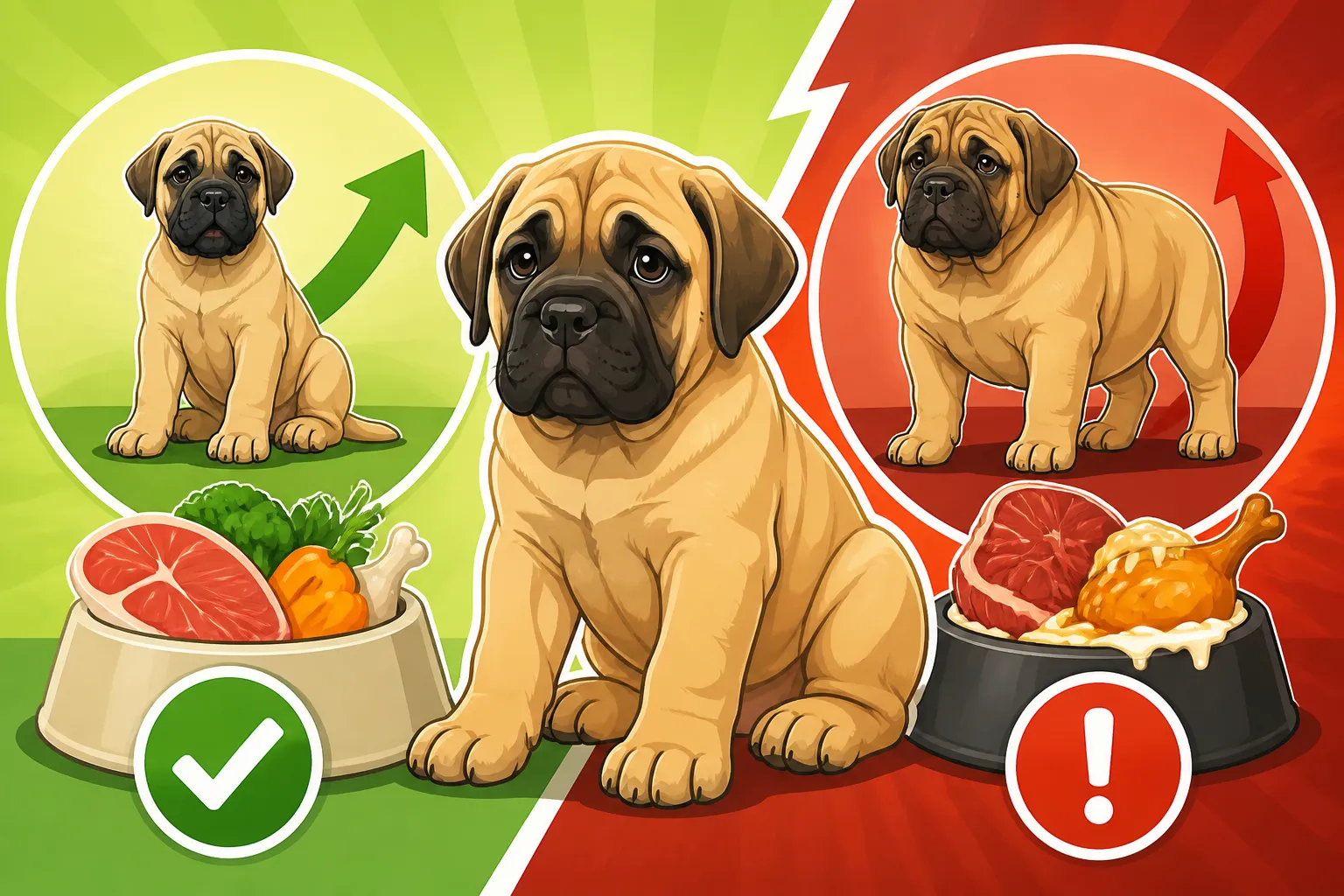
You see, a Mastiff puppy is programmed to grow, and grow big. If you provide them with an abundance of calories, they will grow even faster than their natural, already rapid rate. This super-charged growth doesn't necessarily mean a healthier or stronger dog; often, it means the opposite. Their bones, joints, and cartilage simply can't keep up with the accelerated rate of weight gain and linear growth. Imagine trying to build a skyscraper in half the time – corners would be cut, and the structural integrity would be compromised. It's much the same for your Mastiff's developing skeleton. Owners are often filled with anxiety, trying to navigate the sea of dog food options and conflicting advice, all while wanting to nourish their growing companion perfectly. It's a challenging situation, and one that requires careful consideration.
Skeletal Development and Growth Plates
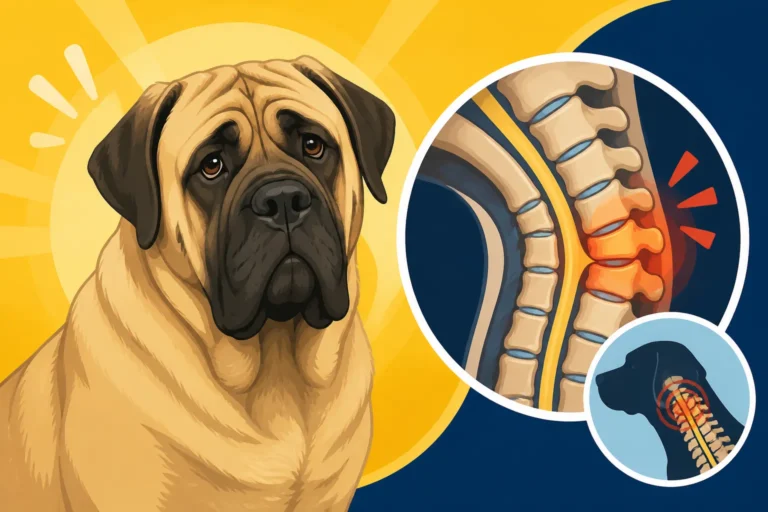
The unique vulnerability of a Mastiff puppy lies in its growth plates. These are areas of cartilage located near the ends of long bones that gradually harden into bone as the puppy matures. They are essentially the "factories" of bone growth. For a large or giant breed, these growth plates remain open and soft for a longer period than in smaller dogs, making them susceptible to injury and abnormal development.
When a Mastiff puppy grows too quickly, particularly if they become overweight, the increased stress and weight on these delicate growth plates can lead to a host of orthopedic problems. Conditions like Why a Mastiff's Hips Fail Under Its Own Weight and Elbow Dysplasia Affects One Mastiff in Seven are unfortunately common in giant breeds, and while genetics play a significant role, improper nutrition and too-rapid growth can exacerbate or even trigger these issues. These conditions aren't just uncomfortable for your dog; they can lead to chronic pain, mobility issues, and require expensive veterinary interventions, including surgery. This is precisely why early preventative care is so vital. Being prepared for such eventualities, perhaps by having robust pet insurance like Healthy Paws, can certainly alleviate some of the financial stress associated with managing these conditions if they arise. However, the ultimate goal is to prevent them through proper care from the start.
The Ideal Nutritional Strategy for Mastiff Puppies
So, if "rich food" can be problematic, what's the right approach? The key isn't deprivation but controlled, balanced nutrition that supports slow, steady growth rather than explosive development. This thoughtful approach helps ensure their skeletal system matures properly, laying the foundation for a long, healthy life.
Protein and Calcium: Finding the Right Balance
When it comes to feeding a Mastiff puppy, not all nutrients are created equal, especially protein and calcium. It's a common misconception that high protein content is bad for large breed puppies. In reality, adequate protein is crucial for muscle development. The issue isn't typically protein quantity, but rather calcium quantity and the calcium-to-phosphorus ratio.
For a large breed puppy food, you're generally looking for a protein content in the range of 23-28% and a fat content of 12-18%. However, the calcium level is where you need to be particularly vigilant. Excess calcium can interfere with the proper mineralization of bones and cartilage, leading to skeletal abnormalities. A suitable calcium range for a large breed puppy is typically between 0.8% and 1.2% on a dry matter basis. Even more critical is the calcium to phosphorus ratio, which should ideally be between 1.1:1 and 1.4:1. Anything outside these ranges can be risky. For a deeper dive into these specific nutritional needs, you might want to read about The Protein and Calcium Ceiling for a Mastiff Puppy and Why Calcium Is Capped for a Growing Mastiff. This careful balance ensures that bones grow strong without growing too quickly or forming improperly, saving your Mastiff from potential discomfort and costly veterinary care down the line.
Controlled Feeding and Caloric Intake
One of the most impactful things you can do for your Mastiff puppy's health is to strictly control their caloric intake. This means no free-feeding. Free-feeding allows your puppy to eat as much as they want, whenever they want, almost guaranteeing they will consume too many calories and grow too fast. Instead, measure out their meals and feed them on a consistent schedule.
You should aim for your Mastiff puppy to grow at a slow, steady pace, rather than packing on pounds rapidly. This requires diligent monitoring of their weight and body condition score. You should be able to easily feel your puppy's ribs without seeing them distinctly, and they should have a discernible waist when viewed from above. A slightly lean puppy is much healthier than an overweight one, especially during their critical growth phases. Adjust their food portions based on their individual growth rate and body condition, not just the guidelines on the bag, which are often generalized. The manufacturer's feeding guidelines are a starting point, but every puppy is different, and the goal is healthy growth, not maximal growth. For more detailed guidance, check out articles like Why a Mastiff Puppy Must Grow Slowly and The Feeding Chart a Mastiff Puppy Should Follow. Keeping your Mastiff at a healthy, lean weight helps reduce strain on developing joints and minimizes the risk of orthopedic issues, potentially reducing the need for extensive veterinary care that even pet insurance providers like Healthy Paws would need to cover.
Here’s a simplified table illustrating ideal nutrient ranges for Mastiff puppy food:
| Nutrient | Ideal Range (Dry Matter Basis) | Why it Matters for Mastiffs |
|---|---|---|
| Protein | 23-28% | Essential for muscle development and overall growth, but excessive amounts aren't the primary concern for orthopedic issues. |
| Fat | 12-18% | Provides energy; too much can lead to obesity and rapid weight gain, stressing joints. |
| Calcium | 0.8-1.2% | Crucial for bone development. Excess calcium is a major concern as it can lead to skeletal abnormalities and contribute to orthopedic diseases. |
| Phosphorus | 0.7-1.0% | Works with calcium for bone health. The balance between the two is vital. |
| Calcium:Phosphorus Ratio | 1.1:1 to 1.4:1 | Maintaining this precise ratio helps ensure proper bone mineralization and prevents developmental orthopedic diseases. |
Practical Feeding Guidelines and Common Pitfalls
Navigating the world of puppy food can feel overwhelming, especially with the unique needs of a Mastiff. But with a clear understanding of what to look for and what to avoid, you can confidently provide the best nutrition for your giant breed puppy.
Choosing the Right Food for Your Mastiff Puppy
When standing in the pet store aisle, confronted by dozens of bags of kibble, it's easy to feel lost. For a Mastiff puppy, your absolute priority should be a high-quality large breed puppy formula. These foods are specifically formulated with controlled calcium levels, appropriate protein and fat percentages, and a balanced mineral profile designed to support the slower, more deliberate growth needed by giant breeds.
Look for bags that explicitly state they are for "large breed puppies" or "giant breed puppies." Avoid generic "all life stages" foods, as these often have higher calcium levels suitable for smaller, faster-growing breeds, but detrimental to a Mastiff. Always check the guaranteed analysis on the back of the bag for those crucial calcium and phosphorus percentages we discussed. Reputable brands like Eukanuba Large Breed Puppy or Royal Canin Giant Puppy formulas are often good choices because they invest in research tailored to the specific needs of these colossal canines. Always ensure the food meets the nutritional levels established by the AAFCO (Association of American Feed Control Officials) Dog Food Nutrient Profiles for growth, which should be stated on the label. If you're wondering Whether Large Breed Puppy Food Is Enough for a Mastiff, the answer is usually a resounding yes, provided it's the right kind and fed correctly.
Monitoring Growth and Adjusting Diet
Your Mastiff puppy's growth isn't a set-it-and-forget-it process. It requires ongoing observation and adjustment. Regular weight checks are essential. While you don't need to weigh them daily, a weekly or bi-weekly check at home can give you valuable data. Far more important than the number on the scale, however, is their body condition score.
You should regularly feel your Mastiff puppy's ribs. They should be easily palpable under a thin layer of fat, but not visible. If you can't feel their ribs without pressing hard, they're likely carrying too much weight. Conversely, if their ribs are visibly prominent, they're too thin. A good indicator is also their waistline; your puppy should have a definite tuck behind the ribs when viewed from the side and a noticeable hourglass shape when viewed from above. A great resource for understanding this is How Ribby a Mastiff Puppy Should Look. If your puppy is growing too fast or too slow, or becoming too heavy, you need to adjust their food intake, either by slightly reducing or increasing the portion size. This is a dynamic process! Most Mastiffs can begin transitioning from a large breed puppy formula to a large breed adult formula around 12 to 18 months of age, or sometimes even earlier, depending on their individual growth trajectory. Knowing The Month a Mastiff Should Leave Puppy Food can be critical to long-term health, as keeping them on high-calorie, growth-specific food for too long can continue to promote problematic rapid growth. Remember, preventing issues like Whether Overfeeding a Mastiff Puppy Ruins Its Elbows starts with careful monitoring from day one. Consistent, proactive care and thoughtful nutrition can help you avoid potential health concerns that could necessitate extensive vet visits, even with a comprehensive pet insurance plan from Healthy Paws.
Beyond Food: The Role of Exercise and Environment
While nutrition is paramount, it's not the only factor influencing your Mastiff puppy's skeletal health. Their physical activity and living environment also play crucial roles. It’s vital to understand that a Mastiff puppy needs controlled, moderate exercise, not vigorous or high-impact activity. This means no long runs, no excessive jumping, and definitely no prolonged strenuous play sessions during their formative months. Their still-developing joints and growth plates are incredibly fragile, and too much stress can lead to permanent damage. For more on this, check out The Mastiff Puppy You Are Not Allowed to Exercise and Why a Mastiff Puppy Must Not Be Exercised Hard.
Furthermore, consider your home environment. Slippery surfaces like hardwood or tile floors can be incredibly detrimental to a growing Mastiff puppy. Their large, heavy bodies can easily splay out, putting unnatural stress on their hips and elbows. Using rugs, runners, or even temporary carpet squares can provide much-needed traction. Avoid having them navigate stairs frequently, especially going down, as this also places undue pressure on their joints. Providing soft, supportive bedding in multiple locations around the house is also essential, so they don't have to lie on hard surfaces. It all works together: proper nutrition, appropriate exercise, and a safe environment contribute to the strong, healthy Mastiff you envision.
Disclaimer
This guide provides general information and recommendations for feeding Mastiff puppies. Always consult with your veterinarian for personalized advice tailored to your individual puppy's health, genetics, and specific needs. Nutritional requirements can vary, and a professional can offer the best guidance.