Making the Decision for an Old Mastiff
Facing the decline of an elderly Mastiff is one of the most heart-wrenching realities of sharing your life with these gentle giants. It's a journey filled with love, worry, and eventually, the profound weight of a decision that no owner ever truly feels ready to make. This guide is here to walk you through the emotional and practical considerations of making that incredibly difficult choice for your beloved old Mastiff, offering a compassionate look at assessing their quality of life, understanding your options, and finding peace in their final chapter.
The Emotional Weight of the Decision
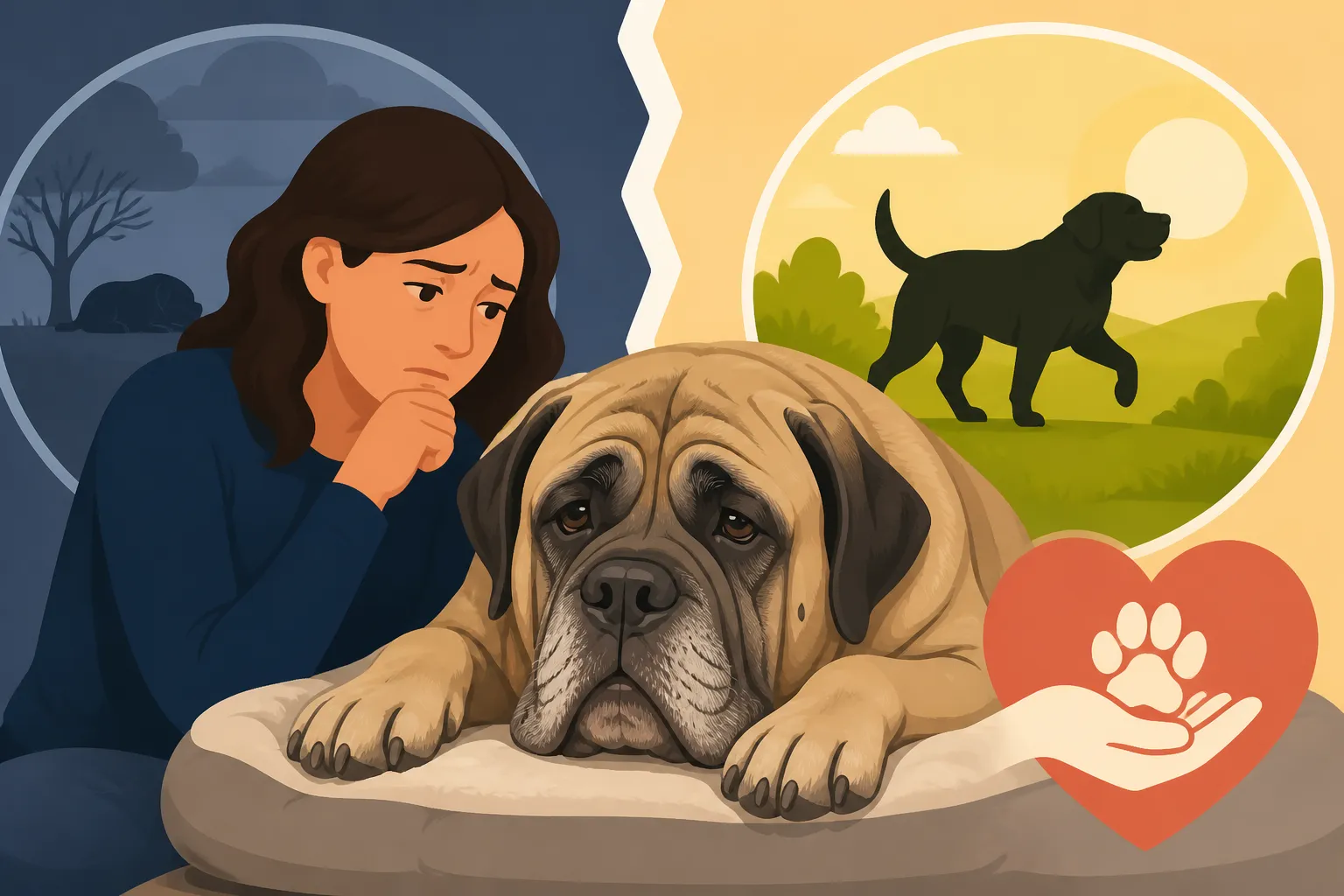
Let's be honest, few things in life prepare you for the profound sadness of watching your magnificent Mastiff, once a boisterous puppy and then a stately adult, begin to succumb to the ravages of age. Their immense size, which brought so much joy and comfort, can also amplify their struggles in old age, making the decision-making process even more complex and emotionally taxing. The bond you share is deep, and the thought of breaking it is almost unbearable. It's completely normal to feel a tidal wave of emotions, from denial and guilt to intense sorrow, long before the final steps are even taken.
Recognizing the Signs of Declining Quality of Life
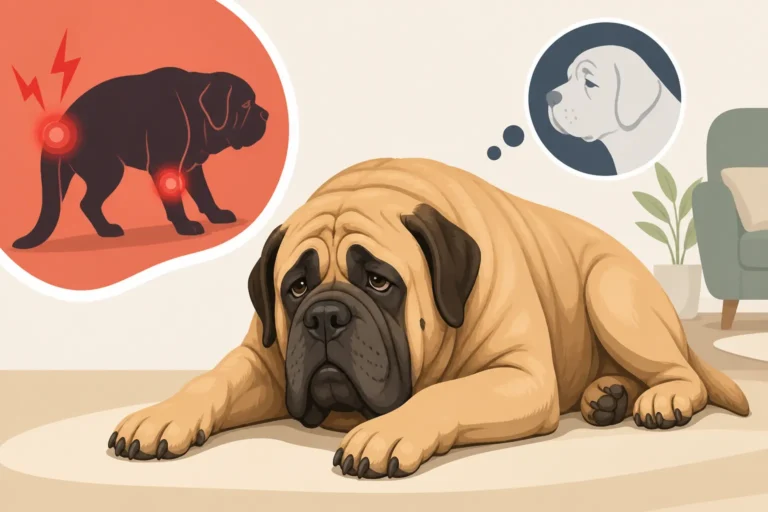
One of the hardest parts is distinguishing a "bad day" from a sustained decline. You find yourself scrutinizing every movement, every sigh, every skipped meal. Is it just old age slowing them down, or are they truly suffering? This constant questioning can be emotionally exhausting. Often, their massive bodies hide pain remarkably well until it's quite advanced, making it even harder for us to gauge their true discomfort. You might notice subtle changes at first – a reluctance to get up for walks, choosing to lie in one spot for longer periods, or maybe a change in their breathing.
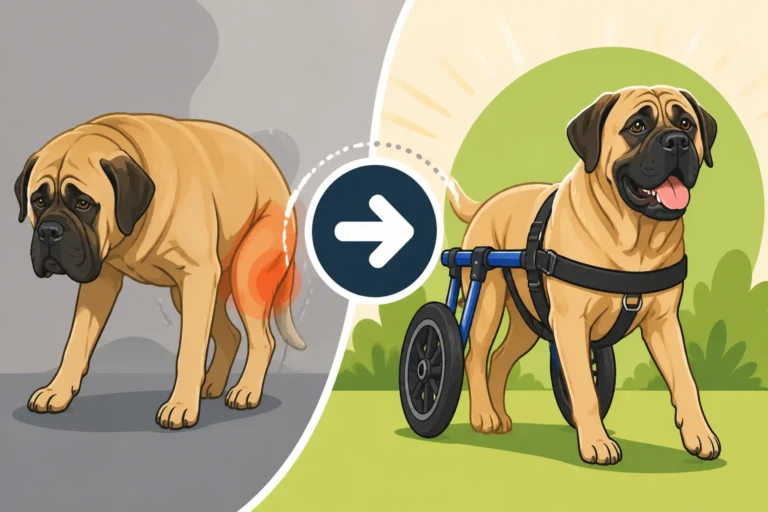
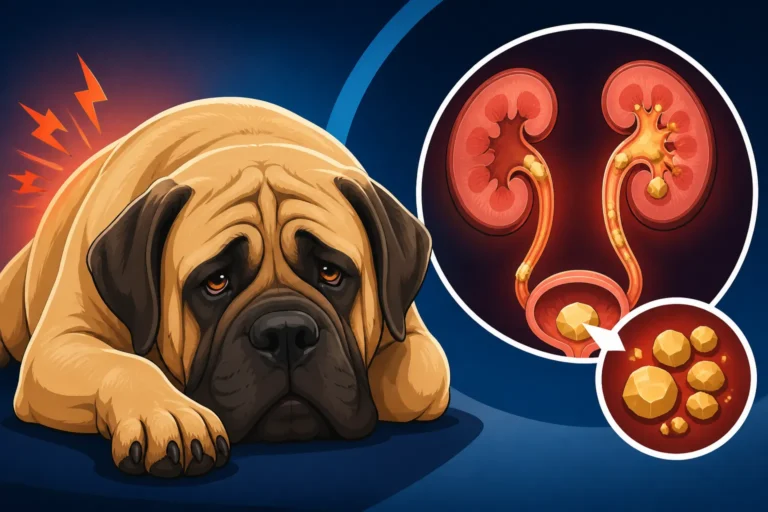
As the days turn into weeks, these subtle signs often become more pronounced. Perhaps your Mastiff, who once greeted every morning with a tail thump, now struggles to rise, their hips wobbling, their massive legs unsure beneath them. You might see them licking at a persistent ache, or retreating to a quiet corner, no longer seeking out the family hubbub they once adored. A loss of appetite, or difficulty eating and drinking, can also be a significant indicator. Sometimes, it's the lack of interest in their favorite toys or people that truly hits home, a flicker gone from those soulful eyes. Understanding these signs is crucial, but it never makes the recognition any less painful. It's about recognizing when the good days are becoming truly few and far between, and when pain management struggles to bring them genuine comfort.
The Guilt and Grief Before, During, and After
The guilt, oh, the guilt. It’s a heavy cloak that many Mastiff owners wear, even when they know deep down they are making the most compassionate choice. You question whether you did enough, whether you waited too long, or if you're acting too soon. This emotional turmoil can be paralyzing. The love you have for your Mastiff is so immense that the idea of actively participating in their end-of-life journey feels like a betrayal, even though it's the ultimate act of selflessness. You’re not just grieving the impending loss; you’re grieving the vibrant dog they once were, the memories you’ve shared, and the future moments you won't have.
This anticipatory grief is a very real phenomenon. You might find yourself crying over their sleeping form, cherishing every last touch and smell, knowing that each moment is precious. After they are gone, the grief can be profound and all-consuming. The silence in the house, the empty space where their huge body once lay, the lack of a wet nose nudging your hand – these can feel unbearable. It’s important to remember that this depth of sorrow is a testament to the depth of your love. Allow yourself to feel it, and understand that there’s no right or wrong way to grieve. Many owners find comfort in resources that explain that "making the decision for an old Mastiff" is an act of love, not abandonment.
Practical Considerations and Veterinary Support
When the emotional weight becomes almost too much to bear, leaning on professional guidance and understanding the practical steps can provide a necessary framework. Your veterinarian is your most crucial ally during this time, helping you objectively assess your Mastiff's condition and navigate the options available. The sheer size of a Mastiff also introduces unique practical challenges, from transportation to handling, which need careful consideration as they decline.
Working With Your Veterinarian to Assess Comfort
Your veterinarian can provide an objective assessment of your Mastiff’s pain levels and overall quality of life. They can help you evaluate what seems like a collection of isolated symptoms to form a comprehensive picture. Don't hesitate to openly discuss your concerns. Ask candid questions about their prognosis, potential for improvement, and how much pain they might be experiencing that you aren't seeing. Sometimes, the conversation itself can be a huge relief, as it validates what you've been feeling. It’s important to remember that they are there to support you and your Mastiff, not to judge.
Your vet might suggest a quality of life assessment tool, a questionnaire designed to help you quantify your Mastiff’s good days versus bad days, focusing on key areas like appetite, hydration, hygiene, happiness, mobility, and pain. This can be incredibly helpful in moving past the emotional fog to a more concrete understanding of their state. They can also discuss whether changes in medication, diet, or routine could offer a temporary improvement, but also help you recognize when those interventions are no longer sufficient. This is also a time to consider the financial implications of extended palliative care. While pet insurance providers like Healthy Paws can significantly ease the burden of unexpected vet bills throughout a Mastiff's life, prolonged end-of-life care, even for conditions like Degenerative Myelopathy in a Mastiff, can still accumulate substantial costs.
Here's a simplified table illustrating common indicators your vet might discuss:
| Category | Indicators of Good Quality of Life | Indicators of Poor Quality of Life |
|---|---|---|
| Appetite | Eating meals with enthusiasm, enjoying treats. | Refusing food, significant weight loss, disinterest in treats. |
| Hydration | Drinking normally, moist gums. | Dehydration, dry gums, reduced water intake. |
| Hygiene | Able to relieve themselves outside, relatively clean. | Frequent accidents indoors, lying in urine/feces, inability to clean self. |
| Happiness | Engaged with family, responds to affection, enjoys surroundings. | Withdrawn, unresponsive, no longer enjoys favorite activities or people. |
| Mobility | Able to walk, stand, lie down with reasonable ease, minimal assistance. | Significant difficulty standing/walking, constant falling, inability to get up, Lifting an Old Mastiff That Cannot Get Up. |
| Pain | Appears comfortable, responsive to pain medication, not restless. | Constant panting, restlessness, whimpering, reluctance to be touched, groaning. |
Understanding End-of-Life Care Options
Once the decision is made, or even when you're exploring options, understanding the different paths available can bring a measure of control during an uncontrollable time. Palliative care focuses on managing pain and discomfort to ensure the best possible quality of life for as long as possible, without aiming for a cure. This can involve pain medications, anti-inflammatories, mobility aids, and even acupuncture. For many Mastiffs, whose bodies suffer significant strain, a focus on Caring for a Mastiff Past Five is often about comfort.
When it becomes clear that palliative care is no longer enough to maintain a good quality of life, humane euthanasia is the final, selfless act of love. This procedure is usually quick and peaceful. Many veterinary practices now offer in-home euthanasia, which can be a profound comfort for both you and your Mastiff. Being in their familiar environment, surrounded by the people they love, can reduce stress immensely. Imagine your massive companion, who already struggles with car rides and vet visits, being spared that final stressful trip. It allows for a private, intimate farewell on their terms. Discuss these options with your vet well in advance, including what happens afterwards regarding remains, whether you choose cremation or burial. Planning ahead can alleviate some of the frantic decision-making in the moment. Remember that pet insurance policies, such as those from Healthy Paws, often cover certain aspects of end-of-life care and diagnostics, which can be a relief during this trying period, as "the Mastiff's short life buys the biggest bills."
Creating Comfort and Saying Goodbye
The final days, weeks, or even months with your old Mastiff are a precious, bittersweet gift. Making them as comfortable and peaceful as possible is your ultimate goal, a final act of devotion to the dog who has given you so much. It’s about creating an environment of love, minimizing stress, and allowing yourself to say goodbye in a way that feels right for both of you.
Making Their Final Days as Peaceful as Possible
Your Mastiff's world might have shrunk, but you can fill that smaller world with immense love and comfort. Focus on what still brings them joy. Maybe it’s a favorite soft blanket, a special treat they can still manage, or simply lying close to you while you read or watch TV. If they are struggling with mobility, strategically placed beds around the house, especially a thick, orthopedic one, can make a huge difference, particularly since a Mastiff Lying Two Hundred Pounds on One Elbow All Day can develop painful calluses. Ensure easy access to food and water, perhaps in elevated bowls to reduce strain on their neck. Keep their environment calm and quiet, especially if they are easily startled or in pain.
Consider their basic needs. Are they able to get outside easily for potty breaks? If not, indoor potty pads might be a temporary solution. Do they need help changing positions? Simple assistance, a gentle hand under their chest or hindquarters, can make them feel secure. For many, simply being near you is the greatest comfort. Spend time just being with them, stroking their head, speaking softly. These quiet moments, despite the heartache, are invaluable for both of you. They will remember your calm presence and unwavering love, making their final chapter one of peace and reassurance. This is a time where you can truly give back all the unconditional love they’ve showered on you throughout their Six to Ten Years Is What a Mastiff Gets.
Honoring Their Memory and Coping with Loss
The void a Mastiff leaves behind is enormous, physically and emotionally. When "what ends a Mastiff at eight" becomes a reality, the silence can be deafening. It’s important to find ways to honor their memory and allow yourself to grieve fully. Some people create a photo album or a special memorial space in their home. Others plant a tree in their honor or donate to a Mastiff rescue in their name. These acts can be incredibly therapeutic, transforming your grief into a tangible tribute. Remember that pet insurance, while not covering grief counseling, can certainly help manage the financial strain leading up to this point, allowing you to focus on your Mastiff's comfort rather than mounting bills. The full cost of eight years with a Mastiff includes these difficult final moments.
Don't isolate yourself. Talk to friends or family who understand your bond with your Mastiff. Join online support groups for pet loss, where you can share stories and connect with others who are experiencing similar feelings. There are also professional pet bereavement counselors available who can help you navigate the complexities of grief. Allow yourself to cry, to remember, and to feel the pain. It’s a natural process. Over time, the sharp edges of grief will soften, and you’ll be able to look back on your Mastiff's life with a profound sense of gratitude and love, cherishing the incredible memories you made together. The love never dies, and their paw prints will forever be etched on your heart.
Disclaimer
This article is for general informational purposes only and does not constitute professional advice. Laws, prices and regulations vary by location and change over time. Consult a qualified professional for guidance on your specific situation.