Why Neutering Age Matters More in a Male Mastiff
Deciding when to neuter your beloved male Mastiff is far more complex than a simple vet appointment. It’s a decision fraught with potential long-term consequences, impacting everything from his monumental growth to his overall health and even his laid-back personality. This guide is here to unravel the specific reasons why the timing of neutering holds unique importance for male Mastiffs, helping you make the most informed choice for your giant companion.
The Unique Growth and Development of a Male Mastiff
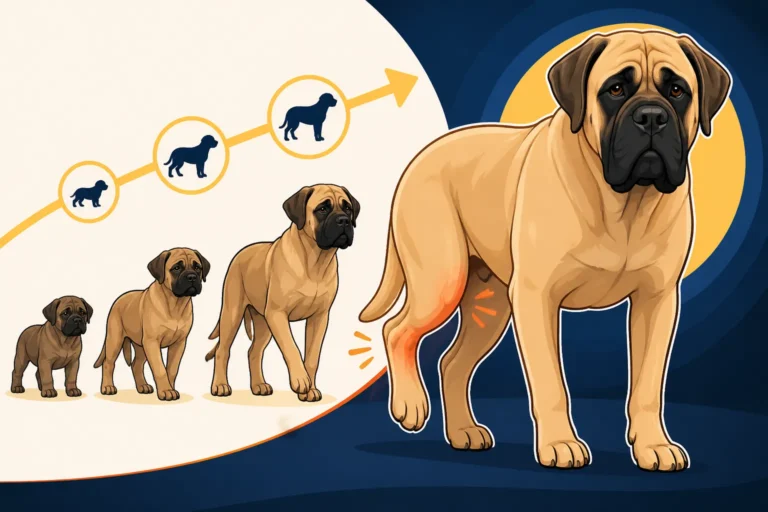
Bringing home a Mastiff puppy is an exercise in watching something truly magnificent unfold. These aren't your average-sized dogs; they're canine titans who grow at an astonishing rate. But this rapid growth also means their bodies are under immense developmental stress for a prolonged period, making the timing of neutering a critical consideration.
Skeletal Maturity and Growth Plate Closure
Unlike smaller breeds that might reach skeletal maturity around 12-18 months, a male Mastiff's growth plates — the soft, cartilaginous areas at the ends of long bones that allow for growth — often don't fully close until they are between 18 to 24 months, sometimes even later. These growth plates need the natural hormones produced by the testes, primarily testosterone, to properly fuse and strengthen. When neutering happens too early, before these plates have completely closed, it can significantly alter the natural growth process. The bones might continue to grow longer than intended, leading to disproportionate limb lengths, which in turn can put undue stress on joints that are already contending with an enormous body mass.
Imagine a towering bridge designed to support a certain weight, but its foundational pillars are built with slightly less robust materials or are stretched just a little too long. The structure might stand, but it's inherently less stable and more prone to wear and tear. That's a simplified way to think about what can happen to a Mastiff's joints when the hormonal signals for proper bone development are disrupted too soon. The sheer scale of a Mastiff means that every tiny structural deviation is magnified, making joint integrity paramount.
The Role of Hormones in Bone Health and Muscle Mass
Testosterone is a powerful hormone, and in male Mastiffs, it plays a vital role in developing not just strong bones but also the dense muscle mass that supports their substantial frame. It contributes to bone density, ligament strength, and the overall robust musculature that helps stabilize their massive joints, like those in the hips and elbows. These are joints that already bear an incredible load – consider that Why a Mastiff's Hips Fail Under Its Own Weight is a real concern for the breed.
When a male Mastiff is neutered, the production of these crucial hormones ceases. If this happens before his body has had a chance to fully mature, he might develop a less dense bone structure and reduced muscle mass compared to an intact male allowed to mature naturally. This isn't just about looking "less masculine"; it's about the very foundational integrity of his body. Strong muscles and dense bones are essential shock absorbers and support systems for a dog that will eventually weigh upwards of 160-200 pounds or more. Compromising this natural development, even slightly, can increase his vulnerability to orthopedic issues that could impact his quality of life for years.
Long-Term Orthopedic Health Considerations
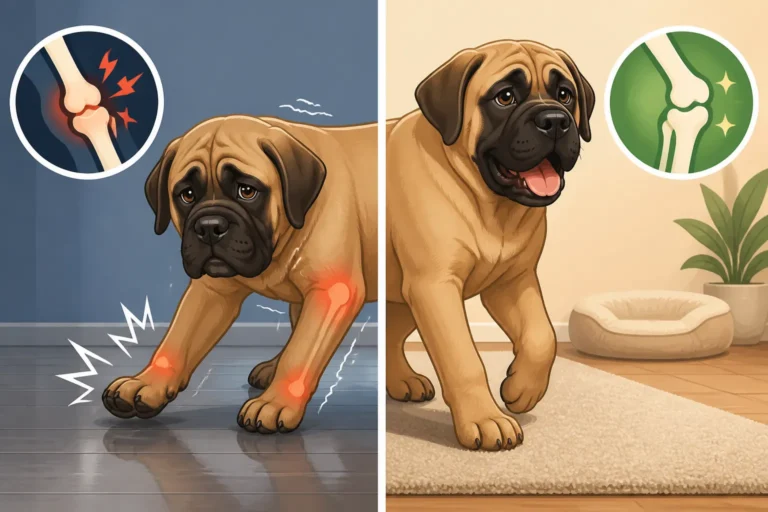
Given their massive size, Mastiffs are already predisposed to a range of orthopedic conditions. Hip and elbow dysplasia are unfortunately common, with Elbow Dysplasia Affects One Mastiff in Seven being a stark statistic. Early neutering has been linked in some studies to an increased incidence of these and other joint diseases, particularly in giant breeds. The theory suggests that the prolonged growth period due to delayed growth plate closure, combined with altered bone density and muscle development, can result in joints that are less congruous or stable.
For a Mastiff, living with chronic joint pain or needing complex orthopedic surgeries can be devastating, both for the dog and your wallet. These are not small dogs where a little discomfort might be manageable; imagine a two-hundred-pound dog struggling to stand or walk. This is why many experienced Mastiff breeders and veterinarians now advocate for waiting until a male Mastiff is fully mature, often around 18-24 months of age, before considering neutering. This delay allows his skeletal system the best possible chance to develop naturally and robustly, laying a stronger foundation for his lifelong health.
Hormonal Influence on Specific Mastiff Health Conditions
Beyond general skeletal development, hormones in male Mastiffs can significantly influence the manifestation and risk of specific health conditions, presenting a complex puzzle when considering neutering age.
Cystinuria Type III and Androgen Dependence
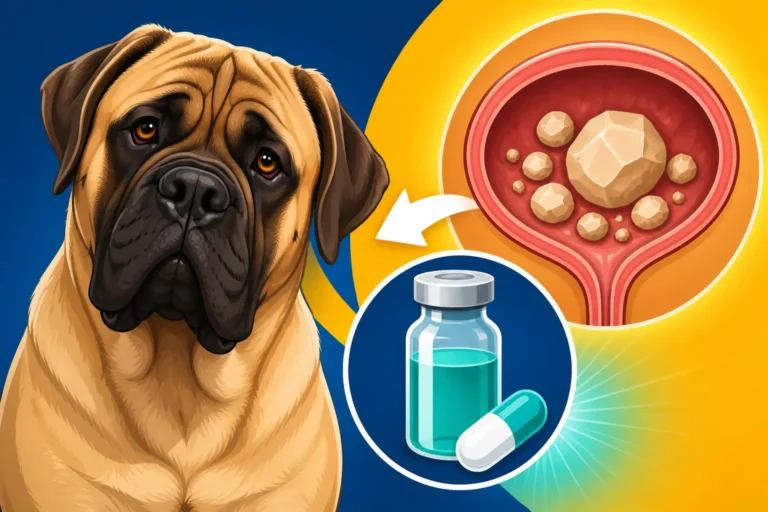
This is a condition that absolutely demands attention when discussing male Mastiffs and neutering. Cystinuria Type III is a hereditary metabolic disorder that affects the kidneys' ability to reabsorb certain amino acids, leading to the formation of cystine stones in the urinary tract. What's crucial to understand is that Cystinuria Type III and the Intact Male Mastiff are often linked. In male Mastiffs, this particular type of cystinuria is "androgen-dependent," meaning it's influenced by male hormones like testosterone. Intact males are far more likely to develop these painful and potentially life-threatening stones than neutered males or females.
The frustrating part is that an intact male Mastiff can carry the genetic marker and be perfectly fine for years, only to suddenly develop stones that can block his urethra, leading to a urinary emergency. If you own an intact male Mastiff, regularly checking his urine for crystals is a responsible step, as How Often an Intact Male Mastiff's Urine Is Checked is a question many owners should consider. While neutering doesn't cure the genetic predisposition, it often significantly reduces or eliminates the production of the hormones that promote stone formation in affected individuals. For a male Mastiff diagnosed with Type III Cystinuria, neutering often becomes a primary management strategy, sometimes alongside dietary changes (like those discussed in Why Neutering Changes a Cystinuric Mastiff's Diet) and medications, to prevent life-threatening blockages. The cost and stress of What Stone Surgery Costs on a Mastiff are immense, making prevention a huge priority.
The Balancing Act with Other Cancers
The conversation around neutering and cancer risk is often nuanced and, frankly, a bit confusing for owners. While neutering can mitigate the risk of prostate diseases and certain perineal tumors often seen in older intact males, it can also be associated with an increased risk of other cancers. For Mastiffs, breeds known to be prone to osteosarcoma (bone cancer) and hemangiosarcoma (cancer of the blood vessel lining), studies have suggested a potential link between early neutering and a higher incidence of these aggressive cancers. This leads to a difficult balancing act: you might reduce the risk of one set of problems only to potentially increase the risk of another.
It's a stark reminder that there's no single "right" answer for every dog, and definitely not for every Mastiff. This is where discussing Whether Early Neutering Raises a Mastiff's Cancer Risk with a vet who truly understands giant breed health is crucial. The goal is to weigh the risks and benefits carefully, considering your dog's individual genetics, lifestyle, and overall health picture. A general blanket recommendation for neutering at six months, common for smaller breeds, simply doesn't account for the unique physiological complexities of a Mastiff.
Behavioral and Cognitive Considerations
Beyond the physical, the timing of neutering can also subtly influence a male Mastiff's temperament and cognitive development. These gentle giants mature at their own pace, and hormones play a role in that journey.
The Impact on Temperament and Maturity
Many Mastiff owners describe their boys as "slow to mature," and there's a good reason for that. Unlike some breeds that hit adolescence and full maturity quickly, Mastiffs often retain a puppy-like demeanor for much longer, often not truly settling into their adult personalities until 2-3 years of age. The presence of natural hormones during this extended developmental phase can contribute to their confidence, their often stoic demeanor, and their general self-assuredness.
Removing these hormones too early might, in some cases, result in a dog who is a bit less confident, potentially more prone to anxieties, or slower to develop that calm, majestic presence we associate with adult Mastiffs. It's not a universal outcome, and every dog is an individual, but it's a consideration worth pondering for a breed whose emotional maturity lags behind their physical growth. A Mastiff's "stubbornness" is often The Stubbornness That Is Actually a Mastiff Thinking, a trait that can be enhanced by allowing them to fully develop emotionally.
Training and Socialization Dynamics
An intact male Mastiff, especially during adolescence, might encounter different reactions from other dogs or dog owners. Some dogs might react more strongly to the presence of an intact male, which can make socialization more challenging if not managed properly. This isn't necessarily about aggression from the Mastiff's side, but about the social dynamics of the dog park or even casual encounters on walks.
However, it's vital to remember that good training and socialization are paramount, regardless of neuter status. An intact male Mastiff who is well-socialized, consistently trained using positive reinforcement, and confident in his owner's guidance will generally navigate these social situations much better than an unsocialized or poorly trained neutered male. The core of a Mastiff's wonderful temperament lies in consistent, gentle guidance, and building a strong bond. If you choose to delay neutering, ensuring your Mastiff continues to have positive, controlled social experiences is absolutely key. Consider focusing on Teaching a Mastiff Before It Outweighs You to instill good habits early, irrespective of hormones.
Making the Informed Decision for Your Male Mastiff
There's no single right answer for every Mastiff, but understanding the complexities of their unique growth and potential health considerations allows you to make a truly informed choice.
Consulting with Your Veterinarian and Breeder
The most crucial step in this decision-making process is to have an in-depth conversation with both your veterinarian and your Mastiff's breeder. Your vet can provide insights into your individual dog's health, growth trajectory, and any emerging concerns. They can also discuss specific genetic predispositions your dog might have. For instance, if your male Mastiff is from a line with known Cystinuria Type III, the conversation around neutering might lean more towards an earlier intervention than if that risk isn't present.
Your breeder, if they are responsible and knowledgeable, can offer invaluable breed-specific insights, often having experience with multiple generations and the outcomes of different neutering timelines within their lines. They understand the nuances of The CHIC Four Plus the DNA Stack Behind a Mastiff's Price and the health guarantees they provide, which often involve waiting on neutering. Together, you can create a personalized plan that considers all factors.
Weighing the Pros and Cons of Later Neutering
Let's break down the general considerations when contemplating later neutering for your male Mastiff:
| Factor | Potential Pros of Later Neutering (18-24+ months) | Potential Cons of Later Neutering (18-24+ months) |
|---|---|---|
| Skeletal Health | Allows full growth plate closure, potentially reducing risk of orthopedic issues (e.g., Hip/Elbow Dysplasia, ACL tears). Supports stronger bone density and muscle mass. | Slight increased risk of certain hormone-influenced conditions like prostate issues. |
| Cancer Risks | May reduce risk of osteosarcoma and hemangiosarcoma in giant breeds. | May not reduce (or potentially slightly increase) risk of prostate cancer later in life. |
| Cystinuria Type III | If not prone to Cystinuria, no direct benefit from early neutering; potential risk if prone. | If genetically predisposed, continued risk of stone formation and urinary blockage. |
| Behavior/Temperament | Allows for full emotional maturity, potentially leading to more confident, stable temperament. | May exhibit more intact male behaviors (e.g., marking, roaming if not well-trained, potential dog-dog reactivity). |
| Overall Health | Allows natural hormonal development, potentially contributing to overall robust health. | Requires vigilance for intact male health concerns (e.g., prostate, testicular issues). |
The decision for a male Mastiff is rarely black and white. For some, the risk of androgen-dependent Cystinuria is so high that earlier neutering becomes a necessary intervention to save their dog from severe pain and life-threatening blockages. For others, particularly those with good genetic health, waiting until full skeletal maturity is prioritized to support optimal joint health and mitigate certain cancer risks.
No matter when you decide, ensure you have a robust plan for his lifelong care, which can be significantly more expensive for a giant breed. Organizations like Healthy Paws pet insurance can be a fantastic resource, helping to offset the considerable costs of veterinary care, from routine check-ups to potential emergency surgeries that Mastiffs, unfortunately, can face. Remember, the journey with a Mastiff is a relatively short one, as Six to Ten Years Is What a Mastiff Gets, so making every year as healthy and happy as possible is the ultimate goal.
Disclaimer
The information provided in this article is for general informational purposes only and does not constitute veterinary advice. Always consult with a qualified veterinarian for any health concerns or before making any decisions about your pet's medical care. Individual circumstances, genetics, and health conditions can vary widely, and personalized professional advice is essential.