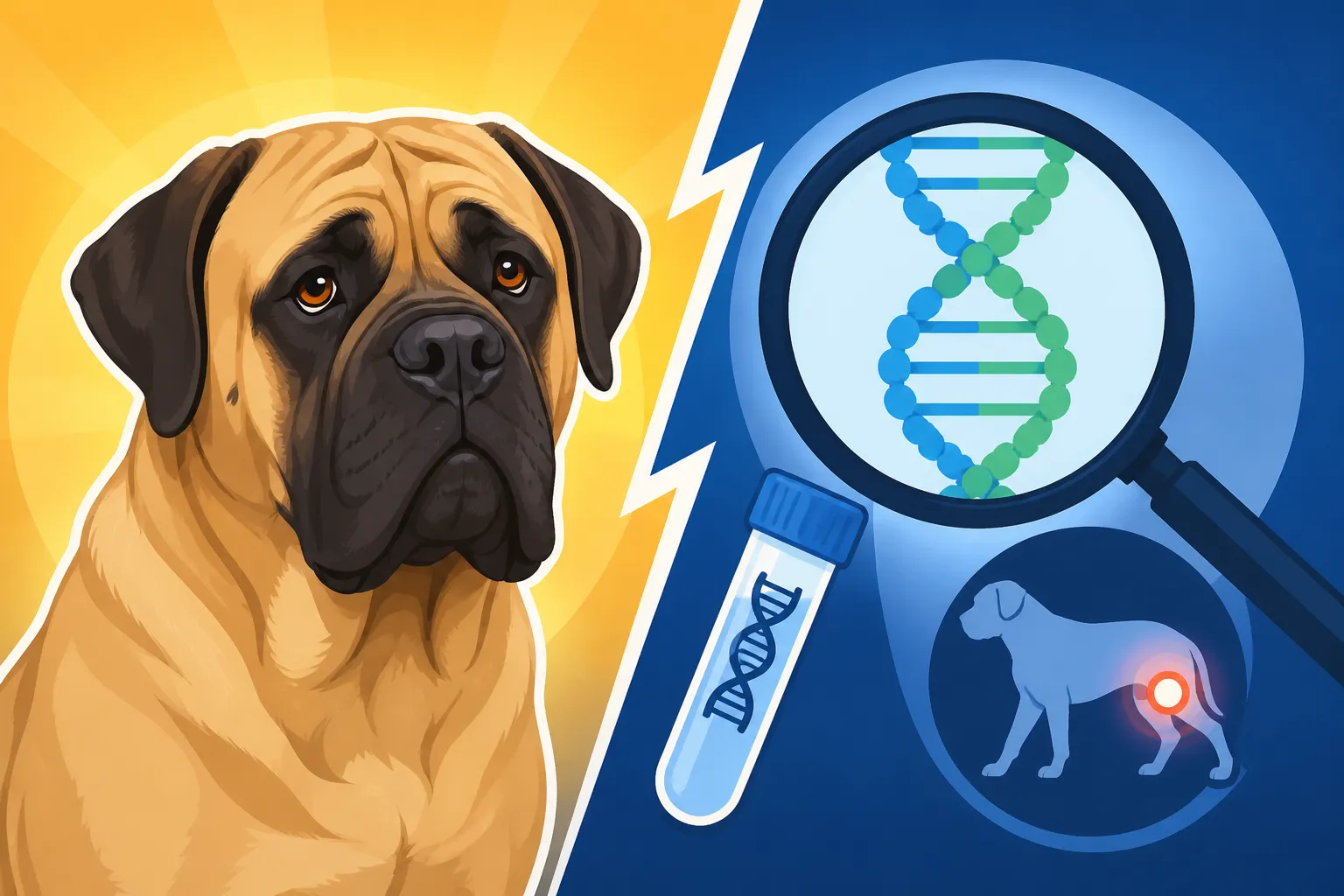
Whether a DNA Test Predicts Mastiff DM
It's one of the toughest things a Mastiff owner can face: watching your beloved giant struggle with their hind limbs, slowly losing coordination and strength. The whisper of "Degenerative Myelopathy" sends shivers down your spine, and you might wonder if there's any way to see it coming, to be prepared for such a devastating diagnosis. This guide dives deep into whether a DNA test can truly predict Degenerative Myelopathy (DM) in your magnificent Mastiff, offering clarity on what these tests can and cannot tell you.
Understanding Degenerative Myelopathy in Mastiffs
Degenerative Myelopathy (DM) is a progressive neurological disease that affects the spinal cord, specifically the white matter, which contains nerve fibers that transmit commands from the brain to the limbs. While it's most commonly associated with breeds like German Shepherds, it can affect Mastiffs as well, though perhaps not as widely publicized. It's a condition that strikes fear into the hearts of owners because its progression is often relentless and heartbreaking.
What Degenerative Myelopathy Does to a Mastiff
Imagine your strong, stoic Mastiff, usually so steady on their feet, starting to stumble. This is often the first, insidious sign of DM. The disease typically begins with a subtle, uncoordinated gait in the hind limbs, often mistaken for arthritis or general aging. This can be particularly frustrating because, initially, your Mastiff might not seem to be in pain, making it even harder to pinpoint the problem. Owners often describe a "drunken" walk or a slight dragging of the back paws. Over time, this progresses to obvious weakness, leading to difficulty standing up, climbing stairs, or even holding themselves steady.
As the condition advances, you might notice your Mastiff's hind end starting to fail with DM, with muscle wasting becoming more apparent, particularly in the rear legs. They might begin knuckling over, walking on the tops of their paws, or struggling with continence. The lack of pain is a double-edged sword; it means your dog isn't suffering from acute discomfort, but it also makes the progressive loss of function incredibly frustrating for both the dog and the owner. This heartbreaking journey can last months to years, robbing your Mastiff of its mobility and independence, slowly diminishing their quality of life.
The Genetic Basis of DM
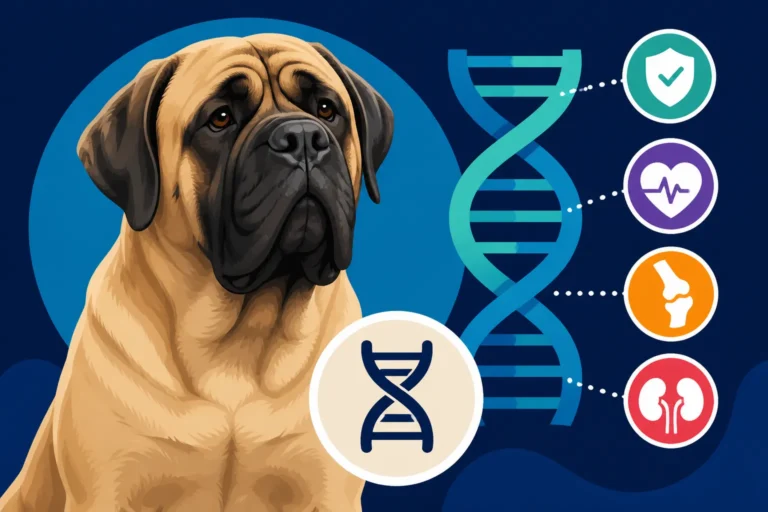
The scientific community has made significant strides in understanding the genetic underpinnings of DM. The disease is linked to a mutation in the SOD1 gene, specifically a single nucleotide polymorphism (SNP) in exon 2. This gene is responsible for producing an enzyme called superoxide dismutase 1, which plays a crucial role in protecting cells from oxidative damage. When this gene is mutated, it’s thought to lead to a buildup of abnormal proteins that damage the nerve cells in the spinal cord, leading to the clinical signs of DM.
Inheritance of this specific SOD1 mutation is autosomal recessive, meaning a dog must inherit two copies of the mutated gene (one from each parent) to be considered "at-risk" for developing DM. Dogs that inherit only one copy are termed "carriers"; they typically do not develop the disease themselves but can pass the mutated gene on to their offspring. This understanding has paved the way for DNA testing, offering a tool for breeders and owners to assess risk within their Mastiff lines.
The Role of DNA Testing for Mastiff DM
Given the devastating nature of Degenerative Myelopathy, it's natural for Mastiff owners and breeders to seek any tool that might offer foresight or prevention. DNA testing for the SOD1 mutation has emerged as one such tool, but it's crucial to understand its capabilities and, more importantly, its limitations. Many expect a definitive "yes or no" answer from a DNA test, but with DM, the answer is a bit more nuanced.
What the SOD1 DNA Test Actually Tells You
When you submit a sample for a DM DNA test (usually a cheek swab), the laboratory analyzes your Mastiff's SOD1 gene for the specific mutation. The results will typically come back in one of three categories:
- Clear (N/N): This means your Mastiff has two normal copies of the SOD1 gene. They are genetically clear of the known DM mutation and cannot pass it on to their offspring. This is the ideal result for breeding.
- Carrier (A/N or N/A): Your Mastiff has one normal copy and one mutated copy of the SOD1 gene. As a carrier, your dog is highly unlikely to develop clinical signs of DM related to this mutation, but they can pass the mutated gene to approximately 50% of their puppies. This is a crucial result for informed breeding decisions to avoid producing at-risk puppies.
- At-Risk (A/A): Your Mastiff has two copies of the mutated SOD1 gene. This means they are genetically predisposed to developing Degenerative Myelopathy. They will pass a mutated gene to all of their offspring. This result, while concerning, is not a death sentence for every dog.
This test specifically identifies the genetic potential for the disease. It doesn't tell you when or even if your dog will develop symptoms. For more insights on this condition, you can also read about What Degenerative Myelopathy Does to a Mastiff.
Why a Positive Test Isn't a Guarantee of Disease
This is perhaps the most critical piece of information to grasp about DM DNA testing: an "At-Risk" result (A/A) does not mean your Mastiff will absolutely develop Degenerative Myelopathy. It means they carry the genetic predisposition, but other factors, which are not yet fully understood, play a significant role in whether the disease actually manifests clinically. In fact, a substantial percentage of dogs that test "At-Risk" for DM live their entire lives without ever showing signs of the condition.
This phenomenon, known as incomplete penetrance, is a major point of confusion and frustration for many owners. You might have an "At-Risk" Mastiff who reaches a ripe old age with perfect mobility, while another "At-Risk" dog from a different lineage or environment might develop severe symptoms by middle age. Scientists believe environmental factors, other modifying genes, and general health play a role in whether the genetic risk translates into actual disease. Therefore, while the DNA test is an invaluable tool for breeders to make responsible pairing decisions and reduce the prevalence of the "At-Risk" genotype in future generations, it is not a perfect crystal ball for an individual dog's future health.
Distinguishing DM from Other Conditions
Adding to the complexity, the initial symptoms of Degenerative Myelopathy—hind limb weakness, uncoordination, and difficulty rising—can easily be confused with a myriad of other common conditions in large breeds like Mastiffs. This can include hip dysplasia, arthritis, intervertebral disc disease (IVDD), lumbos sacral stenosis, or even orthopedic injuries. For instance, a Mastiff struggling with their gait might very well be experiencing the effects of age-related arthritis or even elbow dysplasia affects one Mastiff in seven.
Because DM is not painful in its early stages, a veterinarian might initially pursue diagnostics for painful orthopedic issues. It's often only after these more common causes are ruled out, or when the neurological signs become more pronounced and bilateral, that DM enters the diagnostic differential. This diagnostic journey can be long and expensive, highlighting the value of pet insurance from providers like Healthy Paws, which can help cover the costs of these extensive work-ups. The overlap in symptoms underscores why a DNA test alone cannot provide a definitive diagnosis of DM; it merely indicates a genetic risk.
Navigating a DM Diagnosis and Management
For Mastiff owners, navigating a potential DM diagnosis is a journey fraught with anxiety and uncertainty. While a DNA test provides a piece of the puzzle, it's rarely the complete picture. Understanding the comprehensive approach to diagnosis and management is crucial for providing the best possible care for your beloved companion.
The Importance of Clinical Diagnosis
Even if your Mastiff tests "At-Risk" for DM, a definitive diagnosis can only be made by a veterinary neurologist based on a thorough clinical examination and by ruling out other conditions. This typically involves a detailed neurological exam, assessing reflexes, proprioception (awareness of body position), and gait. Your vet will likely recommend advanced imaging, such as an MRI or CT scan of the spine, to rule out compressive lesions like disc herniations or tumors, which can mimic DM symptoms. Cerebral spinal fluid (CSF) analysis may also be performed.
It's a process of elimination, and it's essential because misdiagnosing DM could mean missing a treatable condition. For example, if your Mastiff's symptoms are actually due to a surgically correctable spinal issue, a DM diagnosis without proper imaging could lead to missed opportunities for treatment. Given the significant investment in diagnostics, having pet insurance from a reputable company like Healthy Paws can be incredibly beneficial in covering these costs, allowing you to pursue every avenue for your Mastiff's health without undue financial stress.
Managing a Mastiff with Suspected DM
If a clinical diagnosis of DM is eventually reached, or if your "At-Risk" Mastiff begins showing symptoms, management focuses on supportive care and maintaining quality of life, as there is currently no cure. This often includes:
- Physical Therapy: Regular physical therapy, including hydrotherapy, massage, and controlled exercises, can help maintain muscle mass, improve coordination, and slow the progression of weakness. For tips, consider whether physical therapy slows a Mastiff's DM.
- Mobility Aids: As the disease progresses, your Mastiff may benefit from slings, supportive harnesses, booties (to prevent knuckling), or even a custom-fitted cart to maintain mobility.
- Home Modifications: Simple changes around the house, like providing good traction on floors (perhaps with runners or carpets, as bare floors do to a growing Mastiff), elevated food and water bowls, and easy access to outdoor areas, can make a huge difference.
- Bladder and Bowel Management: As DM progresses, incontinence can become an issue, requiring diligent management to prevent urinary tract infections and skin irritation.
- Nutritional Support: While no specific diet cures DM, ensuring a balanced diet and appropriate supplementation (e.g., antioxidants, omega-3 fatty acids) can support overall neurological health. For an aging Mastiff, specifically, caring for a Mastiff past five becomes even more critical with DM.
This management can be intensive, both physically and emotionally for the owner. It demands patience, dedication, and often, significant financial resources. The goal is always to keep your Mastiff comfortable, mobile, and happy for as long as possible.
Ethical Breeding Considerations
For Mastiff breeders, the SOD1 DNA test is an indispensable tool for responsible breeding practices. While an "At-Risk" individual might never develop the disease, breeding two "At-Risk" Mastiffs together will guarantee that all puppies will also be "At-Risk." Breeding a "Clear" dog to an "At-Risk" dog will produce all "Carrier" puppies. Breeding two "Carrier" dogs can produce "Clear," "Carrier," and "At-Risk" offspring.
The aim of responsible breeding is to reduce the prevalence of the "At-Risk" genotype while maintaining genetic diversity within the breed. This often means:
- Testing All Breeding Stock: Before any breeding takes place, both male and female Mastiffs should undergo DNA testing for DM. This is an important consideration alongside the four CHIC tests a Mastiff breeder must clear.
- Informed Pairings: Breeders should avoid breeding two "At-Risk" dogs together. Ideally, "At-Risk" dogs should not be bred at all. "Carriers" can be carefully bred to "Clear" partners, with all offspring then tested to inform future breeding decisions.
- Transparency: Reputable breeders are transparent about their dogs' genetic test results, providing prospective puppy buyers with confidence. You should always ask whether a breeder should show a Mastiff's PRA result, and DM results too.
By using these tests responsibly, breeders can work towards a healthier future for the Mastiff breed, minimizing the chances of producing puppies genetically predisposed to this debilitating condition.
Future Directions and Support for Mastiff Owners
Living with or worrying about Degenerative Myelopathy in your Mastiff can feel incredibly isolating. However, you're not alone, and research continues to offer glimmers of hope and new avenues for support. The scientific community is tirelessly working to unravel the full complexities of DM, seeking more definitive answers and, ultimately, a cure.
Ongoing Research and Hope
The understanding of DM is still evolving. Researchers are investigating other potential genetic markers, environmental triggers, and therapies that might halt or reverse the disease's progression. Clinical trials for various treatments, including gene therapies and novel drug compounds, are periodically conducted, though breakthroughs are often slow to materialize. These studies often rely on information from dogs that have tested positive for the SOD1 gene and developed clinical signs, underscoring the importance of accurate record-keeping and participation in research initiatives.
While a miracle cure might not be on the immediate horizon, every piece of research brings us closer to a better understanding and more effective management strategies. Keeping abreast of developments through veterinary neurologists or reputable breed health organizations can provide a sense of hope and empower owners with the latest information.
Finding Support and Resources
Facing a diagnosis of DM, or even just the possibility, can be emotionally overwhelming. Connecting with others who understand your journey is invaluable. Many online communities and support groups exist for owners of dogs with DM, offering a space to share experiences, ask questions, and find practical advice on everything from mobility solutions to coping strategies. Your veterinarian can also be a vital resource, guiding you through the diagnostic process, discussing prognosis, and helping you develop a comprehensive care plan. Remember, you and your Mastiff deserve all the support you can get.
Here's a quick look at what the DM DNA test results signify:
| Test Result | Genetic Status | Likelihood of Developing DM (SOD1-related) | Breeding Implications (with a Clear partner) |
|---|---|---|---|
| Clear | N/N (two normal copies) | Extremely low | Will produce all Clear puppies |
| Carrier | A/N (one mutated copy) | Highly unlikely | Will produce ~50% Clear, ~50% Carrier puppies |
| At-Risk | A/A (two mutated copies) | Predisposed, but not guaranteed | Will produce all Carrier puppies |
Disclaimer
Please remember that the information provided in this article is for educational purposes only and should not be considered a substitute for professional veterinary advice. Always consult with a qualified veterinarian regarding any health concerns or before making any decisions about your Mastiff's medical care or breeding.