What Eight Years With a Mastiff Comes To
Bringing a Mastiff into your life is an incredible joy, but it's also a significant financial commitment that many prospective owners underestimate. It’s easy to look at their majestic size and assume they eat a lot, but the costs extend far beyond the food bowl. This comprehensive guide will walk you through the realistic expenses of owning a Mastiff over their typical six to ten-year lifespan, helping you understand what eight years with one of these magnificent dogs truly comes down to financially.
The Upfront Investment: More Than Just a Puppy Price Tag
When you first bring home a Mastiff, the initial outlay is often much larger than people anticipate. It's not just the purchase price of the puppy; it's everything you need to set up a home for a giant, ensuring their health, safety, and comfort from day one.
The True Cost of a Well-Bred Puppy
The price of a Mastiff puppy can vary widely, but a responsibly bred Mastiff isn't a bargain-basement purchase, and for good reason. Reputable breeders invest heavily in the health and genetic well-being of their breeding stock. This includes extensive health clearances for the parents, such as hip and elbow evaluations through organizations like OFA, cardiac exams, and eye certifications. Beyond these, specific DNA tests for conditions common in Mastiffs, like Progressive Retinal Atrophy (PRA) and Cystinuria Type III, are crucial. These tests cost the breeder money, often thousands of dollars per dog, but they are vital in reducing the risk of passing on debilitating genetic conditions to puppies. A lower-priced puppy often indicates that these critical health checks were skipped, leaving you vulnerable to significant veterinary bills down the line.
When considering a puppy, ask about The CHIC Four Plus the DNA Stack Behind a Mastiff's Price. A breeder who can provide clear documentation for these tests is demonstrating a commitment to the breed's future and your puppy's health. You might be curious about What a Mastiff Puppy Costs in 2026; while I can't give you a current figure, understand that this price reflects the immense care and genetic screening that goes into producing healthy puppies. It's an investment in a potentially healthier, longer life for your furry family member. Skipping these initial costs often means deferring them to your vet bill later on, and with a Mastiff, those bills are never small.
Initial Setup Costs for a Giant
Once you've secured your puppy, the next step is outfitting your home for a dog that will quickly grow to hundreds of pounds. This isn't like preparing for a Beagle. You’ll need a robust crate, specifically designed for giant breeds, which can be surprisingly expensive and difficult to find. These aren’t the flimsy wire crates for smaller dogs; they need to be strong and spacious enough to safely contain a growing Mastiff. Think about Whether a Mastiff's Crate Fits Through Your Doorway – some are so large you might need to assemble them in the room where they'll stay.
Bedding is another critical area. A Mastiff’s weight puts immense pressure on their joints, even as a puppy. Orthopedic beds designed to support a giant breed are not luxuries; they are necessities for joint health and comfort. These can cost significantly more than standard pet beds, and you might find yourself replacing them more often than you expect. Consider What a Bed That Holds a Mastiff Costs to understand the scale of this investment. Beyond beds and crates, you'll need heavy-duty leashes, collars, and harnesses built to withstand the strength of a Mastiff, along with extra-large food and water bowls, often raised to promote better digestion and reduce neck strain for such a tall dog.
Vehicle and Home Adjustments
Your home and even your mode of transportation will likely need adjustments to accommodate a Mastiff. If you own a small car, you might quickly realize that a growing Mastiff simply won't fit comfortably or safely. Many Mastiff owners find themselves needing to upgrade to an SUV, minivan, or even a truck to transport their dog. This can be a substantial unplanned expense. You might ask Whether a Mastiff Forces You to Buy a Bigger Vehicle; for many, the answer is a resounding yes. Even with a large vehicle, you might need a ramp to help your Mastiff get in and out, especially as they age and joint mobility becomes a concern.
Inside the house, your Mastiff’s sheer weight and tendency to lean or move deliberately can impact your flooring and furniture. Hardwood floors can be a challenge; their smooth surface offers poor traction for a heavy, often clumsy, Mastiff, leading to slips and potential injuries. Many owners invest in runners or carpets to provide better grip, particularly in high-traffic areas. Understanding What Floor Runners for a Mastiff Cost can help you budget for protecting both your floors and your dog's joints. Even sturdy furniture might not stand up to a Mastiff's leaning habits, and slobber can leave its mark on walls and fabrics, sometimes necessitating specialized cleaning or even repainting more frequently.
The Ongoing Veterinary Expenses: Where Size Really Matters
The day-to-day and unexpected veterinary costs for a Mastiff are often where the true financial reality of owning a giant breed sets in. Everything, from preventive medications to emergency surgeries, scales up with their size.
Routine Care: Preventives and Check-ups
Routine veterinary care for a Mastiff is significantly more expensive than for a smaller dog. Medications like flea, tick, and heartworm preventatives are dosed by weight. Since a Mastiff easily falls into the highest weight bands, their monthly or quarterly doses are far more costly. It’s not uncommon for a Mastiff to require doses equivalent to several smaller dogs combined. This is a consistent, non-negotiable expense that adds up quickly over eight years. This is a key reason Why a Mastiff Costs More Per Year Than a Dog That Lives Twice as Long.
Annual check-ups, while standard for all dogs, also come with a higher price tag for Mastiffs. Simple procedures, like drawing blood or administering vaccines, require more skill and sometimes more staff to safely handle a large, strong dog. Furthermore, diagnostic tests, if needed, can be more complex due to their size. For example, imaging like X-rays might require larger plates or multiple images, adding to the cost. It's also important to remember Why a Mastiff Is Dosed by Lean Weight and Not Scale Weight for medications, as their immense bulk can sometimes include a higher fat percentage, requiring careful calculation by your vet.
Managing Common Mastiff Health Issues
Mastiffs are predisposed to several significant health conditions that can incur substantial veterinary bills. Bloat (Gastric Dilatation and Volvulus or GDV) is a life-threatening emergency common in deep-chested breeds. The preventative surgery, gastropexy, can cost thousands, but an emergency bloat surgery is far more expensive and comes with a much higher risk. Understanding Bloat in the Deepest Chest of Any Breed: the Mastiff highlights the urgency and severity of this condition. Even if you choose preventative surgery, there's always the chance of an emergency.
Joint issues are another major concern. Hip and elbow dysplasia are prevalent in Mastiffs. Elbow Dysplasia Affects One Mastiff in Seven, and managing this, whether through medication, physical therapy, or surgery, can be incredibly costly. As they age, many Mastiffs will develop arthritis, which requires ongoing pain management, anti-inflammatory medications, and potentially other treatments. Even something seemingly minor like Arthritis in a Mastiff at Four can be a sign of long-term expenses to come. Eye conditions like entropion or ectropion also often require surgical correction, and unfortunately, Mastiffs are also prone to various cancers, which can lead to expensive diagnostics, treatments, and palliative care.
Emergency Care and Specialist Referrals
When a Mastiff needs emergency care, the costs can escalate dramatically. Imagine a 200-pound dog needing urgent surgery overnight; the specialized equipment, anesthesia, medications, and longer recovery times in a clinic designed for larger patients all contribute to a hefty bill. Many general veterinary clinics aren't equipped to handle truly giant breeds for complex surgeries, necessitating referral to a specialty hospital. This adds travel time and even higher costs. For instance, What Stone Surgery Costs on a Mastiff gives you a glimpse into how expensive specific, emergency procedures can be when dealing with a dog of this size.
Anesthesia itself is riskier and more expensive for giant breeds due to their size, slower metabolism, and potential underlying heart conditions. You’ll want to be aware of Why Anesthesia Is Riskier in a Mastiff and discuss pre-anesthetic bloodwork and monitoring with your vet. The sheer logistics of moving and caring for a collapsed or injured Mastiff also adds to the complexity and cost of emergency care. Specialized lifting equipment, larger surgical tables, and extended recovery observation in an intensive care unit are often necessary, and these services come at a premium.
The Never-Ending Food Bill: Fueling a Gentle Giant
One of the most predictable, yet consistently underestimated, costs of Mastiff ownership is their food bill. These dogs eat a lot, and feeding them a quality diet is essential for their health and longevity.
Quantity and Quality of Food
A fully grown Mastiff can easily consume anywhere from 6 to 10 cups of kibble per day, sometimes more depending on their activity level and individual metabolism. This translates to a significant volume of food each month, often requiring large, bulk bags of dog food. You can start to calculate What Feeding a Two Hundred Pound Mastiff Costs a Month when you consider that a 30-40 pound bag of quality giant breed kibble might only last a couple of weeks. Over eight years, this recurring cost becomes immense.
While it might be tempting to opt for cheaper, lower-quality foods, a Mastiff's diet is critical for their growth and long-term health, especially their joints. Giant breed-specific formulas are often recommended, as they typically have carefully balanced protein and calcium levels to support slow, steady growth in puppies and maintain lean muscle mass in adults. These specialized formulas usually come with a higher price tag per pound. Trying to feed fresh or raw food at Mastiff volumes, while beneficial, often becomes financially impractical for most owners simply due to the sheer quantity required. It's truly eye-opening to consider How Much a Mastiff Eats in a Month and how that impacts your grocery budget. For bulk purchases, many owners turn to online retailers like Chewy, which can offer competitive pricing and convenient delivery for large bags of food, but the volume still dictates the overall expense.
Supplements and Treats
Beyond their regular meals, many Mastiffs benefit from, or outright require, various supplements to support their health. Joint supplements containing glucosamine and chondroitin are often started proactively in younger Mastiffs to help mitigate the impact of their rapid growth and heavy weight on their developing joints. You’ll want to learn about Joint Supplements for a Mastiff early on, as these can become a daily expense for years. Fish oil is another common supplement, valued for its anti-inflammatory properties and benefits for skin and coat health.
Training treats, essential for positive reinforcement with such a large and powerful breed, also add to the monthly food budget. High-value treats are often needed to capture and maintain a Mastiff's attention. While these might seem like small individual purchases, they accumulate over time, especially during puppyhood and adolescence when training is most intensive. You might find yourself wondering [Whether Joint Supplements Help a Mastiff's Joints] as you dole out pills and chews, but the investment is generally considered worthwhile to support their long-term mobility.
Storage and Logistics
Feeding a Mastiff isn't just about buying the food; it's about storing it. Those huge bags of kibble take up considerable space. Many owners need dedicated large, airtight containers to keep the food fresh and safe from pests. If you buy multiple bags at once to save money, you’ll need even more storage. This might impact your pantry space or even require dedicated garage storage. The logistics of lifting and pouring dozens of pounds of kibble daily also require some thought, especially as you age or if you have physical limitations. Buying in bulk from places like Chewy can help with delivery, but getting that 40-pound bag from your doorstep to its storage container is still a workout!
Insurance: A Lifeline or Another Expense?
Pet insurance is a topic of much debate among Mastiff owners. For a breed with known health predispositions and high veterinary costs, it can be a lifesaver, or it can feel like another recurring bill that adds up over the years.
Understanding Pet Insurance for Mastiffs
The decision to get pet insurance for a Mastiff is highly personal, but it's important to understand the realities of it. Mastiff premiums are typically higher than for smaller, healthier breeds due to their sheer size and their genetic predispositions to conditions like bloat, hip and elbow dysplasia, and certain cancers. Insurers factor in these breed-specific risks when calculating monthly payments. It's worth comparing policies and understanding the details of deductibles, reimbursement percentages (e.g., 70%, 80%, 90%), and annual payout limits.
Consider What Insuring a Mastiff for Its Six to Ten Years Costs in total; it's a significant sum. While monthly payments might seem manageable, multiply that by 96 months (eight years), and you'll see the scale. It's also important to note Why a Mastiff's Premium Rises Faster Than Its Age. As your Mastiff gets older, and the likelihood of age-related health issues increases, your premiums will often climb, adding to the ongoing financial burden, especially in their later years.
What Insurance Typically Covers (and What It Might Not)
Most comprehensive pet insurance policies for Mastiffs will cover accidents (like broken bones or ingestion of foreign objects), illnesses (such as infections, digestive issues, or cancer treatments), and emergency care, often including the hefty costs of bloat surgery or orthopedic procedures. This is where pet insurance can truly shine, potentially saving you tens of thousands of dollars in a single emergency situation. Some plans also offer wellness add-ons for routine care like vaccinations and annual exams, though these often don't provide as much value relative to their cost.
However, pet insurance rarely covers pre-existing conditions, so it's best to enroll your Mastiff when they are a young puppy, before any health issues manifest. Some policies might also have breed-specific exclusions, though reputable insurers like Healthy Paws are generally transparent about what they cover. Always read the fine print carefully, especially regarding orthopedic conditions, as these are common and expensive in Mastiffs. It's crucial to understand exactly what your chosen policy entails to avoid nasty surprises when you need it most.
The "Self-Insurance" Alternative
Some Mastiff owners opt to "self-insure" by setting aside a dedicated savings account for veterinary emergencies rather than paying monthly premiums. The idea is that if you're consistent, you'll accumulate a significant fund over time. This approach has its pros and cons. On one hand, any money you don't spend on vet bills remains yours. On the other hand, a major emergency, like bloat surgery or a complex orthopedic procedure, can easily cost $5,000 to $10,000 or more in a single incident. Building up that kind of reserve takes time, and a serious health crisis can strike unexpectedly, even in a young Mastiff.
For a breed with such predictable and potentially catastrophic health issues, relying solely on self-insurance can be risky unless you have substantial savings readily available and the discipline to consistently contribute to that fund. It's a gamble, and for many, the peace of mind offered by a good insurance policy outweighs the cost, especially given the high likelihood of encountering at least one major health event over an eight-year lifespan.
Grooming and Maintenance: More Than Just a Short Coat
You might think a Mastiff's short coat means low grooming needs, but their sheer size, wrinkles, and drool make grooming and general maintenance a recurring task and expense.
Wrinkle and Skin Fold Care
Mastiffs are known for their magnificent, wrinkled faces. While charming, these folds can trap moisture, food debris, and dirt, making them prime breeding grounds for bacterial and yeast infections if not cleaned regularly. This isn't just about aesthetics; it's a vital part of their health routine. You’ll become intimately familiar with The Wrinkles and Folds a Mastiff Owner Cleans Every Week.
Many owners find themselves cleaning these folds daily or every few days with gentle, pet-safe wipes or a damp cloth followed by thorough drying. Over-the-counter medicated wipes might be necessary if your Mastiff is prone to irritation or minor infections. If left unattended, these folds can become inflamed, itchy, and painful, leading to more serious infections that require veterinary intervention and antibiotics. You might even notice Whether a Mastiff's Fold Smells Yeasty, which is a clear sign that attention is needed. This regular care requires time, patience, and a constant supply of cleaning products, which adds up over eight years.
Nails, Teeth, and Shedding
While their coat is short, a Mastiff’s nails grow just like any other dog's, and keeping them trimmed is crucial for their comfort and joint health. Long nails can splay their toes, affect their gait, and contribute to joint pain. However, trimming the nails of a two hundred-pound dog who might not be thrilled about it is a challenge. Many owners require professional grooming services or regular vet visits just for nail trims, adding to the expense. It's certainly a different experience than clipping a Chihuahua’s nails! This is a core part of Nails, Teeth and Ears on a Mastiff That Will Not Be Lifted that requires consistent attention.
Dental care is also important. While daily brushing can be difficult with a Mastiff’s large head and jowls, regular dental check-ups and professional cleanings under anesthesia are essential to prevent periodontal disease. These procedures are more expensive for large dogs due to the increased anesthesia time and medication dosage. And despite their short coat, Mastiffs do shed. You might be surprised by How Little Brushing a Mastiff's Coat Needs, but don't mistake that for no shedding. They tend to shed a fair amount of fine, coarse hair, requiring regular vacuuming and lint rolling to keep your home tidy.
Drool Management and Cleanup
Let's be frank: Mastiffs drool. A lot. Their loose jowls are part of their charm, but they're also efficient drool-flinging machines, especially after drinking water or during anticipation of food. This isn't a hygienic issue as much as a daily reality you'll need to manage. You’ll quickly learn about Drool Physics and the Mastiff Head Shake and how far that wet slobber can travel – often reaching walls, ceilings, and furniture.
Managing drool means having towels strategically placed throughout your home, wiping their jowls after they drink, and regular cleaning of surfaces. Specialized water bowls designed to minimize splashing and catch drool can help, but they won't eliminate it entirely. This constant cleanup requires a steady supply of cleaning products, paper towels, and laundry detergent, all contributing to your annual household expenses. You might even wonder What Drool Cleanup Costs a Mastiff Owner over the years, and the answer is probably more than you'd imagine!
Training and Socialization: Investing in a Well-Adjusted Giant
Training and socialization are not optional for a Mastiff; they are absolutely essential. An untrained 200-pound dog is a danger to themselves and others, so investing in proper guidance from an early age is a critical expense.
Puppy Classes and Basic Obedience
Early and consistent training is paramount for a Mastiff puppy. Given their rapid growth and eventual immense size, teaching good manners before they outweigh you is not just practical, it’s a matter of safety. Puppy classes are an excellent way to socialize your young Mastiff with other dogs and people in a controlled environment, which is vital for developing a confident, well-adjusted adult. These classes come with a fee, but they are an invaluable investment.
Basic obedience commands like "sit," "stay," "come," and "leave it" must be reinforced constantly. Imagine trying to stop a 200-pound dog from lunging at a squirrel if they haven't learned impulse control. Investing in Teaching a Mastiff Before It Outweighs You ensures that you maintain control as they grow. Early socialization also helps prevent fear-based aggression or shyness in such a large dog, making them a safer and more pleasant companion in various situations. It's important to understand Socializing a Mastiff Puppy Before It Gets Heavy to capitalize on their malleable early months.
Professional Help for Behavior Challenges
Even with the best intentions, some Mastiffs may develop behavioral challenges that require the expertise of a professional trainer or behaviorist. Issues like leash reactivity, excessive barking (though rare for a Mastiff), or anxiety can be difficult to manage with a dog of this size without expert guidance. Trying to correct these issues yourself, especially with force-based methods, can backfire dramatically and damage your bond with your sensitive Mastiff. You’ll want to know Why Harsh Correction Ruins a Mastiff and opt for positive reinforcement methods.
Hiring a professional trainer for one-on-one sessions or specialized classes can be expensive, often costing hundreds or even thousands of dollars, but it’s a necessary expense if you find yourself struggling. Many owners find themselves asking Whether a Mastiff Needs a Professional Trainer at some point, and if you do, it's money well spent to ensure a harmonious household and a well-behaved giant. This investment helps prevent bigger problems (and bigger bills) down the road, such as property damage, liability issues, or even having to rehome your beloved dog.
Specialized Training or Activities
While not mandatory, many Mastiff owners choose to engage their dogs in specialized training or activities, which can incur additional costs. Canine Good Citizen (CGC) certification, for example, is a great goal for Mastiffs, proving they are well-behaved members of the community. The test itself has a fee, and preparatory classes might also be desired.
Some Mastiffs excel as therapy dogs, visiting hospitals or nursing homes, which requires specific training, evaluation, and certification fees. While these activities enrich your Mastiff's life and provide wonderful community service, they are not free. They represent an additional investment of time and money in your dog's development and well-being.
The Final Years: Comfort and End-of-Life Care
The reality of Mastiff ownership includes facing their relatively short lifespan. Their final years, though precious, often bring increased costs associated with age-related health decline and end-of-life care.
Adapting the Home for an Aging Mastiff
As Mastiffs age, mobility often becomes a significant challenge due to arthritis, joint issues, or conditions like degenerative myelopathy. Your home will likely need further adaptations to keep them comfortable and safe. Ramps become indispensable for getting in and out of vehicles, and possibly even for navigating a few steps in the house. Extra orthopedic beds might be needed in various rooms so your Mastiff always has a soft, supportive place to rest without having to move far.
Mobility aids, such as supportive harnesses with handles, can be a lifesaver for helping an older Mastiff stand up, navigate stairs, or get into the car. If you have an older Mastiff who struggles to get up, you’ll likely need to learn about Lifting an Old Mastiff That Cannot Get Up and invest in special equipment. These items, designed for giant breeds, can be quite expensive but are crucial for maintaining their quality of life. Thinking about Caring for a Mastiff Past Five means preparing for these inevitable changes and the associated expenses.
Increased Veterinary Care for Seniors
The frequency and cost of veterinary visits typically increase significantly during a Mastiff’s senior years. More frequent check-ups are often needed to monitor chronic conditions like arthritis, heart disease, or kidney issues. Pain management becomes a top priority, often involving daily medications, joint injections, or even alternative therapies like acupuncture or hydrotherapy, all of which add to the monthly budget. You'll definitely want to understand Nursing a Mastiff Through Its Last Two Years as a financial and emotional commitment.
Diagnostic tests, such as blood work, X-rays, or ultrasounds, might be performed more regularly to catch and manage age-related illnesses early. Dietary changes, with prescription senior or therapeutic foods, are also common, and these specialized diets often come at a higher price point. Understanding What Changes in an Old Mastiff's Bowl will highlight another aspect of this increased care. This phase of their life, while filled with continued love and companionship, is often the most expensive in terms of veterinary care.
End-of-Life Decisions
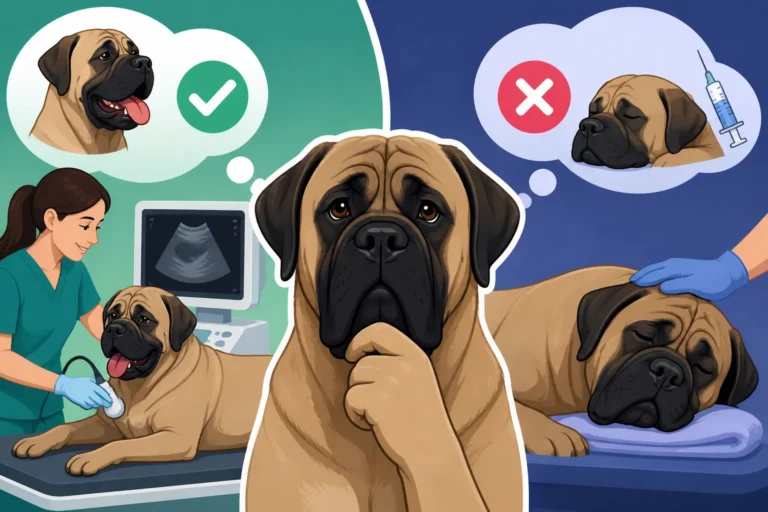
The hardest, but inevitable, part of owning a Mastiff is making end-of-life decisions. When their quality of life declines beyond what can be comfortably managed, euthanasia may become the kindest option. This decision, though emotionally agonizing, also carries a financial cost. Euthanasia services, whether performed at home or in a clinic, have fees.
Beyond that, you'll need to consider options for their remains. Cremation, either communal or private, is a common choice, with costs varying based on the size of your dog and whether you wish to receive their ashes back. Burial, if permitted by local ordinances, also involves costs for plots or services. It's a somber but necessary consideration that should be acknowledged as part of the total financial commitment of owning a Mastiff. Reflecting on Making the Decision for an Old Mastiff is a painful but real part of the journey, as is understanding What Ends a Mastiff at Eight and the costs associated with it.
The Cumulative Cost: A Realistic Overview
To put it all into perspective, let's break down the types of costs over an estimated eight-year lifespan. Please note that these are general categories and individual costs will vary greatly by location, specific needs, and your choices as an owner.
| Cost Category | Initial (Year 1) | Annual (Years 2-7) | Senior (Year 8) | 8-Year Total Estimate (Shape of Cost) |
|---|---|---|---|---|
| Purchase & Setup | Puppy price, crate, bed, bowls, leash, initial vet, vehicle/home mods | – | – | Thousands, significant upfront |
| Food & Supplements | High | Consistent High | High, potentially specialized | Substantial, one of the largest |
| Routine Vet Care | High (puppy shots, deworming, microchip, neuter/spay) | Moderate to High (preventives, annual exam) | High (more frequent checks, diagnostics) | Significant, consistently high |
| Pet Insurance | Moderate | Moderate (rising with age) | High | Large, ongoing |
| Grooming/Maintenance | Low to Moderate | Moderate | Moderate (mobility aids) | Moderate, recurring |
| Training | Moderate to High (puppy classes) | Low (refresher, advanced) | Low to Moderate | Moderate, concentrated early |
| Emergency/Illness Fund | – | Variable, potentially very high | High | Variable, can be catastrophic without insurance/savings |
| End-of-Life Care | – | – | High | Variable, but always present |
As you can see, the financial commitment to a Mastiff over eight years is substantial. While specific figures fluctuate, the shape of the cost remains consistently high. The "cheaper" choices at any stage often lead to greater expenses later, particularly in health care. Owning a Mastiff is a profound privilege and joy, but it's one that demands realistic financial planning and a deep understanding of the unique needs of this gentle giant.
Disclaimer
This article is for general informational purposes only and does not constitute professional advice. Laws, prices and regulations vary by location and change over time. Consult a qualified professional for guidance on your specific situation.