What Stone Surgery Costs on a Mastiff
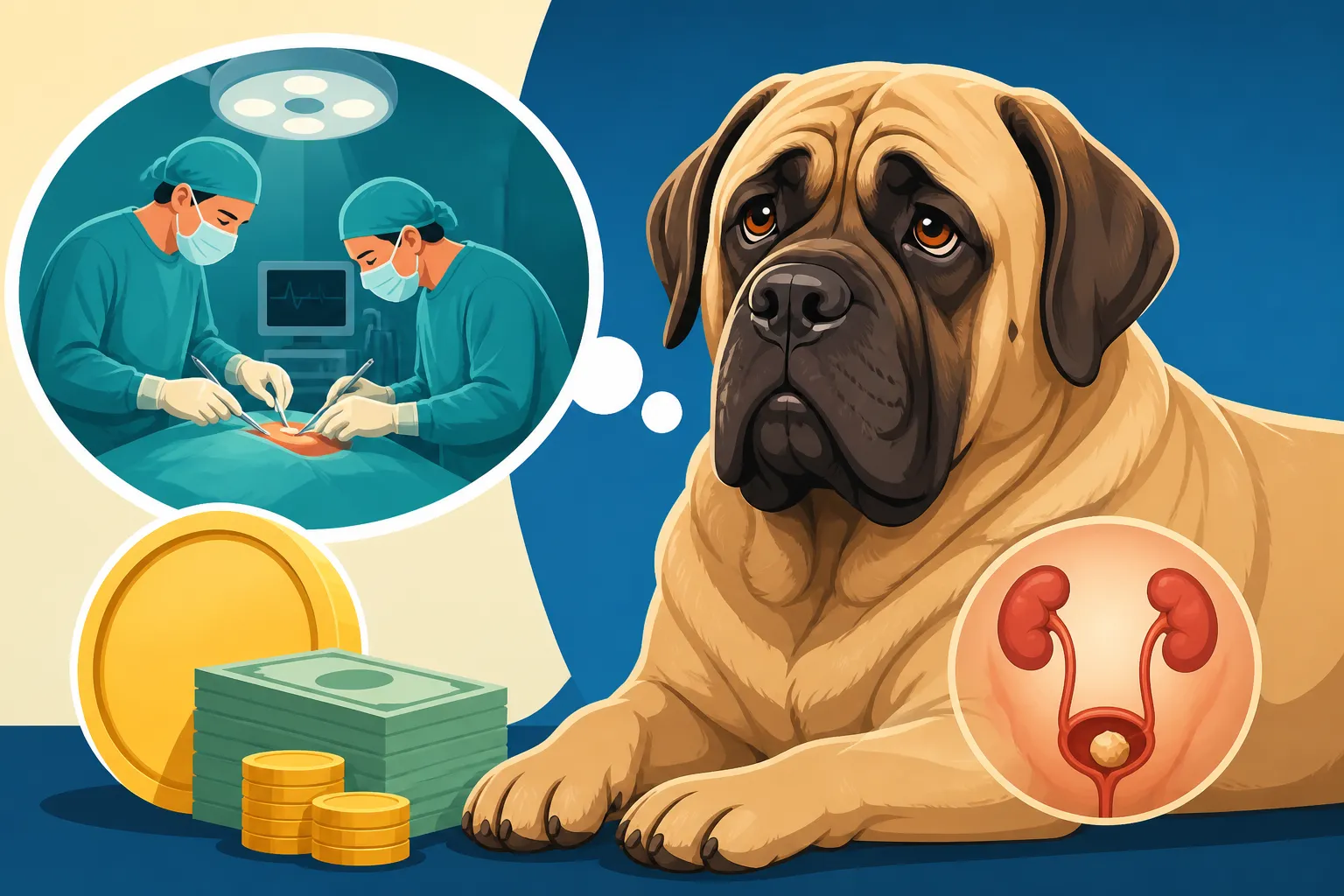
When your beloved Mastiff faces the agony of urinary stones, the immediate concern is, of course, their health and comfort. But once the initial shock wears off, a crushing worry often settles in: how much will this potentially life-saving stone surgery actually cost? It's a daunting prospect, especially with a giant breed like a Mastiff where every medical procedure seems to carry an extra zero. This guide aims to break down the expenses involved, from initial diagnosis to long-term prevention, helping you understand what to expect financially when your gentle giant needs surgical intervention for urinary stones.
Understanding Urinary Stones in Mastiffs and Their Impact
Seeing your Mastiff struggle to urinate, or noticing blood in their urine, is enough to send any owner into a panic. Urinary stones, or uroliths, are a serious health issue that can range from uncomfortable to life-threatening. Given the sheer size of these magnificent dogs, diagnosis and treatment often involve complex procedures and, consequently, significant costs.
The Types of Stones Mastiffs Can Develop
Mastiffs, like all dogs, can develop various types of bladder and kidney stones. However, there's a particular concern in our breed: Cystinuria Type III. This inherited metabolic disorder causes the kidneys to improperly reabsorb certain amino acids, leading to an excess of cystine in the urine. This cystine then crystallizes, forming stones. It's a cruel twist of genetics that disproportionately affects intact male Mastiffs. These cystine stones are notoriously difficult to dissolve with diet alone and often require surgical removal. Beyond cystine, Mastiffs can also form struvite stones, which are often associated with urinary tract infections, or calcium oxalate stones, which are more common in some other breeds but can still occur. Each type of stone requires a different approach to both treatment and prevention, making accurate diagnosis crucial. Understanding What Cystinuria Type III Does to a Mastiff is vital for affected owners.
Recognizing the Signs and Urgency of Blockage
The signs of urinary stones can vary depending on their location and whether they're causing an obstruction. Common symptoms include frequent urination, straining to urinate (pollakiuria and stranguria), urinating in inappropriate places, blood in the urine (hematuria), and licking at the genitals more than usual. For male Mastiffs, particularly those predisposed to cystinuria, a complete urinary blockage is an emergency of the highest order. The urethra, which is already narrow, can become completely occluded by a stone, preventing urine from leaving the body. This is incredibly painful and can quickly lead to acute kidney failure, electrolyte imbalances, and rupture of the bladder. If you suspect your male Mastiff is blocked, you literally have The Hours a Blocked Male Mastiff Has before the situation becomes life-threatening. Do not wait for regular clinic hours; this warrants an immediate emergency vet visit.
Diagnostic Steps Before Surgery
Before any talk of surgery, your veterinarian will need to confirm the presence and type of stones. This diagnostic phase incurs its own set of costs. Typically, it starts with a thorough physical examination, a urinalysis, and urine culture to check for infection. The most common way to confirm stones is through imaging. X-rays (radiographs) can often visualize struvite and calcium oxalate stones, which are radiopaque. However, cystine stones can sometimes be radiolucent, meaning they don't show up clearly on standard X-rays. In such cases, an ultrasound might be necessary, offering a more detailed view of the bladder and kidneys. Sometimes, a contrast study (injecting a dye that highlights the urinary tract) is required for full visualization. All these diagnostic tools, especially for a dog the size of a Mastiff, contribute significantly to the overall bill. Discover How a Mastiff's Cystine Stones Are Found in more detail.
Deconstructing the Cost of Stone Surgery for a Mastiff
The cost of urinary stone surgery on a Mastiff isn't a single flat fee; it's a sum of many individual components, each reflecting the scale and complexity of caring for such a large breed. These expenses can quickly add up, leaving many owners feeling overwhelmed.
Initial Consultation and Emergency Fees
If your Mastiff presents with signs of a urinary blockage, your first stop will likely be an emergency veterinary clinic. Emergency visits inherently come with higher consultation fees than a routine check-up. These fees cover immediate assessment, stabilization if needed, and prompt diagnostics. After-hours surcharges are common, and for a giant breed, even basic emergency stabilization can be more involved. If the blockage is identified, immediate steps like catheterization to relieve pressure might be taken, which is another procedure with associated costs. The initial emergency room visit for a blocked Mastiff can range from a few hundred to over a thousand dollars, even before any definitive surgery is discussed.
Surgical Procedure Costs
The bulk of the expense, naturally, comes from the surgery itself, often a cystotomy (surgical incision into the bladder to remove stones). This isn't just the surgeon's fee; it encompasses a wide array of services and materials.
- Anesthesia: Anesthesia for a Mastiff is a significant consideration. Due to their immense size and sometimes unique physiological characteristics, they often require larger doses of anesthetic agents and more extensive monitoring. Why Anesthesia Is Riskier in a Mastiff is a topic frequently discussed in veterinary circles, leading to more cautious and therefore potentially more expensive protocols. Expect costs related to pre-anesthetic blood work, the anesthetic drugs themselves, constant monitoring by a dedicated technician, and reversal agents.
- Surgeon's Fee: This covers the expertise of the veterinary surgeon. For complex cases or referrals to specialty hospitals, you might see fees from a board-certified veterinary surgeon, which can be higher.
- Operating Room and Equipment: The sterile environment, specialized surgical instruments, and drapes all contribute to the overhead.
- Medications: This includes antibiotics to prevent infection, pain medication for recovery, and sometimes anti-inflammatory drugs.
- Stone Analysis: After removal, the stones are sent to a specialized lab for analysis. This is critical for determining their composition, which then guides long-term preventative measures. This analysis typically adds a few hundred dollars to the bill.
For a Mastiff, the surgical procedure alone, without pre- or post-operative care, can easily run into the thousands.
Post-Operative Care and Hospitalization
The care doesn't stop once the stones are out. Post-operative recovery is crucial and contributes substantially to the overall cost.
- Hospitalization: Your Mastiff will likely need to stay at the clinic for at least 1-3 days, sometimes longer, for observation. This includes continuous monitoring of vital signs, urine output, pain levels, and incision site. Large breed hospitalization often costs more per day due to the space required, the amount of medication needed, and the staff's effort in managing a dog of that size.
- Intravenous Fluids: To ensure hydration and aid kidney function.
- Medications: Ongoing pain relief, antibiotics, and anti-inflammatories, administered orally or intravenously.
- Follow-up Visits: Several follow-up appointments will be necessary to check on healing, remove sutures, and discuss long-term management strategies.
Geographic and Clinic Variations
The exact cost will vary significantly based on your geographic location. A big city like New York or San Francisco will invariably have higher veterinary costs than a smaller city or rural area. Specialty referral centers, often found in larger urban areas, also tend to charge more due to their advanced equipment and highly specialized staff. Don't be afraid to call a few clinics to get estimates, but be aware that emergencies don't always allow for shopping around. Some large clinics like BluePearl Specialty and Emergency Pet Hospital or VCA Animal Hospitals have multiple locations, and pricing can differ even within the same brand based on location.
Long-Term Management and Financial Planning After Surgery
Successfully navigating stone surgery is a huge relief, but for many Mastiff owners, it's just the beginning of a lifelong commitment to preventing recurrence. This ongoing care also carries its own financial implications.
Dietary Changes and Medication for Prevention
Once the stone analysis reveals the specific type of urolith, your veterinarian will recommend a management plan, often centered around diet. For Mastiffs with cystine stones, a special prescription diet that aims to reduce cystine excretion and alkalize the urine is usually prescribed. Brands like Royal Canin Urinary SO or Hill's Prescription Diet c/d Multicare are common choices. These specialized foods can be significantly more expensive than regular kibble, and your Mastiff will likely be on it for life. For some Mastiffs with cystinuria, a medication like Thiola (Tiopronin) might also be prescribed to prevent new stone formation. This drug is quite costly, and the need for it can depend on the individual dog's response to diet. Knowing Why Neutering Changes a Cystinuric Mastiff's Diet is crucial, as intact males often require more intensive management.
The Role of Regular Monitoring and Follow-Up
Prevention isn't just about diet and medication; it also requires diligent monitoring. Your Mastiff will need regular urinalyses to check urine pH, specific gravity, and the presence of crystals or infection. These might be initially frequent (monthly), then stretch out to quarterly or semi-annually. Periodic imaging, such as X-rays or ultrasounds, might also be recommended to ensure no new stones are forming. These follow-up tests are essential for catching recurrence early, but they add to the ongoing veterinary expenses. Remember, How Much Water a Cystinuric Mastiff Needs is also critical, and ensuring constant access to fresh, clean water is a simple, yet vital, part of prevention.
How Pet Insurance Can Help with High Vet Bills
This is where pet insurance truly shines. For a breed with as many potential health concerns and corresponding high vet bills as the Mastiff, having a robust pet insurance policy can be a financial lifesaver. Companies like Healthy Paws, Embrace, or Trupanion offer plans that can reimburse a significant portion of eligible veterinary expenses, including emergency care, surgery, hospitalization, and even the diagnostics and medications used for stone treatment.
However, it's important to understand that pet insurance typically doesn't cover pre-existing conditions. So, if your Mastiff is diagnosed with urinary stones before you enroll them, that specific condition (and related treatments) would likely be excluded. This highlights the importance of enrolling your Mastiff in a good pet insurance plan like Healthy Paws early in their life, ideally as a puppy, to ensure comprehensive coverage if issues like stones arise later. Even with insurance, you'll still have deductibles and co-pays, but the total out-of-pocket expense for a multi-thousand-dollar surgery can be dramatically reduced. While this article focuses on stone surgery, it's worth noting that Whether Pet Insurance Covers a Mastiff's Elbows is another common question for owners, emphasizing the broad utility of such policies for this breed.
Proactive Measures to Reduce Recurrence
Beyond diet and medication, there are proactive steps you can take to help reduce the chances of future stone formation. Ensuring your Mastiff drinks plenty of water helps dilute their urine, making it harder for crystals to form. Investing in a water fountain or adding water to their food can encourage intake. Regular, moderate exercise (within appropriate limits for a growing Mastiff, of course, as The Walk Length That Damages a Mastiff Puppy is a real concern) and maintaining a healthy weight also contribute to overall urinary health. Frequent potty breaks are important to ensure the bladder is emptied regularly. And, for intact male Mastiffs with cystinuria, neutering is often recommended as it can dramatically reduce or even resolve the issue for many, as explained in Whether Neutering Resolves a Mastiff's Cystinuria. This is because the formation of cystine stones is androgen-dependent, meaning it's influenced by male hormones. Your veterinarian might also suggest Which Drug Dissolves a Mastiff's Cystine Stones if a medical dissolution is attempted, though surgery is often the more reliable route for large, obstructive stones.
The financial burden of owning a Mastiff can be substantial, and health crises like urinary stones underscore the reality that The Mastiff's Short Life Buys the Biggest Bills. Preparedness, both medically and financially, is key to providing the best care for these wonderful dogs.
Disclaimer
This article is intended for informational purposes only and does not constitute veterinary advice. The costs mentioned are estimates and can vary widely based on location, veterinary practice, and individual patient needs. Always consult with a qualified veterinarian for any health concerns or before making any decisions about your Mastiff's medical care.