Whether a Mastiff Needs a Professional Trainer
Bringing a magnificent Mastiff into your home is an incredibly rewarding experience, but let's be honest, it also comes with a unique set of challenges. These gentle giants, despite their calm demeanor, can be overwhelming for even experienced dog owners due to their sheer size and thoughtful nature. Many new Mastiff parents find themselves wondering if their own training efforts will be enough, or if they truly need to bring in a professional. This guide is here to help you navigate that decision, exploring the nuances of Mastiff behavior and when a professional trainer becomes an invaluable partner.
The Unique Challenges of Training a Mastiff
Training any dog takes dedication, but a Mastiff presents a different kind of equation. Their immense size, coupled with a distinct personality, means that standard obedience class approaches don't always cut it. Understanding these specific breed traits is the first step in deciding whether professional guidance is right for your family.
Their Sheer Size and Strength
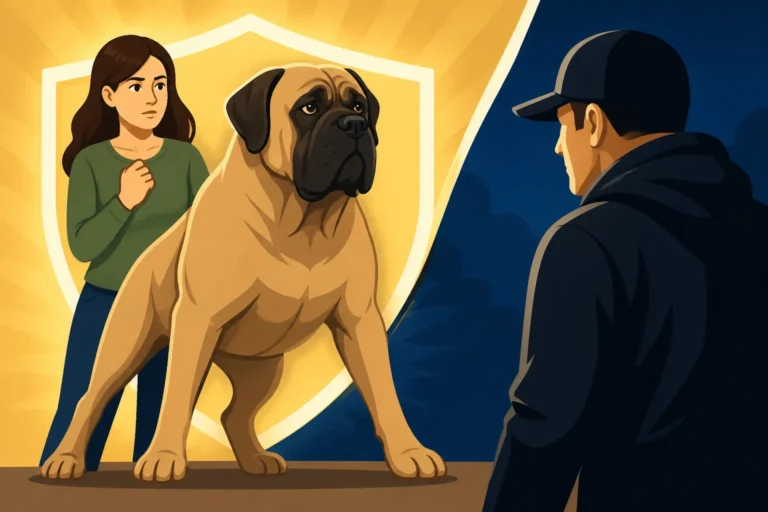
From the moment you bring home a Mastiff puppy, you're looking at a dog that will quickly grow to be larger than many adult humans. A playful nip from a 40-pound puppy can feel like a serious bite, and a lunge on the leash from a 150-pound adolescent can send you sprawling. This isn't about aggression; it's simply the physics of a large animal. Imagine trying to gently correct a dog that can easily outweigh you within its first year. The potential for accidental injury, both to yourself and others, is a constant consideration. This means that consistent, early training, focused on control and manners, isn't just a nicety – it's a safety imperative. Teaching loose-leash walking, for example, isn't just about pleasant strolls; it's about being able to safely manage a dog that could exert How Much Force a Mastiff Can Apply on a Leash if it chose to pull.
Many owners find that simple commands like "sit" or "stay" become monumental tasks when their Mastiff puppy hits that awkward, gangly adolescent phase and suddenly has the mass of a small pony. Without proper technique, you might find yourself in a tug-of-war that you simply cannot win, leading to frustration for both you and your Mastiff. The sheer physical presence of these dogs means that every interaction, every command, every boundary, must be established with an understanding of their developing power.
Their Sensitive Nature and Deliberate Temperament
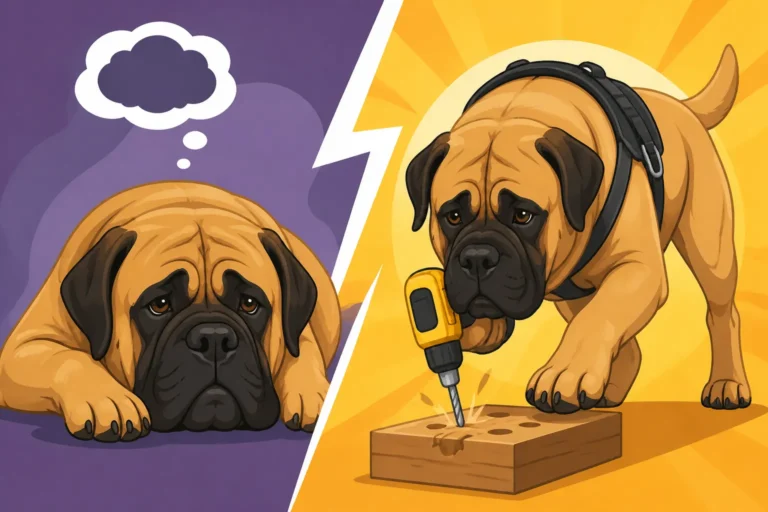
Unlike some breeds that thrive on fast-paced, high-repetition drills, the Mastiff has a much more thoughtful, often deliberate, approach to learning. They aren't always quick to respond, not because they're unintelligent, but because they often take a moment to process what you're asking. This can be misinterpreted as stubbornness, but it's often The Stubbornness That Is Actually a Mastiff Thinking. They are also incredibly sensitive creatures, despite their formidable appearance. Harsh corrections, loud voices, or impatient handling can easily shut down a Mastiff, making them withdrawn, anxious, or even resistant to further training.
This sensitivity means that positive reinforcement methods are not just preferred, but absolutely crucial for a Mastiff. They respond best to patience, consistency, and clear, calm communication. A trainer who understands this temperament can help you unlock your Mastiff's willingness to learn, fostering a strong bond built on trust and mutual respect rather than fear or intimidation. It's about coaxing their cooperation, not forcing their compliance.
Preventing Problem Behaviors Before They Start
Given their size and power, preventing undesirable behaviors in a Mastiff is far easier, and safer, than trying to fix them once they're ingrained. A small territorial growl from a Chihuahua might be annoying, but the same behavior from a 200-pound Mastiff is a serious concern. Early socialization, teaching appropriate greetings, and establishing clear household rules are paramount. This proactive approach ensures that your gentle giant grows into a well-mannered member of society, rather than a potential liability.
Think about common puppy behaviors like jumping or mouthing. In a smaller breed, these are often tolerated longer, but with a Mastiff, they quickly become dangerous as the dog grows. A professional can help identify potential behavioral pitfalls early on and guide you in implementing strategies that prevent these issues from escalating. This includes setting up your home environment correctly and understanding appropriate play with a giant breed puppy.
When DIY Training Might Fall Short
Many Mastiff owners, myself included, start out with the best intentions, pouring over books, watching videos, and attempting to implement training at home. And for some, this approach works wonderfully! But there are specific situations where even the most dedicated owner might find themselves needing extra help.
Overwhelm and Lack of Progress
It's easy to feel overwhelmed when you're trying to train a Mastiff. Their size alone can be intimidating, and when you add in their thoughtful, sometimes slow-to-respond nature, it can lead to frustration. You might feel like you're putting in a lot of effort without seeing the desired results. Perhaps your Mastiff consistently pulls on the leash, ignores your "come" command in exciting situations, or displays subtle guarding behaviors you're unsure how to address. This isn't a reflection of your commitment, but often a sign that you need an outside perspective.
A professional trainer can often spot what you're missing, refine your technique, or introduce new approaches that resonate better with your Mastiff. They can help break down complex behaviors into manageable steps, making the training process less daunting for you and more effective for your dog. Sometimes, all it takes is a few sessions to get back on track and feel confident in your abilities again.
Specific Behavioral Issues
While Mastiffs are generally calm, they can develop specific behavioral issues that are beyond the scope of general obedience training. These might include true Leash Reactivity in a Two Hundred Pound Mastiff where they bark or lunge at other dogs or people on walks, severe separation anxiety leading to destructive behavior when left alone, or even resource guarding over food or toys. These aren't just "bad habits"; they're complex behavioral problems that often have underlying causes.
Addressing these issues requires a deep understanding of canine behavior, specific modification techniques, and the ability to read subtle dog body language. A professional behaviorist or trainer specializing in behavioral modification has the expertise to diagnose the root cause of the problem and develop a safe, effective plan to address it. Trying to tackle these alone can inadvertently make the problem worse or even put you or your dog at risk. For instance, managing Separation Anxiety in a Mastiff often requires a multi-faceted approach that goes beyond simple crate training.
Safety Concerns for Dog and Family
This is perhaps the most critical reason to seek professional help. If your Mastiff's size or behavior is posing a safety risk to themselves, other pets, family members, or the public, waiting is not an option. This could manifest as accidental knocking over of children, uncontrollable pulling on the leash, or any display of aggression, however subtle. Given the Mastiff's potential for The Damage a Mastiff Does by Accident, even an unintended bump can cause serious injury.
When safety is at stake, a professional trainer provides not only solutions but also peace of mind. They can implement immediate management strategies to keep everyone safe while working on long-term behavioral changes. Their objective eye and experience with similar cases can be invaluable in these high-stakes situations. Never hesitate to call in the experts when you feel a situation is beyond your control.
The Value a Professional Trainer Brings to Mastiff Owners
Engaging a professional trainer isn't an admission of failure; it's an investment in your Mastiff's well-being and your shared future. They offer expertise and guidance that can truly transform your relationship with your dog.
Tailored Training Plans
One of the greatest benefits of a professional trainer is their ability to create a customized training plan that fits your Mastiff's individual personality, your family's lifestyle, and your specific goals. They don't just teach commands; they address the underlying motivations for behavior and leverage your dog's natural drives. For a Mastiff, this means understanding their thoughtful nature and their incredible sensitivity. A good trainer knows Why Harsh Correction Ruins a Mastiff and will focus on positive, reward-based methods that build confidence.
They can help you discover What Actually Motivates a Mastiff – whether it's a specific type of treat, a favorite toy, or even just your calm praise – and use that to your advantage. A generic group class might not provide the individual attention needed for a giant breed that learns at its own pace. A personalized plan can tackle everything from house manners to advanced obedience, ensuring the training is effective and enjoyable for everyone involved.
Hands-on Guidance and Problem Solving
Books and videos are wonderful resources, but nothing beats hands-on guidance. A professional trainer can observe your interactions with your Mastiff, identify subtle cues you might be missing, and provide immediate feedback on your timing, body language, and communication. They can physically demonstrate techniques, such as how to properly hold a leash without pain or how to lure your Mastiff into a comfortable down-stay. This personalized coaching is invaluable. For example, teaching a Mastiff to safely enter and exit a vehicle, especially as they age, often requires specific techniques like Teaching a Mastiff to Use a Ramp. A trainer can walk you through the proper steps to introduce and reinforce this behavior.
They are also expert problem solvers. If your Mastiff hits a plateau or develops a new challenging behavior, a trainer can adjust the plan on the fly. They can offer strategies for real-world scenarios, like how to manage your Mastiff when guests arrive or when encountering other dogs on a walk, ensuring behaviors like Whether a Mastiff Learns to Wait at a Threshold are practiced consistently. This direct, interactive support is where professional training truly shines.
Long-Term Support and Confidence Building
The journey with a Mastiff is a long one, and behavioral needs can evolve over time. A professional trainer often provides ongoing support, whether through follow-up sessions, online check-ins, or access to resources. This long-term relationship can be incredibly reassuring, knowing you have an expert to turn to if new challenges arise or if you simply need a refresher. They empower you, the owner, with the knowledge and skills to continue your Mastiff's education throughout their life.
Having a solid foundation in training builds immense confidence, not just for your Mastiff, but for you. You'll feel more in control, more connected, and better equipped to handle whatever life throws your way. Many trainers also offer virtual consultations or access to online platforms, providing flexibility. Resources like the BAXTER & Bella online puppy program, for example, offer comprehensive guidance that many owners find useful, providing structured lessons that can be supplemented with in-person help as needed. Even for specific equipment, like heavy-duty leashes or unique training treats, checking a wide selection on Amazon can complement the advice from your trainer.
Choosing the Right Professional for Your Mastiff
Deciding to hire a professional is a great step. The next is finding the right professional. This isn't a one-size-fits-all situation, especially with a breed as unique as the Mastiff.
Credentials and Experience with Giant Breeds
When looking for a trainer, prioritize those with solid credentials and, ideally, specific experience working with giant breeds like Mastiffs. A trainer who understands the physics of a 200-pound dog and the psychology of a sensitive, thoughtful breed is far more likely to be successful. Look for certifications from reputable organizations, and don't be afraid to ask for references.
Ask specific questions: "Have you worked with Mastiffs before?" "What training methods do you primarily use?" "How do you handle a dog that is initially resistant or fearful?" A trainer who boasts about 'fixing' dogs quickly with harsh methods is probably not the right fit for your Mastiff's gentle nature. You want someone who advocates for positive reinforcement, builds trust, and fosters a strong human-animal bond.
In-Person vs. Online Options
The world of dog training has expanded significantly, offering both in-person and online options. Each has its merits for Mastiff owners:
In-Person Training:
- Pros: Direct, hands-on feedback. Trainer can observe your dog's nuances and your handling skills in real-time. Ideal for complex behavioral issues, aggression, or when you need physical demonstrations. Can provide crucial socialization opportunities if in a well-managed group class.
- Cons: Can be more expensive. Requires scheduling and travel. Might be limited by local availability, especially for trainers specializing in giant breeds. Some Mastiffs might find a group setting overwhelming initially.
Online Training:
- Pros: Flexible scheduling, can be done from home. Often more affordable. Access to a wider pool of trainers regardless of location. Excellent for foundational skills, theory, or supplementary learning. Programs like BAXTER & Bella offer structured curricula that some owners find very helpful for consistent home practice.
- Cons: Lacks immediate physical feedback. May not be suitable for severe behavioral problems requiring hands-on intervention. Requires a high degree of self-discipline from the owner to implement consistently.
For many Mastiff owners, a hybrid approach works best: using online resources for foundational learning and daily practice, and then bringing in an in-person trainer for specific challenges or advanced skills. You can easily find various training tools, specific treat pouches, or even long lines on Amazon to support either type of training.
What to Look for in a Training Program
Regardless of whether you choose in-person or online, there are key elements to a successful Mastiff training program:
- Positive Reinforcement: This is non-negotiable for Mastiffs. Look for trainers who use rewards (treats, praise, toys) to encourage desired behaviors, rather than punishment or fear.
- Focus on Communication: A good program teaches you how to effectively communicate with your Mastiff, understanding their body language and responding appropriately.
- Practical Life Skills: Beyond basic commands, the program should emphasize skills that make your Mastiff a well-adjusted companion, such as polite greetings, impulse control, and comfortable handling.
- Realistic Expectations: A reputable trainer will be upfront about the time and effort required, and won't promise instant fixes. They understand that training is an ongoing process, especially with a large, thoughtful breed.
| Feature | DIY Training (Self-Taught) | Professional Training (In-Person/Online) |
|---|---|---|
| Cost | Low (books, online videos, equipment) | Higher (session fees, program costs) |
| Pace | Owner-controlled, flexible | Guided, often structured |
| Expertise | Limited to owner's research and experience | Access to specialized knowledge, techniques, and behavioral science |
| Feedback | Self-assessment, trial-and-error | Direct, immediate, and objective feedback from an expert |
| Problem Solving | Often reactive, can be frustrating and slow | Proactive strategies, efficient resolution of complex issues |
| Consistency | Depends entirely on owner's discipline and motivation | Structured plans and accountability can improve consistency |
| Safety | Potential for increased risk with large breeds if errors occur | Reduces risk through expert guidance and proper management strategies |
| Socialization | Limited, unless owner actively seeks opportunities | Can provide controlled, positive socialization in group settings |
| Confidence | Can build confidence, but also lead to frustration | Builds owner confidence through effective techniques and support |
Ultimately, the decision of whether a Mastiff needs a professional trainer boils down to your comfort level, the specific needs of your dog, and the challenges you face. There's no shame in seeking expert guidance; in fact, it's often the smartest and most responsible choice you can make for your magnificent Mastiff.
Disclaimer
This article is for general informational purposes only and does not constitute professional advice. Laws, prices and regulations vary by location and change over time. Consult a qualified professional for guidance on your specific situation.