Whether a Mastiff Must Be Sedated for an Ultrasound
One of the biggest worries for any Mastiff owner is when their gentle giant needs a veterinary procedure, especially diagnostics that might require them to be still. The sheer size and strength of a Mastiff can turn a routine vet visit into a monumental challenge, and the question of sedation for something like an ultrasound is a very real, often stressful, concern. This guide will walk you through everything you need to know about whether your Mastiff will need to be sedated for an ultrasound, the factors at play, and what you can do to prepare.
Why a Mastiff's Size Complicates Veterinary Diagnostics
It's no secret that living with a Mastiff means navigating a world built for smaller creatures, and the veterinary clinic is no exception. When your two-hundred-pound companion needs an ultrasound, the logistics can be daunting, and the question of sedation quickly comes to the forefront.
The Sheer Reality of Handling a Giant Breed
Imagine trying to keep a squirming, anxious toddler still for ten minutes, then multiply that by a hundred and add muscle. That's a bit what it's like to position a Mastiff for an ultrasound if they're not fully cooperative. Their immense weight and strength mean that even the most dedicated veterinary team can struggle to keep them in the precise, often awkward, positions required for clear imaging. A Mastiff might not mean to be difficult, but a sudden shift of weight, a lean, or even a determined "I don't want to be here" plant of their feet can ruin an image or, worse, injure themselves or a team member. This isn't about aggression, but simply the physical reality of managing such a massive, powerful animal who might be feeling stressed or uncomfortable.
Temperament and Stress Levels
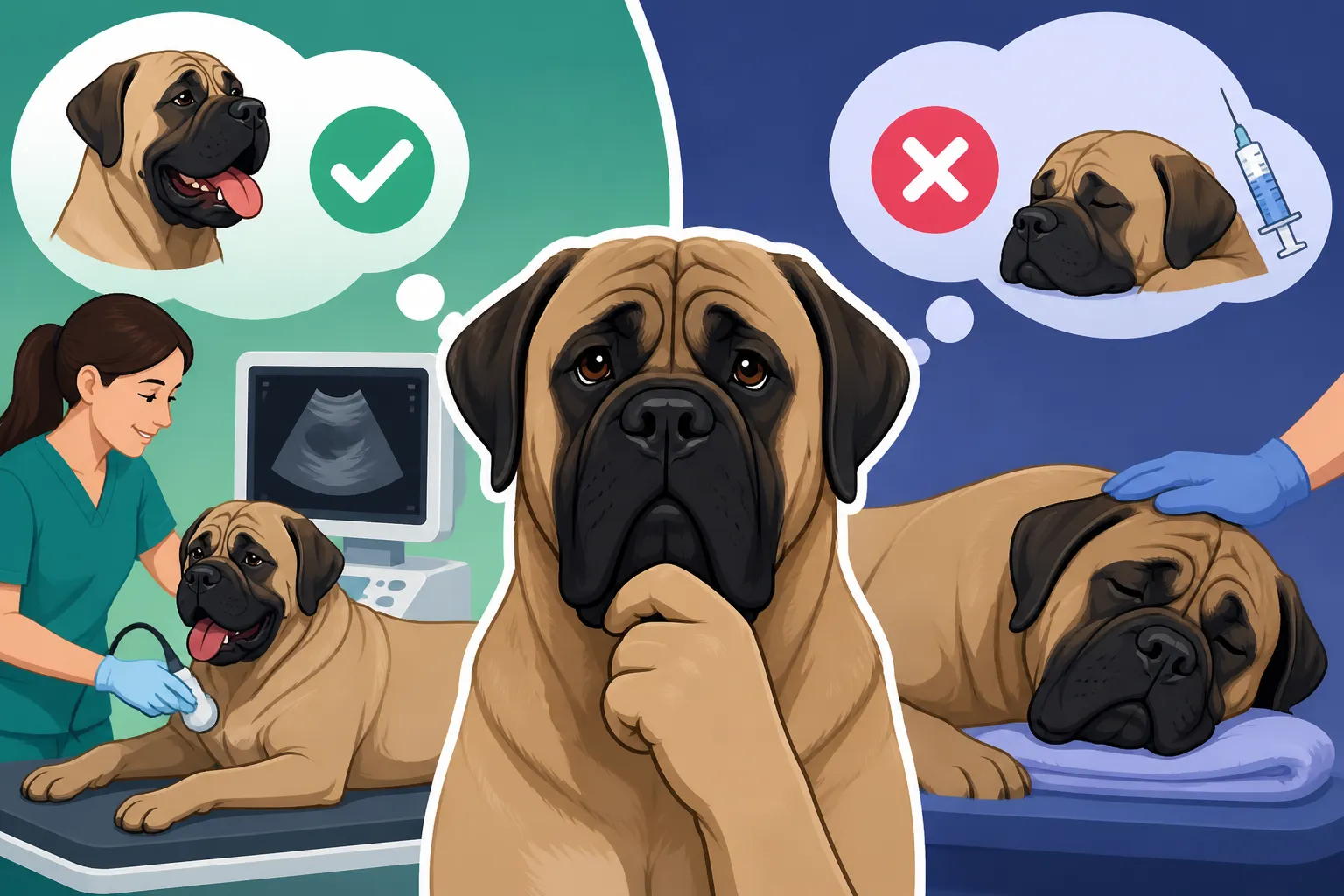
Despite their imposing appearance, Mastiffs are often incredibly sensitive and can be prone to anxiety, especially in unfamiliar or high-stress environments like a veterinary clinic. A waiting room full of barking dogs, the strange smells, unfamiliar people, and the general clinical atmosphere can be overwhelming. Even the calmest, most laid-back Mastiff at home might become tense or unwilling to cooperate when faced with an ultrasound. They pick up on our stress, too, and can internalize that fear. If a Mastiff is already anxious, asking them to lie still on their back or side, often with a patch of hair shaved and cold gel applied, is a big ask. Some Mastiffs will tolerate it with endless patience, but others will communicate their discomfort through subtle shifts or outright refusal to be positioned, which is where sedation becomes a serious consideration for everyone's safety and the success of the procedure.
Safety for Both Dog and Staff
The primary reason sedation is often recommended for Mastiff ultrasounds is safety. A two-hundred-pound dog moving unexpectedly on a slippery exam table or resisting restraint can lead to falls, muscle strains, or even more serious injuries for both the Mastiff and the veterinary staff. Veterinary technicians and doctors are highly trained, but they are still human. Imagine trying to lift and reposition a massive dog that is actively resisting. Beyond the physical safety, there's the emotional safety of your Mastiff. Forcing a nervous or uncomfortable Mastiff through a procedure without adequate calming can be a traumatic experience, making future vet visits even more challenging. Sedation, when necessary, allows the procedure to be performed efficiently, safely, and with minimal stress for your beloved companion, ensuring the best diagnostic images are obtained.
Understanding the Ultrasound Procedure for a Mastiff
When your Mastiff needs an ultrasound, it's natural to have questions, especially concerning their size and comfort. Knowing what the procedure entails can help demystify the process and prepare you for discussions with your vet.
The Gentle Art of Sound Waves
An ultrasound is a non-invasive diagnostic tool that uses high-frequency sound waves to create real-time images of your Mastiff's internal organs. Unlike X-rays, which show bones and outlines, ultrasound excels at visualizing soft tissues like the heart, liver, kidneys, bladder, and other abdominal structures. It's a fantastic tool for diagnosing a host of issues, from monitoring pregnancies to identifying fluid build-up or masses. The process itself involves a trained veterinary technician or veterinarian gently pressing a transducer (a small probe) against your Mastiff's skin, which has been prepped with a water-soluble gel. The sound waves bounce off internal structures and return to the transducer, creating the image. It's usually painless, and many dogs find the gentle pressure and warmth of the hand comforting, but the need for absolute stillness is where the challenge lies for our giant friends.
Why Stillness is Non-Negotiable for Clear Images
Imagine trying to take a focused photograph of a moving object – it's blurry, right? The same principle applies to ultrasound. For the veterinarian to capture clear, diagnostic-quality images, your Mastiff needs to remain perfectly still. Even slight movements like deep breathing can shift internal organs and blur the image, making it difficult to interpret or even necessitating a repeat scan. This stillness is crucial whether they are assessing the intricate valves of the heart in a cardiac ultrasound or searching for subtle changes in an abdominal organ. If your Mastiff is constantly shifting, lifting their head, or trying to stand up, the technician will spend more time trying to reposition them than actually scanning, prolonging the stress for everyone and potentially yielding inconclusive results. This is often the clinching factor in deciding for or against sedation – good images depend on a motionless subject.
Common Reasons a Mastiff Might Need an Ultrasound
Mastiffs, like all large breeds, can face a range of health challenges where an ultrasound becomes an invaluable diagnostic tool. One of the most urgent is suspected bloat, or gastric dilation-volvulus (GDV), a life-threatening condition where the stomach fills with gas and can twist. An ultrasound can quickly confirm or rule out a twist and assess other abdominal organs if The First Sign a Mastiff Is Bloating has been observed. Another common reason is to assess the bladder and kidneys, especially if there are signs of urinary issues. What Stone Surgery Costs on a Mastiff can be significant, and an ultrasound is key to diagnosing stones or blockages before surgery. For breeding females, an ultrasound is essential for confirming pregnancy, determining viability, and sometimes estimating litter size, although definitive counts often require an X-ray later on. If there's concern about a heart murmur, a cardiac ultrasound (echocardiogram) would be performed to examine the heart's structure and function. For any suspected internal mass, unexplained pain, or fluid accumulation, an ultrasound provides crucial information that other diagnostics might miss, helping vets understand what's going on inside your big companion.
Factors Influencing the Decision to Sedate Your Mastiff
The decision to sedate a Mastiff for an ultrasound is never taken lightly. It's a careful balancing act, weighing your dog's individual needs against the diagnostic requirements of the procedure and the safety of everyone involved.
Your Mastiff's Unique Personality and Tolerance
Just like people, every Mastiff has a distinct personality. You know your dog best. Is your Mastiff the type to settle calmly in any situation, or are they prone to anxiety and unease in new environments? A Mastiff who is naturally calm, used to vet visits, and comfortable being handled by strangers might very well tolerate an ultrasound without sedation. We’ve all seen those exceptionally stoic Mastiffs who take everything in stride. However, an anxious, fearful, or even just overly playful Mastiff who can't lie still for 15-30 minutes will almost certainly need some form of calming medication. Your vet will ask you about your dog's usual behavior during exams, their reaction to strangers, and their overall stress triggers. This conversation is vital, so be honest about what your Mastiff can realistically handle.
The Specifics of the Ultrasound Exam
Not all ultrasounds are created equal, and the type of exam can significantly influence the need for sedation. A basic abdominal screening, looking for general issues, might be quicker and less demanding than a highly detailed cardiac ultrasound, also known as an echocardiogram. An echocardiogram requires extremely precise positioning and measurement of fast-moving structures (the heart!), which demands almost absolute stillness and concentration from both the dog and the sonographer. If the vet needs to biopsy an organ during the ultrasound, then sedation becomes mandatory for the dog's comfort and to ensure the biopsy needle is guided safely and accurately. For emergency situations, like ruling out The First Sign a Mastiff Is Bloating and a subsequent twisted stomach, quick and clear images are paramount, and sedation ensures this can happen efficiently.
The Veterinary Clinic's Resources and Experience
Not every veterinary practice is equipped to handle a massive Mastiff for every procedure, especially without sedation. Consider whether your vet clinic has:
- A lift table that can safely support your Mastiff's weight and lower them into position. Whether a Practice Has a Table That Holds a Mastiff is a serious concern.
- Enough trained staff to safely position and hold your Mastiff without risk of injury.
- Experience performing ultrasounds on giant breeds who may not be fully cooperative. A vet tech experienced with large dogs might be able to get the job done more easily than someone less familiar.
- Quiet, spacious rooms where your Mastiff can be examined away from the hustle and bustle of a busy clinic, which can contribute to their stress levels.
If your regular vet recommends sedation, it might be because they know their limitations and want the best, safest outcome for your Mastiff. In some cases, they might recommend a referral to a specialty veterinary hospital that has advanced imaging equipment and staff specifically trained in handling very large or anxious animals for these types of diagnostics. This is not uncommon, especially if the ultrasound is for a complex issue or requires advanced techniques. Whether a Mastiff Needs a Referral Hospital for Surgery or complex diagnostics is a question worth exploring with your vet.
Strategies to Minimize or Avoid Sedation for Your Mastiff
While sedation is sometimes the safest and most humane option, it's completely understandable for owners to want to explore alternatives. There are several strategies you and your veterinary team can employ to try and minimize or, in some cases, avoid full sedation for your Mastiff's ultrasound.
Building Positive Associations with Vet Visits
Prevention is often the best medicine, and this holds true for vet anxiety. Starting early with a Mastiff puppy, and continuing throughout their life, means making vet visits as positive as possible. This involves:
- "Happy Visits": Pop into the clinic just to say hello, get treats from the staff, and leave without any pokes or prods. This helps your Mastiff associate the clinic with positive experiences.
- Gentle Handling: Practice handling your Mastiff at home – touching their paws, ears, opening their mouth, and gently palpating their abdomen. Reward them with praise and high-value treats.
- Crate Training: A well-crate-trained Mastiff can find comfort and security in their crate during a stressful vet visit, giving them a familiar "den" to retreat to.
- High-Value Rewards: Bring your Mastiff's absolute favorite treats. Something incredibly enticing, like boiled chicken, cheese, or special soft treats, can distract and reward them for being still. Brands like Ollie, known for their fresh dog food, can be a great source for highly palatable, high-value training treats.
Creating a Calm Environment at the Clinic
Veterinary staff are usually excellent at this, but you can also advocate for your Mastiff:
- Quiet Times: Ask if you can schedule the ultrasound during a quieter part of the day at the clinic to minimize distractions and noise.
- Private Space: Request to wait in a private room rather than a busy waiting area.
- Pheromone Sprays/Diffusers: Many clinics use Adaptil (dog appeasing pheromone) sprays or diffusers, which can have a calming effect on some dogs.
- Your Presence: If your vet allows it and you can remain calm, your presence can be a huge comfort to your Mastiff. However, if your anxiety makes them more anxious, it might be better to let the professionals handle it.
Exploring Calming Aids and Light Sedation
Sometimes, a full general anesthetic isn't needed, but a little something extra can make all the difference:
- Prescription Calming Medications: Your vet might prescribe an anti-anxiety medication to give your Mastiff an hour or two before the appointment. These are designed to take the edge off their anxiety without rendering them completely unconscious.
- Herbal or Natural Supplements: Discuss options like Zylkene or L-theanine supplements with your vet. While not a magic bullet, they can sometimes help reduce mild anxiety. You can often find a good selection of these on sites like Chewy.
- Low-Dose Sedation: This is often the ideal compromise. It's enough to relax your Mastiff and make them drowsy and cooperative, but they remain conscious and can often still respond to your voice or a gentle touch. This is much less involved than full anesthesia and carries fewer risks, while still ensuring a successful diagnostic procedure. This can also reduce the overall quantity of medication needed, which is a consideration when thinking about How Much Anesthetic a Two Hundred Pound Mastiff Takes.
| Strategy | Description | Benefits | Considerations |
|---|---|---|---|
| Positive Reinforcement | Frequent "happy visits" and high-value treats at the vet. | Builds good associations, reduces fear over time. | Requires consistent effort; may not be enough for severe anxiety. |
| Calming Aids (Pre-Visit) | Prescription anti-anxiety meds or natural supplements given at home. | Reduces generalized anxiety before arrival. | Needs to be prescribed by vet; takes time to work. |
| Clinic Environment Control | Scheduling during quiet times, private rooms, pheromones. | Minimizes external stressors. | Dependent on clinic availability and practices. |
| Low-Dose Sedation (Oral/Injectable) | Mild sedatives to relax and make cooperative, but still conscious. | Safely achieves stillness, less risk than full GA. | Still requires monitoring; may have mild side effects. |
| Full Sedation/Anesthesia | General anesthesia to render the Mastiff completely unconscious. | Guarantees perfect stillness, ideal for biopsies. | Higher risk (especially for large breeds), longer recovery, higher cost. |
Remember, open communication with your veterinarian is key. They want the best outcome for your Mastiff as much as you do and can help you weigh these options.
The Risks and Benefits of Sedation for Your Mastiff
When it comes to sedating a Mastiff for an ultrasound, it's a topic filled with both reassurance and apprehension. Understanding the trade-offs is crucial for making an informed decision with your veterinarian.
The Clear Benefits: Safety and Diagnostic Accuracy
Let's start with why sedation is often recommended. First and foremost, it's about safety. A two-hundred-pound Mastiff, even a gentle one, can inadvertently injure themselves, a veterinarian, or a vet tech if they suddenly move or struggle during the procedure. Sedation ensures they remain still, preventing falls off tables or accidental scrapes. Secondly, and just as important, is diagnostic accuracy. Without stillness, the ultrasound images can be blurry, incomplete, or misleading. Sedation guarantees that the veterinary sonographer can obtain clear, high-quality images of every organ from the precise angles needed. This means a more accurate diagnosis, which leads directly to the correct treatment plan for your Mastiff. Lastly, sedation significantly reduces stress for your dog. Forcing an anxious Mastiff to endure a potentially uncomfortable procedure can be a deeply traumatic experience, making them dread future vet visits. A calm, sedated Mastiff won't remember the stress, making future care much easier.
Weighing the Risks: Anesthesia Concerns and Cost
Now for the concerns. The biggest worry for any Mastiff owner contemplating sedation is the risks associated with anesthesia. Mastiffs, as giant breeds, metabolize drugs differently and can be more sensitive to sedatives and anesthetics. Their large body mass, deep chests, and sometimes underlying heart conditions mean that Why Anesthesia Is Riskier in a Mastiff is a valid concern. Your vet will always perform a thorough pre-sedation physical exam and often recommend Whether a Mastiff Needs Pre Anesthetic Bloodwork to ensure your Mastiff is a good candidate and to identify any potential risks. They will carefully calculate the dosage, knowing that How Much Anesthetic a Two Hundred Pound Mastiff Takes requires precision and experience. Monitoring during sedation is paramount, and a good clinic will have dedicated staff and equipment to track vital signs.
Beyond the medical risks, there's the financial cost. Sedation adds another line item to your vet bill. This includes the cost of the sedative medications themselves, the time for monitoring, and any reversal agents. When you combine this with the ultrasound fee, the overall cost can be substantial. What a Mastiff's Weight Does to Every Line on the Vet Invoice is a hard reality for any Mastiff owner, and this applies directly to anesthesia and medication dosages. This is where pet insurance, like a policy from Healthy Paws, can be incredibly helpful, often covering a significant portion of diagnostic costs, including sedation. While it's an added expense, many owners find the peace of mind knowing their Mastiff is safe and the images are clear to be well worth the investment.
Conclusion
Deciding whether your Mastiff needs sedation for an ultrasound is a nuanced conversation that truly boils down to balancing diagnostic necessity with your individual dog's temperament and overall health. While the idea of sedation can be daunting, especially given the size of our Mastiffs and the inherent risks of anesthesia, it's often the safest and most humane route to obtaining accurate diagnostic images.
Your veterinarian is your most valuable partner in this process. Be open and honest about your Mastiff's behavior and anxiety levels. Discuss their previous experiences at the vet and any fears you might have. Together, you can weigh the pros and cons, explore options like light sedation or pre-visit calming medications, and determine the best course of action. Remember, a successful ultrasound means clear images, and clear images mean the best possible care for your beloved Mastiff.
Disclaimer
This article is for general informational purposes only and does not constitute professional advice. Laws, prices and regulations vary by location and change over time. Consult a qualified professional for guidance on your specific situation.