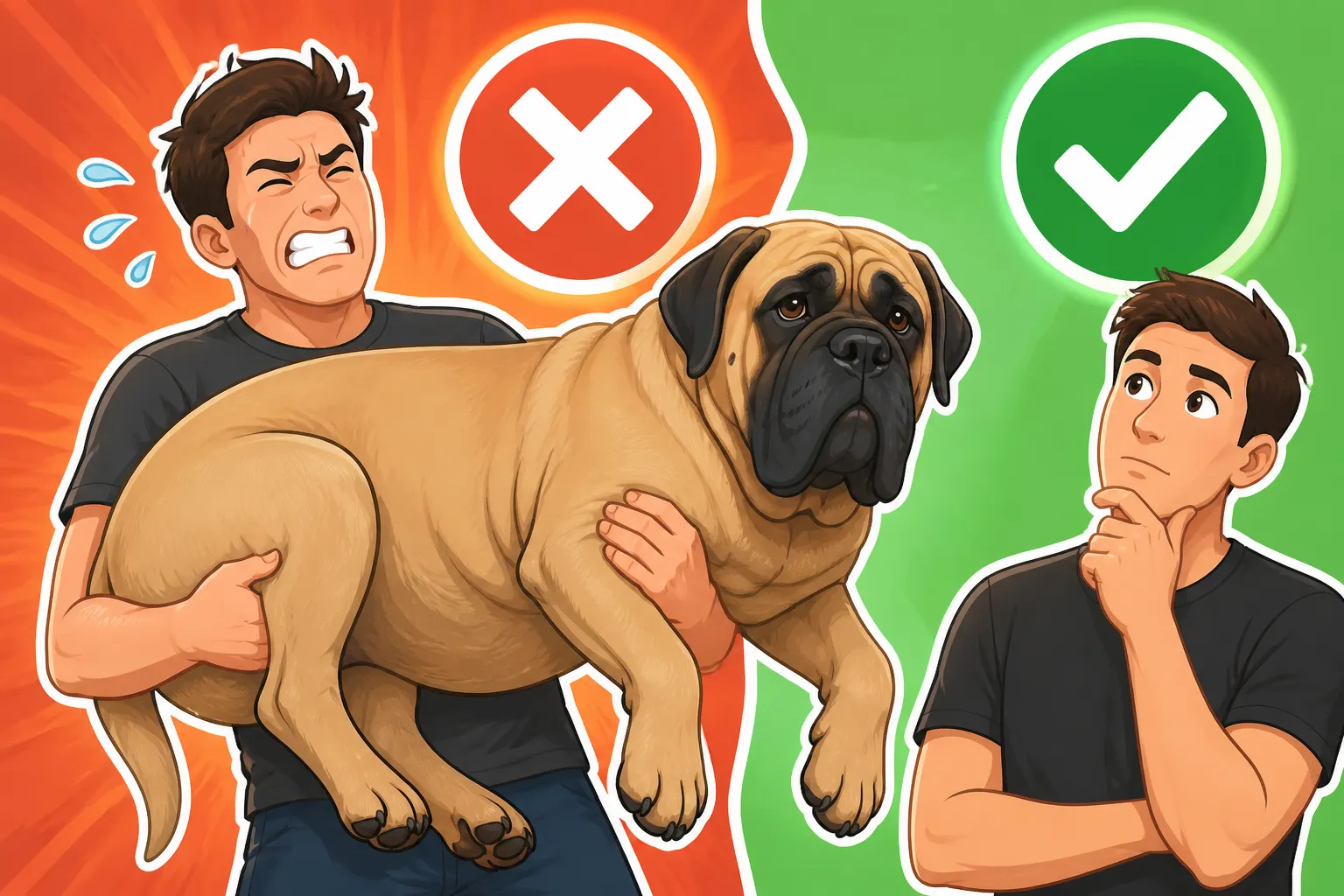
Whether a Mastiff Can Be Lifted at All
The sheer size and incredible weight of a Mastiff can present unique challenges, especially when circumstances require you to move your giant companion in ways that go beyond a simple leash walk. Many owners find themselves wondering if it's even physically possible to lift their Mastiff, or if there are safer methods to manage situations like injuries, old age, or car travel. This guide will delve into the realities of lifting a Mastiff, exploring when it might be necessary, the inherent difficulties, and practical strategies and tools to help you and your beloved giant.
The Tremendous Challenge of Lifting a Full-Grown Mastiff
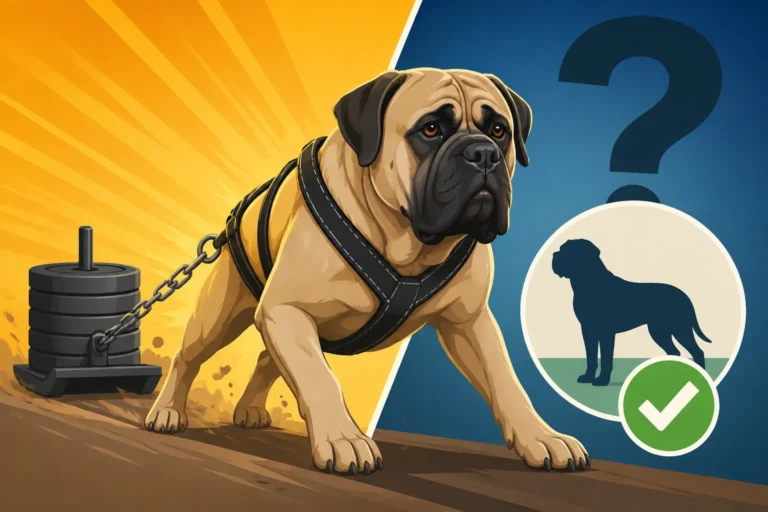
Let's be blunt: attempting to fully lift an adult Mastiff on your own is, for most people, an impossibility, and frankly, quite dangerous for both you and your dog. These majestic creatures are among the heaviest dog breeds, with males often weighing well over 160 pounds, and sometimes pushing past 200 pounds or more. Females, while typically smaller, still easily hit the 120-150 pound range. That's a lot of dog to try and hoist.
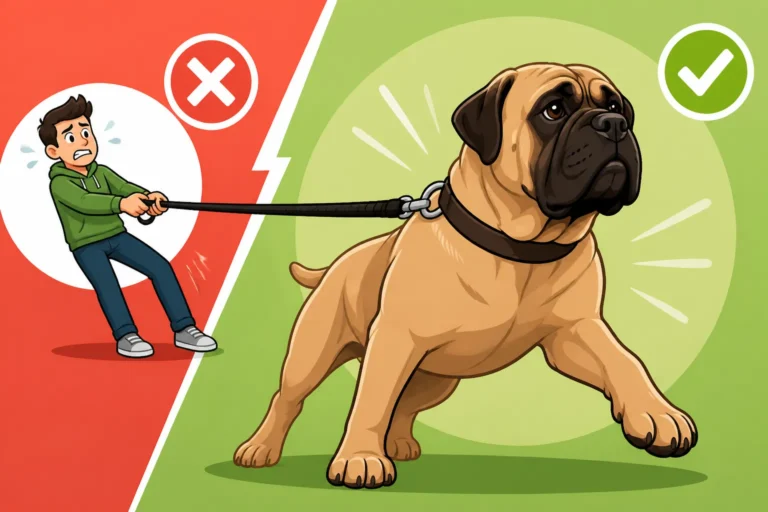
The physics alone are against you. Even if you're a strong individual, you'd be attempting to lift an uncooperative, often squirming, and entirely limp weight with an awkward center of gravity. A human's natural lifting mechanics are designed for static, predictable loads, not for a living, breathing, and potentially distressed animal of this magnitude. Trying to lift incorrectly could lead to severe back injuries for you, or worse, dropping your Mastiff, which could exacerbate an existing injury or cause new ones. This isn't about personal strength; it's about practical limitations when dealing with such a colossal amount of weight.
Furthermore, a Mastiff's body is simply not built for being picked up like a smaller dog. Their skeletal structure and joints are designed to support their massive bulk evenly across four legs. When lifted improperly, their weight can shift unevenly, putting immense strain on their spine, hips, and shoulders. This is especially critical if the dog is already injured, as an incorrect lift could easily turn a bad situation into a catastrophic one, causing further damage to delicate tissues, ligaments, or bones. Their immense size isn't just a number; it fundamentally changes how you interact with their physical presence.
Why a Puppy Is Different, But Still Demanding
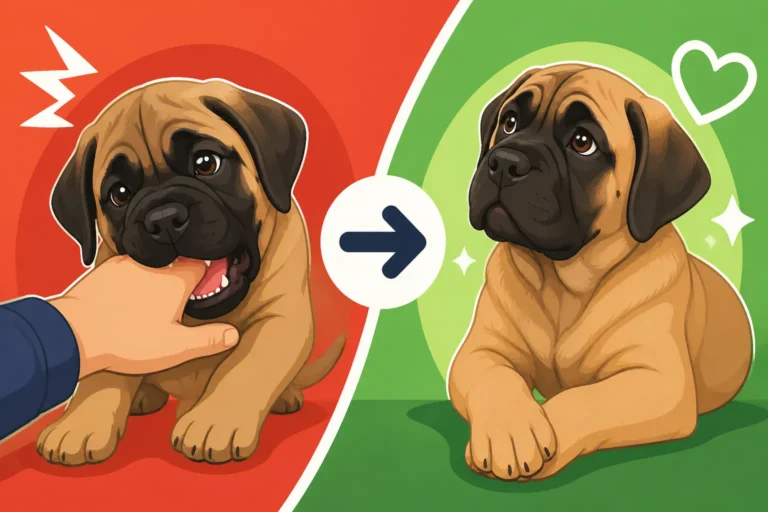
While an adult Mastiff presents an almost insurmountable lifting challenge, a Mastiff puppy is a different story, at least initially. When they're tiny, barely able to toddle, picking them up is natural and necessary. You'll lift them into and out of cars, carry them up stairs, and generally scoop them up for cuddles. However, this window of easy lifting is incredibly short-lived. The Mastiff Puppy You Are Not Allowed to Exercise makes it clear that their growth is explosive, and they pack on pounds at an astonishing rate.
By the time a Mastiff puppy is just a few months old, they can already weigh 40-60 pounds, often resembling a small Labrador retriever. At this point, lifting them still feels manageable, but it quickly starts to strain your back. Many owners find themselves trying to maintain the habit of carrying them upstairs or into the car, only to realize by four or five months that their "little" puppy is now a solid 70-80 pound brick of growing muscle and bone. This rapid weight gain means that what was easy yesterday becomes difficult, then painful, and eventually impossible, in a matter of weeks.
The implication here is that you need to start thinking about alternatives to lifting a Mastiff puppy early on. While it's tempting to scoop them up for convenience or out of habit, reinforcing independent movement and introducing mobility aids as soon as possible is crucial. For instance, teaching your Mastiff puppy to use a ramp for vehicles or stairs while they're still light enough to safely guide, or perhaps even carry partway, will pay dividends when they become too heavy to lift at all. Why a Mastiff Puppy Must Be Lifted Into a Car until they can manage a ramp is critical for their joint health.
Situations Where a Mastiff Might Need "Lifting" Assistance
Even if a full, single-person lift is out of the question, there are many scenarios where you'll need to provide significant support, or partial lifting, for your Mastiff. These situations often arise when they are at their most vulnerable, making careful handling paramount. Understanding these moments can help you prepare with the right tools and techniques.
Injured or Ailing Mastiffs
Perhaps the most common and distressing situation requiring "lifting" assistance is when your Mastiff is injured or suddenly unwell. A sprained leg, a severe cut, or a sudden bout of illness can render a Mastiff unable to walk or put weight on a limb. If your dog collapses from bloat or another critical condition, moving them safely to a vehicle and then into the veterinary clinic becomes an emergency. This isn't just about getting them from Point A to Point B; it's about doing so without causing further pain or injury.
In these dire moments, adrenaline might kick in, but brute force can be counterproductive. Imagine trying to maneuver a 180-pound dog with a suspected hip injury; attempting to pull or drag them could worsen the damage significantly. This is when specialized equipment and extra hands become absolutely essential. You might need to gently slide a large blanket or a heavy-duty lifting sling under them to create a makeshift stretcher, requiring two or even three people to carry them levelly. The goal is always to minimize movement of the injured area and distribute their weight as broadly and evenly as possible. How a Clinic Moves a Collapsed Mastiff is a testament to the immense logistical challenges involved.
Elderly Mastiffs Losing Mobility
As Mastiffs age, often sooner than we'd like to admit, their once-powerful bodies begin to slow down. Arthritis, degenerative joint disease, and other age-related ailments can make standing up, walking, or navigating stairs incredibly difficult. Why an Old Mastiff Cannot Get Up is a common and heartbreaking issue. While you won't be lifting them entirely, you'll frequently find yourself needing to provide substantial support to help them get up from a lying position, climb a few steps, or get into the car for a vet visit.
This supportive "lift" might involve using a specialized harness with handles positioned over their hips or shoulders, allowing you to bear some of their weight as they attempt to stand. This reduces strain on their aching joints and provides the stability they need to regain their footing. It's a careful dance, offering just enough assistance without doing all the work for them, thereby still encouraging their muscles to engage. These supportive moments become a regular part of daily life with a senior Mastiff, and having the right equipment makes a world of difference in preventing injury to both you and your loyal companion. Lifting an Old Mastiff That Cannot Get Up offers practical approaches to these scenarios.
Transportation and Veterinary Visits
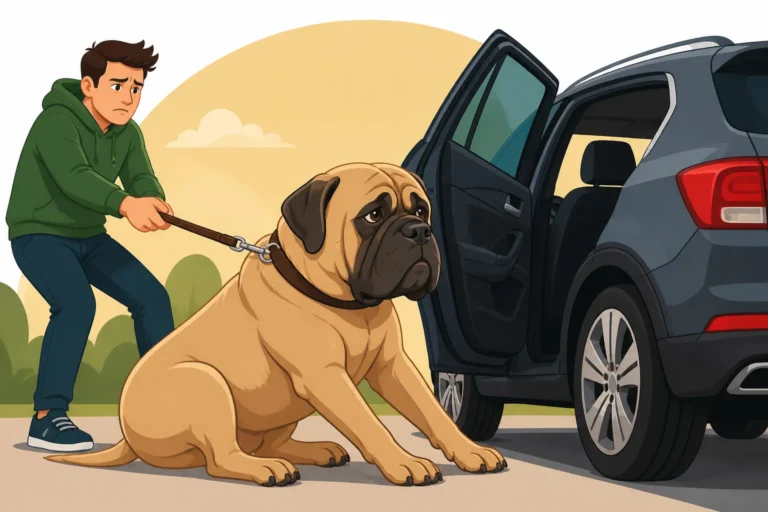
Getting a Mastiff into a car, especially if they are reluctant or unable to jump, is another scenario where "lifting" assistance is often needed. Whether it's for a routine check-up, an emergency, or simply a trip to a dog-friendly destination, a Mastiff's size can make vehicle entry and exit a significant hurdle. Many Mastiffs are too large to fit comfortably in smaller cars, and even in SUVs, the height of the cargo area can be a considerable leap for them.
Beyond the car, consider the challenges at a veterinary clinic. While some clinics are equipped with hydraulic lift tables, many are not designed for a dog of Mastiff proportions. You might need to assist your dog onto a regular examination table (if it can bear their weight) or even help position them on the floor for examinations or procedures. This can be especially true if they need to be moved for X-rays or ultrasounds. The larger veterinary hospitals are usually more prepared for giant breeds, but it's always wise to call ahead and discuss your Mastiff's mobility needs, particularly if they are injured or elderly. Whether a Mastiff Needs a Referral Hospital for Surgery highlights the necessity of specialized facilities for these giants.
Practical Strategies and Tools for Maneuvering a Mastiff
Since a full human lift is rarely feasible or safe, the focus shifts to strategic maneuvering and employing specialized tools. These aids are designed to distribute weight, provide leverage, and offer support, making it possible to assist your Mastiff safely.
Lifting Harnesses and Slings
For temporary or emergency assistance, lifting harnesses and slings are invaluable. These devices are typically made from sturdy, wide webbing or fabric and are designed to cradle your Mastiff's body, or specific sections like the hindquarters, distributing their weight more evenly. They usually have handles that allow one or more people to provide support.
- Full Body Lifting Slings: These are large, hammock-like slings that go under the dog's entire torso, often with leg openings. They are ideal for situations where a dog is completely incapacitated and needs to be moved like a stretcher. With two or more people, you can lift the dog relatively evenly, minimizing stress on any single part of their body. When shopping on sites like Amazon, look for heavy-duty options specifically rated for giant breeds, as standard slings might not hold up to a Mastiff's weight.
- Rear-End Support Harnesses: These are more common for older dogs with hindquarter weakness, such as those with hip dysplasia or degenerative myelopathy. They wrap around the dog's pelvis and hind legs, with a handle over the back, allowing you to lift their rear while they use their front legs to walk. This helps them with stairs, getting into vehicles, or simply standing up. Whether an Old Mastiff Needs a Harness With Handles is a testament to their utility for senior Mastiffs.
- Front-End Support Harnesses: Similar to rear-end harnesses, these support the chest and front legs. They are useful for dogs with forelimb injuries or shoulder issues. Many models combine both front and rear sections, allowing for a flexible, modular support system.
When using any sling or harness, ensure it's properly fitted to prevent chafing or discomfort. Always lift with your legs, not your back, and coordinate with others if multiple people are assisting. Even with these tools, remember the sheer bulk involved; proper technique is crucial to avoid injury to yourself or your Mastiff.
Ramps and Stairs for Accessibility
For regular entry and exit from vehicles or to navigate small sets of stairs, ramps are a game-changer. Rather than attempting a partial lift every time, a well-placed ramp allows your Mastiff to walk into and out of spaces independently, greatly reducing strain on their joints and on your back.
- Vehicle Ramps: These are typically foldable or telescopic, designed to extend from the ground to the bumper or cargo area of your car. Look for ramps made of sturdy, anti-slip materials with a high weight capacity. Again, Amazon offers a wide selection, but always double-check the maximum weight rating. Teaching your Mastiff to use a ramp takes patience and positive reinforcement. Programs like BAXTER & Bella, which focus on positive reinforcement and foundational training, can provide excellent guidance on teaching your Mastiff to confidently use a ramp, turning it into a positive experience rather than a stressful one. Teaching a Mastiff to Use a Ramp is an essential skill for giant breed owners.
- Household Ramps: For a few steps leading to a deck or even an interior rise, smaller, fixed ramps can be installed. These are particularly beneficial for older Mastiffs or puppies who are still developing their joints and shouldn't be jumping. Remember, Why Stairs Are Worse for a Mastiff Than Any Breed emphasizes the importance of protecting their developing and aging joints.
- Considerations for Ramps: Always ensure the ramp is stable, has good traction, and is not too steep for your Mastiff. A gentle incline is best for their joint health. Practicing with treats and praise, gradually building their confidence, is key to success.
Choosing the right ramp also means considering its length and width. A ramp that is too short will be too steep, increasing the risk of slips or falls. A ramp that is too narrow might make a large Mastiff feel unstable or hesitant. Take measurements of your vehicle's height and your dog's length to find a suitable option. What a Ramp Rated for a Mastiff Costs can vary, but it's an investment in their long-term health.
Avoiding the Lift: Proactive Mobility Management
The best "lifting" strategy is often to avoid the necessity of a strenuous lift in the first place. Proactive measures, starting from puppyhood, can help manage a Mastiff's mobility throughout their life, reducing the risk of injuries and easing the burden of care as they age.
Early Training for Cooperative Care
Training your Mastiff for cooperative care from a young age is incredibly important. While you might not be teaching them to "lift themselves," you can teach them to be comfortable with handling, to move slowly and deliberately on command, and to understand body cues. This foundational obedience makes all veterinary visits, grooming sessions, and emergency maneuvers much safer and less stressful.
Teaching a strong "wait" or "stay" command is invaluable when you need to position them for a ramp, or carefully guide them through a narrow doorway. Desensitizing them to being touched all over, including their paws and underbelly, can make it easier to apply a sling or supportive harness without panic. Many puppy training resources, including comprehensive online programs like those offered by BAXTER & Bella, emphasize gentle handling and positive reinforcement techniques that build trust and cooperation, essential for a large, sensitive breed like the Mastiff. A well-socialized and well-trained Mastiff is far easier to manage in difficult situations than one who is fearful or resistant.
Environmental Modifications for Easier Movement
Making your home Mastiff-friendly can drastically reduce the need for lifting or extensive assistance. This includes simple changes that support their joints and stability.
- Flooring: Hardwood and tile floors can be incredibly slippery for a heavy Mastiff, leading to slips, falls, and joint strain. Laying down runners, carpets, or non-slip mats in high-traffic areas provides much-needed traction. This is particularly important for puppies and senior dogs. What Bare Floors Do to a Growing Mastiff can have long-term consequences.
- Orthopedic Beds: A Mastiff spends a significant portion of its life lying down, and their enormous weight puts immense pressure on their joints. Providing thick, supportive orthopedic beds helps cushion their elbows, hips, and shoulders, preventing pressure sores and reducing discomfort. These beds allow them to get up more easily, lessening the chances you'll need to help them hoist themselves. Look for extra-large, high-density foam beds on Amazon, ensuring they are designed to support a heavy dog's weight without flattening. How Thick a Bed a Mastiff Needs is more than just comfort; it's a health necessity.
- Ramps for Home Access: As mentioned before, if you have even a few steps leading into your home, or between different levels inside, consider a permanent ramp solution. This investment will serve your Mastiff well throughout its life, preserving its joints and your back.
By proactively adapting your environment, you're not just making life easier; you're actively supporting your Mastiff's physical well-being and longevity, reducing the likelihood of scenarios that necessitate difficult and potentially dangerous lifting.
| Lifting Aid / Strategy | Best Use Case | Pros | Cons |
|---|---|---|---|
| Full Body Sling | Immobile/Injured adults, emergency transport | Distributes weight evenly, safer for dog when multiple people lift | Requires 2+ people, dog must tolerate being placed in sling, bulky |
| Rear/Front Harness | Elderly dogs, mild injuries, mobility support | Targeted support, one person can assist, less invasive than full sling | Still requires dog to bear some weight, not for completely immobile dogs |
| Vehicle Ramp | Car entry/exit, outdoor steps | Encourages independence, reduces strain on joints, safe | Requires training, can be heavy/bulky to store, initial cost |
| Household Ramps | Indoor steps, small height differences | Permanent solution, constant accessibility | Can be difficult to integrate aesthetically, may take up space |
| Cooperative Training | All situations, especially vet visits | Builds trust, dog is calmer during handling, general manageability | Requires consistent effort, not a physical lifting tool itself |
| Non-Slip Flooring | Daily living, home environment | Prevents slips/falls, reduces joint strain, long-term health | Can be costly to implement throughout home, aesthetic changes |
Ultimately, while you might never truly "lift" a full-grown Mastiff on your own in the way you would a smaller dog, there are many effective ways to assist them when they need it most. It's about preparedness, understanding their unique physical needs, and investing in the right tools and training to ensure their comfort and safety – and yours too!
Disclaimer
This article is for general informational purposes only and does not constitute professional advice. Laws, prices and regulations vary by location and change over time. Consult a qualified professional for guidance on your specific situation.