Whether an Old Mastiff Needs a Harness With Handles
Watching your beloved Mastiff struggle to rise, perhaps with a groan or a slow, unsteady push, is one of the hardest parts of having an aging giant breed. As they get older, the once effortless movements become challenging, and you find yourself constantly wondering how you can help them maintain their dignity and mobility without risking injury to either of you. This guide will explore the essential role a harness with handles can play in supporting your senior Mastiff, offering practical advice on choosing the right one and integrating it into their daily life.
The Challenges of an Aging Mastiff's Mobility
It's a bittersweet truth that our Mastiffs, with their massive hearts and gentle souls, don't stay spry forever. Their impressive size, which we adore, becomes a significant factor as they age, placing immense strain on their joints and muscles. The physical decline isn't just a matter of slowing down; it actively impacts their ability to perform basic functions, leading to frustration for them and worry for us.
When Getting Up Becomes a Struggle
You might notice it subtly at first: a little hesitation before standing up from a nap, or a slight wobble in their hindquarters. Over time, that hesitation can turn into a real struggle. Arthritis, common in large breeds, causes inflammation and pain in their joints, making it incredibly difficult to leverage their immense body weight. Muscle atrophy, especially in the hind limbs, compounds the problem, reducing the strength they need to push themselves off the floor. It's heartbreaking to see them try, sometimes pushing multiple times before finally making it to their feet, or worse, giving up and lying back down. This struggle isn't just physical; it takes a toll on their spirit, as they become less independent and may even start to avoid activities they once enjoyed. Understanding Why an Old Mastiff Cannot Get Up is key to providing them with the right support.
Navigating Stairs and Slippery Floors
What used to be a simple journey up a few steps or across the kitchen tile can become a terrifying ordeal for an old Mastiff. The loss of muscle mass, combined with the decreased flexibility and pain from conditions like hip or elbow dysplasia, means they lose coordination and grip. A misstep on the stairs can lead to a catastrophic fall, not only causing injury but also shattering their confidence. Hardwood or tile floors, which offer no traction, become minefields, causing their legs to splay out from under them. Imagine the sheer terror for a dog that large, losing control of its own body. We, as their devoted caretakers, spend our days trying to anticipate these dangers, laying down runners or blocking off stairs, constantly aware of the risks. This is precisely Why Stairs Are Worse for a Mastiff Than Any Breed and why a clear understanding of What Bare Floors Do to a Growing Mastiff is important long before old age.
The Risk of Injury for Both Dog and Owner
The sheer size of a Mastiff means that trying to physically assist them without proper tools can be incredibly dangerous for both parties. You might find yourself bracing against them, trying to lift their hind end, and suddenly feel a sharp tweak in your own back. Or perhaps, in an attempt to steady them, you lose your footing on a slippery surface, and both of you go down. These are not minor incidents; a fall involving a two hundred-pound dog can lead to serious injuries for an owner, from pulled muscles to broken bones. For the Mastiff, an awkward lift or an accidental slip can wrench an already compromised joint, exacerbating pain or causing a new injury. The fear of accidentally hurting your beloved companion while trying to help is a heavy burden, making you hesitant even when you know they need assistance.
Understanding Harnesses with Handles for Senior Mastiffs
When faced with these mobility challenges, a specialized harness with handles emerges as a truly invaluable tool. These aren't just fancy walking accessories; they are thoughtfully designed to provide critical support, stability, and a means for you to safely assist your aging Mastiff.
What Exactly Are Support Harnesses?
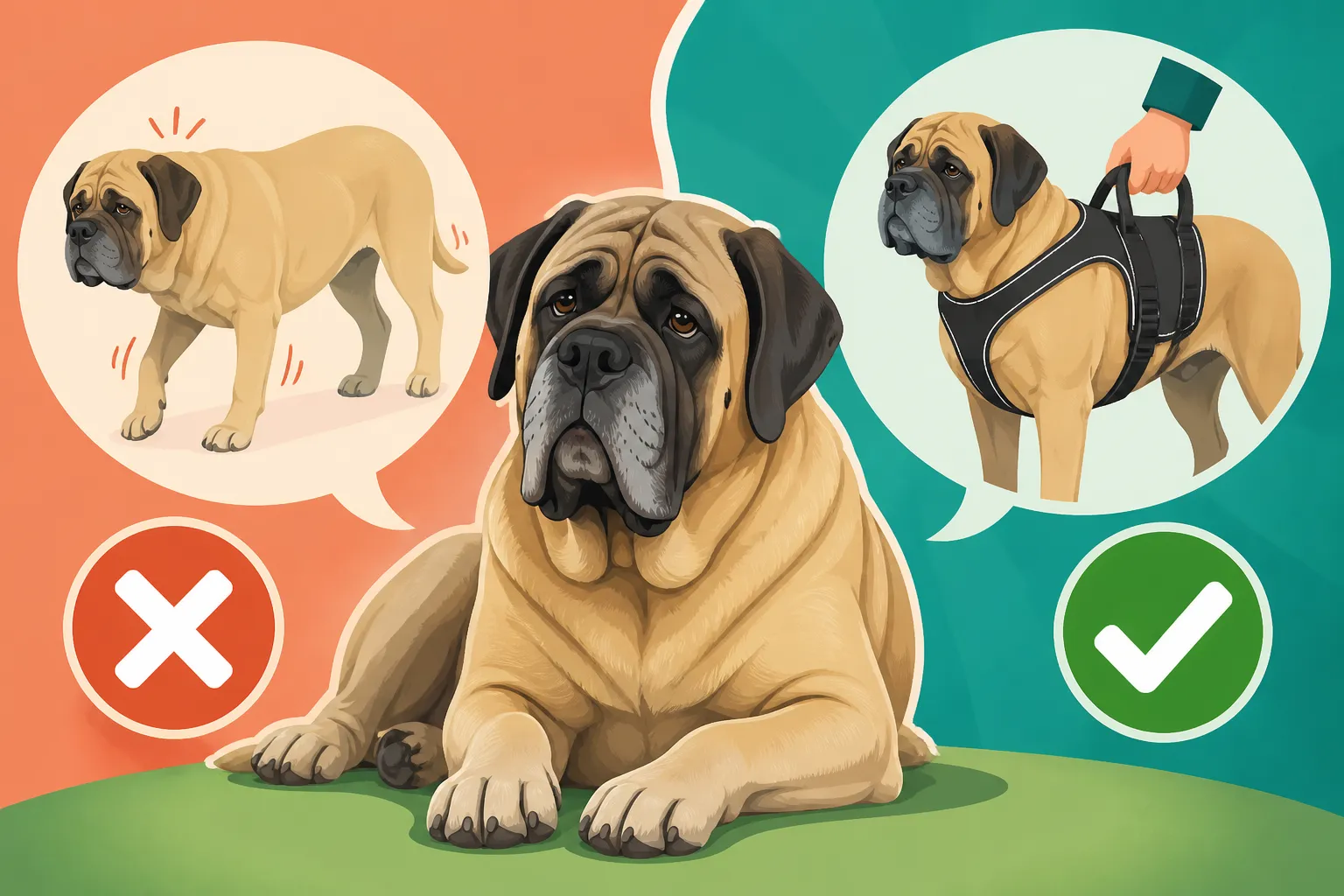
Unlike a standard chest or back-clip harness used for leash walking, support harnesses for senior dogs are engineered with a different purpose in mind: physical assistance. They typically feature sturdy, well-padded straps that distribute pressure evenly across your Mastiff's body, preventing uncomfortable chafing or concentrated strain on sensitive areas. The defining characteristic is the presence of one or more robust handles, strategically placed over the dog's hips, back, or shoulders. These handles allow you to act as a supportive brace, offering a gentle lift, stability, or leverage, without having to awkwardly grab at your dog's sensitive waist or try to scoop their massive frame. Think of them as a gentle, portable sling that empowers both you and your dog to navigate the world more confidently.
How They Provide Assistance and Safety
The beauty of a support harness lies in its ability to transform an awkward, potentially dangerous maneuver into a controlled and safe interaction. When your Mastiff struggles to stand, you can use the handles to provide a steadying upward pull, helping them find their balance and push themselves up without straining their painful joints. For navigating stairs, you can use the handles to guide them slowly, preventing a stumble and offering immediate support if they falter. This distribution of weight and controlled assistance minimizes the risk of sudden movements that could cause injury. For dogs that are unsteady on their feet, the harness acts as a constant safety net, allowing you to quickly intervene if they start to lose their balance. It's about giving them back a sense of security and you, the owner, the confidence to help without fear of accidental harm.
Different Types of Handle Harnesses
The world of support harnesses isn't one-size-fits-all, especially when dealing with the unique anatomy of a Mastiff. You'll generally find a few main types, each suited to different levels and locations of support needed. Full-body harnesses, for example, offer comprehensive support, often featuring multiple handles and wide, padded sections that cradle the dog from chest to hindquarters. These are excellent for Mastiffs with generalized weakness or those needing maximum stability. Then there are rear-support harnesses, which focus specifically on the hind legs, perfect for dogs primarily suffering from hip dysplasia or hindquarter weakness. These often resemble a pair of padded shorts or a sling for the rear. Conversely, a front-support harness might be more suitable if your Mastiff's weakness primarily affects their front shoulders or they need help getting their front end up. Some harnesses even offer modular designs, allowing you to add or remove sections as your dog's needs change. Understanding the specific areas where your Mastiff needs the most help will guide you in selecting the most effective type.
Choosing the Right Harness for Your Old Mastiff
Selecting the perfect harness for your senior Mastiff isn't something to rush. Their comfort, safety, and your ease of use are paramount, especially given their size and potential sensitivities. A poorly fitting or designed harness can do more harm than good, causing chafing, restricting movement, or failing to provide adequate support.
Key Features to Look For
When you're sifting through options, certain features become non-negotiable for a giant breed like a Mastiff. First and foremost, durability and strength are critical. The materials must be robust enough to withstand the immense weight and force of a Mastiff, especially when you're providing a lift. Look for heavy-duty nylon webbing, strong buckles, and reinforced stitching. Padding is equally important; wide, soft, and breathable padding along the chest, belly, and leg openings will prevent chafing and discomfort, particularly during prolonged use or for dogs with sensitive skin. Adjustability is another key feature. Your Mastiff's body shape might change, and being able to fine-tune the fit around the chest, waist, and legs ensures snug support without being restrictive. Finally, consider the handle design. Are the handles ergonomic and comfortable for your hand? Are they positioned correctly to provide leverage where your Mastiff needs it most? Are there enough handles for a two-person lift if required?
Sizing and Fit for a Giant Breed
This is where many owners can go wrong. A harness that fits a Labrador won't necessarily fit a Mastiff, even if the weight range seems similar. Mastiffs have deep chests, substantial jowls, and often a broad, powerful build that requires specific measurements. You'll need to accurately measure your Mastiff's chest girth (the widest part of their rib cage), neck circumference, and sometimes even the length of their back or leg circumference, depending on the harness style. Most reputable manufacturers will provide detailed sizing charts, and you should always err on the side of caution and double-check your measurements. A harness that's too tight can restrict breathing and movement, causing pain and pressure sores. One that's too loose can shift, offering inadequate support or creating tripping hazards. Remember, the goal is a snug, secure fit that allows full range of motion while providing consistent support.
Where to Find Quality Support Harnesses
Finding a high-quality support harness specifically designed for giant breeds like the Mastiff might not be as simple as walking into your local pet store. Many standard stores carry sizes for average dogs, but a Mastiff often exceeds these dimensions. Your best bet is to explore specialized online retailers. Websites like Chewy and Amazon offer an extensive selection from various brands, often with detailed sizing guides and customer reviews from other large dog owners that can be incredibly helpful. You might also find niche companies that focus exclusively on mobility aids for disabled or senior pets, sometimes offering custom-fit options. When browsing, pay close attention to the materials, customer service reviews regarding sizing issues, and return policies, as getting the perfect fit might require a trial or two. Don't be afraid to invest a little more in a quality harness; it's an investment in your Mastiff's comfort and your peace of mind.
Integrating a Harness with Handles into Daily Life
Once you've chosen the perfect harness, the next step is seamlessly integrating it into your Mastiff's routine. This isn't just about putting it on; it's about making it a positive and empowering tool that enhances their quality of life.
Introducing the Harness to Your Mastiff
For many dogs, particularly sensitive Mastiffs, any new item can be viewed with suspicion. A harness, especially a large one, might feel strange or restrictive at first. The key is a slow, positive introduction. Start by simply letting your Mastiff sniff and investigate the harness at their leisure. Offer treats and praise liberally. Then, try placing it over their back without buckling it, again, with treats and praise. Gradually work up to buckling it, leaving it on for very short periods, always associating it with positive reinforcement. Take it off before they become uncomfortable. The goal is for them to associate the harness with good things – treats, praise, and ultimately, the feeling of stability and help it provides. Never force it, as a negative experience can make future attempts much harder.
Practical Applications for Assistance
A harness with handles will become an indispensable tool in various daily scenarios.
- Getting Up: When your Mastiff is struggling to rise from a lying position, stand over them, grasp the handles firmly, and provide a steady, upward lift as they try to push themselves up. This synchronized effort makes it much easier for them.
- Stairs: For stairs, go one step at a time. If going up, you can lift slightly to take some pressure off their hind legs. If going down, you can provide gentle resistance, slowing their descent and preventing a stumble.
- Outdoor Walks: Even if your Mastiff can walk on their own, the harness offers a secure point to grab if they stumble on uneven ground or need a little boost over a curb. Remember that for a growing The Walk Length That Damages a Mastiff Puppy is short, but even an older Mastiff benefits from careful, assisted walks.
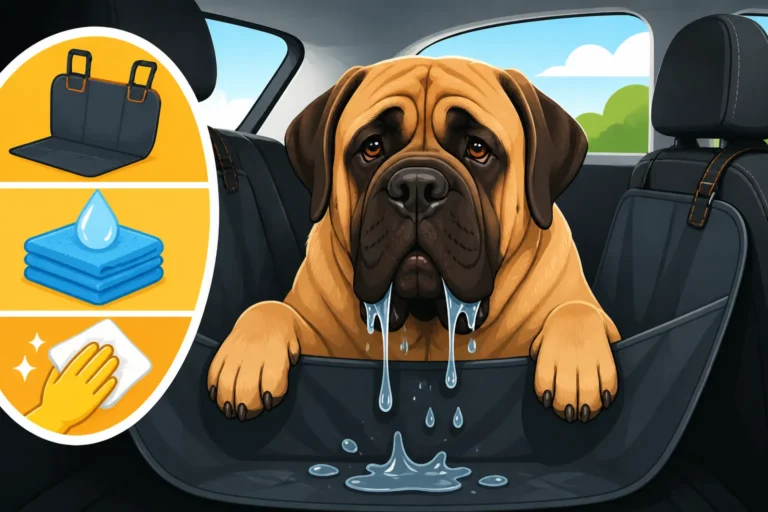
- Car Rides: Getting a massive Mastiff into a vehicle can be a Herculean task, even for strong owners. A harness can provide the leverage needed to help them step or even lift them partially into a car or onto a ramp. This is a common challenge for owners, making the harness vital, much like understanding Why a Mastiff Puppy Must Be Lifted Into a Car.
- Potty Breaks: For dogs with significant mobility issues, a rear-support harness can allow you to keep them upright and stable during elimination, ensuring they don't lose balance or relieve themselves in an uncomfortable position. It allows you to assist them without having to physically lift their entire weight, a task that becomes incredibly difficult when considering Lifting an Old Mastiff That Cannot Get Up.
Combining With Other Mobility Aids
A harness with handles often works best as part of a comprehensive mobility plan for your aging Mastiff. It complements other aids beautifully, creating a safer and more comfortable environment. For instance, pairing a harness with orthopedic beds can make a huge difference. A supportive, thick orthopedic bed helps cushion their joints and makes getting up slightly easier, reducing the initial strain before you even engage the harness handles. You can explore options on Chewy or Amazon for suitable beds, keeping in mind What an Orthopedic Bed for a Mastiff Costs. Similarly, laying down floor runners or anti-slip mats on hard surfaces throughout your home provides much-needed traction, reducing the risk of slips and giving your Mastiff more confidence, even with harness assistance. These simple additions, like What Floor Runners for a Mastiff Cost, can drastically improve their daily navigation and prevent falls. For Mastiffs with very severe hindquarter weakness, a harness can even be used in conjunction with a specialized dog wheelchair, providing front-end stability while the cart supports their rear.
Here's a quick overview of how different harness types can help:
| Harness Type | Primary Support Area | Best For | Key Benefit |
|---|---|---|---|
| Full-Body Harness | Whole Body | Generalized weakness, full mobility support | Maximum stability and controlled lifting |
| Rear-Support Harness | Hindquarters | Hip dysplasia, hind leg weakness | Assists with standing, walking, and potty breaks |
| Front-Support Harness | Front Legs/Shoulders | Front limb weakness, difficulty rising | Helps with lifting the chest and forelegs |
Disclaimer
This article is for general informational purposes only and does not constitute professional advice. Laws, prices and regulations vary by location and change over time. Consult a qualified professional for guidance on your specific situation.