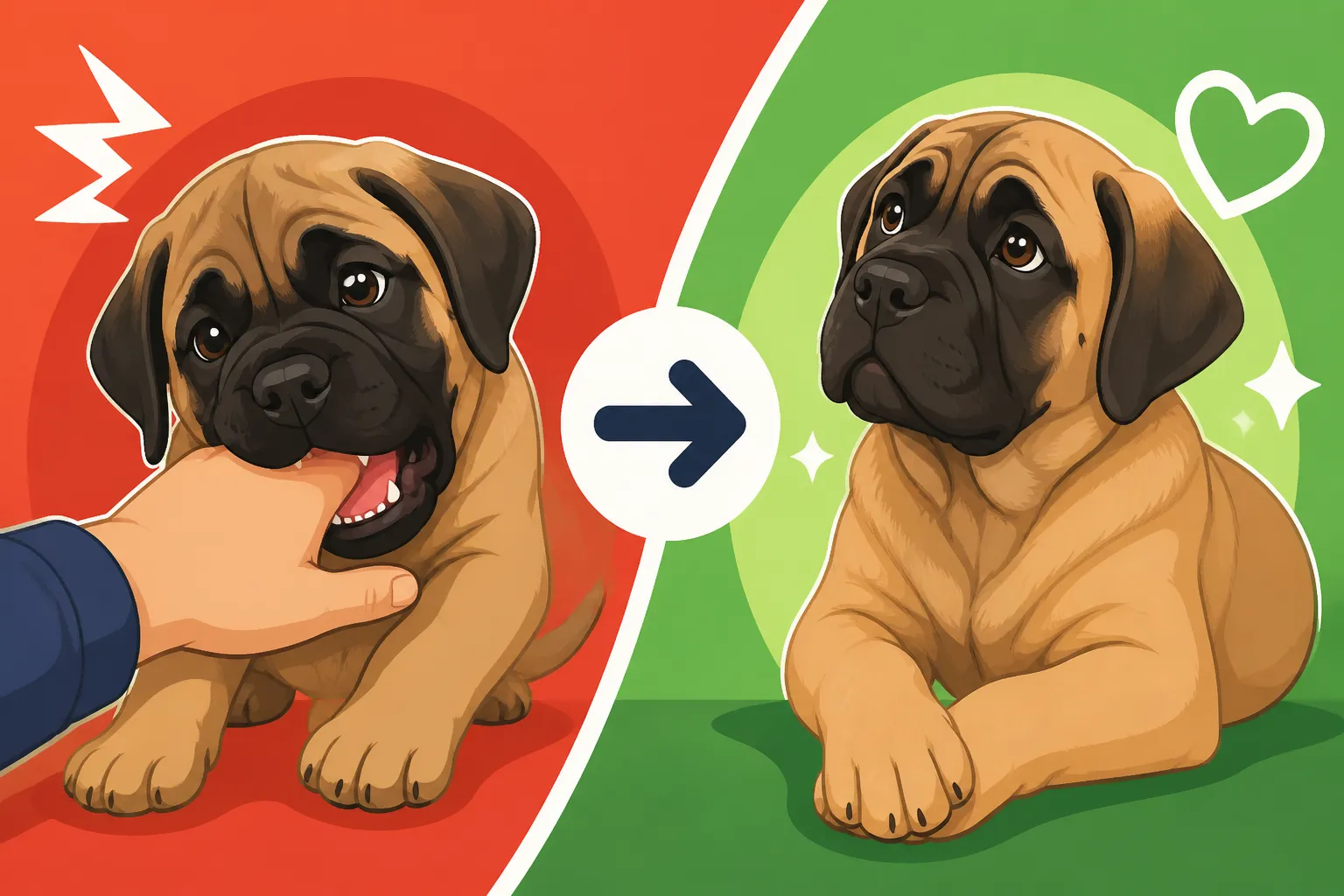
The Age a Mastiff Puppy Stops Mouthing
There's nothing quite like the joy of bringing home a floppy-eared, clumsy Mastiff puppy, full of boundless affection and curiosity. But that adorable puppy phase often comes with a challenge: mouthing. Suddenly, your hands, ankles, and even your clothes become targets for those surprisingly sharp puppy teeth. It's frustrating, sometimes painful, and can leave you wondering if your gentle giant-to-be will ever learn to keep its mouth to itself. This guide is here to shed light on when you can realistically expect your Mastiff puppy to stop mouthing, why they do it, and, most importantly, how you can gently but effectively guide them through this natural developmental stage.
Understanding Why Your Mastiff Puppy Mouths
Before we dive into timelines and training, it’s crucial to understand that mouthing is a completely normal, instinctual behavior for puppies, especially for large breeds like Mastiffs. They’re not being aggressive; they’re just being puppies! Their world is explored primarily through their mouths, much like human toddlers exploring with their hands.
Exploring Their World with Their Mouth
Think about how a puppy interacts with everything new. The strange texture of a rug, the squeaky toy, your shoelaces—it all goes into their mouth. This isn't out of malice, but pure, innocent exploration. Their paws aren't as dexterous as human hands, so their mouths are their primary tools for investigation. A Mastiff puppy, with its developing senses and a strong urge to understand its surroundings, will naturally use its mouth to gather information about objects, people, and other animals. This sensory input helps them build a mental map of their environment and learn what’s safe, what’s edible, and what pushes back.
Teething Pain and Relief
Just like human babies, puppies go through a teething phase, and it's anything but comfortable. Around 3-6 months of age, those tiny, needle-sharp puppy teeth start falling out to make way for their much larger, permanent adult teeth. This process can be quite painful and itchy for them, and mouthing, chewing, and gnawing on anything and everything provides a form of relief. It's their way of massaging their sore gums and helping those new teeth break through. Providing plenty of appropriate chew toys, especially those that can be chilled or frozen, can be a godsend during this period. Toys from Amazon like durable rubber chews or even a frozen carrot can offer much-needed comfort and redirect that natural urge to chew away from your personals.
Learning Bite Inhibition Through Play
In a litter of puppies, mouthing is a core part of their play. They nip and wrestle, and when one puppy bites another too hard, the bitten puppy will yelp and stop playing. This teaches the offender that "ouch, that hurt, and now the fun stops." This is how they learn "bite inhibition"—the crucial skill of controlling the pressure of their bite. When a puppy comes to live with us, we become their new "littermates," and it's our job to continue this lesson. If a Mastiff puppy doesn’t learn appropriate bite inhibition, even accidental nips from an adult can be quite serious due to their immense size and strength. A well-socialized puppy understands that human skin is far more delicate than a littermate's fur, and must learn to be incredibly gentle. The lessons learned during this critical window are lifelong. Whether a Mastiff Puppy Bites Hard is a topic worth exploring further if you’re concerned about the intensity of their nips.
The Typical Timeline for a Mastiff Puppy to Stop Mouthing
While mouthing is a natural part of puppyhood, it's not a behavior you want to persist into adulthood, especially with a dog that can weigh well over a hundred pounds. Understanding the general timeline can help you set realistic expectations and guide your training efforts effectively.
The Peak Mouthing Period: 8-16 Weeks
The initial weeks after a Mastiff puppy comes home, typically between 8 and 16 weeks of age, are often when mouthing is most intense. This is their prime exploration period, and they're also learning what's acceptable from their new human family. During this time, every interaction might involve a mouth, a nip, or a chew. They're trying to figure out boundaries, test reactions, and relieve any discomfort from early teething.
This phase is critical for teaching bite inhibition. If your puppy nips too hard, a sharp "yelp!" followed by immediately withdrawing your attention (standing up and turning away, or even leaving the room for a few seconds) mimics what their littermates would do. This teaches them that hard bites end the fun. Consistency is key here. Everyone in the household needs to use the same method every single time. It's a foundational lesson for their future behavior. For a deep dive into the rapid changes during this time, consider reading The First Year With a Mastiff Puppy That Doubles in Size.
Adolescence and the Second Teething Wave: 4-7 Months
As your Mastiff puppy grows into their gangly adolescent phase, roughly between 4 and 7 months, you should ideally see a decrease in the intensity of mouthing. However, mouthing can still be present, and sometimes there's a slight resurgence as those powerful adult teeth fully erupt. The molars, in particular, can cause significant discomfort, leading to a renewed urge to chew and mouth.
At this age, while bite inhibition should be mostly established (meaning their nips are softer), the frequency of mouthing might still be a challenge. They're developing independence, testing limits, and their hormones are starting to kick in. Consistent redirection to appropriate chew toys remains vital, along with plenty of mental stimulation. Short, engaging training sessions can help channel their energy and focus. Remember that The Mastiff Puppy You Are Not Allowed to Exercise has specific needs regarding physical exertion during growth, so mental exercise becomes even more important.
Approaching Maturity: 7-12 Months and Beyond
By the time a Mastiff puppy reaches 7-12 months of age, the intense, exploratory mouthing should largely be a thing of the past. You might still experience occasional, gentle mouthing, often as a form of communication or seeking attention, but it should never be painful or aggressive. If they do mouth, it should be with a "soft mouth," indicating they've learned excellent bite inhibition.
If persistent, painful mouthing continues past 7-8 months, it's a strong indicator that you need to re-evaluate your training approach or seek professional help. While Mastiffs continue to fill out until they are two or even three years old—a fascinating topic covered in The Age a Mastiff Finishes Filling Out—their core behavioral patterns regarding mouthing should be well-established much earlier. Continued mouthing at this stage can indicate a lack of proper socialization, inconsistent training, or even underlying anxiety or frustration.
Practical Strategies for Managing Mastiff Puppy Mouthing
Successfully guiding your Mastiff puppy past the mouthing stage requires patience, consistency, and a clear understanding of their needs. Here are some actionable strategies you can implement.
Redirection to Appropriate Chews
This is perhaps the most fundamental and effective strategy. Always have a variety of sturdy, puppy-appropriate chew toys readily available. When your Mastiff puppy starts to mouth your hands or clothing, immediately redirect their attention to a toy. Gently place the toy in their mouth and praise them enthusiastically when they chew on it instead.
Rotate toys to keep their interest piqued. Different textures, shapes, and sizes can be appealing. Think about classic options like Nylabone products, tough Kong toys (especially when stuffed with a treat and frozen), or even natural chews suitable for puppies. Look for highly-rated durable options on Amazon that can withstand the powerful jaws of a growing Mastiff. The goal is to teach them: "My hand is not a toy, but this chew toy is!"
The "Yelp" and Withdraw Method
As mentioned earlier, imitating a puppy's littermate is incredibly effective. When your Mastiff puppy mouths you too hard, let out a high-pitched "yelp!" or "ouch!" that clearly signals discomfort. Immediately after the sound, withdraw your attention. This means removing your hand, standing up, turning your back, or even stepping out of the room for 10-20 seconds.
This swift and consistent withdrawal teaches them that excessive mouthing leads to the immediate cessation of interaction and fun. Once they've calmed, you can re-engage. If the mouthing continues to be too hard, repeat the process. This method helps them learn to gauge the pressure of their bite and understand that gentle interactions continue, while painful ones stop. It's a key component of building a "soft mouth" in your large companion.
Short, Consistent Training Sessions
Mastiffs are intelligent but can be easily bored by repetition. Keep training sessions short, positive, and fun. Aim for 5-10 minutes, several times a day. Focus on basic obedience commands like "sit," "stay," and "leave it." These commands not only build a good foundation for a well-behaved adult Mastiff but also help with impulse control. A puppy learning to "leave it" can eventually learn to "leave" your hands alone when they're tempted to mouth.
Positive reinforcement is paramount with a sensitive breed like the Mastiff. Harsh corrections can backfire, leading to fear or resentment, and actually make behavioral issues worse. As we discuss in Why Harsh Correction Ruins a Mastiff, their gentle nature means they respond best to kindness and clear communication. Consider online resources or virtual puppy classes, like those offered by BAXTER & Bella, which can provide structured guidance and support for new puppy owners, often from the comfort of your home. This can be especially useful for learning how to handle a rapidly growing Mastiff puppy before they truly [Outweigh You].
Enforced Naps and Quiet Time
An overtired puppy is often a mouthy, cranky puppy. Just like human toddlers, puppies need a lot of sleep to grow and develop. If your Mastiff puppy is getting overly nippy and unruly, it might be a sign they're simply exhausted and need a nap. Provide a comfortable, quiet space, like a crate or a designated bed, for them to rest without interruption.
Scheduled quiet times can help regulate their energy levels and prevent them from becoming overstimulated, which often manifests as increased mouthing and rambunctious behavior. A well-rested puppy is generally a happier, more cooperative puppy, and more receptive to learning polite behaviors.
Ensure Adequate Mental and Physical Stimulation
While Mastiff puppies require careful management of their physical exercise due to their rapid growth, they still need plenty of mental stimulation. A bored Mastiff can become destructive or excessively mouthy. Puzzle toys, scent games, and short training sessions are excellent ways to tire them out mentally without putting undue stress on their developing joints.
Engaging their minds with appropriate tasks aligns with The Job a Mastiff Actually Wants—to be a thoughtful companion. This kind of stimulation can significantly reduce unwanted behaviors like excessive mouthing, as their energy is channeled productively. For details on how much exercise is appropriate, refer to Why a Mastiff Puppy Must Not Be Exercised Hard.
When Mouthing Becomes a Concern and What to Do
While mouthing is normal, there are times when it can cross the line from typical puppy behavior to something that requires more serious attention. Recognizing these signs early is important, especially with a breed as large and powerful as a Mastiff.
Escalation in Intensity or Aggressive Displays
If your Mastiff puppy's mouthing isn't softening over time, but instead seems to be getting harder or more persistent, or if it's accompanied by growling, snarling, or a stiff body posture, these are red flags. This indicates that the behavior isn't just playful exploration or teething relief; it could be a sign of deeper behavioral issues, such as fear-based aggression or resource guarding. While extremely rare in well-bred Mastiffs, any sign of true aggression should be addressed immediately.
Lack of Progress Despite Consistent Training
You've been consistent with redirection, yelping, and time-outs, but your Mastiff puppy is still mouthing vigorously at 6 or 7 months old, and you see no significant improvement. This lack of progress, despite your best efforts, suggests that your current strategies might not be effective enough or that there's an underlying factor preventing your puppy from learning. This is a clear indicator that it's time to seek external help.
Seeking Professional Guidance
If you find yourself in either of the above situations, or simply feel overwhelmed, don't hesitate to reach out to a professional.
- Certified Professional Dog Trainer (CPDT): A good CPDT can observe your puppy's behavior in your home environment, identify specific triggers, and tailor a training plan that works for your Mastiff and your family. They can teach you advanced techniques for bite inhibition, impulse control, and appropriate socialization. When choosing a trainer, look for someone who uses positive reinforcement methods, which are most effective and humane for Mastiffs.
- Veterinary Behaviorist: For more complex or potentially aggressive mouthing behaviors, a veterinary behaviorist (a DVM with specialized training in animal behavior) is the best choice. They can assess your puppy for any underlying medical conditions that might be contributing to the behavior and prescribe medication if necessary, in addition to developing a comprehensive behavior modification plan.
- Early Intervention is Key: With a giant breed, early intervention for any concerning behavioral issues is paramount. A problem that might be manageable in a smaller dog can become dangerous in an adult Mastiff. Addressing these behaviors when your puppy is still young and relatively small makes a huge difference in ensuring a safe and harmonious future. This is part of the larger picture of proper socialization, which you can learn more about in Socializing a Mastiff Puppy Before It Gets Heavy.
| Age Range | Typical Mouthing Behavior | Recommended Actions | When to Seek Help |
|---|---|---|---|
| 8-16 weeks | Frequent, exploratory, testing boundaries | Redirection, yelp & withdraw, chew toys, short training | If mouthing is consistently painful despite efforts |
| 4-7 months | Less frequent, possibly renewed with teething | Consistency, continued redirection, more advanced training | If mouthing intensifies or shows aggressive signs |
| 7-12 months | Occasional, gentle, seeking attention | Reinforce polite behavior, ensure adequate mental stimulation | If no significant improvement, or escalation in force |
| 12+ months | Should be rare or very soft, never painful | Address any regression with a professional | Any persistent, painful, or aggressive mouthing at this age |
Bringing up a Mastiff puppy is a huge commitment, but seeing them grow into well-behaved, gentle giants is incredibly rewarding. With patience, understanding, and consistent positive training, you can help your Mastiff puppy move past the mouthing stage and become the magnificent companion they are meant to be.
Disclaimer
This article is for general informational purposes only and does not constitute professional advice. Laws, prices and regulations vary by location and change over time. Consult a qualified professional for guidance on your specific situation.