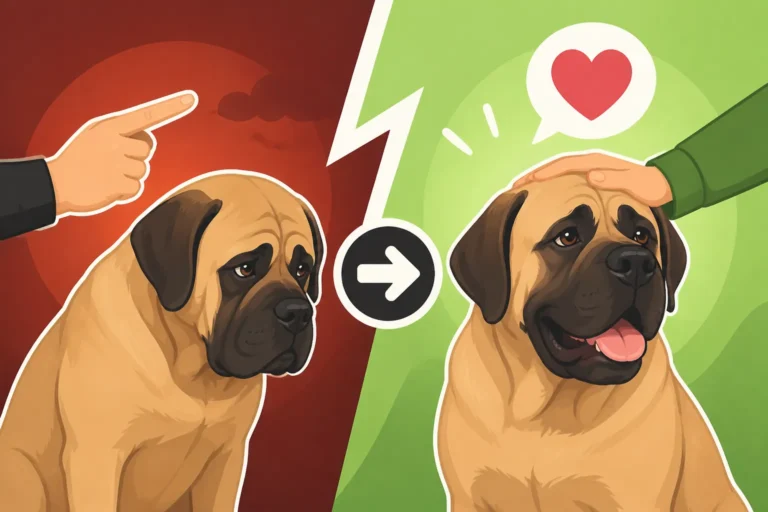
The Stubbornness That Is Actually a Mastiff Thinking
You've probably looked at your Mastiff, standing still as a statue in the middle of a walk or refusing to budge from a doorway, and muttered under your breath, "Oh, he's being stubborn again." It’s a common frustration, but what if I told you that what looks like stubbornness is actually your big, wonderful dog taking a moment to think things through? This guide is going to dive deep into the unique mental landscape of the Mastiff, helping you understand their deliberate nature so you can build a stronger, more harmonious relationship built on mutual respect, not exasperation.
Understanding the Mastiff Mindset: More Than Just Stubbornness
Let's be real, living with a Mastiff isn't always a whirlwind of instant obedience. There are moments, many moments, where they seem to drag their feet, ponder their existence, or just plain hesitate. It's easy to label this as stubbornness, especially when you're in a hurry or trying to get them to do something seemingly simple. But that label often misses the mark entirely. What we perceive as resistance is frequently a complex internal process unfolding in that magnificent, heavy head. They aren't trying to defy you; they're genuinely contemplating their options.
The Deliberate Nature of the Mastiff
Mastiffs are not the kind of dogs that operate on impulse. Unlike some more driven, high-energy breeds that might leap before they look, a Mastiff is inherently deliberate. This trait is woven into their very being, a remnant of their ancestral purpose. They were guard dogs, tasked with surveying their domain and making measured decisions about potential threats, not reacting wildly to every rustle in the bushes. This deep-seated calm and thoughtful approach means they tend to take their time before committing to an action. It's less about a refusal to comply and more about an innate need to process.
Imagine a situation where you ask your Mastiff to "come." A Border Collie might launch itself toward you instantly, driven by an intense desire to work and please. Your Mastiff, however, might lift their head, blink slowly, perhaps even let out a sigh, and then begin to lumber in your direction. This isn't disrespect. It's their inherent wiring. They are assessing the request, weighing the effort required, and considering the reward, or simply processing the sound of your voice. This thoughtful pause is part of their charm, if you learn to appreciate it, and it defines The Stubbornness That Is Actually a Mastiff Thinking.
Processing Information at a Different Pace
Another key to understanding the Mastiff's "stubbornness" is recognizing that they often process information at a different pace than many other breeds, and certainly different from us humans. They are not dim-witted; far from it. They are simply not wired for lightning-fast responses. Think of it like a very powerful, but slow-to-boot-up computer. It can handle incredibly complex tasks, but it needs a moment to get started. When you give a Mastiff a command, especially a new one, don't expect an immediate reaction. Their brains are sifting through the data: What did that sound mean? What is my human asking? What are the consequences of acting or not acting?
This slower processing speed can be particularly noticeable during training sessions. You might repeat a command several times, feeling like it's going in one ear and out the other. But often, it's actually sinking in, just at its own speed. They need that extra beat to connect the dots. This is why patience isn't just a virtue when owning a Mastiff; it's an absolute necessity. Rushing them or getting frustrated only short-circuits their thoughtful process, making them more likely to shut down rather than speed up.
Weighing Pros and Cons Before Action
Perhaps the most fascinating aspect of the Mastiff's perceived stubbornness is their tendency to actively weigh the pros and cons of any given situation or command. This isn't defiance, it's canine cost-benefit analysis. If you ask them to do something, especially if it requires effort or seems unnecessary from their perspective, they will take a moment to decide if it's worth it. Is there a sufficiently motivating reward? Is the request uncomfortable or confusing? Is it simply easier to stay put? What Actually Motivates a Mastiff often comes down to this internal calculation.
For example, you might call your Mastiff in from the yard on a chilly evening. They're comfortable, perhaps enjoying a sniff of something interesting. Your call might be met with a slow turn of the head, a deep look into your eyes, and then… nothing. They're thinking: It's cold inside. This scent is intriguing. Is there a treat waiting for me? Is it really that important right now? To overcome this, you need to make the "pro" side of the equation stronger. A high-value treat, an enthusiastic tone, or even physically walking over to them with gentle encouragement can shift the balance in your favor. They are not mindless followers; they are partners who need to be convinced, not coerced.
When "No" Means "Why?": The Mastiff's Questioning Spirit
There are many common scenarios where a Mastiff's deliberate nature can be mistaken for outright refusal. These aren't acts of rebellion, but rather instances where your Mastiff is seeking clarification, assessing risk, or simply trying to understand the 'why' behind your request. Recognizing these patterns can dramatically change your approach and reduce frustration for both of you.
The Halt on Walks and Refusal to Move
Ah, the infamous "Mastiff plant." You're out for a lovely stroll, perhaps enjoying the crisp morning air, when suddenly your massive companion anchors themselves to the spot, refusing to budge. You pull, you coax, you plead – nothing. It feels like they've declared independence right there on the sidewalk. But in their mind, they're not saying "no." They're saying, "Wait. What's that? Should I move? Is there something I need to be aware of?" or even, "I'm tired of walking in this direction."
This can happen for a myriad of reasons. Maybe they've caught an intriguing scent that demands a full investigation. Perhaps a strange dog is approaching, and they're assessing the situation with their protective instincts. Or maybe, just maybe, they've decided they've had enough walking and would prefer to simply observe the world from that particular spot. Trying to drag a two-hundred-pound dog is futile and counterproductive. Instead, try to understand the trigger. Engage them with a happy voice, show them a treat, or change direction slightly. Sometimes, a gentle nudge and a patient wait are all it takes for them to complete their assessment and decide to move on. Learning to read these signals can save you a lot of grief and embarrassment, as detailed in Why a Mastiff Lies Down and Refuses to Move.
Hesitation at New or Unfamiliar Situations
Mastiffs, despite their imposing size, can be surprisingly cautious and sensitive, especially when faced with novelty. A new place, an unfamiliar object, or a sudden loud noise can cause them to hesitate, retreat, or simply freeze. This isn't cowardice; it's their thoughtful nature kicking in. They need time to process and deem a new situation safe. For a breed originally bred to assess and guard, this cautious approach makes perfect sense. They don't want to rush into something potentially dangerous or unknown.
Think about introducing your Mastiff to a new environment, like a friend's house or a new park. They might hang back at the entrance, sniffing the air, taking in all the new sights and sounds before deciding to venture further. They might also react this way to something as simple as a new piece of furniture in the living room or a strange-looking bag left on the floor. Pushing them into these situations will only heighten their anxiety. Instead, allow them to approach on their own terms, offering calm reassurance and positive reinforcement when they show curiosity. Let them explore at their own pace.
The Doorway Stand-Off
One of the most classic Mastiff moments is the doorway stand-off. You're ready to go outside, holding the door open, but your Mastiff is rooted to the spot, often blocking the entire entrance. It's not that they don't want to go out (though sometimes that's true if it's raining!). More often, they are simply processing the transition, deciding which way to go, or perhaps even expecting you to go first. For such large dogs, navigating tight spaces or thresholds can sometimes require a bit more deliberation than for a smaller, more agile canine.
They might be thinking about the path ahead, or perhaps they're waiting for a specific cue. This behavior, while seemingly frustrating, is a prime example of their thoughtful hesitation. Instead of yanking the leash or trying to push them through, try using clear, consistent verbal cues like "forward" or "let's go," paired with a treat lure. Sometimes, simply walking past them and inviting them to follow is enough. This teaches them to trust your lead and that the doorway is not a barrier, but a passage. You can find more insights on this in Why a Mastiff Balks at Doorways.
The Impact of Harsh Corrections on a Thinking Dog
Given their thoughtful and often sensitive nature, the Mastiff is a breed that simply does not respond well to harsh corrections. If you try to force them, yell at them, or use punitive methods, you're not going to get a more obedient dog. Instead, you'll likely create a fearful, distrustful, and even more reluctant companion. Understanding this is paramount to successful Mastiff training. Whether Raising Your Voice Sets a Mastiff Back is not a question, but a certainty for these gentle giants.
Shutting Down Instead of Learning
When a Mastiff experiences harsh correction, whether it's a sharp tug on the leash, a loud reprimand, or an aggressive posture, their natural inclination is not to learn from the "mistake" but to shut down. Their sensitive nature means they are deeply affected by negative interactions. Instead of thinking, "Oh, I shouldn't do that again," they are more likely to think, "I don't understand what I did wrong, and this interaction is scary/unpleasant, so I will disengage." This can manifest as them literally freezing in place, avoiding eye contact, or even trying to retreat.
This shutdown response is counterproductive to learning. A dog that is stressed or fearful cannot effectively process information or make positive associations with training. You'll find that instead of improving, their "stubbornness" might intensify as they become more resistant to engaging with you, fearing another negative interaction. It's a vicious cycle that stems from a misunderstanding of their inherent temperament. They need a calm, steady hand, not an iron fist.
Building Resentment and Distrust
Consistent harsh corrections don't just lead to shutting down; they actively erode the bond of trust between you and your Mastiff. These dogs are intensely loyal and form deep attachments, but this loyalty is built on respect and gentle leadership, not fear. If they feel that you are unpredictable, aggressive, or unfair, they will learn to resent your presence and commands. This resentment won't necessarily look like overt aggression; more often, it will manifest as a passive resistance, a deeper unwillingness to comply, and a general lack of enthusiasm for anything you ask.
Imagine trying to motivate an employee by constantly yelling at them. They might eventually do what you say out of fear, but they won't be invested, and they certainly won't trust you. It's the same with a Mastiff. They are too intelligent and too proud to be bullied into submission. Instead of earning their cooperation, you'll create a dog that tolerates you rather than partners with you. This can make everyday tasks, like vet visits or even basic grooming, incredibly challenging as their distrust manifests in resistance. Whether a Mastiff Remembers a Bad Experience is a resounding yes; they don't forget easily.
The Mastiff's Emotional Sensitivity
It's easy to look at a Mastiff's imposing physical presence and assume they are thick-skinned, both literally and figuratively. However, underneath that formidable exterior lies a surprisingly sensitive soul. They are incredibly attuned to their owner's emotions and body language. A raised voice, a frustrated sigh, or even a tense posture from you will be registered and interpreted by your Mastiff. They are highly empathetic creatures who thrive on positive, calm interactions.
This emotional sensitivity means that they absorb and react to the emotional climate of their home. If you're constantly frustrated with them, they will feel that frustration. If you're angry, they'll sense that anger. This can lead to anxiety, insecurity, and a general reluctance to try new things or push their own boundaries, even gentle ones. Recognizing Whether a Mastiff Is Genuinely Sensitive and adapting your training approach accordingly is crucial for fostering a happy, confident, and responsive Mastiff. They respond best to a patient, understanding, and positive leader who respects their thoughtful nature.
Motivating the Mastiff: Tapping into Their Inner Logic
Since Mastiffs are thinkers, not mindless automatons, the key to successful training lies in understanding how to tap into their internal logic and make them want to comply. This means moving away from force and embracing methods that make sense to them, appeal to their desires, and respect their processing style. It’s about being smarter, not stronger.
Positive Reinforcement and High-Value Rewards
For a dog that weighs the pros and cons, positive reinforcement is your most powerful tool. It transforms a command from a demand into an invitation for a rewarding experience. When your Mastiff performs the desired action, no matter how slowly or hesitantly, immediately follow it with something they truly value. This could be a delicious, smelly treat, a favorite squeaky toy, or genuine, heartfelt praise. The trick is to use high-value rewards, especially for difficult or new behaviors. A dry kibble might not cut it when they're contemplating the effort involved in a "come" from across the yard. Think cheese, cooked chicken, or specially made training treats.
The goal is to create a strong, positive association with the command and the action. Every time they respond correctly and receive a desirable reward, they are more likely to repeat that behavior. This builds their confidence and teaches them that engaging with you is always a good thing. With online programs like BAXTER & Bella, you'll often find extensive guidance on using positive reinforcement effectively, tailoring it to your dog's specific motivators. This approach leverages their thoughtful nature by making the "pro" column of their internal balance sheet overwhelmingly positive. Whether Food Motivates a Mastiff is usually a resounding yes, making it an excellent training tool.
Short, Engaging Training Sessions
Given their deliberate processing speed and their tendency to weigh effort, long, repetitive training sessions are likely to backfire with a Mastiff. They will quickly get bored, fatigued, and revert to their "stubborn" state. Instead, focus on short, frequent, and highly engaging sessions. Think five to ten minutes, a few times a day, rather than one long, tedious hour. Keep the atmosphere light, fun, and upbeat.
During these brief sessions, focus on one or two commands, and end on a high note. Always finish when your Mastiff has successfully completed a task, even a simple one, and reward them generously. This leaves them feeling successful and eager for the next session. This approach respects their attention span and ensures they don't get bored of drilling, which is a very real risk, as explored in Whether Short Sessions Suit a Mastiff and Whether a Mastiff Gets Bored of Drilling. Vary the location and the type of rewards to keep things interesting and prevent them from becoming complacent.
Making Training a Game, Not a Chore
For a Mastiff, training should feel less like a chore and more like a fun game you play together. Incorporate their natural behaviors and motivations into your training. For instance, if they love to sniff, use scent work as a reward or as part of a "find it" game that leads to a "come." If they enjoy carrying things, teach them to retrieve specific items. The more you can frame learning as an enjoyable interaction, the more eager and responsive your Mastiff will be.
Use toys, hide-and-seek games, and even simple puzzles to engage their minds. This taps into their thoughtful side, giving them a "job" to do that isn't just mindlessly repeating cues. For instance, rather than just asking for a "stay," you can make it a game where they stay while you hide a treat, then release them to "find it." This stimulates their intellect and makes them active participants in the learning process, rather than passive recipients of commands. This playful approach helps solidify the bond and makes learning enjoyable for both of you.
Patience and Consistency: The Keys to a Thinking Mastiff's Heart
Training a Mastiff requires a marathon mindset, not a sprint. Because they are so thoughtful and deliberate, patience and consistency are not just recommended virtues; they are the absolute cornerstone of a successful relationship and training regimen. Without them, you'll find yourself constantly battling their natural inclination to pause and ponder.
Building a Foundation of Trust
At the heart of all Mastiff training is trust. These dogs need to implicitly trust their human leader. They need to believe that you are fair, consistent, and always have their best interests at heart. This trust isn't built overnight, nor is it earned through force. It's forged through countless positive interactions, predictable routines, and consistent, gentle guidance. When your Mastiff knows they can rely on you, they are far more likely to listen and respond, even if it takes them a moment to process.
Every time you patiently wait for them to decide to move, every time you reward a hesitant step, every time you remain calm when they seem "stubborn," you are adding another brick to that foundation of trust. Conversely, every time you lose your temper, resort to harsh methods, or are inconsistent with your commands, you chip away at that trust. A Mastiff with a strong bond of trust will be much more willing to engage in training and follow your lead, even through challenging situations. This trust is what makes Whether a Mastiff Forgives a Correction less about absolution and more about the ongoing repair of the bond.
Repeating Cues Without Frustration
One of the biggest challenges for Mastiff owners is the need to repeat cues. It can feel like they're ignoring you, or worse, that they simply don't care. However, more often than not, they are still processing. For a Mastiff, learning often requires more repetitions than for some other breeds, and they need you to be utterly consistent in how you present those cues. How Many Repetitions a Mastiff Needs will likely be higher than you expect.
Instead of getting frustrated and raising your voice when they don't respond immediately, try this: give the cue once, clearly and calmly. Wait. Count to three, or even five, in your head. If there's no response, calmly repeat the cue, perhaps adding a gentle lure or a slight body movement to prompt them. The key is to remain patient and avoid letting your frustration show. If you find yourself getting annoyed, it’s better to end the session on a positive note with something easy and try again later. They are not intentionally ignoring you; they are taking their time.
Understanding Their Learning Curve
Mastiffs don't typically top the lists for "easiest to train" breeds, and that's okay! Their learning curve is simply different. They may not pick up new commands at lightning speed, but once they do learn something, they tend to retain it very well. Their thoughtful nature means they commit information to memory deeply once they've truly understood it and found it worthwhile. This contrasts with some dogs who learn quickly but forget just as fast.
This means you need to adjust your expectations. Celebrate small victories. Don't compare your Mastiff's progress to that of a working line breed. What might take a week for a Border Collie could take a month or more for a Mastiff, but once they've got it, they've got it. This long-term view is essential. Don't be discouraged if they seem slow to grasp a concept. Keep the training positive, consistent, and respectful of their pace. Over time, that steady effort will pay off in a well-trained, confident companion. This understanding is key to truly accepting Whether a Mastiff Is Slow to Learn.
| Owner Perception (Stubbornness) | Mastiff Reality (Thinking) | Training Approach Adjustment |
|---|---|---|
| Refusal to move/sit | Processing information, assessing comfort/safety, weighing effort | Patience, high-value lures, positive reinforcement, understanding triggers |
| Ignoring commands | Needs more time to process, assessing reward value | Clear, calm cues, consistent repetition, higher value rewards, shorter sessions |
| Lack of enthusiasm in training | Boredom, fatigue, lack of strong motivation | Make it a game, vary rewards, keep sessions brief and fun, end on success |
| Slow to learn new tricks | Deep, deliberate learning style; needs more repetitions | Consistent, patient repetition; celebrate small steps; trust-building |
| Hesitation at novel situations | Cautious assessment of safety, seeking reassurance | Allow self-paced exploration, calm reassurance, positive association |
Navigating Everyday Scenarios with a Deliberate Mastiff
Once you understand that your Mastiff's "stubbornness" is actually their thoughtful processing, you can adapt your approach to everyday situations. This shift in perspective makes life with your gentle giant much smoother and more enjoyable for everyone involved.
Encouraging Movement When They're "Stuck"
We've all been there: your Mastiff has decided a particular spot on the sidewalk, in the kitchen, or at the bottom of the stairs is their new command center, and they are not moving. When this happens, instead of pulling or getting frustrated, try to invite movement. Start by identifying why they might be stuck. Is there a strange noise? A new person? Are they simply tired or overwhelmed?
Then, offer a gentle lure. A high-value treat dangled just a few inches from their nose, coupled with an encouraging "let's go!" can often break the spell. Sometimes, simply walking away a few steps and calling them in an upbeat voice can make them decide to follow. For persistent cases, especially on walks, changing direction completely, even if it's just for a few feet, can reset their focus. Remember, a Mastiff doesn't pull you over, it simply stops, so you need strategies to get them going again. This patience applies to many facets of their care, including Why a Mastiff Puppy Must Not Be Exercised Hard.
Introducing Novelty Slowly
Because Mastiffs are naturally cautious and need time to process new information, introduce novelties to their environment slowly and positively. This could be anything from a new person visiting your home, a new piece of furniture, or a new walking route. Don't force them into immediate interaction or exposure. Allow them to observe from a distance, approach on their own terms, and investigate at their own pace.
When a new person comes over, advise them to ignore your Mastiff initially, letting the dog approach when ready. Offer treats and praise for calm investigation of new objects. When trying a new walking path, don't expect them to bound along happily. They might pause, sniff more, and need extra reassurance. This slow, deliberate introduction helps build their confidence and prevents anxiety, turning potentially stressful situations into positive learning experiences. Remember, a confident Mastiff is a compliant Mastiff.
Managing Their Size and Thoughtfulness in Public
A Mastiff's sheer size combined with their thoughtful nature can present unique challenges in public. A sudden stop or hesitation can be a tripping hazard for you or others. Their tendency to weigh situations means they might not react instantly to dangers or your commands. This is why early and thorough socialization and leash training are non-negotiable. Using a front-clip harness can provide better control without resorting to harsh methods that might make them shut down. You can find many options for durable harnesses on Amazon, for example.
Always be mindful of their presence. Give them plenty of space, especially in crowded areas. Be proactive in your commands, anticipating situations where they might hesitate. If you see a potential distraction, cue them to "heel" or "watch me" before they have a chance to get stuck in thought. Remember, their protective instincts might kick in if they perceive a threat, so understanding How a Mastiff Judges a Stranger at the Door can help you manage interactions while out and about. By being prepared and patient, you can ensure public outings are safe and enjoyable for everyone.
The Benefits of a Thoughtful Companion
While their deliberate nature might sometimes be misconstrued as stubbornness, there are immense benefits to having such a thoughtful companion. Once you learn to appreciate their unique mental process, you'll discover a dog that offers deep loyalty, calm judgment, and a profound sense of companionship. This isn't just about managing their quirks; it's about celebrating them.
Independent Problem-Solvers
A Mastiff's inclination to think things through makes them surprisingly good at independent problem-solving. While they might take their time, they often come up with solutions that demonstrate real intelligence. Whether it's figuring out how to get a toy from under the sofa or navigating a complex environment, they will apply their deliberate approach. This isn't the frenetic energy of a problem-solver who tries everything at once; it's a measured, methodical process.
You'll see this in their ability to adapt to changes in routine or environment, once they've had their time to process. They won't panic; they'll simply think about the new variables and adjust. This independence of thought means they aren't constantly looking to you for every single instruction, allowing them to be calm and self-assured in their own space. It also means they can be left alone for reasonable periods, as discussed in How Long a Mastiff Copes Alone, without resorting to frantic behaviors.
Calm and Considered Responses
One of the greatest joys of living with a Mastiff is their inherently calm and considered nature. Because they take their time to process, they rarely react impulsively or with undue aggression. This makes them incredibly stable and reliable companions. When faced with a novel or potentially startling situation, their first response isn't usually panic or aggression, but a thoughtful assessment. They are the epitome of "slow to anger," if anger ever comes at all.
This calm demeanor translates into a peaceful home environment. They aren't prone to frantic barking or over-the-top reactions to every doorbell ring or squirrel in the yard. Their presence is grounding, and their steady nature can be incredibly reassuring. This thoughtful calmness is why a Mastiff can be a wonderful companion, even in households with A Mastiff in a House With Small Children, provided appropriate supervision and training are in place. They embody a quiet strength that is truly unique.
Deep Bonds Formed Through Mutual Respect
Finally, embracing your Mastiff's thoughtful "stubbornness" by showing them patience, understanding, and consistent positive reinforcement leads to one of the most profound bonds you can imagine. When a Mastiff feels understood and respected for who they are – a deliberate, thinking creature – their loyalty and affection are boundless. This isn't a relationship built on forced obedience, but on genuine partnership.
They will trust you completely, lean into your presence, and offer you a quiet companionship that few other breeds can match. The moments of "stubbornness" become opportunities for connection, for you to slow down and meet them where they are. In return, you gain a devoted friend who will protect you with a measured, calm devotion. It's a relationship that teaches you patience, empathy, and the immense reward of understanding a truly magnificent and thoughtful canine soul.
Disclaimer
This article is for general informational purposes only and does not constitute professional advice. Laws, prices and regulations vary by location and change over time. Consult a qualified professional for guidance on your specific situation.