Whether a Mastiff Gets Bored of Drilling
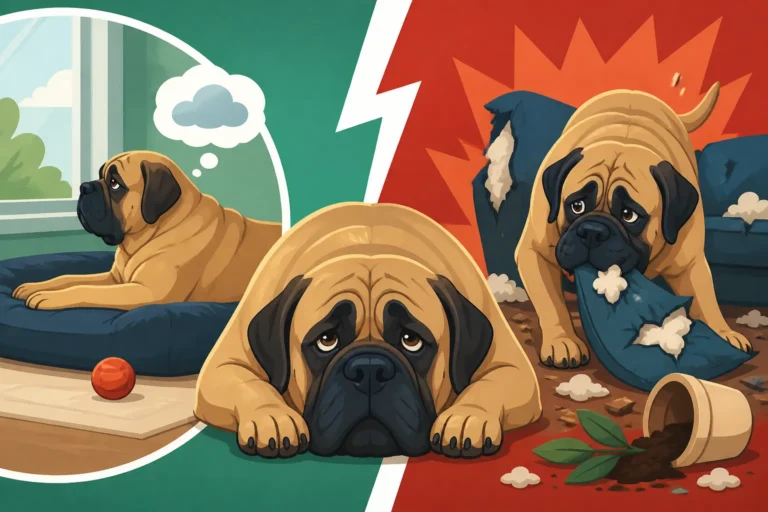
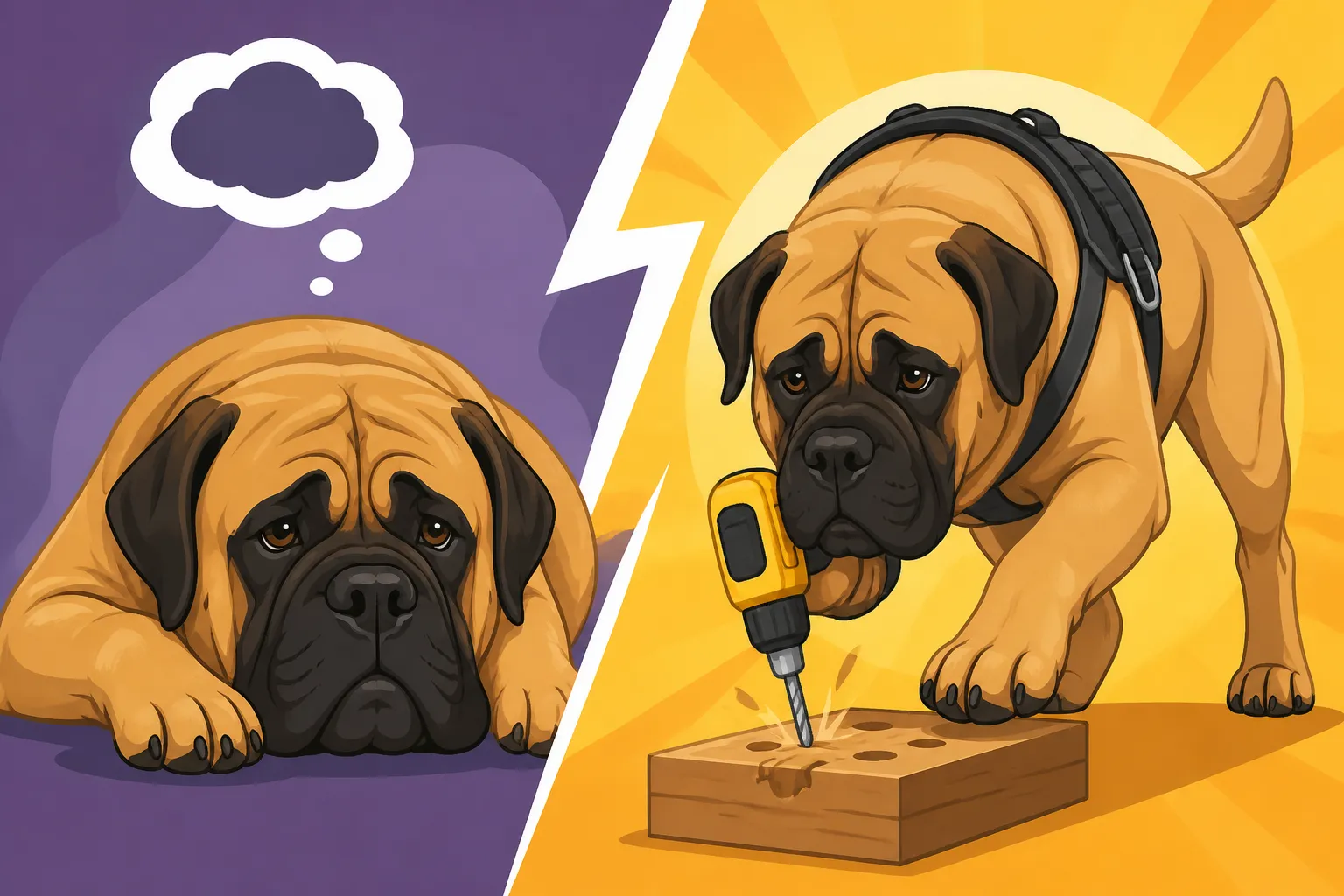
If you've ever found yourself wondering if your majestic Mastiff is actually paying attention during a training session or just expertly pretending to be a very large, furry statue, you're not alone. Many Mastiff owners experience the distinct feeling that their beloved giant is simply bored with repetitive drills, leading to frustration for both ends of the leash. This guide will delve into why Mastiffs sometimes seem to lose interest, what those signs truly mean, and how you can adapt your training approach to keep your intelligent, sensitive companion engaged and eager to learn.
Understanding the Mastiff Mindset in Training
It's easy to project our human understanding of "boredom" onto our dogs, especially a Mastiff who might seem to just sit there, blinking slowly, when you ask for the tenth "sit-stay" in a row. But with Mastiffs, it's often far more nuanced than simple boredom. These dogs are thinkers, observers, and incredibly sensitive, which means their approach to training is fundamentally different from a high-drive working breed.
More Deliberate Than Dull
The first thing to understand about a Mastiff's training style is that they are incredibly deliberate. They aren't slow because they're dull or unintelligent; they're slow because they are processing, evaluating, and often deciding if the requested action is truly worth their effort. Imagine asking a very clever, very large child to repeatedly perform a simple task that they already understand. They might comply, but not with the enthusiastic fervor of a puppy or a dog wired for endless, fast-paced work.
When you ask your Mastiff, say, for a "down-stay," they don't immediately flop. They might look at you, then at the treat, then back at you, then slowly lower themselves, perhaps with a sigh. This isn't defiance or boredom in the conventional sense. It's often a mental checklist: "Is she serious? Is the reward good enough? Is this really necessary? Okay, fine, I'll do it." They are weighing the input, considering the context, and making a calculated response. This deliberate nature is often mistaken for a lack of intelligence or disinterest, but it's actually a hallmark of their thoughtful temperament. You might notice this unique thought process described as The Stubbornness That Is Actually a Mastiff Thinking.
The 'What's In It For Me?' Factor
Let's be honest, most of us, when faced with a task, consider the payoff. Mastiffs are no different, perhaps even more so. They aren't dogs that live to "work" for the sheer joy of it in the same way some herding or sporting breeds might. For a Mastiff, especially during repetitive drills, the question quickly becomes: "What's in this for me?" If the reward isn't compelling, or if the task feels pointless, their engagement will visibly wane.
Bland kibble or a generic pat on the head might be enough for the first few repetitions, but for sustained effort, a Mastiff needs a high-value incentive. They are less about endless repetitions for precision and more about understanding the command and knowing that compliance brings a worthwhile return. If the perceived value of the reward drops, so does their enthusiasm. It's not necessarily boredom with the task itself, but boredom with the lack of sufficient motivation. Understanding What Actually Motivates a Mastiff is crucial to keeping them engaged. This also ties into Whether Food Motivates a Mastiff, which for many Mastiffs, is a resounding yes, provided the food is good enough!
Recognizing Signs of Disengagement, Not Necessarily Boredom
It’s important to accurately interpret your Mastiff’s signals. Their way of "tuning out" might be different from a high-energy terrier bouncing off the walls. A Mastiff’s disengagement is often subtle, a slow, heavy shift rather than a dramatic refusal.
Subtle Cues of a Mastiff Tuning Out
When a Mastiff is losing interest or feeling overwhelmed by repetition, their cues can be quite understated. You might not see frantic barking, pawing, or running away. Instead, you might observe:
- Slowed Response: Commands they usually execute quickly become sluggish. A "sit" might take several seconds, complete with a lingering look.
- Averted Gaze: They might turn their head slightly, avoiding direct eye contact, or start scanning the periphery of the room or yard. It's not necessarily defiance, but a subtle way of mentally checking out.
- Heavy Sighs or Yawns: While sometimes a sign of stress, a deep, drawn-out sigh or a big yawn in the middle of a training session can signal that they're finding it tedious or even slightly irritating.
- "Planting" Themselves: Rather than actively refusing, they might simply become immovable. You ask for a "come," and they remain rooted to the spot, perhaps shifting their weight, but not actually moving toward you. This is their passive resistance. Why a Mastiff Lies Down and Refuses to Move is a very common scenario many Mastiff owners encounter.
- Mouthing or Nipping at the Leash: If on a leash, they might start gently mouthing or nudging it, almost as if saying, "Are we done yet?"
These behaviors are their quiet way of saying, "I've understood the point, and I'm over it." It's less about a lack of capacity to learn and more about a refusal to engage in what they perceive as redundant activity.
When Stubbornness Isn't Just Stubbornness
It’s easy to label a Mastiff as "stubborn" when they’re not complying. And yes, they can be wonderfully, delightfully stubborn. But sometimes, what looks like stubbornness is actually something else entirely. It could be confusion, discomfort, or an intentional decision based on their unique way of thinking.
For instance, if you've been working on a complex chain of commands, and your Mastiff suddenly stops responding, it might not be stubbornness, but genuine confusion. They might not have fully grasped the last step, or perhaps the environment has changed, and they're unsure how to apply the command in a new context. Asking for How Many Repetitions a Mastiff Needs is often complex because it's not a set number but rather about their understanding and willingness to perform.
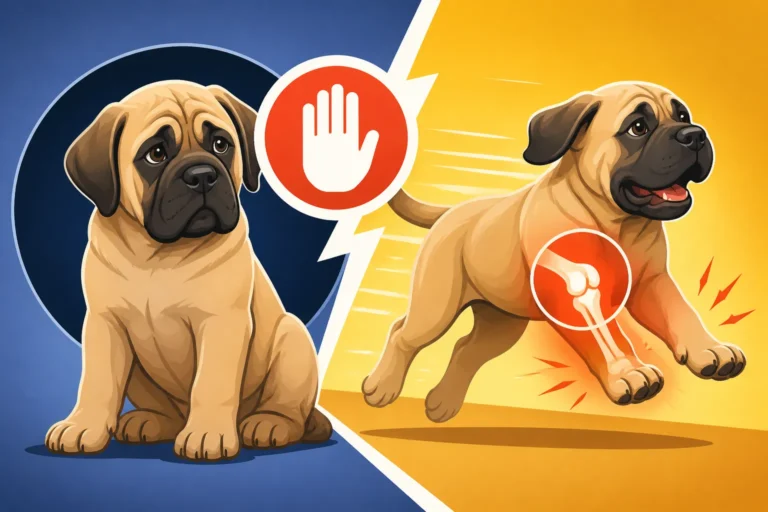
Physical discomfort can also manifest as perceived stubbornness. A Mastiff, especially as they get older, might be feeling aches and pains that make certain positions or movements uncomfortable. Asking for a "down" on a cold, hard floor might elicit a slow, reluctant response that isn't true stubbornness but a natural avoidance of discomfort. Always consider their physical well-being. A young Mastiff puppy, for example, should not be drilled on high-impact movements, as this can lead to future joint issues.
Finally, their "stubbornness" can genuinely be them making a choice. They understand what you want, they just don't see the immediate benefit of doing it right now. This isn't to say you should let them get away with everything, but it highlights the need for compelling motivation and a respectful approach to training.
Strategies to Keep Your Mastiff Engaged and Learning
Given their thoughtful nature and discerning palate for motivation, keeping a Mastiff engaged requires a strategic and empathetic approach. Forget the drill sergeant mentality; think more like a kindly, yet firm, professor who makes learning enjoyable.
Short, Sweet, and Varied Sessions
One of the most effective ways to prevent your Mastiff from "getting bored of drilling" is to avoid drilling altogether. Instead of long, monotonous sessions, opt for short, frequent training bursts. Aim for 5-10 minute sessions, a few times a day, rather than one 30-minute marathon. This is especially true for puppies, whose attention spans are naturally shorter.
Vary the exercises within these short sessions. Don't do 20 sits in a row. Do a sit, then a down, then a stay, then a recall, then back to a sit. Mix it up to keep their minds stimulated. Also, change the environment. Practice in the living room, then the backyard, then on a quiet street. This helps them generalize commands, so they understand "sit" means "sit" everywhere, not just in the kitchen. Whether Short Sessions Suit a Mastiff is a question that, for this breed, almost always gets a resounding yes. They learn quickly but tire of repetition even faster.
Making Training a Game, Not a Chore
Turn training into a fun game! Mastiffs, despite their serious appearance, can be quite playful. Incorporate elements of play into your sessions. For example, instead of just repeating "come," make it a hide-and-seek game where they get a big reward when they find you. Use a toy as a reward occasionally instead of just food, if your Mastiff is toy-motivated.
Scent work is a fantastic, low-impact activity that mentally exhausts a Mastiff without putting stress on their joints. Hiding treats around the house or yard and letting them sniff them out is incredibly engaging and taps into their natural instincts. This is a perfect example of Scent Work as a Mastiff's Low Impact Sport. Even just having them "find it" in your hand before a treat delivery makes it more interesting. Making it a partnership where they're solving a puzzle rather than just following orders can dramatically increase their willingness to participate.
High-Value Rewards and Praise
We touched on the "what's in it for me" factor, and this is where it really comes into play. For a Mastiff, your rewards need to be genuinely exciting. This often means reserving their absolute favorite treats for training sessions. Think small pieces of cooked chicken, cheese, hot dogs, or specially formulated high-value training treats.
| Reward Type | Why It Works for Mastiffs | Considerations |
|---|---|---|
| Cooked Chicken/Lean Meat | Irresistible smell and taste, highly motivating. | Cut into pea-sized pieces to avoid too many calories. Cook without seasonings. |
| Cheese | Strong scent, generally well-liked, easy to break into small bits. | Use in moderation due to fat content. Some Mastiffs may be lactose sensitive. |
| Peanut Butter (Lick Mat) | Engaging, calming, good for extended stays or focus work. | Ensure it’s xylitol-free. Can be messy but very rewarding. |
| Interactive Toys/Puzzles | Mental stimulation, dispenses treats for effort. | Choose durable toys. Can extend engagement in between active commands. Brands like **Amazon** offer a wide variety of these. |
| Enthusiastic Verbal Praise | Builds connection, especially when combined with tangible rewards. | Must be genuine; Mastiffs are sensitive to tone. |
Combine these high-value treats with enthusiastic praise. A genuine, warm "Good boy!" or "Yes!" delivered with affection and a happy tone reinforces their good work. Remember, they are sensitive dogs, and your approval means a lot to them. Over time, as a command becomes ingrained, you can start to occasionally phase out the highest-value treats for lower-value ones, but always keep praise and intermittent high-value rewards in the mix.
Patience and Consistency are Key
Even with all these strategies, remember that Mastiffs can still take their sweet time. They might "get it" one day, and then act like they've never heard the command the next. This isn't necessarily a setback; it's part of their learning curve. Consistency from you is paramount. Everyone in the household needs to use the same commands and expectations.
Don't get frustrated if a new behavior isn't immediately perfect. Celebrate small successes and understand that mastery takes time, especially when you're working with a large, independent thinker. Reinforce behaviors often, but in those short, fun bursts. Don't assume that because they've done it once, they've mastered it forever. Continual, positive reinforcement builds reliable responses over the long term. If you find your Mastiff is ignoring a command it usually knows, it might be a case of Why a Mastiff Ignores a Cue It Knows, and a good opportunity to reassess your approach.
Professional Guidance and Support
Sometimes, despite your best efforts, you might feel stuck. Maybe your Mastiff has developed a particular habit that's hard to break, or perhaps you just need fresh ideas to keep things interesting. This is where professional help can be invaluable. A certified professional dog trainer who has experience with giant breeds can provide tailored strategies and help you understand your individual Mastiff's learning style. They can identify subtle cues you might be missing and offer creative solutions to re-engage your dog.
Whether it's a few private in-home sessions or an online program like those offered by BAXTER & Bella that provides structured lessons and ongoing support, getting expert eyes on your training can make all the difference. They can help you move beyond basic obedience into more advanced, mentally stimulating activities that prevent that dreaded "boredom of drilling." Don't hesitate to seek assistance; it's an investment in a happier, more harmonious relationship with your Mastiff. For specific situations, you might consider Whether a Mastiff Needs a Professional Trainer.
Ultimately, a Mastiff isn't likely to get "bored of drilling" as much as they'll get bored of uninspired drilling. They're too smart and too sensitive for mindless repetition. Approach training with creativity, respect, and a generous supply of high-value rewards, and you'll find your Mastiff is a wonderfully willing and capable student.
Disclaimer
This article is for general informational purposes only and does not constitute professional advice. Laws, prices and regulations vary by location and change over time. Consult a qualified professional for guidance on your specific situation.