Why a Mastiff Lies Down and Refuses to Move
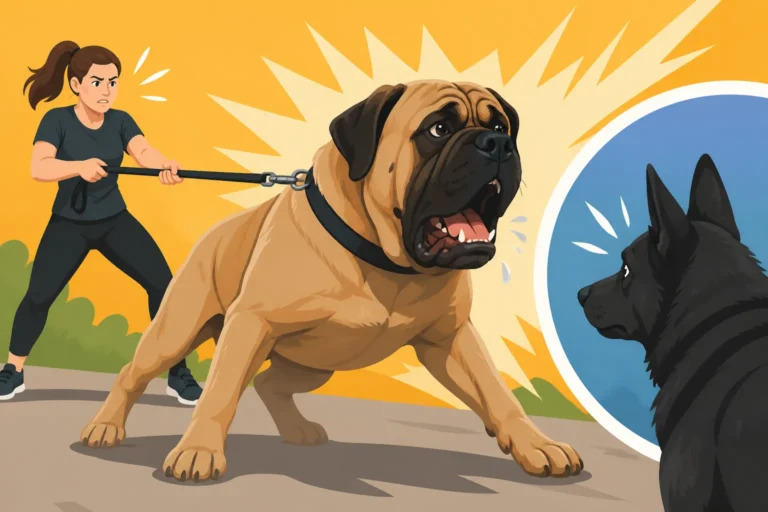
There’s almost nothing more frustrating, or frankly, embarrassing, than being out on a walk with your magnificent Mastiff, only for them to suddenly plant all two hundred pounds (or more!) of themselves on the pavement and refuse to budge. You pull, you coax, you plead, and they simply offer you that look that says, "I have made my decision, and it is final." This guide is for every Mastiff owner who has experienced the immovable object that is their beloved giant, offering insights into why they do this and practical, gentle solutions to get them moving again.
Understanding the "Mastiff Halt" Phenomenon
It's a scene as old as the breed itself for many Mastiff owners: one moment you're enjoying a leisurely stroll, the next your colossal companion is a furry, immovable statue. This isn't just about stubbornness, though Mastiffs certainly have a mind of their own. Often, there's a deeper reason behind their sudden refusal to move, and understanding these can be the first step to a more harmonious walk.
It's Not Always Stubbornness: The Mastiff's Deliberate Nature
While it’s easy to throw your hands up and declare your Mastiff the most stubborn dog on the planet, their deliberate nature is actually a hallmark of the breed, not just a flaw. Mastiffs are thinkers. They aren't prone to impulsive bursts of activity or unquestioning obedience in the face of perceived discomfort or uncertainty. When a Mastiff halts, they might genuinely be processing something in their environment, feeling a physical twinge, or simply deciding that the current activity isn't worth their energy expenditure. They're not trying to be difficult; they're just being… Mastiff. It's a deep-seated trait that often comes from their history of being guardians who observed rather than reacted rashly.
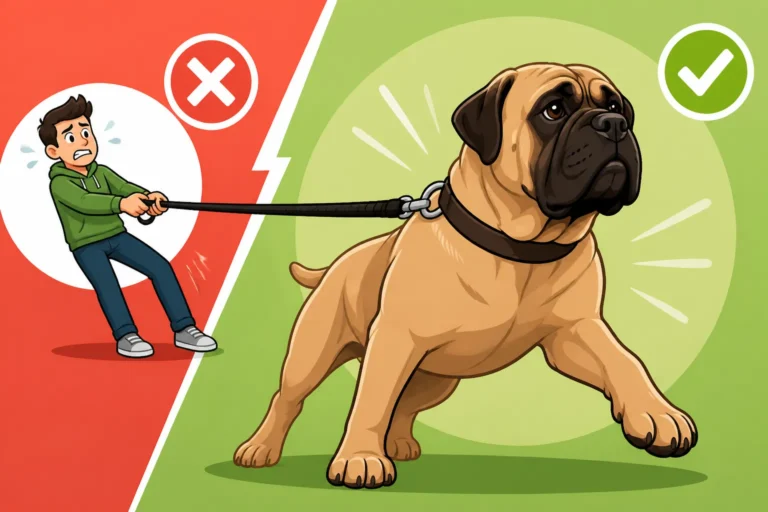
Unlike some breeds that might try to pull through discomfort, a Mastiff's first instinct is often to stop and assess. This can manifest as an apparent refusal to move, but it's often a signal that something isn't right for them, or they're simply not seeing the point. Their sheer size means that when they decide to stop, it’s a non-negotiable event for most human handlers. Trying to physically force a Mastiff to move is usually a losing battle and can even damage your relationship with them, turning a deliberate pause into a genuine standoff.
Physical Reasons: When Their Body Says No
One of the most crucial considerations when your Mastiff decides to anchor itself is their physical well-being. These magnificent giants are prone to a host of orthopedic and health issues that can make walking uncomfortable or even painful. A sudden halt could be a direct communication that something hurts.
Common culprits include hip and elbow dysplasia, which can cause chronic pain or sudden spikes of discomfort, especially on uneven terrain or after a long rest. Arthritis, even in younger Mastiffs, can also be a factor. Think about how a human with a sore knee might hesitate or stop walking altogether; your Mastiff is doing the same thing. Conditions like osteochondritis dissecans (OCD) or even a minor strain or sprain from an awkward step can cause immediate pain. It's vital to consider these possibilities, particularly as your Mastiff ages. Arthritis in a Mastiff at Four is a reality many owners face, and it's something that warrants attention. They might also be feeling unwell generally, perhaps experiencing stomach discomfort or even the early signs of something more serious like bloat, though that usually comes with other, more urgent symptoms.
| Potential Physical Reasons for Halting | Description | Warning Signs to Look For |
|---|---|---|
| Joint Pain (Dysplasia, Arthritis, OCD) | Discomfort or pain in hips, elbows, shoulders, or other joints, especially after rest, long walks, or on cold days. | Limping, stiffness, reluctance to jump or use stairs, favoring a leg, whining, difficulty getting up or lying down, changes in gait. |
| Paw Injury | Thorns, cuts, torn pads, broken nails, or even foreign objects lodged between paw pads. | Lifting a paw, licking/chewing paws excessively, visible injury, limping, tenderness when touched. |
| Muscle Strain/Sprain | An overstretched or torn muscle or ligament from an awkward movement or sudden impact. | Sudden lameness, tenderness to touch, swelling, reluctance to bear weight on the affected limb, yelping when moving. |
| General Fatigue/Overheating | Excessive exercise for their fitness level, warm weather, or underlying cardiac/respiratory issues. | Excessive panting, lethargy, bright red gums, stumbling, seeking shade, reluctance to keep moving even with encouragement. |
| Illness/Discomfort | Any general malaise, stomach upset, urinary tract infection, or other health issue. | Vomiting, diarrhea, changes in appetite, increased thirst, lethargy, fever, frequent urination/straining. |
Environmental Triggers: Overwhelm and Discomfort
Beyond physical pain, a Mastiff can simply be overwhelmed or uncomfortable with their surroundings. Their world is often much more intense than ours, with heightened senses of smell and hearing. What might seem like a perfectly normal street to you could be a cacophony of smells and sounds to your Mastiff.
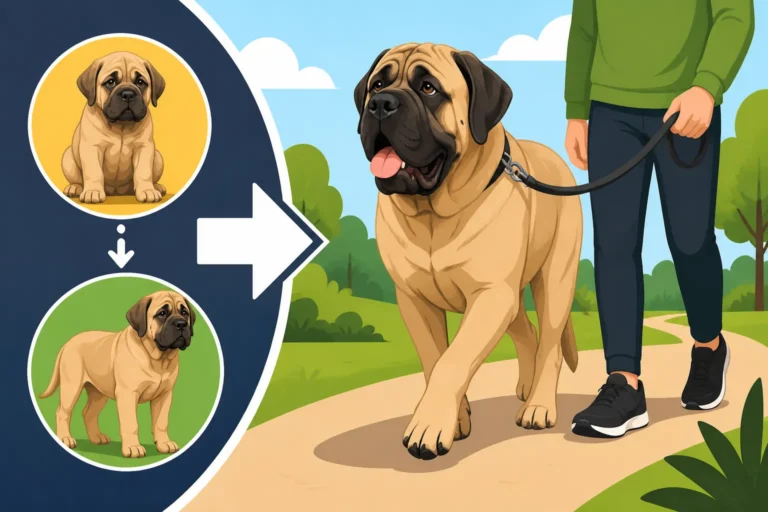
Loud noises, strange objects, unusual smells, or even unfamiliar people or dogs can trigger a Mastiff to stop. They might be trying to process the information, or they might be genuinely fearful. A new construction site, a blaring siren, or even a child on a skateboard can be enough to make them freeze. Their protective instincts, though usually calm, can also kick in if they perceive a threat, causing them to stand their ground. Sometimes, the ground itself is the issue. Hot pavement on sensitive paw pads, icy sidewalks, or even rough gravel can cause them to refuse further steps. Consider the surface you're asking them to walk on and if it might be uncomfortable. For a dog that needs slow, careful growth, even The Walk Length That Damages a Mastiff Puppy can cause them to stop due to fatigue or pain.
Deciphering What Your Mastiff is Trying to Tell You
When your Mastiff stops, they are communicating something. The key is to move past the immediate frustration and tune into their signals. This requires observation, empathy, and a willingness to understand their unique perspective.
Reading Body Language Beyond the Lie-Down
A Mastiff’s communication goes far beyond a simple lie-down. When they halt, observe their entire body. Are their ears back, tail tucked, showing signs of fear or anxiety? Are their muscles tense, eyes wide, indicating discomfort or apprehension? Or are they simply looking around, perhaps sniffing the air, in a more relaxed posture that suggests curiosity or assessment?
A Mastiff who is experiencing pain might be shifting their weight, limping slightly before stopping, or trying to lick a particular area. A dog who is overwhelmed might be looking away from the trigger, panting excessively, or even trembling slightly. If they look at you with soft eyes, perhaps a slight head tilt, they might just be confused or unsure, waiting for your guidance. If they seem entirely disengaged, perhaps gazing off into the distance, they might just be bored or finished with the walk. Understanding these subtle cues can help you pinpoint the underlying cause. The Sensitivity Nobody Expects in a Two Hundred Pound Mastiff means their reactions might be more nuanced than with other breeds.
Common Scenarios and Their Underlying Messages
Let's look at a few common scenarios where a Mastiff might halt and what they could be trying to convey:
- The "Suddenly Stuck" Scenario: You're walking along, and they abruptly stop, maybe even sit or lie down, refusing to take another step forward.
- Possible Message: "Something ahead scares me," "My paws hurt," "I'm tired/uncomfortable," or "I smell something interesting and need to investigate." If they were fine just moments before, consider a sudden external trigger or a quick onset of pain.
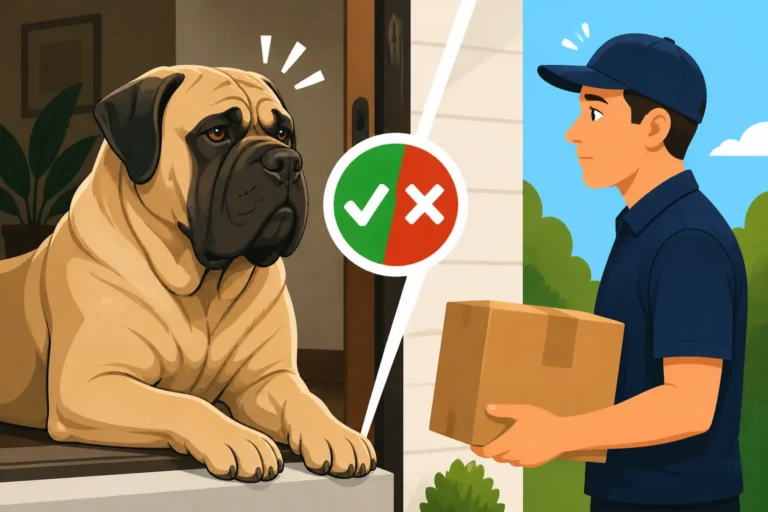
- The "Doorway Dilemma": They halt right at the entrance or exit of your home, or a shop, or the vet clinic, refusing to go in or out.
- Possible Message: "I don't want to go in there/out there," "I'm nervous about what's on the other side," or "This threshold feels weird/slippery." This is common with new environments or places they've had negative experiences, like a vet visit.
- The "Mid-Walk Meltdown": They've been walking for a while, perhaps a bit further than usual, and then they just stop and won't move.
- Possible Message: "I'm exhausted," "My joints are aching," or "I'm too hot." This is especially common in older Mastiffs or those not conditioned for long excursions. This is when considering The Age a Mastiff Starts to Slow becomes important.
- The "Stranger Standoff": A new person or dog approaches, and your Mastiff freezes, then sits or lies down.
- Possible Message: "I'm assessing this new presence," "I'm feeling a bit insecure," or "I'm trying to look less threatening by getting low." While often calm, Mastiffs are natural guardians, and they take their time evaluating new interactions.
The Importance of a "Check-In"
Regardless of the scenario, your first response shouldn't be to get angry or frustrated. Instead, practice a calm, patient "check-in."
- Observe: Take a full 30 seconds to quietly observe your Mastiff's body language, surroundings, and any obvious physical cues (limping, panting, looking at a paw).
- Assess the Environment: Is there a loud noise? A strange smell? A daunting obstacle? Hot pavement? Try to identify any immediate external factors.
- Physical Scan (if safe): If they allow it, gently run your hands over their legs, paws, and body, checking for tenderness, heat, or injury. Look at their paw pads. This quick physical check can rule out immediate pain.
- Verbal Reassurance: Speak to them in a calm, soothing tone. "It's okay, buddy. What's wrong?" This isn't about giving in, but acknowledging their state.
- Offer a Break: Sometimes, they just need a moment. Sit with them, let them collect themselves. If it's hot, find some shade. If they're overstimulated, let them decompress.
By making this check-in a routine, you’ll learn to differentiate between genuine distress and simple Mastiff deliberation.
Strategies for Encouraging Movement (Without Force)
Once you've tried to figure out why your Mastiff has stopped, you can then implement gentle, effective strategies to encourage them to move again. The key is to never resort to physical force, which can injure both you and your dog, and erode trust.
Positive Reinforcement and High-Value Rewards
Mastiffs respond incredibly well to positive reinforcement. For many, food is a powerful motivator. Keep a stash of truly high-value treats – not just dry kibble, but something irresistible like cooked chicken, cheese, or even liverwurst.
When your Mastiff halts, try to lure them forward with the treat. Hold it just out of reach, encouraging them to take a step or two. As soon as they make even the slightest forward movement, praise them enthusiastically and reward them immediately. Consistency is key here. Make it worth their while to move. You can find excellent treat pouches on Amazon to keep these rewards readily accessible. Building a strong foundation with positive methods early on is crucial, and courses like those offered by BAXTER & Bella often emphasize positive, reward-based training for large breeds. This reinforces Whether Positive Training Alone Works on a Mastiff, proving it can be highly effective.
| Situation | Positive Reinforcement Strategy |
|---|---|
| Fatigue/Boredom | Offer a high-value treat every few steps. Turn back home if they're truly tired. Make the destination exciting (e.g., a favorite sniffing spot or toy). |
| Fear/Anxiety | Lure them past the scary object with treats. Use calm, reassuring words. If the fear is intense, turn around and try a different route or come back another day. |
| Pain/Discomfort | Do not force. Offer treats to encourage gentle movement, but prioritize getting them home safely and calling the vet if pain persists. Consider a pet stroller/wagon if needed for short distances. |
| Stubbornness | Make moving more rewarding than staying put. Be more interesting than the ground. Vary your route, add short play sessions, or incorporate training cues they know for a treat. |
| Threshold Hesitation | Toss a treat just over the threshold. Praise heavily for crossing. Make crossing a game, not a demand. |
Desensitization and Counter-Conditioning for Problem Areas
If your Mastiff consistently halts at a particular spot or in response to specific triggers (like loud trucks, certain types of ground, or a specific gate), you can work on desensitization and counter-conditioning.
- Desensitization: Gradually expose your Mastiff to the trigger from a distance where they are comfortable. For example, if they hate noisy trucks, start across the street, far enough away that they notice but don't react negatively.
- Counter-Conditioning: Pair that trigger with something positive. Every time a truck goes by, immediately give them a high-value treat and calm praise. The goal is to change their emotional response from fear/aversion to a positive expectation ("Trucks mean treats!").
Slowly, over days or weeks, decrease the distance to the trigger while continuing the positive associations. This takes immense patience, especially with a breed as thoughtful as a Mastiff, but it can be incredibly effective in overcoming specific fears or hesitations.
Practical Tools and Techniques for Gentle Guidance
Sometimes, even with positive reinforcement, you need a little physical guidance. This is where the right tools come in, designed to provide leverage and control without causing pain or discomfort.
- Harnesses: A well-fitting, sturdy harness is far superior to a collar for a Mastiff, especially if they are prone to planting. It distributes pressure across their chest and shoulders rather than their neck, making it safer for them and giving you more control if you need to gently guide them. A front-clip harness can be particularly effective at redirecting a Mastiff who pulls or resists, as it turns them to the side rather than allowing them to lean into the pull. Whether a Mastiff Should Wear a Harness or a Collar is a crucial decision for their comfort and your control.
- Leash Techniques: Instead of pulling directly, try a gentle, consistent pressure on the leash paired with verbal encouragement and a treat lure. Sometimes a slight change in direction, a little wiggle, or a firm but kind "Let's go!" can break their focus and encourage them to move. If they are truly stuck, try turning your back and walking a few steps away – sometimes, the desire to stay with their person will override their inertia.
- Ramps and Mats: If your Mastiff refuses to get into a car or cross certain slippery surfaces, consider tools like a sturdy pet ramp. For cars, a ramp can make entry and exit much less intimidating and physically demanding. Why a Mastiff Puppy Must Be Lifted Into a Car highlights the importance of protecting their joints from an early age, and this extends into adulthood. Inside, runners or non-slip mats can provide traction on slick floors, preventing them from feeling insecure and refusing to walk on them.
When to Seek Professional Help or Veterinary Advice
While many Mastiff "halts" are behavioral or minor physical discomforts, it's crucial to know when to escalate your concerns to a professional. Ignoring persistent refusal to move can lead to worsening conditions or prolonged distress for your dog.
Identifying Red Flags for Health Issues
Any sudden, uncharacteristic, or persistent refusal to move should be a cause for concern and warrants a veterinary visit. Here are some red flags that indicate it's more than just stubbornness:
- Sudden Onset of Lameness: If your Mastiff was fine one moment and suddenly can't or won't put weight on a leg, or appears in acute pain when moving, it's an emergency.
- Accompanying Symptoms: If the refusal to move comes with other signs of illness such as vomiting, diarrhea, lethargy, fever, loss of appetite, excessive panting, drooling, distended abdomen (especially concerning for bloat), or difficulty breathing, seek immediate veterinary attention.
- Progressive Difficulty: If you notice your Mastiff is gradually becoming more reluctant to walk, struggling to get up, or showing signs of pain after walks, even if it's subtle, it's time for a vet check-up. This could indicate developing arthritis, hip or elbow dysplasia, or even neurological issues like degenerative myelopathy.
- Changes in Gait: Observe their walking pattern. Are they stiff, favoring a limb, or wobbly? Any change in gait, even without a complete refusal to move, can signal a problem.
- Unusual Vocalization: Whining, whimpering, or growling when touched or attempting to move are clear signs of pain.
Given What a Mastiff's Weight Does to Every Line on the Vet Invoice, proactive veterinary care is essential. Don't wait until the problem is severe. If a vet suspects a joint issue, they may recommend X-rays; understanding Whether a Mastiff Fits on a Standard X Ray Plate is a practical consideration for clinic choice.
Consulting a Behaviorist or Certified Trainer
If physical issues have been ruled out by your veterinarian, but the behavioral refusal to move persists, it might be time to enlist the help of a professional dog behaviorist or a certified positive reinforcement trainer experienced with giant breeds.
A good behaviorist can help you decipher complex body language, identify subtle triggers, and develop a tailored behavior modification plan. They can assess whether your Mastiff's "stubbornness" is actually a manifestation of anxiety, fear, or a lack of understanding of expectations. They can guide you through advanced desensitization and counter-conditioning protocols, teach you effective communication techniques, and help you build a stronger, more trusting relationship with your Mastiff. For example, some trainers might recommend specific exercises to build confidence in certain environments or introduce new ways to motivate a hesitant Mastiff. Resources like the BAXTER & Bella online puppy program often provide foundational training that can prevent many of these issues from developing in the first place, by teaching clear communication and positive reinforcement from a young age.
Building a Support System for Your Giant Companion
Living with a Mastiff means understanding their unique needs and challenges. You are their advocate and their support system. This includes being prepared for situations where they might refuse to move.
- Emergency Plan: For older or ailing Mastiffs, consider how you would transport them if they suddenly couldn't walk. Do you have a large vehicle they can get into? Do you know if your local vet or emergency clinic has the equipment to move a very large, immobile dog?
- Ongoing Education: Continuously learn about Mastiff health and behavior. Read articles, join breed-specific forums, and talk to experienced owners. The more you know, the better equipped you'll be to understand and respond to your dog's needs. Resources about Caring for a Mastiff Past Five become invaluable as they age.
- Patience and Empathy: Remember that your Mastiff is not intentionally trying to annoy you. They are communicating in the only way they know how. Approaching these situations with patience, empathy, and a problem-solving mindset will strengthen your bond and make life easier for both of you. After all, the joy of a Mastiff far outweighs these occasional immovable moments.
Disclaimer
This article is for general informational purposes only and does not constitute professional advice. Laws, prices and regulations vary by location and change over time. Consult a qualified professional for guidance on your specific situation.