How a Mastiff Sulks After Being Told Off
It can be truly disheartening when your beloved Mastiff, usually a pillar of quiet companionship, seems to deflate and give you the cold shoulder after you've had to correct them. That look, that turning away, can make you wonder if you've broken their spirit or damaged your bond. This guide is here to unravel the mystery behind that Mastiff sulk, help you understand their unique emotional landscape, and equip you with gentle, effective ways to navigate these moments without eroding the deep trust you share.
Understanding the Mastiff's Sensitive Nature
Many people expect a giant breed like a Mastiff to be stoic, perhaps even impervious, but the truth is often quite the opposite. Beneath that impressive bulk lies a remarkably sensitive soul, often far more attuned to human emotions and intentions than many realize. Their size can sometimes mask a deeply emotional and empathetic temperament.
Beyond the "Stubborn" Label
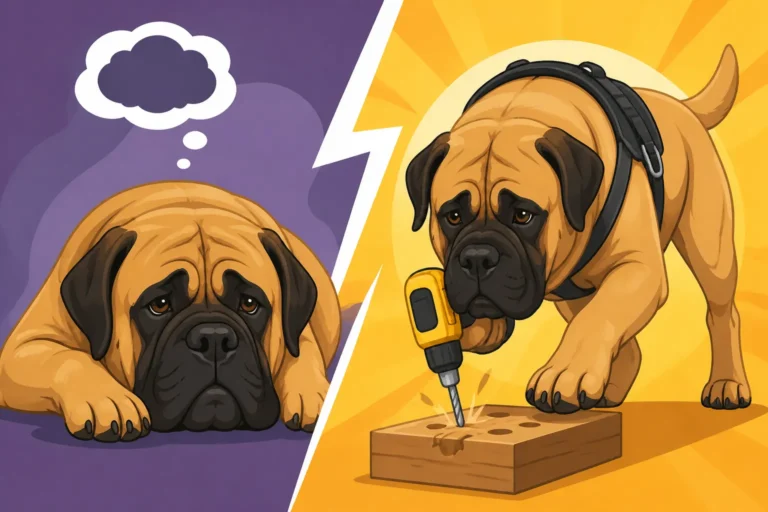
What some owners mistakenly label as "stubbornness" in a Mastiff is frequently a misunderstanding of their deliberate nature and emotional processing. A Mastiff isn't always being stubborn when they refuse to move or comply; they might be processing, weighing their options, or, crucially, reacting to a perceived injustice or harshness in your tone or action. They are not prone to impulsive reactions, but rather careful consideration, which can look like slowness to us. It's vital to remember that a Mastiff's intellect isn't about lightning-fast obedience, but about thoughtful, often quiet, cooperation when trust is established. Rushing them or forcing them rarely yields good results and can often lead to the very sulking we're discussing.
Their Deep Emotional Intelligence
Mastiffs possess a profound emotional intelligence, often picking up on subtle cues in our voice, body language, and even our underlying moods. They form incredibly strong bonds with their families, viewing themselves as integral members of the pack. When they are corrected, especially if the correction is perceived as unfair, loud, or accompanied by frustrated energy, they don't just forget it. They feel it deeply. This isn't necessarily a sign of weakness, but rather an indicator of their capacity for complex emotional responses. They remember experiences, both good and bad, which is why consistent, fair, and positive interactions are so paramount with this breed. To truly understand them, we must acknowledge The Sensitivity Nobody Expects in a Two Hundred Pound Mastiff.
Signs Your Mastiff is Sulking
Recognizing when your Mastiff is sulking is the first step toward mending the rift. It's not always obvious, as their expressions can be subtle, especially for such a large dog. Learning their specific cues will help you respond appropriately and avoid exacerbating the situation.
The Classic Cold Shoulder
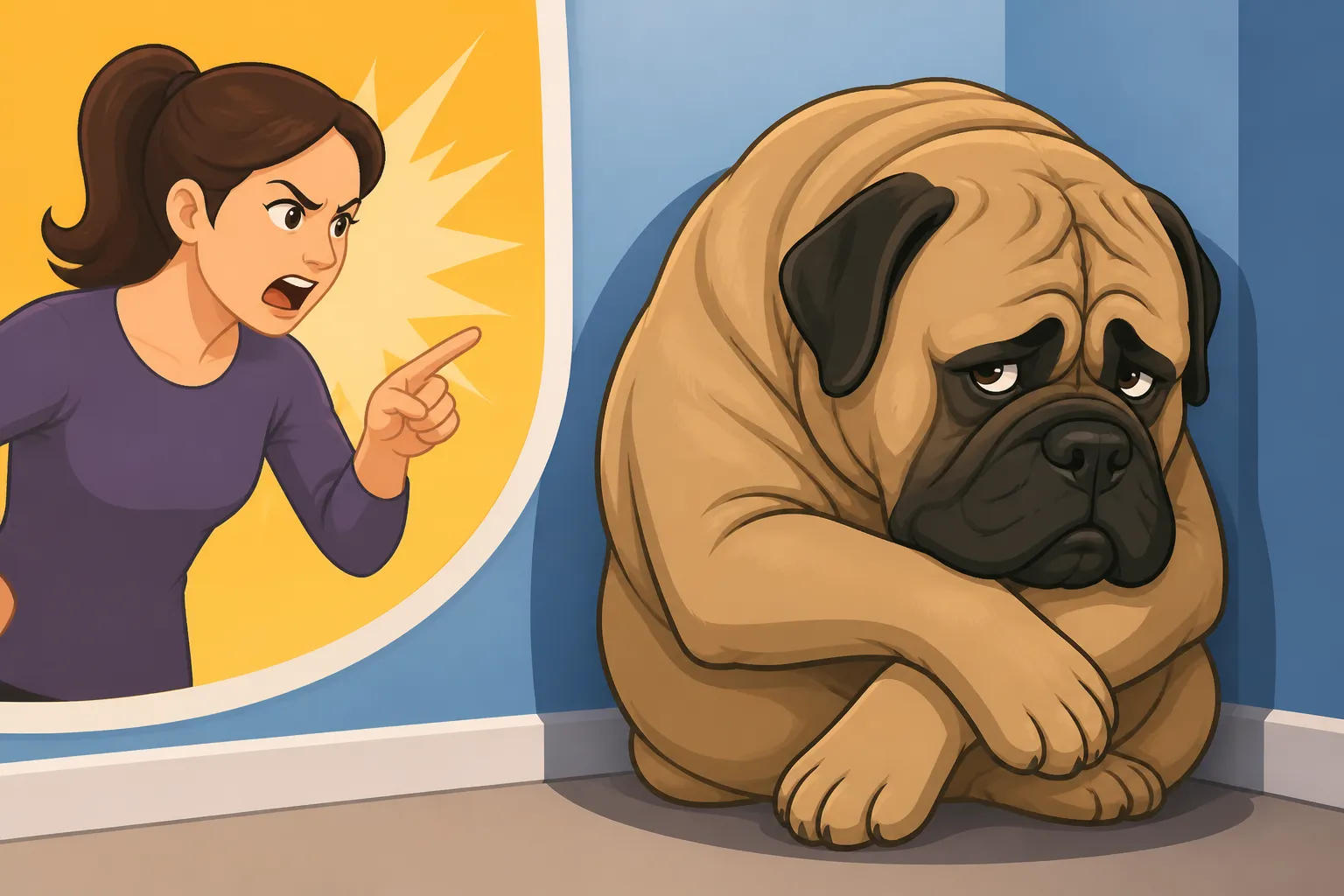
This is perhaps the most common and unmistakable sign. After a telling-off, your Mastiff might turn their head away from you, perhaps even physically move to another spot in the room or lie down with their back to you. They might avoid eye contact, refusing to engage with your gaze even if you call their name. This isn't an act of defiance in the human sense; it's often a display of disengagement, a clear signal that they are unhappy and are retreating emotionally. They are saying, "I hear you, I'm upset, and I need a moment." It can be surprising how a dog of such immense size can make itself seem so small and withdrawn when it feels slighted.
Subtle Body Language Cues
Beyond the overt cold shoulder, watch for more subtle shifts in their posture and demeanor. Their ears might be slightly flattened or held back, their tail might be tucked low or completely still, and their overall posture may appear deflated or slumped. They might sigh deeply, or lower their head. They may also lick their lips or yawn, which are often "calming signals" indicating stress or discomfort rather than tiredness. If they usually follow you from room to room, they might suddenly stop, choosing to stay put even when you leave. Their massive jowls might appear even droopier than usual, contributing to a general air of dejection. Observing these nuances helps you understand The Stubbornness That Is Actually a Mastiff Thinking is often a misinterpretation of their internal state.
Refusing Engagement or Treats
A sulking Mastiff might refuse to participate in activities they normally love. If you offer a favorite toy, they might ignore it. If you try to initiate play, they might turn away. And perhaps most telling for a food-motivated breed, they might refuse even high-value treats. This isn't because they're not hungry, but because their emotional state is overriding their physical desires. It's a clear indication that they are feeling vulnerable or hurt and are not ready to "make up" just yet. Pushing them during this time can be counterproductive, increasing their withdrawal rather than alleviating it.
Here's a quick guide to recognizing common sulking behaviors:
| Behavior | Interpretation | Recommended Response |
|---|---|---|
| Turning away / Back turned | "I'm upset and need space." | Give space, avoid forcing interaction. |
| Avoiding eye contact | "I feel uncomfortable or ashamed." | Don't force eye contact; speak softly, non-threateningly. |
| Lowered head / Slumped posture | "I feel dejected or sad." | Gentle, comforting words from a distance. |
| Deep sighs / Lip licking / Yawns | "I'm stressed or trying to calm myself." | Reduce environmental pressure, speak calmly. |
| Refusing treats/toys | "I'm too emotionally distressed to engage." | Don't bribe; wait until they initiate connection. |
| Retreating to another room | "I need to process this alone." | Let them go; don't follow and loom over them. |
Why Mastiffs React This Way to Correction
It's easy to project human emotions onto our dogs, assuming their sulk is an act of defiance or manipulation. However, a Mastiff's reaction usually stems from something far more fundamental: their perception of fairness, their bond with you, and their innate desire to please.
Impact of Harsh Methods
Mastiffs, due to their size and inherent gentleness, do not respond well to harsh corrections. Yelling, physical punishment, or overly stern verbal reprimands can be deeply damaging. Rather than understanding the lesson you're trying to convey, they often interpret harshness as a breakdown in trust or an unfair attack. This can lead to a shutdown response, where they retreat emotionally to protect themselves. They don't typically challenge aggression with aggression; instead, they withdraw. Why Harsh Correction Ruins a Mastiff is a topic Mastiff owners really need to understand, as it directly relates to their emotional well-being and the strength of your relationship. Their sheer size makes any confrontation feel much more intimidating to them.
A Question of Trust, Not Defiance
When a Mastiff sulks, it's generally not an act of defiance, but rather a reflection of a momentary break in their perception of your trust and leadership. They thrive on clear, consistent, and calm guidance. If a correction feels inconsistent, or if your emotional state during the correction is one of anger or frustration, it can disrupt their sense of security. They might be thinking, "My person, whom I trust, is angry with me, and I don't understand why, or I feel this is unfair." This confusion and perceived betrayal can lead to their emotional retreat. Their loyalty is profound, and anything that shakes that foundation is felt deeply.
Memory and Association
Mastiffs are intelligent dogs with good memories. Whether a Mastiff Remembers a Bad Experience is a question many owners ponder, and the answer is a resounding yes. They don't just remember the incident itself, but also the emotional context surrounding it. If corrections are consistently harsh or bewildering, they can start to associate certain situations or even your presence with negative feelings. This can make them hesitant to engage in training or to even approach you if they feel they might be in trouble. This is why positive reinforcement and clear communication are so important; they create positive associations that build a resilient and trusting relationship, rather than one founded on fear or misunderstanding.
Effective, Gentle Correction Techniques for Mastiffs
Given their sensitive nature, traditional "dominance" based training methods are not only ineffective for Mastiffs but can be detrimental. The key to successful training and correction lies in positive reinforcement, clear communication, and immense patience.
The Power of Positive Reinforcement
Instead of focusing on punishing undesirable behaviors, shift your focus to rewarding desirable ones. When your Mastiff does something right, even something small, acknowledge it enthusiastically with praise, gentle pets, or a favorite treat. This approach builds their confidence and makes them want to learn and cooperate. For instance, if your Mastiff is lying down calmly instead of jumping on guests, reward that calm behavior. This positive association means they are much more likely to repeat the desired action. Platforms like BAXTER & Bella offer comprehensive online training programs that champion positive reinforcement, providing a structured approach that resonates well with the Mastiff's sensitive temperament. You'll find that What Actually Motivates a Mastiff is rarely fear or force, but rather affection, connection, and tasty rewards.
Redirection and Interruption
When your Mastiff is doing something you don't want them to do, rather than simply punishing, try to redirect their attention to an appropriate alternative. For example, if they're chewing on a forbidden item, calmly take it away and immediately offer them an appropriate chew toy. Praise them when they take the toy. For a behavior like jumping, interrupt it with a firm "Off!" and immediately ask them to "Sit." When they sit, reward them. The goal is to interrupt the unwanted action and immediately guide them towards a behavior you can reward. This teaches them what to do, instead of just what not to do, reducing frustration for both of you.
Consistent, Calm Communication
Mastiffs thrive on consistency and a calm demeanor. Ensure everyone in the household uses the same commands and expectations. When you need to correct, use a clear, firm, but not angry, voice. Avoid yelling or showing frustration. A low, steady tone often conveys seriousness more effectively to a Mastiff than a shrill, angry one. Keep corrections brief and to the point. Once the correction is made, move on and re-establish a positive interaction as soon as possible. This teaches them that while you are serious about rules, you are still their loving leader. This type of thoughtful, consistent approach is key for Teaching a Mastiff Before It Outweighs You and becomes too big to physically manage.
Rebuilding Trust and Connection After a Disagreement
After a Mastiff has sulked, it's important to actively work on rebuilding the connection. Ignoring their emotional state or forcing interaction can prolong their withdrawal.
Allowing Space, Then Re-engaging
When your Mastiff is clearly sulking, the first thing to do is give them a little space. Don't crowd them or try to force physical affection immediately. Let them process their feelings. However, don't ignore them completely. After a short period (perhaps 15-30 minutes, or once they appear less withdrawn), approach them calmly. Speak to them in a soft, reassuring voice, perhaps using their name or a comforting phrase. Don't demand engagement, but offer it gently. Sit near them on the floor, or offer a gentle head scratch if they allow it. The goal is to show them that while the undesirable behavior was addressed, your love and affection haven't disappeared.
Using Play and Affection to Mend Fences
Once your Mastiff shows signs of being ready to re-engage, often by a subtle glance or a slight shift in their posture, invite them to do something enjoyable. A favorite game, a short gentle walk, or some relaxed cuddle time can do wonders. Make these interactions purely positive and fun, reinforcing the idea that your bond is strong. Offer a high-value treat, perhaps one you ordered from Amazon, not as an apology for correcting them, but as a reaffirmation of your positive relationship. This helps them to create new, positive memories that override the recent negative feelings.
Short, Successful Training Sessions
Another excellent way to rebuild confidence and connection is through short, successful training sessions. Go back to basics: "Sit," "Stay," "Come." Keep these sessions very brief (3-5 minutes) and set your Mastiff up for success. Give commands you know they will perform correctly, and heap on the praise and rewards. This reminds them that training can be fun and rewarding, and that they are capable of pleasing you. It also re-establishes your role as a benevolent leader and their role as a successful, cherished companion. These short bursts of positive interaction are far more effective than long, demanding sessions, especially after a period of emotional strain.
Preventing Sulking: Proactive Training and Environment
The best way to deal with a sulking Mastiff is to prevent the behavior from becoming a regular occurrence. This involves a proactive approach to training, socialization, and creating a supportive home environment.
Early Socialization and Exposure
From the moment you bring your Mastiff puppy home, early and positive socialization is crucial. Expose them to a wide variety of sights, sounds, people, and other calm, vaccinated dogs. The goal is not to overwhelm them but to build their confidence and teach them that the world is generally a safe and interesting place. A well-socialized Mastiff is often more resilient to minor corrections and less likely to interpret every stern word as a personal attack. They learn to trust novel situations and people, making them more adaptable. Consider puppy classes, which can be a controlled environment for these exposures, and many places, including online resources like BAXTER & Bella, offer guidance on proper socialization techniques.
Building a Strong Foundation with Force-Free Methods
Invest in force-free, positive reinforcement training from day one. This builds a foundation of trust and cooperation rather than fear or intimidation. Teach them basic obedience commands using treats and praise, making learning a positive experience. When a Mastiff understands what is expected of them and trusts that you will communicate fairly, they are less likely to withdraw when corrected. Whether Positive Training Alone Works on a Mastiff is not just a question of efficacy, but also of nurturing their gentle spirit. This approach also helps manage their imposing size as they grow, as a Mastiff that respects you is a Mastiff you can safely manage.
Creating a Predictable and Safe Environment
Mastiffs thrive on routine and a predictable environment. They appreciate knowing what to expect. A consistent daily schedule for meals, walks, and training can reduce anxiety and make them more emotionally stable. Ensure they have a safe, comfortable space of their own, like a large, orthopedic dog bed (you can find many options on Amazon) in a quiet corner where they can retreat if they feel overwhelmed. This "safe haven" is especially important when there are new visitors or changes in the household. A dog that feels secure in its environment is less prone to emotional overreactions and more likely to accept guidance.
Disclaimer
This article is for general informational purposes only and does not constitute professional advice. Laws, prices and regulations vary by location and change over time. Consult a qualified professional for guidance on your specific situation.