Whether a Mastiff Forgives a Correction
It’s a common fear among Mastiff owners: you've given a firm correction, perhaps a bit louder or more forceful than intended, and now your gentle giant is giving you the cold shoulder. You worry, "Did I just ruin our bond? Will my Mastiff ever truly forgive me?" Understanding how these sensitive souls perceive discipline is crucial, and this guide will delve into their unique emotional landscape to help you navigate corrections with the care and empathy they deserve.
The Deep Sensitivity of the Mastiff Heart
Mastiffs, despite their imposing size, are often described as deeply sensitive and soft-natured dogs. They aren't the kind of breed that bounces back from harsh words or physical corrections with a wag of the tail. Instead, they tend to internalize these experiences, which can significantly impact their trust and overall demeanor. Their massive presence belies a tender heart, making them particularly vulnerable to perceived unfairness or anger.
Why Mastiffs Absorb Emotions
Mastiffs are incredibly attuned to the emotional states of their human companions. They are keen observers, picking up on subtle changes in voice tone, body language, and even facial expressions. If you’re feeling frustrated, stressed, or angry, your Mastiff will often sense it, sometimes even before you consciously recognize it yourself. This isn't just a general canine trait; it's amplified in a breed known for its quiet, watchful nature and profound bond with its family. They aren't just reacting to the correction itself, but also the underlying emotion you're projecting.
Imagine a situation where your Mastiff, perhaps a year or two old, nudges the counter a little too hard, accidentally sending a ceramic bowl crashing to the floor. Your immediate, startled reaction might be a sharp, loud "NO!" or an angry tone. While another dog might quickly shake it off, a Mastiff is likely to slink away, looking genuinely heartbroken, perhaps even finding a quiet corner to "sulk." This isn't just them being dramatic; it’s a genuine response to the intensity of your negative emotion. They don't always understand the why of your anger, only that you, their beloved human, are upset. For more on this, you might find Whether a Mastiff Reads Its Owner's Mood illuminating.
Their History as Loyal Companions
The Mastiff's lineage, while including roles as guardians and war dogs centuries ago, evolved into that of devoted family protectors. They were bred not to be aggressive, but to be formidable deterrents and loyal companions. This history means they thrive on close relationships and a sense of belonging. They want to be part of your world, often following you from room to room, leaning on you, and seeking gentle reassurance.
A correction, especially a harsh one, can feel like a rupture in this vital bond. It can create confusion and distress for a dog whose primary directive is often to simply be with you and guard you. They don't inherently understand nuanced human rules the way some highly biddable breeds might. Their "stubbornness" is often more about deep contemplation or a lack of understanding than outright defiance, as explored in The Stubbornness That Is Actually a Mastiff Thinking. When they are corrected harshly for something they don't fully grasp, it shakes their confidence and can lead to a withdrawal of their affections, at least temporarily. They are, in essence, big, furry sponges for emotion, and they absorb both the good and the bad. This profound sensitivity means that every interaction, every correction, carries more weight than it might with a less emotionally resonant breed.
The Two Sides of Correction: Why Approach Matters
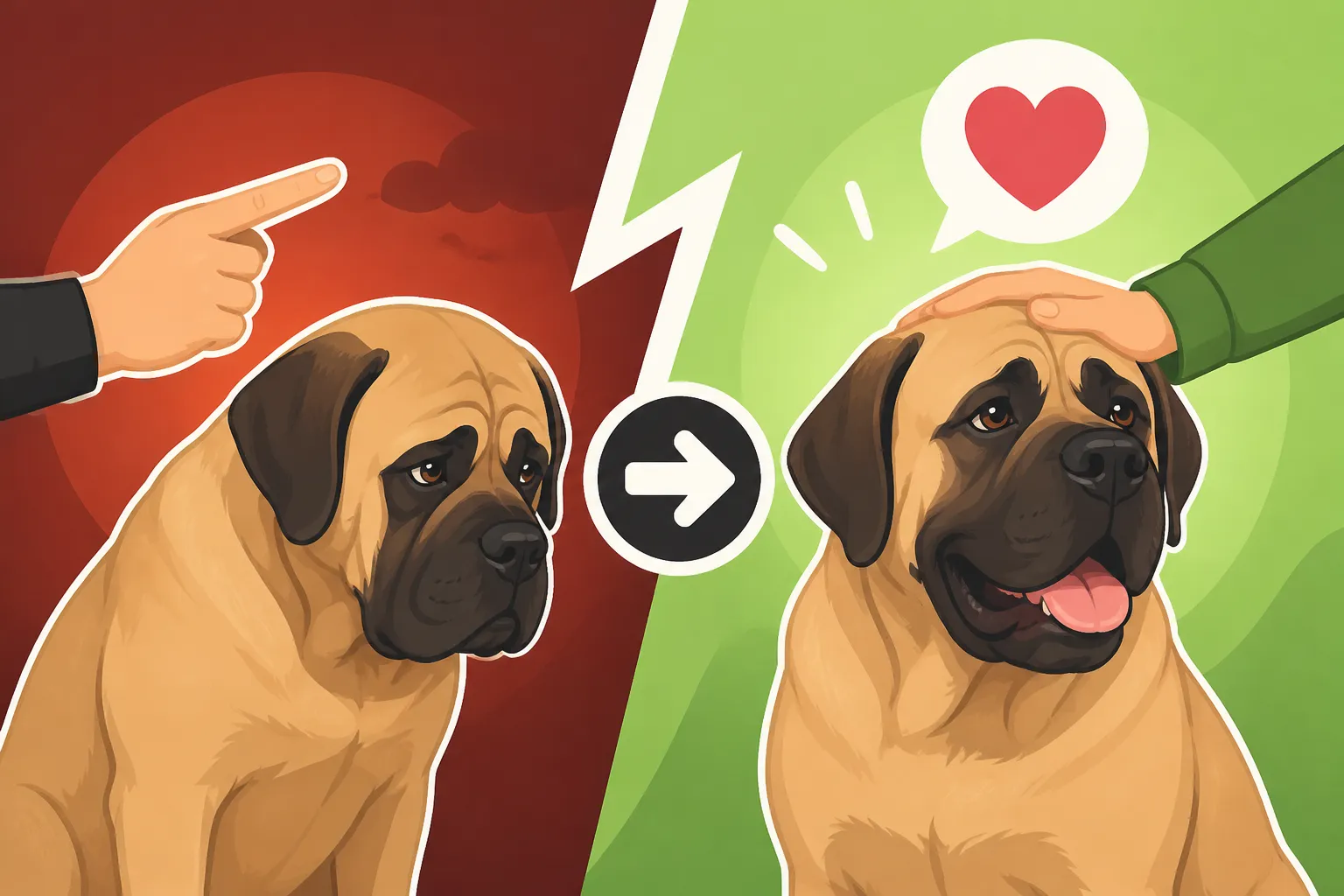
When it comes to correcting a Mastiff, the method you choose can have vastly different outcomes. There's a world of difference between a sharp, fear-inducing reprimand and a calm, consistent redirection. One can damage the bond and create long-term behavioral issues, while the other reinforces boundaries and builds trust.
The Detrimental Effects of Harsh Correction
Harsh corrections — yelling, physical intimidation, alpha rolls, or using tools like prong or e-collars improperly and aggressively — can be particularly damaging to a Mastiff. Their sheer size often makes people feel they need to be extra firm or physically dominant, but this approach usually backfires spectacularly.
When a Mastiff is subjected to harsh correction, several negative outcomes are common:
- Fear and Avoidance: Your Mastiff may become fearful of you, retreating when you approach or avoiding eye contact. They learn to associate your presence with discomfort or pain, eroding the foundation of trust.
- Shutting Down: Instead of learning, a Mastiff might simply "shut down." They become unresponsive, not because they are defiant, but because they are overwhelmed and anxious. This can be mistaken for stubbornness, leading to further frustration and harsher corrections, creating a vicious cycle.
- Generalized Anxiety: Constant harshness can lead to generalized anxiety, making your Mastiff jumpy, insecure, and less confident in navigating their world. This might manifest as house-soiling, destructive behaviors, or even increased reactivity out of fear.
- Damage to the Bond: Most critically, harsh corrections chip away at the deep bond you share. Mastiffs thrive on affection and security. When corrections are delivered in anger or with force, they perceive it as a betrayal, leading to a breakdown in communication and trust. They don't forgive a harsh action and immediately forget; they remember the feeling it evoked. The article Why Harsh Correction Ruins a Mastiff goes into more detail on these effects.
- Potential for Reactivity: While Mastiffs are not typically aggressive, an insecure or fearful Mastiff can become reactive, especially if they feel cornered or threatened. They might learn that defensive growling or snapping is the only way to make uncomfortable interactions stop, a dangerous lesson for a dog of this size.
The Power of Gentle and Consistent Redirection
The most effective way to "correct" a Mastiff is through calm, clear, and consistent redirection, paired with positive reinforcement. This approach teaches them what you want them to do, rather than just punishing what you don't.
Here’s how it works:
- Immediate and Clear Interruption: If your Mastiff is doing something undesirable, interrupt the behavior immediately with a calm, firm "ah-ah" or "leave it." The key is timing – interrupting the behavior as it happens, not after the fact. Mastiffs have a short window of association.
- Offer an Alternative: Once you’ve interrupted, immediately redirect them to an appropriate behavior. For example, if they are chewing on furniture, redirect them to a robust chew toy. Praise and reward them enthusiastically when they engage with the correct item. Finding durable chew toys on platforms like Amazon can be a game-changer for redirecting inappropriate chewing.
- Positive Reinforcement: When your Mastiff performs the desired behavior, reward them generously. This could be with high-value treats, verbal praise, or a favorite toy. This teaches them that good choices lead to good outcomes and strengthens their motivation, as discussed in What Actually Motivates a Mastiff.
- Consistency is King: Every member of the household needs to be on the same page. If one person allows a behavior and another corrects it, your Mastiff will become confused and frustrated. Consistency helps them understand the rules of the house.
- Understanding the "Why": Before you correct, take a moment to understand why your Mastiff might be misbehaving. Are they bored? Are they seeking attention? Are they uncomfortable? Addressing the root cause can often prevent the behavior from occurring in the first place. For example, if your Mastiff is counter surfing, they might be hungry or bored. Instead of just yelling, ensure they've been fed and engaged with a puzzle toy.
This gentle approach doesn't mean you're letting them get away with bad behavior. It means you’re communicating in a way they can understand and respond to positively, preserving your precious bond rather than fracturing it. Remember, Whether a Mastiff Is Genuinely Sensitive means they respond best to a patient, understanding hand.
Mending the Bond: Earning Back Your Mastiff's Trust
If you've had a moment of frustration and delivered a correction you now regret, it's natural to worry about the lasting impact. While a Mastiff won't hold a grudge in the human sense, they certainly remember negative experiences and the feelings associated with them. Rebuilding that trust requires intentional effort, patience, and a consistent demonstration of your love and commitment.
Acknowledging the "Sulking" Phase
After a harsh correction, it's not uncommon for a Mastiff to display behaviors that look like "sulking." They might avoid you, lay in another room, or refuse to make eye contact. This isn't malice; it's a display of hurt and confusion. They're processing the negative interaction and protecting themselves from further discomfort. How a Mastiff Sulks After Being Told Off delves into this behavior.
During this period, trying to force affection or immediately demand obedience can be counterproductive. Give them a little space, but stay present. Your goal is to show them, through calm actions, that the storm has passed and you are once again a safe and loving presence.
Practical Steps to Rebuild Trust
Rebuilding trust isn't a quick fix; it's a process. Here are actionable steps you can take:
- Apologize (Yes, Really): While your Mastiff won't understand the words, a calm, soft-spoken apology can convey your changed emotional state. Approach them gently, speak in a soothing tone, and offer a slow hand for a pet if they are receptive. This helps to re-establish a sense of calm.
- Increase Positive Interactions: Flood their world with positive, low-pressure experiences.
- Gentle Affection: Spend time just quietly petting them, offering belly rubs, or gentle ear scratches if they enjoy it. Don't force it; let them come to you.
- Fun, Low-Pressure Play: Engage in short sessions of their favorite games, like gentle tug-of-war or rolling a ball. Keep it lighthearted and end on a positive note.
- Treats for No Reason: Offer high-value treats purely for being in your presence, for looking at you calmly, or for coming to you voluntarily. This helps them re-associate you with positive things.
- Short, Successful Training Sessions: Focus on commands they already know and love, like "sit" or "down." Keep these sessions very short (1-2 minutes) and ensure success by asking for easy behaviors. Reward heavily for every correct response. The goal is to rebuild their confidence and remind them that training with you is a positive, rewarding experience. If you're looking for structured positive reinforcement guidance, online programs like BAXTER & Bella can be incredibly helpful for maintaining consistency and gentle methods.
- Enrichment and Comfort: Ensure their environment is comforting and secure. Provide a soft, orthopedic bed (like those found on Amazon) in a quiet corner where they can retreat. Offer puzzle toys and long-lasting chews to keep their minds engaged positively.
- Be Consistent and Predictable: From this point forward, commit to using only gentle, positive reinforcement methods. Your Mastiff needs to learn that you are a consistent source of safety and kindness. Avoid any further harsh corrections, as these will undo all your hard work. Remember, Whether a Mastiff Remembers a Bad Experience is a resounding yes, so making new, positive memories is paramount.
Over time, with consistent effort and genuine empathy, your Mastiff will likely re-establish their trust and affection. They might be cautious at first, but their inherent desire to bond with their family usually prevails. The key is unwavering patience and a commitment to understanding their sensitive nature.
Proactive Paws: Setting Up for Success and Preventing Missteps
The best way to address correction issues with a Mastiff is to prevent the need for harsh corrections in the first place. This means being proactive from the moment you bring your Mastiff home, understanding their unique developmental stages, and creating an environment where they can thrive through clear communication and positive reinforcement.
Early and Consistent Positive Reinforcement Training
Start training your Mastiff puppy immediately, focusing entirely on positive reinforcement. Puppies are like sponges, and establishing good habits early on is much easier than trying to correct ingrained bad ones later, especially when dealing with a dog that will soon outweigh you. Teaching a Mastiff Before It Outweighs You is not just practical advice, it's essential for safety and manageability.
- Foundation Behaviors: Teach basic commands like sit, stay, come, and leave it using treats and praise. Make learning a fun game.
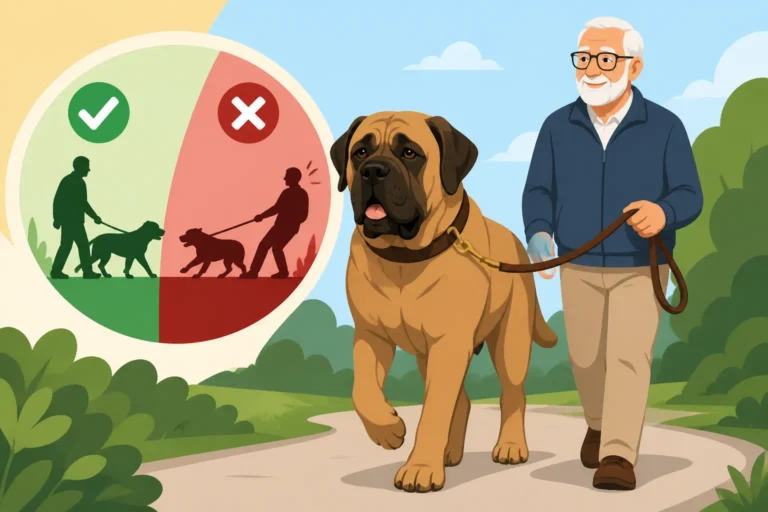
- Leash Manners: Introduce the leash and harness early. Practice loose-leash walking in a low-distraction environment. Because a Mastiff does not pull you over, it simply stops, training them to walk politely on a leash is vital for safe walks. A front-clip harness, easily found on Amazon, can be a great tool for managing a strong puller without causing discomfort.
- House Training: Be diligent with house training, using a consistent schedule and rewarding outdoor potty breaks generously.
- Socialization: Expose your Mastiff puppy to a variety of sights, sounds, people, and other well-behaved dogs during their critical socialization period. This helps them grow into confident, well-adjusted adults less prone to fear-based behaviors that might require correction. How Many People a Mastiff Puppy Should Meet is a good guideline.
Remember, Mastiffs are deliberate thinkers, not necessarily quick learners in terms of speed, but they are capable of learning complex behaviors with patient, consistent positive methods. Whether Positive Training Alone Works on a Mastiff is often answered with a resounding yes, provided the human is committed and creative.
Environmental Management and Routine
A well-managed environment plays a huge role in preventing unwanted behaviors.
- Puppy-Proofing: Just like with a human toddler, puppy-proof your home. Remove tempting items, secure trash cans, and block off areas where your Mastiff shouldn't go unsupervised.
- Adequate Exercise and Mental Stimulation: While Mastiffs don't need marathon runs, they do need consistent, moderate exercise to stay healthy and happy. Daily walks (appropriate for their age and joint health), and opportunities to sniff and explore are crucial. Mental stimulation through puzzle toys, training sessions, and interactive games can prevent boredom, which often leads to destructive behaviors.
- Consistent Routine: Dogs thrive on routine. A predictable schedule for feeding, potty breaks, walks, and training helps reduce anxiety and confusion, making them feel more secure in their environment.
- Safe Retreat: Ensure your Mastiff has a comfortable, designated "safe space" – perhaps a large crate or an orthopedic bed in a quiet corner – where they can go to relax undisturbed. This is especially important in busy households or when guests are over.
Understanding Mastiff Development
Mastiffs mature slowly, both physically and mentally. They often retain a puppy-like exuberance well past their first birthday, and may not fully "fill out" or reach full mental maturity until 2 or 3 years of age. This means you'll be managing a giant adolescent for a longer period than with smaller breeds. Patience during this extended development phase is key. Understand that what might seem like defiance is often just youthful exuberance or a lack of maturity. Continuously reinforce good behavior and gently guide them, understanding that their brains are still developing.
By taking a proactive, positive approach from the start, you can build a strong, trusting relationship with your Mastiff that minimizes the need for corrections and fosters a happy, well-adjusted companion who never has to question your unwavering love.
| Correction Method | Impact on Mastiff | Effectiveness | Notes |
|---|---|---|---|
| Harsh Verbal (Yelling) | Fear, withdrawal, confusion, anxiety | Low | Damages trust, causes sulking. Mastiff understands your anger, not necessarily the reason. |
| Physical Correction | Fear, pain, potential aggression | Very Low | Severely damages bond, can lead to defensive behaviors, makes dog shut down. Never recommended for any dog, especially a Mastiff. |
| Alpha Rolls/Dominance | Fear, confusion, resentment, aggression | Extremely Low | Outdated, dangerous, and scientifically disproven. Will destroy trust and can provoke aggression in a large dog. |
| Calm "Ah-Ah" / "No" | Interrupts behavior, provides boundary | Moderate | Effective if immediately followed by redirection to desired behavior. Needs to be consistent. |
| Redirection & Reward | Teaches desired behavior, builds trust | High | Focuses on what you want the dog to do. Uses positive reinforcement, strengthens bond. |
| Ignoring Undesirable | Removes reinforcement for attention-seeking | Moderate | Only for behaviors where attention is the reward. Not for destructive or dangerous behaviors. Requires consistency. |
| Environmental Mgmt. | Prevents access to temptations | High | Proactive strategy. Removes opportunity for bad behavior, reduces need for correction. |
Disclaimer
This article is for general informational purposes only and does not constitute professional advice. Laws, prices and regulations vary by location and change over time. Consult a qualified professional for guidance on your specific situation.